
Choosing the Best Trading App for Indian Investors
📱 Looking for the best trading app in India? Discover top features, compare popular options, and choose the perfect tool to fit your trading style and needs.
Edited By
Amelia Scott
Demo share trading apps have become a popular choice among Indian investors and traders who want to practice stock market trading without risking real money. These apps simulate live market conditions, allowing users to buy and sell stocks using virtual funds. This setup helps beginners build familiarity with trading platforms and understand market movements before venturing into actual investments.
In India, where stock market participation is growing steadily, demo trading apps provide a safe space to test strategies. For example, a fresh university graduate interested in investing but unsure about market volatility can use a demo app to simulate trades on NSE and BSE stocks. This way, they learn how price changes affect portfolios without the pressure of losing money.
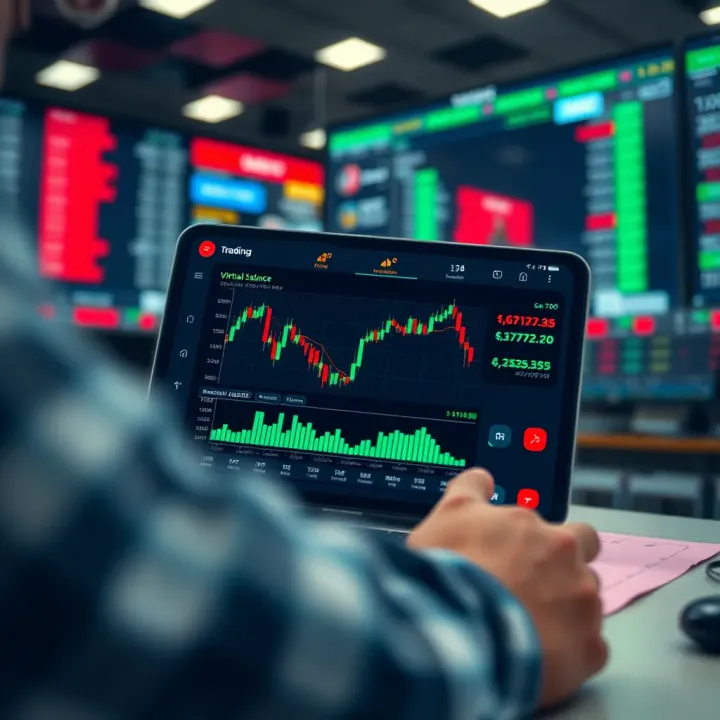
Demo share trading apps act as a training ground, letting you make mistakes and learn the ropes before live trading.
These apps replicate real-time data, including price fluctuations and order books, closely tracking actual market trends. Most apps need you to register with basic details, after which you receive virtual capital ranging from ₹1 lakh to ₹10 lakh. This amount is yours to manage, buy shares, and practise trading styles like day trading, swing trading, or long-term investing.
Beyond virtual money, demo apps often feature charts, technical indicators, and news feeds to mirror professional trading environments. Popular Indian brokers like Zerodha offer paper trading features within their platforms, combining learning with exposure to their actual trading interface.
Using demo trading apps offers several advantages:
Familiarises you with order types such as market, limit, and stop-loss
Helps understand brokerage fees and transaction charges conceptually
Tests different stock selection methods without fear of losses
Builds confidence and reduces emotional bias during real trading
In short, demo share trading apps serve as a bridge between theory and actual market participation. They sit well alongside traditional learning from books or courses by letting users experiment actively. For Indian traders looking to get started or sharpen trading skills, integrating demo platforms into their learning curve pays good dividends later on in their investment journey.
A demo share trading app allows you to engage with the stock market without using real money. It's designed to simulate actual trading conditions, providing a risk-free platform where beginners and experienced traders can practice buying and selling shares or other securities. For instance, an Indian trader can use a demo app like Zerodha Kite to understand order placements or market timings without facing any financial loss.
A demo trading app replicates live market scenarios but uses virtual funds instead of real cash. Think of it as a flight simulator for pilots but for the stock market. It mirrors the price movements and order books of exchanges like NSE (National Stock Exchange) or BSE (Bombay Stock Exchange) closely enough to give you a real feel of market dynamics. This environment is particularly useful for traders to observe how factors like liquidity or market depth affect trade executions.
One major appeal of demo trading is the ability to learn without risking capital. Newcomers can experiment with different strategies or order types—such as limit, market, or stop-loss orders—without worrying about losing money. For example, if you're unsure how to trade in volatile markets during earnings season, demo trading helps you test your actions safely. This learning approach lowers the barrier to entry and builds confidence before moving into real trading.
In demo trading, you operate purely with fake money provided by the app, sometimes called "paper trading". While this allows you to take multiple risks freely, it lacks the emotional pressure that comes with risking actual funds. Imagine playing a game where you can’t lose any points versus a real match where your reputation is at stake. This difference affects decision-making and can lead to behaviours that might not hold up in real trading.
While demo apps try to mirror live market conditions, they may not capture every nuance. Factors like slippage, order delays, or sudden market shocks often play out differently in real markets compared to a simulated setup. For example, during a market crash or a flash rally, a demo app might fail to show the rapid order execution delays Indian traders face. Moreover, some apps use slightly delayed data to reduce costs, impacting the accuracy of practice trades.
Using a demo share trading app is a strong first step towards understanding market mechanics, but recognise its limits. Treat it as a learning tool—not a perfect replica of live trading.
To summarise, demo share trading apps provide a safe space to learn, explore strategies, and familiarise yourself with the Indian stock market infrastructure before committing real money. They bridge the gap between theory and practice, helping you build skills with zero financial risk.
Using demo share trading apps brings several practical advantages to traders in India, especially those new to the stock market or looking to hone their skills without risking real money. These apps create a no-pressure environment where users can explore market mechanics and trading strategies realistically. The benefits stretch from gaining confidence in order placement to understanding the intricate nature of market timings and volatility, which are key aspects for successful trading.
One of the first hurdles new traders face is placing orders correctly. Demo apps allow you to practise buying and selling shares without financial consequences. This means you can experiment with different order types such as market orders, limit orders, and stop-losses comfortably. For example, a trader testing the Zerodha Kite demo can see how placing a limit order at a specific price works in real-time, which builds basic skills crucial before investing actual money.
The Indian stock market operates only during fixed hours on working days, typically 9:15 am to 3:30 pm IST for NSE and BSE. Demo trading apps simulate this schedule, so you grow familiar with when you can trade and the intensity of market fluctuations during those hours. Experiencing volatility through a demo app helps you understand price swings triggered by news or economic data, preparing you to react appropriately under live conditions.
Demo trading apps let you try multiple strategies without fear of losing money. Whether you want to test intraday scalping, swing trading, or long-term investing approaches, demo accounts provide the freedom to see what works for you. For instance, an investor might try a momentum strategy across various sectors and measure its effectiveness before committing capital.
Without the pressure of real losses, you can assess potential risks and rewards more objectively. This involves tweaking stop-loss levels, profit targets, and position sizes in simulated trades to find a balance suited to your risk appetite. Practising with demo data helps refine your risk management skills, a vital part of sustainable trading.
Even experienced traders benefit from demo apps by using them to test new markets or products before allocating real money. For example, someone active in equities might use a demo app to explore commodities or derivatives trading in India, allowing a safe transition to unfamiliar territory.
Demo apps also offer a platform to improve technical abilities like reading candlestick charts, understanding technical indicators, or navigating advanced order types. Indian traders can use tools featured in popular apps like Angel Broking or Upstox Pro to sharpen their skills without financial risk.
The advantage of demo trading is not just avoiding losses; it’s building the foundation and discipline necessary for real market success. Practising in this environment makes traders more confident, strategic, and ready for live markets.
In sum, demo share trading apps provide Indian traders with a practical, risk-free way to learn, experiment, and improve. They help break down the complexity of markets into manageable steps, whether you are just starting or expanding your trading horizons.
Choosing the right demo share trading app hinges on several features that directly impact usability, learning experience, and strategy testing. These elements help Indian traders simulate real-market conditions more realistically, making the transition to live trading smoother and less daunting.
In today’s fast-moving world, being able to access trading platforms both on mobile and desktop is vital. A good demo app should offer seamless performance across devices, allowing you to practise trades on the go via your mobile or conduct detailed analysis on a desktop at home or office. For example, Zerodha’s Kite Demo works well on smartphones and laptops, ensuring consistent user experience regardless of the device.
Switching between devices shouldn’t require relearning the interface. Apps that sync your preferences and display real-time updates consistently help you stay in the flow, whether commuting or sitting by your desk.
A flexible dashboard lets you organise charts, watchlists, and market data according to your trading style. This customisation speeds up decision-making by putting your essential tools front and centre. For instance, Upstox Pro Demo allows traders to rearrange widgets easily, helping you focus on sectors or stocks you want to track closely.
Custom dashboards also enable beginners to start with simpler layouts and evolve as they become more comfortable, making the learning curve less intimidating.
For a thorough practice experience, the demo app should cover multiple asset types: stocks, derivatives like futures and options, as well as commodities such as gold or crude oil. This variety reflects the actual Indian markets where investors diversify their portfolios.
Without exposure to these different instruments, traders risk being unprepared when venturing beyond basic equity trading. Angel Broking’s demo app, for example, offers access to these assets, enabling users to test strategies across segments easily.
Trading apps that offer real-time NSE (National Stock Exchange) and BSE (Bombay Stock Exchange) data make your practice closer to actual market conditions. Market hours, price movements, and index fluctuations reflected in the app build familiarity specific to Indian trading cycles.
If the demo app uses outdated or foreign market data, you miss out on the nuances of factors like official holidays and volatile monsoon market effects common in India.
A robust demo app will come with built-in educational resources like video tutorials, live webinars, and price alerts. These aid users in understanding market concepts, technical indicators, and trading strategies.
For example, Angel Broking hosts regular webinars tailored for Indian traders covering topics such as derivatives trading and risk management. Push alerts for limit order execution or stop losses help mimic real trading emotions and discipline.
The learning process requires practice over a reasonable period. Apps offering longer demo account durations or easy refresh options let you experiment without pressure.
Limited access may force rushed learning, while options to reset your virtual portfolio encourage repeated trials under different market scenarios. Zerodha’s Kite demo allows users to reset their accounts to the initial balance, which is essential for testing new strategies from scratch repeatedly.
Selecting a demo trading app with the right mix of features ensures you not only practise efficiently but also adapt comfortably to the live market environment, particularly within India’s dynamic trading space.
Using demo share trading apps provides you with a risk-free space to sharpen your skills, but to truly benefit, you need a structured approach. Demo trading is more than just placing virtual orders; it’s about setting clear goals, refining plans, and understanding when you’re ready to switch to live markets.
Tracking your trades and reviewing what went right or wrong is critical. Most demo platforms let you view performance reports, highlighting winning and losing trades. Take time to analyse these reports daily or weekly to spot patterns such as consistent mistakes in order timing or misreading market trends. For example, if you notice losses mostly occur during volatile mornings, you might adjust your strategy or avoid early trades.
Treat your demo trades like real investments. Avoid impulsive decisions just because it’s virtual money. Replicate how you’d act with actual funds, maintaining discipline around position sizes, stop-losses, and profit targets. This mindset builds trading habits that will help control emotions once you start investing real money. If you habitually overtrade in demo mode, you’re likely to carry that behaviour into live trading, risking larger losses.
Effective risk management is the backbone of successful trading. Use the demo app to practise strategies like setting stop-loss and take-profit limits to control your downside. For instance, try limiting your risk to 1–2% of total virtual capital per trade—a common approach among traders. Demo trading helps you see how properly managing risk keeps your losses in check and protects gains.
Getting position sizes right can prevent wiping out your account. Demo accounts allow you to test different sizing methods, such as fixed lot size or percentage of capital. Try executing trades with varying sizes to see how your portfolio reacts. Additionally, practise different order types—market, limit, stop orders—to understand execution speed and slippage effects, especially important in fast-moving Indian markets like NSE or BSE.
Switching to live trading should come only after consistent positive results in demo mode. If your strategy yields steady profits and handles different market conditions over a few weeks or months, you’re likely ready. Remember, occasional losses are normal, but the overall approach must be reliable. This consistency breeds confidence.
Demo trading lacks the stress of risking real money, so it cannot fully prepare you for emotional ups and downs. Before moving to real trading, check if you can stick to your plan without chasing losses or becoming greedy after wins—even on paper. Emotional discipline is the hardest skill to master, so practising mindfulness and self-control alongside demo trading helps. If you find yourself deviating from your strategy easily in the demo, take more time before investing real money.
Structured demo trading is the key to bridging theory with real-world investing. Setting goals, managing risks, and building emotional resilience in demo mode lays a strong foundation for live trading success.
In sum, maximise your demo trading by learning from mistakes, simulating real trades, refining your approach, and being honest about your emotional readiness before stepping into the live market arena.
Demo share trading apps give Indian investors a safe space to practise trading without financial risk. Choosing the right app matters because each platform offers different features that influence learning experience and market exposure. This section looks at popular demo apps from well-known brokers and compares their usability and market access.
Zerodha Kite is widely popular among Indian traders, and its demo version closely mimics the live trading environment. Users get access to real-time data from NSE and BSE, enabling them to place simulated orders across equities, commodities, and derivatives. Its clean interface suits beginners but also provides enough tools like advanced charts for experienced users. Practising here helps you understand order types like limits and stops widely used in the Indian markets.
Upstox Pro offers a well-rounded demo experience, notable for its fast execution simulation and breadth of securities. The app supports delivery as well as intraday and F&O trading, so you can experiment with diverse strategies without risking capital. Its mobile and desktop platforms sync well, enabling easy transitions between devices. Additionally, Upstox's demo features market news and technical indicators, enriching analysis skills before going live.
Angel Broking’s demo app targets beginners with its simple layout and easy navigation. It covers a wide range of products, including stocks, mutual funds, and IPOs in real market conditions. One unique feature is its integration with ARQ, an AI-driven advisory tool that helps users identify trading ideas. Practising on Angel Broking's demo can familiarise you with Indian-specific nuances such as GST impact on trades and brokerage charges.
Demo apps vary in the types of securities offered. Zerodha and Upstox allow trading in equities, futures, options, and commodities, giving traders broad exposure to NSE and BSE offerings. Angel Broking extends this with mutual funds and IPO tracking, useful if you want to explore multiple investment avenues. It's important your chosen app covers asset classes you plan to trade live.
Good customer support can smooth learning curves. Zerodha provides extensive educational content via Varsity, plus responsive support for demo users. Upstox and Angel Broking also offer tutorials, webinars, and FAQs tailored to Indian market conditions. Many traders find having access to in-app tips and community forums helpful for clearing doubts and staying updated.
Selecting a demo share trading app with comprehensive market coverage and solid educational backing helps you build both knowledge and confidence before risking real money.
This knowledge helps set realistic goals and smoothens your transition to live trading on the Indian stock markets.
Demo trading apps provide a valuable platform to practice without risking real money. However, they come with certain limitations that every trader, especially beginners in India, should be aware of to avoid unrealistic expectations.
Trading with virtual money removes the stress and anxiety tied to actual financial loss. When you trade in a demo environment, there’s no risk to your savings or invested capital. This absence of real financial pressure makes it easier to take risks you might avoid in live trading. For instance, a trader may enter a large position casually on demo, but the same situation in a real account could trigger hesitation or panic due to fear of losing ₹1 lakh or more.
Because of this, emotional factors such as fear, greed, and hesitation don’t surface fully in demo trading. This gap makes it harder to prepare for the psychological challenges that come with real investing, where every decision can impact your financial health.
Success in demo trading can create a misleading sense of confidence. Traders often assume their strategies will work equally well in live markets, ignoring emotional and practical differences. This overconfidence can lead to excessive risk-taking when they move to real trading, potentially resulting in heavy losses.
For example, someone might notice consistent gains on a demo app and feel ready to invest ₹5 lakh in the stock market. Yet, the absence of real stakes in demo glosses over how emotions and market unpredictability affect decision-making under pressure.
Demo apps generally simulate market data and order execution using best-case scenarios. They often show prices with minimal delays and execute orders instantly or near-instantly. This differs from live markets where India’s NSE and BSE see rapid price changes and occasional delays.
In real trading, slippage—the difference between expected and actual execution prices—occurs frequently, especially during volatile sessions or high-volume stocks. Demo apps usually don’t mimic slippage accurately. Consequently, they can paint an overly optimistic picture of trade execution, leaving traders unprepared for real conditions.
Since demo trading platforms can't fully duplicate market slippage, order book depth, or sudden liquidity changes, strategies tested there might not perform identically when applied live. For instance, a scalping or intraday strategy that works well on a demo might struggle in actual markets where latency and partial fills are common.
This limitation makes it essential to complement demo practice with cautious live trading using small capital at first. Monitoring how your strategy holds up against real execution nuances helps bridge the gap demo trading can’t cover.
While demo trading apps are excellent learning tools, understanding their limitations helps set realistic expectations and better prepares you for live market challenges.
📱 Looking for the best trading app in India? Discover top features, compare popular options, and choose the perfect tool to fit your trading style and needs.
📈 Explore the best online share trading apps in India! Learn to choose wisely with tips on costs, security, features, and risk management for all traders.
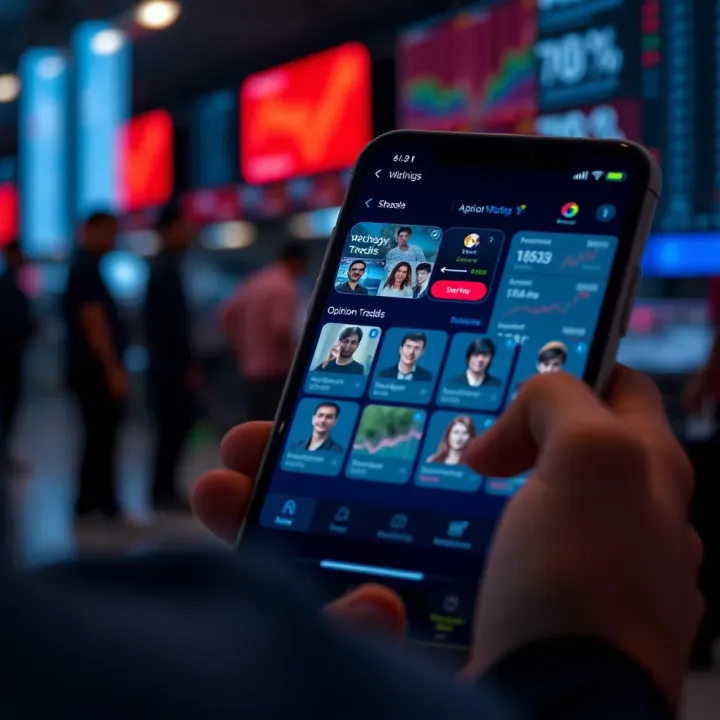
Explore opinion trading apps in India📱: features, benefits, risks, regulations, market impact, and tips for smart, informed participation.
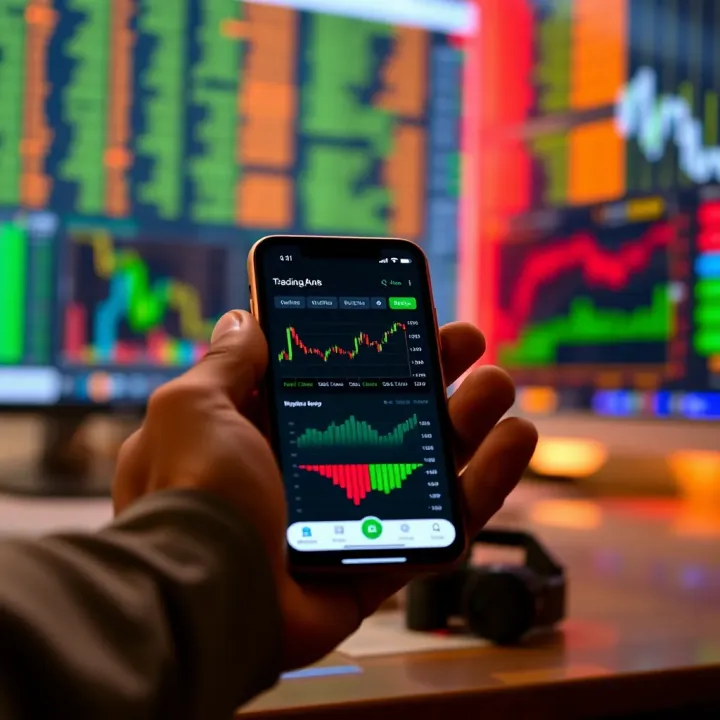
Explore the top online trading apps in India 📱, learn how they work, key features to watch for, regulatory tips ⚖️, and smart advice for beginners 💡.
Based on 11 reviews