

Choosing the Best Forex Trading Course in India
🧐 Find the best forex trading course in India with insights on market basics, course features, learning formats & expert tips to sharpen your trading skills.
Edited By
Ethan Mitchell
Forex trading takes place round the clock, five days a week, and understanding its hours is key for Indian traders. Unlike stock markets, which have fixed hours, the forex market operates across different global time zones. This continuous trading happens because currency markets in London, New York, Tokyo, and Sydney are open at staggered times.
For traders in India, the challenge lies in aligning these global sessions with Indian Standard Time (IST), which is UTC +5:30. Knowing when these sessions overlap helps you spot opportunities and manage risks effectively.
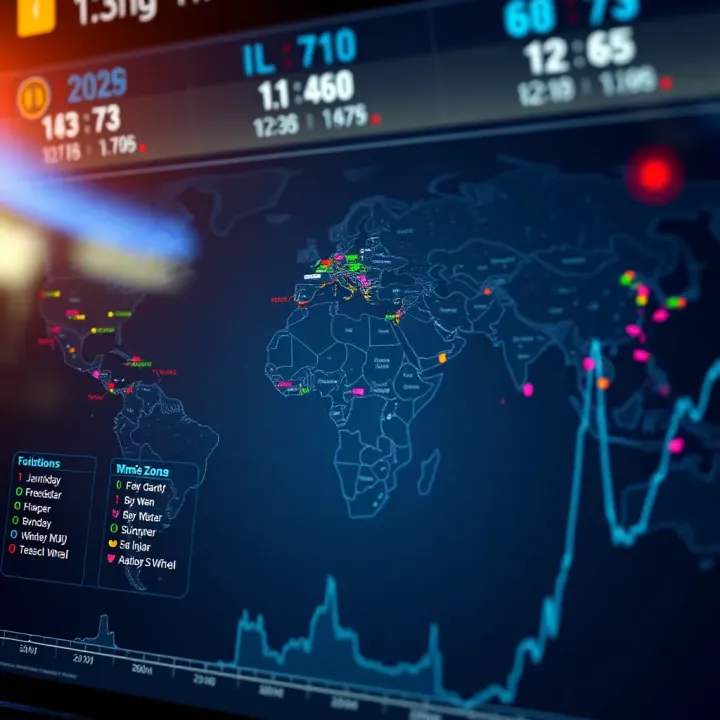
Here’s a quick rundown of major forex trading sessions in IST:
Tokyo Session: 6:30 am to 3:30 pm IST
London Session: 1:30 pm to 10:30 pm IST
New York Session: 6:30 pm to 3:30 am IST
The overlap between London and New York sessions, roughly 6:30 pm to 10:30 pm IST, often sees high trading volumes and volatility. This period creates the best conditions for tighter spreads and better chances to enter or exit trades.
Indian traders must factor in these timings when planning trades. For example, if you want to trade during the London-New York overlap, you should be alert in the evening hours, even if it means adjusting your routine slightly.
Several external factors influence forex trading hours too:
Daylight Saving Time (DST): This causes a shift in trading session timings for London and New York, but India itself does not observe DST. This means the session overlap changes by an hour depending on the season.
Public Holidays: Forex markets shut on holidays in respective countries. Keeping an eye on both local and global holidays helps avoid surprises.
Broker Hours: Some brokers impose their own trading hour limits due to liquidity or risk management.
For Indian investors, it helps to use a reliable forex trading platform or app that displays market hours in IST and alerts for session starts or ends. Planning your trades around the most liquid periods improves the chances of executing trades efficiently.
Forex trading, or foreign exchange trading, involves buying and selling currencies in pairs, aiming to profit from fluctuations in exchange rates. This global market is the largest and most liquid financial market, running 24 hours a day across different time zones. For Indian investors and traders, understanding forex trading’s basic principles and its operating hours is vital, as it opens doors to global market participation beyond domestic stocks or commodities.
Definition and nature of forex market
The forex market operates as a decentralised network of banks, financial institutions, brokers, and retail traders. Unlike stock exchanges, it has no central physical location. Currencies are traded in pairs — for example, USD/INR denotes US Dollar vs Indian Rupee — illustrating how much one currency is worth in terms of another. This market’s continuous operation reflects the global nature of commerce and finance, with trading opportunities arising at any time due to different market sessions worldwide.
Currency pairs commonly traded in India
Indian traders usually focus on major and cross currency pairs that have high liquidity and tighter spreads. Besides USD/INR, pairs like EUR/USD, GBP/USD, and USD/JPY attract considerable attention. The USD/INR pair is especially popular because it reflects India’s forex market directly, enabling traders to respond to changes such as RBI policy shifts or geopolitical events. For instance, during times of INR volatility, intraday traders might capitalise on sharp price swings, while long-term investors watch global economic factors.
Growing interest in forex among retail traders
In recent years, forex trading has caught the eye of many Indian retail investors, partly due to easier access via online trading platforms like Zerodha, Upstox, and ICICI Direct. The affordability of opening accounts and trading on margin offers temptation to try profit-making beyond traditional assets. For example, during festive sales or financial year-end, novice traders often try forex as an alternative source of income. Increased smartphone penetration and digital literacy have also helped spread this interest across tier-2 and tier-3 cities.
Opportunities and risks in forex for Indian participants
Forex trading in India offers unique opportunities such as high liquidity, 24-hour market access, and the ability to trade on leverage. However, risks are equally significant. Indian regulators, including SEBI and the Reserve Bank of India (RBI), impose guidelines to restrict speculative offshore currency trading, emphasising compliance and caution. The volatile nature of forex markets means sudden swings can lead to losses exceeding initial investments, especially for unprepared traders. Therefore, understanding market hours, liquidity peaks, and risk management is key to making informed decisions and guarding against scams or poorly regulated brokers.
For Indian investors, knowing when and how global forex markets operate is not just about timing trades; it shapes the entire approach towards managing profits and avoiding pitfalls in a complex, round-the-clock market.
Knowing the key forex trading sessions and their timings in Indian Standard Time (IST) helps Indian traders decide the best moments to enter or exit trades. The forex market runs 24 hours, but activity levels vary greatly, with peak liquidity and volatility concentrated in major global sessions. Understanding these sessions allows you to plan trades around periods offering better price moves and tighter spreads.
The London session, often called the European session, is the biggest in forex trading. It typically runs from 8:00 am to 5:00 pm GMT, which translates to 1:30 pm to 10:30 pm IST. This session is important for Indian traders because it overlaps with the end of the Asian session and the beginning of the New York session, resulting in higher market activity. Popular currency pairs like EUR/USD, GBP/USD, and USD/INR see significant movements during this time, offering more trading opportunities.

The New York session operates from 1:00 pm to 10:00 pm EST, corresponding to 10:30 pm to 7:30 am IST. This session is particularly relevant for Indian traders willing to trade late at night or early morning. The overlapping hours between London and New York—roughly 8:00 pm to 10:30 pm IST—see huge liquidity and volatility, which can cause sharp price movements. Traders should take advantage of this time to spot potential breakouts or reversals.
The Tokyo session runs roughly from 9:00 pm to 6:00 am JST, which is 5:30 pm to 2:30 am IST, while the Sydney session is active from 7:00 pm to 4:00 am AEST, roughly 1:30 pm to 10:30 pm IST. These sessions have lower volatility than London or New York but are still vital for pairs like USD/JPY, AUD/USD, or NZD/USD. Indian traders can catch moderate market activity during early evenings without staying up too late.
The forex market's global nature means traders in India need to adjust for time zone differences when planning trades. Since sessions run according to their local times, knowing their IST equivalents prevents missed opportunities. For instance, markets in London open in the afternoon IST, while New York's market runs late night. This staggered schedule means market activity extends almost throughout the day for Indian traders.
Forex trading sees peak activity when two sessions overlap. For India, the London-Sydney overlap from 1:30 pm to 2:30 pm IST and the London-New York overlap from 8:00 pm to 10:30 pm IST are the busiest hours. These periods show higher trading volume and volatility, making them ideal for executing trades. Knowing this can help you align your trading hours with periods offering better price movements and tighter spreads.
Understanding forex session timings in IST lets Indian traders time their strategies effectively, balancing their daily routines and market opportunities.
London session: 1:30 pm to 10:30 pm IST
New York session: 10:30 pm to 7:30 am IST
Tokyo session: 5:30 pm to 2:30 am IST
Sydney session: 1:30 pm to 10:30 pm IST
Planning according to these timings will help you use market liquidity wisely and avoid times when the market is too quiet or erratic due to low participation.
Understanding the factors that shape forex trading hours in India helps traders optimise their strategies and time their trades effectively. These factors determine market liquidity, volatility, and trading opportunities at different periods. Two main elements influence forex trading hours here: global market overlaps and regulatory constraints.
The most active forex trading periods happen when two or more major markets are open simultaneously. These overlaps boost liquidity because traders across regions are active, pumping larger volumes into the market. For example, the London-New York overlap between 7:30 pm and 12:30 am IST typically sees high volatility and tighter spreads. This means Indian traders can expect more opportunities for quick entry and exit, particularly around major economic data releases from the US or Europe.
In contrast, sessions with little or no overlap tend to have lower liquidity and wider spreads, leading to sluggish market behaviour. For Indian traders, recognising these overlaps helps avoid trading during thin markets where price slippage can increase costs. For instance, the Sydney session (early morning IST hours) is quieter compared to the London or New York overlaps, which are marked by larger price movements.
The best times to trade, therefore, fall within these overlapping sessions. Besides the London-New York overlap, the Tokyo-London overlap during 12:30 pm to 3:30 pm IST also presents good trading chances, especially for currency pairs involving the Japanese yen. Timing trades around these windows can aid better price execution and reduce risk.
The Securities and Exchange Board of India (SEBI) has clear guidelines restricting Indian retail traders’ access to forex markets. SEBI only permits trading in currency derivatives (futures and options) on recognised Indian exchanges like NSE and BSE. Direct forex trading in the spot market involving foreign currencies is generally prohibited for Indians to prevent capital flight and maintain currency stability.
This regulatory framework impacts forex trading hours since currency derivatives on Indian exchanges have fixed trading hours — usually 9:00 am to 5:00 pm IST — unlike the continuous global forex market. Traders need to adjust their strategies accordingly, leveraging these timings rather than global markets directly.
Moreover, restrictions on cross-border currency transactions mean Indian brokers cannot offer unrestricted access to international forex platforms. Instead, brokers provide products regulated under Indian law, which might limit pair choices or trading flexibility. For example, many brokers focus on currency futures or currency ETFs compliant with SEBI norms rather than spot forex pairs like EUR/USD or GBP/USD.
For Indian traders, understanding these regulations is crucial to avoid compliance issues and to plan trading activity within authorised channels.
In summary, the combination of global market overlaps and strict Indian regulations strongly shapes forex trading hours for Indian participants. Trading during high-overlap sessions ensures adequate market liquidity and volatility, while adhering to SEBI and broker-imposed limits keeps trading legitimate and safe. Indian traders who align their approaches with these factors can seize better opportunities while managing risks effectively.
Trading forex effectively requires more than just understanding currency pairs; timing and market behaviour play a major role in deciding when to enter or exit trades. Indian traders must plan their forex activities around market hours and typical price movements to improve chances of profit and reduce risks.
The peak trading sessions—London and New York in particular—see the highest forex market volatility. For instance, when both these markets overlap from 6:30 pm to 10:30 pm IST, liquidity surges and currency pairs often exhibit significant price movement. Traders can exploit this by entering trades with the anticipation of larger profits due to increased volatility. For example, GBP/USD often surges during these hours, so an Indian trader focusing on this pair would benefit most by trading during these hours rather than off-peak times.
Periods outside main trading hours tend to have lower liquidity, resulting in wider spreads and less predictable price action. Trading during these times—such as the quiet hours between the New York close and the Tokyo open—can expose traders to risks like sudden spikes or slippage. For example, an Indian trader placing orders around 1:00 pm to 3:00 pm IST, when global markets are less active, might face higher costs and slower order execution. Steering clear from these low-liquidity periods helps maintain tighter spreads and more reliable price movements.
Market opens and closes can be tricky, especially if they fall outside Indian peak periods. During these transitions, spreads widen and slippage—where trades execute at less favourable prices than expected—can increase. For example, a trader operating on an overseas platform might notice that orders placed just before the London market opens at 1:30 pm IST could execute with wider spreads, eating into potential gains. Indian traders should remain cautious at these times and avoid placing large or high-risk trades when volatility shifts abruptly.
Economic news often triggers sharp movements in forex pairs, and the timing of such releases matters a lot. Indian traders need to mark major announcements like US Non-Farm Payrolls or RBI policy statements on their calendars because these can cause sudden spikes or drops. For example, USD/INR may fluctuate vigorously after RBI announces the repo rate, which usually happens around 3:30 pm IST. Being aware of these windows helps traders either prepare for fast moves or avoid trading during unpredictable swings, improving overall risk management.
Careful planning around trading hours and understanding market behaviour can enhance profitability and reduce costly mistakes in the forex market. For Indian traders, aligning trade timings with active sessions, avoiding quiet periods, and watching for economic events are practical steps to sharpen forex strategies.
For Indian forex traders, understanding and optimising trading hours is essential to maximise profit and minimise risks. Timing affects liquidity, volatility, and trading costs. Practical tips help traders align their strategies with market behaviour and their daily routines. This section highlights tools and lifestyle considerations tailored for Indian traders.
Most modern trading platforms such as MetaTrader 4, MetaTrader 5, and Zerodha Kite automatically display market hours and session timings in Indian Standard Time (IST). This feature helps traders quickly spot the open and close of major forex sessions like London, New York, and Tokyo without manual conversion. For example, Zerodha Kite shows live charts with session overlays, simplifying the tracking of active market periods.
Mobile apps like TradingView or investing.com offer alerts and customised notifications about session openings, closures, and volatility spikes. These apps are especially useful when you can’t watch the screen constantly, allowing you to take action timely without missing crucial opportunities.
Calendar tools for forex market events are equally valuable. Economic calendars list upcoming news releases, central bank announcements, and key reports affecting currency pairs. You can sync these calendars to your Google Calendar or mobile device to avoid forgetting important events. For instance, RBI policy announcements or US Nonfarm Payroll data often cause sharp market moves. Being aware of their timings helps traders prepare or avoid entering risky trades.
Indian traders often juggle day jobs, studies, or family responsibilities, so finding suitable forex session times is vital. The London session (especially its overlap with New York) runs from 3:30 pm to 11:30 pm IST, a comfortable evening slot for many. Conversely, the Tokyo and Sydney sessions mostly fall during early morning hours in India, which can be challenging to monitor.
Some traders prefer focusing on sessions with the highest volumes (London/New York overlaps) to benefit from tighter spreads and better liquidity without disrupting daily routines. Others may trade weekends or early mornings using automated tools or bots that execute trades on their behalf.
Night trading has its challenges, particularly sleep disruption and reduced alertness, which can lead to poor decision-making. Indian traders aiming for Tokyo or Sydney sessions should prioritise good sleep hygiene and use short naps strategically. Tools like blue light filters on mobiles and scheduled breaks improve focus during these odd hours.
Aligning trading hours to both market activity and personal rhythms not only enhances performance but keeps mental and physical health intact.
In short, Indian forex traders gain an edge by using tech tools for real-time timing updates and adjusting session choices to fit their lifestyle. This blend of awareness plus practical scheduling makes forex trading less taxing and more rewarding.
🧐 Find the best forex trading course in India with insights on market basics, course features, learning formats & expert tips to sharpen your trading skills.

Discover the best hours for forex trading in India, focusing on market overlaps, liquidity, and volatility to help you plan trades and manage risks effectively 📈🌏.

Explore top forex trading platforms in India 🇮🇳 with expert tips on regulations, features, costs, and currency pairs. Start trading confidently and safely today 📈

Explore the best forex trading apps for Indian traders 📱, comparing features, security, user-friendliness, and costs to help you choose the perfect platform.
Based on 6 reviews