
Best Sites for Intraday Trading in India
Find the best intraday trading sites in India🇮🇳 with top features like real-time data, low charges, strong security, and user-friendly tools for smarter trades📈.
Edited By
Sophie Bennett
Intraday trading involves buying and selling stocks within the same trading day to profit from short-term price movements. This approach is popular among Indian traders because it allows them to capitalise on market volatility without holding positions overnight, reducing exposure to unexpected news after market hours.
To begin intraday trading successfully, you need a solid understanding of market fundamentals, a reliable trading platform, and a well-defined strategy. Many beginners overlook the importance of risk management, which can quickly turn potential gains into losses in the fast-moving equity markets such as NSE and BSE.
Successful intraday traders often focus on liquid stocks like those part of the Nifty 50 to ensure enough volume for quick entry and exit.
Here are some key points to keep in mind before you start:
Choose the right broker: Look for brokers offering low brokerage charges and robust trading tools suited for intraday activities.
Understand technical analysis: Charts, indicators like RSI (Relative Strength Index), and candlestick patterns are crucial for spotting entry and exit points.
Set a risk limit: Decide in advance how much capital you are willing to risk per trade – typically 1-2% of your trading capital.
Start small: Begin with smaller trade sizes to get a feel of market dynamics without risking big money.
Keep news handy: Market-moving announcements, both domestic and global, can influence stocks heavily during the trading day.
Intraday trading isn’t about high-speed guessing; it’s a disciplined process that combines quick decision-making with cautious money management. This guide will walk you through practical steps to develop skills, select tools, and implement strategies that suit the Indian equity market environment.
Understanding the basics of intraday trading is the foundation for anyone wanting to succeed in the fast-moving Indian stock market. Intraday trading means buying and selling financial instruments within the same trading day to capitalise on price fluctuations. Getting familiar with its workings can help you make more informed decisions and avoid costly mistakes.
Intraday trading involves opening and closing positions on the same day. Unlike delivery-based trading where you own shares beyond the trading session, here you do not hold stocks overnight. The key feature is quick decision-making combined with close monitoring of market trends.
For example, if you buy shares of Reliance Industries in the morning and sell them an hour later at a higher price, that's intraday trading. This practice needs discipline and a clear exit plan because if positions are not squared off by market close, the broker may square them off automatically, sometimes incurring penalties.
Difference from delivery-based trading lies mainly in the holding period and risk profile. Delivery trading means buying stocks and holding for weeks or years, benefiting from long-term growth and dividends. Intraday trading aims to profit from short-term price movements, demanding technical analysis and swift actions. Capital requirements for intraday can be lower due to margin facilities but risks increase because price swings within hours can result in losses.
Typical trading hours in India for the National Stock Exchange (NSE) and Bombay Stock Exchange (BSE) run from 9:15 am to 3:30 pm IST. Pre-open sessions from 9:00 am to 9:15 am allow order placement but no actual trading. Intraday traders focus on these hours, tracking price charts and market news closely to spot opportunities with liquidity and volatility during market hours.
Equity stocks listed on BSE and NSE are the most common instruments for intraday trading. Stocks like Tata Steel, HDFC Bank, and Infosys often see high volume and price movement suitable for quick trades. Liquidity is vital here: the more buyers and sellers, the easier to enter and exit positions without much price impact.
Futures and options contracts offer another domain for intraday traders. These derivatives allow traders to speculate on price movements of stocks or indices like Nifty 50 without owning the underlying asset. For instance, trading Nifty futures can enable leveraged positions but carries higher risk, so a strong grasp of instruments is essential.
Popular sectors and stocks for intraday trading often include banking, IT, and pharma because they react consistently to market triggers. For example, HDFC Bank might react sharply to RBI announcements, or pharma stocks like Sun Pharma may swiftly respond to regulatory news. Focusing on familiar sectors helps anticipate volatility and manage trades better.
Intraday trading is both an art and science, demanding knowledge of instruments, timing, and strategy. Mastering these basics equips you to navigate the Indian markets with greater confidence and control.
To trade effectively within a single day, having the right tools and platforms is non-negotiable. These elements help you analyse market movements, execute trades swiftly, and manage risks prudently. Without dependable platforms and sharp tools, even the most well-planned strategy can falter.
First up, ensure your brokerage is regulated by the Securities and Exchange Board of India (SEBI). SEBI’s oversight protects traders from unfair practices and ensures brokerages adhere to strict operational and compliance standards. Using a SEBI-registered broker reduces risks like fraud or delays in settlement, which can be costly in intraday trading where timing is everything.
Alongside legality, the platform’s user interface matters a lot. A clean, intuitive interface helps you place trades quickly without fumbling through complicated menus. For example, Zerodha’s Kite platform provides a minimalist design with easy order placement, which many Indian traders prefer for quick intraday decisions. Platforms cluttered with unnecessary features can slow you down—quick access to critical data like live charts, order book, and position status is key.
What’s your choice between mobile apps or desktop platforms? Mobile apps, like Upstox and 5Paisa, offer flexibility to trade on the go, handy for traders who multitask or stay away from their desk. However, desktop platforms often provide a more comprehensive view, better charting tools, and faster execution speeds, suiting serious intraday players. You might find starting on mobile practical, but a desktop setup unlocks deeper control and analysis.

Charting tools and technical indicators form the backbone of most intraday strategies. Tools offering moving averages, RSI (Relative Strength Index), Bollinger Bands, and candlestick patterns help identify entry and exit points. TradingView or StockEdge, popular among Indian traders, support these indicators with real-time plotting, enabling you to visualise trends and momentum clearly.
Getting real-time data and market news is equally important. Instant updates on market movements or breaking economic news can save you from surprises or open profit windows. Many platforms, including Zerodha and Upstox, integrate feeds from NSE and BSE, plus news from Domestic economic sources, making sure you stay informed within that trading day.
Finally, integrating India-specific market data is crucial. Factors like F&O (Futures & Options) expiry, quarterly results announcements, government policies, and RBI directives influence intraday volatility. Platforms that layer these India-centric details on standard charts, such as MoneyControl or NSE India portals, give you an edge in spotting market reactions and adapting trades instantly.
A solid trading toolkit adapted to the Indian market not only boosts your efficiency but also helps avoid costly mistakes in fast-moving intraday situations.
In sum, combining a SEBI-compliant broker with a user-friendly platform, backed by sharp technical analysis and localised market data, forms the foundation for learning and succeeding in intraday trading in India.
For anyone looking to trade within the same day, mastering core strategies is the backbone of success. Intraday trading demands quick decision-making, so knowing which methods to trust and how to manage your risk can make a tangible difference. These strategies provide practical frameworks that help you keep losses small and profits steady while navigating the often volatile markets of the NSE and BSE.
Trend analysis and moving averages form the foundation of technical checks in intraday trading. By tracking the direction of price movements—whether a stock is generally going up, down, or sideways—you can decide whether to buy or sell at the right time. Moving averages smooth out daily price fluctuations so trends become clearer; for instance, a 20-day moving average that crosses above a 50-day moving average commonly signals a bullish trend, encouraging traders to enter a long position. Using these tools helps in identifying entry and exit points that align with the market’s momentum.
Support and resistance levels act like invisible barriers on price charts. Support is where the price tends to stop falling and start rising, while resistance is where it often slows or reverses after a rise. Recognising these levels can help you set stop-loss orders and profit targets more effectively. For example, if a stock price approaches a known resistance level near ₹350, many traders would consider booking profits or tightening stop losses around that point, anticipating a possible pullback.
Common chart patterns used for entry and exit include head and shoulders, triangles, flags, and double tops or bottoms. These shapes form because of the collective trading behaviour and can indicate potential reversals or continuations. Spotting a breakout from a triangle pattern, for example, might suggest a strong move coming up, prompting traders to enter positions before prices surge. Recognising these patterns makes trading less of guesswork and more rule-based.
Setting stop-loss and target points ensures that your losses don’t spiral out of control and profits are secured at realistic levels. For instance, if you buy a stock at ₹200, placing a stop-loss at ₹195 limits your loss to ₹5 per share. Similarly, planning a target at ₹210 instead of chasing the price higher helps lock in gains consistently. This discipline keeps you from holding onto losing trades and chasing profits blindly.
Position sizing for capital protection means deciding how much of your total trading capital to invest in a single trade. Typically, intraday traders risk only 1-2% of their capital on one trade to avoid heavy losses. So, if you have ₹1 lakh for trading, risking ₹1,000 or ₹2,000 per trade safeguards you from wiping out your account quickly on a bad day.
Managing emotions and avoiding overtrading is as crucial as any technical skill. The fast pace of intraday trading can lead to impulsive decisions driven by greed or fear. Overtrading happens when you take too many trades just to make up for losses, often resulting in more damage. Keeping a cool head, sticking to your trading plan, and knowing when to stop trading for the day help in building long-term consistency.
Remember: Successful intraday trading isn’t about making quick riches overnight but controlling risk and applying tested strategies steadily.
Applying these core strategies carefully will refine your approach and build the confidence needed to trade effectively in India’s equity markets.
Practising intraday trading is key to mastering this fast-paced market. The best traders sharpen their skills by simulating real conditions without risking actual money. This section highlights practical steps to build confidence, refine strategies, and learn effectively from your trading experience.
Using demo accounts from popular Indian trading platforms like Zerodha's Kite, Upstox, or Angel Broking lets you trade virtual money in real market conditions. This approach helps beginners familiarise themselves with order placement, market timing, and strategy implementation without financial risk. Simulated trading offers a playground to test various stocks and instruments suited for intraday moves.
Tracking your performance during paper trading is equally crucial. Maintain records of each trade’s entry and exit points, profit or loss, and strategy used. Analysing these details helps pinpoint strengths and weaknesses. It also aids in refining your strategy to suit volatile Indian markets, such as adjusting stop-loss levels during monsoon season volatility or Indian budget announcements.
Maintaining a detailed trading journal is one of the most effective ways to improve. Note every trade's rationale, market conditions, emotions felt, and final outcomes. Over time, patterns emerge revealing what works and what doesn't in your trading style. For instance, you may observe that trades placed right after the 9:15 am market opening bell tend to be riskier but more profitable.
Review both successful trades and failures critically. Understanding why a trade won or lost prevents repeating mistakes and boosts confidence in your approaches that work. For instance, a failed trade might expose poor exit timing, helping you to focus on better profit booking techniques.
Continuous learning is essential in intraday trading. Engage in online courses, watch expert analyses of the NSE and BSE, and join trader communities to stay updated with market trends and tactics. Indian market dynamics shift rapidly, so learning new strategies and adapting to changes, like RBI policy updates or sectoral shifts, is necessary for sustained gains.
Practising with demos, documenting every trade, and learning from experience build discipline and skill, critical for thriving in India’s intraday trading scene.
By systematically applying these steps, you enhance your ability to make quick, informed decisions, manage risks better, and steadily grow your trading proficiency.
Starting intraday trading without understanding common pitfalls can quickly drain your capital. Avoiding typical mistakes not only preserves your funds but also builds a strong foundation for confident trading. The most frequent errors involve overleveraging and ignoring vital market cues. Addressing these early helps you navigate the fast-paced intraday environment more effectively.
Intraday traders in India must pay attention to leverage limits set by exchanges like NSE and BSE. Leverage allows you to control bigger positions than your actual capital, but the exchanges cap this to prevent excessive risk. For example, if the margin requirement is 20%, you pay ₹20,000 to control a position worth ₹1,00,000. This cap keeps losses manageable and protects traders from wiping out their entire account in a single trade.
Borrowing high margins beyond set limits is risky and usually unavailable due to strict exchange rules. However, some brokers might offer additional margins called 'extra margin' or 'intra-day leverage'. Using these increases your exposure and, while it might boost profits, it equally magnifies losses. For instance, borrowing to trade ₹5 lakh instead of ₹1 lakh can wipe out your capital fast if markets move against you, especially given intraday volatility. Being cautious with leverage keeps your trading sustainable and avoids sudden margin calls that force position closures.
Economic events significantly impact intraday price swings. Releases like RBI policy decisions, inflation data, or GST updates often cause sharp volatility in stocks and indices. Traders ignoring these events risk entering trades blindly just as prices spike or crash, leading to avoidable losses. For example, when the RBI announces interest rate changes, banking stocks often react within minutes, making timely information crucial for intraday decisions.
Besides macroeconomic news, staying updated on NSE and BSE announcements is equally important. Exchanges periodically release circulars regarding corporate actions, trading halts, or changes in margin requirements. Missing these can result in unexpected trading halts or margin shortfalls. For example, a sudden suspension in a heavily traded stock could trap positions causing liquidity problems. Following official exchange updates helps you anticipate such changes and adjust strategies promptly.
Awareness of leverage limits, combined with real-time market news tracking, forms the backbone of prudent intraday trading. Ignoring these can turn promising trades into losses quickly.
Avoid these mistakes from day one to build discipline and enhance your chances in India's dynamic intraday market.
Understanding legal and regulatory frameworks is essential for anyone entering intraday trading in India. These rules protect traders from fraud, ensure fair market practices, and help comply with tax laws, ultimately safeguarding your investments and trading career.
The Securities and Exchange Board of India (SEBI) regulates stock market activities in India, including intraday trading. SEBI sets strict compliance requirements for brokers and traders to prevent malpractice like insider trading and market manipulation. For instance, brokers must maintain adequate capital and disclose risks to clients, which builds trust and transparency in the market.
Traders also need to follow KYC (Know Your Customer) norms and maintain transaction records as part of compliance. These measures ensure your trades are legal and help you avoid fines or penalties that can arise from non-compliance.
Verifying broker credentials is critical before starting intraday trading. You should check whether the broker is registered with SEBI and listed on recognised exchanges like NSE or BSE. Verified brokers publish their registration details online, which makes it straightforward for you to confirm authenticity.
Choosing a SEBI-registered broker not only offers legal safeguards but also access to better tools, reliable trade execution, and dispute resolution mechanisms. Avoid unregulated brokers or those promising unrealistic returns, as they can put your capital at risk.
Intraday trading profits are classified as business income under Indian tax laws. This means gains from buying and selling stocks or derivatives within the same trading day are taxable like regular business earnings, not as capital gains.
You must maintain detailed records of all trades, including dates, amounts, and profits or losses. This information is crucial for accurate tax reporting and avoiding issues with the Income Tax Department.
Filing Income Tax Returns (ITR) as an intraday trader involves declaring these profits under the appropriate ITR form category, typically ITR-3 or ITR-4. You’ll also need to pay advance tax in quarterly instalments if your tax liability exceeds ₹10,000.
Besides tax payments, filing returns accurately helps you claim deductions like brokerages and other expenses related to your trading activities. It is a practical way to keep your finances organised and avoid penalties arising from tax default.
Staying updated with SEBI regulations and tax provisions not only keeps your trading legal but also prevents costly mistakes. It’s wise to consult a tax professional if you’re uncertain about specific filings or deductions.
Understanding these legal and tax frameworks will help you trade confidently within Indian markets, knowing you are fully compliant and protected.
Find the best intraday trading sites in India🇮🇳 with top features like real-time data, low charges, strong security, and user-friendly tools for smarter trades📈.
📈 Learn the essentials of intraday trading in India! Get tips on strategies, tools, and risks to trade stocks effectively within a day. Start smart today!
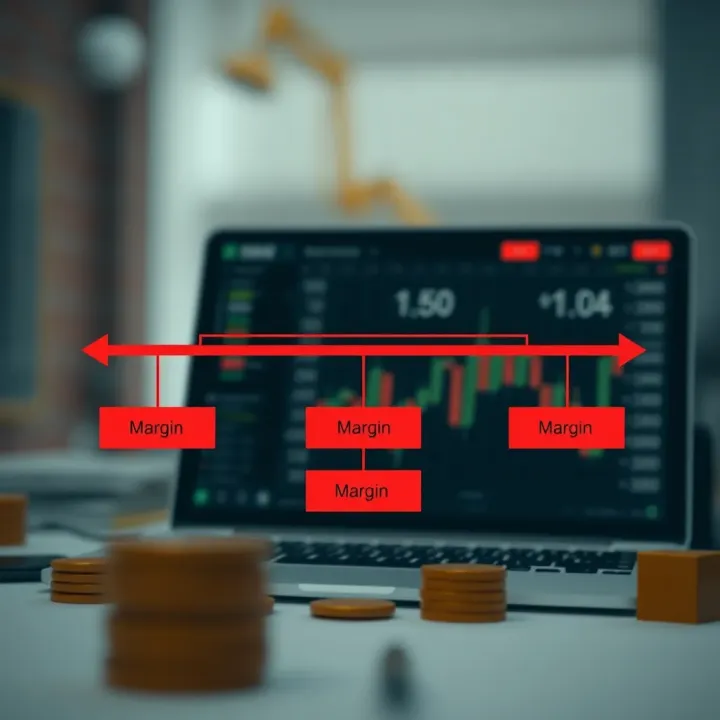
📈 Understand margin requirements for intraday trading in India. Learn types, rules, and how to calculate margins to trade confidently and avoid penalties.

🤑 Learn how to cut intraday trading costs in India with the lowest brokerage charges. Find tips on brokers, fee structures, and smart trading choices!
Based on 6 reviews