
Top Candlestick Patterns Every Trader Should Know
Learn to spot the strongest candlestick patterns 📊 for better timing and accurate trading decisions. Boost your strategy with proven price signals today!
Edited By
Daniel Edwards
Bearish candlestick chart patterns serve as valuable indicators for traders who want to spot potential declines in asset prices. By recognising these patterns early, you can time your trades better, protect profits, or avoid falling into traps. Unlike random price movements, candlestick formations reflect market psychology—whether sellers dominate or buyers hold control.
Typically, a bearish candlestick pattern suggests that sellers have gained enough strength to push prices downward. These patterns become critical when combined with volume data and other technical indicators. For example, a sudden appearance of a bearish engulfing pattern during an uptrend often signals a possible reversal. However, relying on patterns alone without context can mislead, so confirming signals are essential.
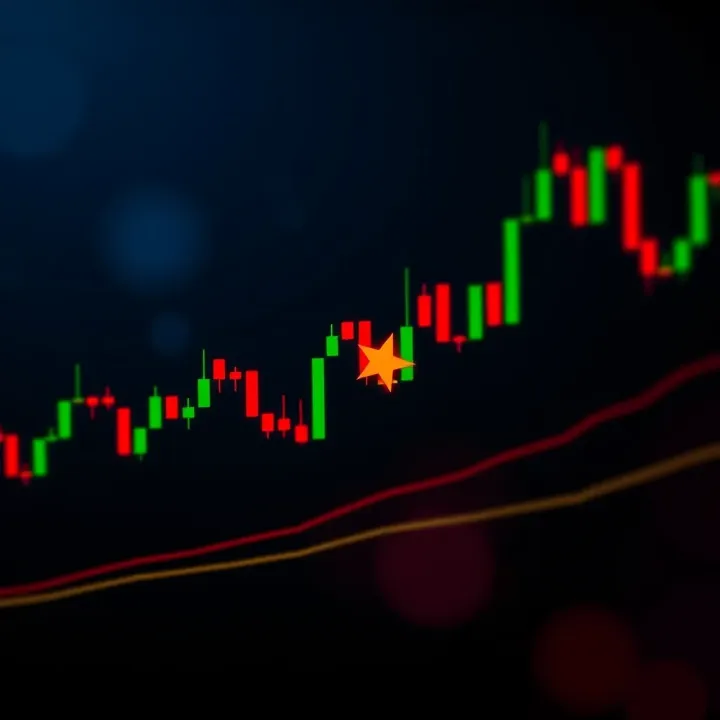
Understanding the shape and structure of each bearish pattern can equip you with the ability to predict price dips with more accuracy. Some common examples include the shooting star, evening star, and bearish engulfing candles. Each has unique features—for example, a shooting star has a small body near the day's low and a long upper wick indicating rejection of higher prices.
In practical terms, spotting these patterns during intraday trading or swing trading on platforms like Zerodha Kite or Upstox can help initiate sell orders or tighten stop losses. But keep in mind that false signals do occur—prices can continue rising even after bearish patterns. So, coupling candlestick analysis with RSI (Relative Strength Index), moving averages, or support and resistance levels improves your decision-making.
Bearish candlestick patterns are not guarantees but probabilities, offering clues about when selling pressure might increase.
Overall, learning these patterns can sharpen your trading strategy. Beyond theory, try practising on live charts or simulators before risking real money. This hands-on approach familiarises you with recognising patterns amid market noise and making timely decisions based on them.
Bearish candlestick patterns offer traders and investors a valuable window into potential downward moves in the market. Understanding these patterns can help you anticipate price declines, allowing timely decisions to sell or short-sell securities. Grasping the basics lets you spot early signs of weakness rather than relying solely on lagging indicators.
Bearish candlesticks represent sessions where selling pressure exceeded buying, indicating a possible drop in the asset's price. In technical analysis, these patterns are crucial because they signal shifts in market sentiment from optimism to pessimism. For example, when the Nifty 50 experiences a series of bearish candlesticks after a rally, it might signal a correction or reversal.
The key to their significance lies in their ability to visualize the battle between buyers and sellers during a trading period. When bearish patterns appear at resistance points or after extended rallies, they highlight that bears are gaining control, suggesting caution for long positions.
The main difference between bearish and bullish candlesticks is their colour and price movement direction. Bullish candles show a closing price higher than the opening price, usually coloured green or white, reflecting upward momentum. Bearish candlesticks, often red or black, close lower than they open, indicating sellers dominated.
This distinction matters since recognising bearish candles helps traders identify when downward pressure is mounting. For instance, a strong bearish candle following a bullish run can be an early warning that the uptrend is losing steam.
Each candlestick encapsulates four prices: the opening, highest, lowest, and closing during a set time frame—usually a day for Indian equity markets. The body illustrates the price range between open and close, while the wicks (or shadows) extend to the high and low.
Open, high, low, and close prices provide a snapshot of market activity. For example, a stock opening at ₹2,000, touching a high of ₹2,050, dipping to ₹1,980, and closing at ₹1,990 would form a candlestick that tells a story of selling pressure towards the close.
Wicks and bodies are useful for interpretation. Long upper wicks on a bearish candle show failed buying attempts, signalling potential weakness. Conversely, long lower wicks might indicate support levels where buyers step in. A small body with long wicks suggests indecision, while a large body confirms strong momentum.
Reading the body and wick lengths together helps you understand the intensity and sentiment behind price moves, essential for spotting reliable bearish signals.
In Indian markets, these candlestick features, combined with volume data, can help you assess whether the downtrend signalled by bearish patterns is likely to continue or fade. For example, a shooting star with high volumes at market peak levels often precedes a sharp price decline.
Mastering these basics sets the foundation for applying bearish candlestick knowledge effectively in your trading, helping you avoid costly mistakes and align your strategy with prevailing market moods.
Recognising common bearish candlestick patterns is vital for traders who want to anticipate downward movements and manage risks smartly. These patterns offer clear clues about market sentiment shifting from bullish to bearish, helping investors decide when to sell or short sell. In Indian markets like Sensex or Nifty, identifying these formations early can prevent losses during sudden downturns.

The Engulfing Bearish Pattern appears when a small bullish candlestick is followed by a larger bearish candlestick that fully covers the previous candle's body. The second candle 'engulfs' the first, signalling that sellers have taken control. For instance, in a rising Nifty 50 chart, spotting this near resistance levels often suggests a potential reversal.
This pattern indicates strong selling pressure and often marks the start of a downward trend. Traders use it as a warning to exit long positions or enter shorts, especially when confirmed by higher trading volume. It’s practical for timing trades around profit booking phases in volatile sessions.
The Dark Cloud Cover is identified when a bearish candle opens above the previous bullish candle’s close but closes below its midpoint. This closing below halfway signals waning buyer strength. For example, a stock listed on BSE might display this pattern after a rally, suggesting caution.
It often shows up after an uptrend, hinting at a possible reversal or pullback. Traders keen on Indian markets use the Dark Cloud Cover to anticipate short-term corrections, particularly during earnings seasons or amid news-triggered volatility.
The Evening Star forms through a three-candle sequence: a tall bullish candle, followed by a small-bodied star candle (which shows indecision), and then a bearish candle closing well into the first candle’s body. The Evening Doji Star is similar but features a doji as the middle candle, reflecting even stronger hesitation among buyers.
These patterns signal the exhaustion of buying momentum and often lead to a downtrend. Their presence near resistance levels confirms that bulls are losing grip. Indian traders can benefit by combining this signal with volume dips and RSI divergence for more reliable entries.
The Shooting Star has a small body at the lower end with a long upper wick, resembling a pin. It tells that buyers pushed prices high but sellers forced them down by the close. The Hanging Man flips this concept, appearing mostly after an uptrend with a small body and long lower wick.
The Shooting Star is a bearish reversal sign at the top of an uptrend, warning of potential selling pressure. The Hanging Man also signals weakness but requires confirmation since it can sometimes look like a normal retracement candle. Indian traders watch these patterns closely during festive seasons or IPO listing surges to time exits.
Understanding how these common bearish candlesticks behave offers traders practical tools to read market swings and act decisively in changing conditions.
Recognising bearish candlestick patterns is only half the battle; knowing how to use them effectively in trading decisions is what truly matters. These patterns provide clues about potential trend reversals or continuing downtrends. When combined with other market indicators, they help traders avoid false signals and time their trades better.
Pairing bearish candlestick pattern identification with volume and momentum indicators adds practical weight to trading calls. For instance, if a bearish engulfing pattern forms during rising volumes, this signal carries more credibility because increased selling pressure confirms the reversal hint. Momentum indicators like the Relative Strength Index (RSI) showing overbought conditions alongside a bearish pattern often anticipate a price retracement.
In the Indian equity markets, traders commonly watch such combinations on benchmark indices like the Sensex and Nifty 50. For example, a Dark Cloud Cover pattern appearing after a steady uptrend in Nifty, coupled with declining volumes, warns of weakening buying interest. When the RSI also dips below 70, many traders read this as a prompt to tighten stop-losses or consider short positions. These practical instances show how volume and momentum help validate bearish patterns.
Moving averages, RSI (Relative Strength Index), and MACD (Moving Average Convergence Divergence) complement bearish candlestick signals by offering trend direction, momentum, and potential reversal points. A bearish candlestick pattern coinciding with a crossover in MACD or a break below a key moving average strengthens the case for a downtrend. For example, if the price breaches the 50-day moving average right after an Evening Star pattern appears, it can reinforce the sell signal.
Relying on multiple confirmations reduces false alarms in trading. A single bearish pattern alone may mislead, especially in volatile or sideways markets. Combining signals from candlestick patterns with indicator readings forms a more robust strategy. Traders who wait for pattern confirmation through volume spikes or RSI drops tend to manage risk better and avoid premature entries. This layered approach favours disciplined trades backed by stronger evidence.
Combining bearish candlestick patterns with other technical indicators brings precision and helps filter out noise, resulting in smarter trading decisions.
In short, using bearish candlestick analysis in isolation is risky, but applying it alongside volume, momentum, and trend-following tools suits the dynamic nature of markets like India’s. It allows traders to spot credible downtrend opportunities and manage trades prudently, adapting to changing market conditions effortlessly.
Navigating bearish candlestick patterns requires more than just spotting shapes on a chart. Traders often stumble due to misinterpretation, especially in misleading market conditions or by relying too heavily on a single signal. Avoiding these common pitfalls improves the accuracy of trades and reduces losses.
False signals often arise when bearish patterns appear in sideways or low-volume markets. In such situations, price movements lack strong conviction, making a bearish candlestick less reliable as a sign of a genuine downtrend. For example, a Dark Cloud Cover pattern forming in a narrow trading range with minimal volume might fail to trigger a significant drop. This leads traders into premature sell decisions based on weak evidence.
Contextual analysis is essential to filter out these misleading signals. Observing accompanying factors like volume, broader price trends, and market sentiment helps to confirm whether a bearish pattern signals a real reversal or just temporary fluctuation. For instance, a Shooting Star combined with rising volume and declining momentum in a stock from the Nifty 50 index adds weight to the bearish signal, making it more actionable.
Relying solely on a single bearish candlestick pattern for trading decisions exposes one to higher risks. Patterns like the Evening Star or Bearish Engulfing signal potential reversals, but they can sometimes fail, especially if not supported by other indicators. An isolated pattern without support from indicators like the Relative Strength Index (RSI) or moving averages may produce false alarms, causing unnecessary stop-losses or missed opportunities.
A balanced strategy combines candlestick signals with other technical analysis tools. Confirming a Bearish Engulfing pattern with an RSI indicating overbought conditions or a Moving Average Convergence Divergence (MACD) crossover strengthens the likelihood of a downward move. This multi-layered approach helps Indian traders reduce false entries and manage risk better, leading to more consistent outcomes.
Always remember: Candlestick patterns are signals, not guarantees. Use them alongside volume and momentum tools to make informed trading choices.
Indian markets often experience sharp swings in volatility and variable trading volumes, especially during festive seasons or earnings releases. Such fluctuations can affect the reliability of bearish candlestick patterns. High volatility may cause sudden price gaps or erratic movements, making some patterns appear more frequently but with less predictive power. Traders must, therefore, observe volume alongside candlestick formations to judge if the bearish signal has backing. Low volume during a bearish pattern might signal a weaker trend or false breakout.
The interplay between volatility and volume becomes especially relevant around quarterly results or RBI policy announcements. For example, a Dark Cloud Cover pattern on the Sensex following a lacklustre quarterly earnings season may gain more weight if volumes surge, indicating genuine selling pressure rather than random noise.
Indian benchmarks like the Sensex and Nifty provide good case studies where bearish candlestick patterns have historically indicated trend reversals or short-term pullbacks. In 2023, for instance, an Evening Star pattern appeared on the Nifty after it ran up excessively during the first half of the year. This bearish reversal signal coincided with global inflation concerns and prompted many traders to re-evaluate long positions. Notably, the pattern was confirmed by steady volumes and a drop in the Relative Strength Index (RSI), which strengthened its credibility.
Such examples underscore the importance of combining pattern recognition with contextual analysis. Understanding sector-specific factors, fiscal year-end activities, and global cues can help Indian traders interpret bearish signals more effectively.
Placing stop-loss orders based on key levels from bearish candlestick patterns is essential to protect against unexpected reversals. For instance, after spotting a Shooting Star on a stock chart, many traders place a stop-loss just above the high of the candlestick. This method limits losses if the market moves against the anticipated downward trend.
This stop-loss placement must also consider the stock's usual volatility and support zones. Tight stops in a choppy market might trigger premature exits, while too loose stops can increase risk unnecessarily. Indian traders frequently use average true range (ATR) to set stop distances dynamically, accommodating fluctuating Indian market conditions.
Position sizing according to the reliability of the bearish pattern helps in optimising returns with controlled risk. Strong, well-confirmed patterns such as Engulfing Bearish with rising volumes deserve larger positions, whereas ambiguous or low-volume patterns may warrant smaller trades. This approach is especially relevant for freshers or retail traders who want to avoid large drawdowns.
In practice, if a pattern appears on a blue-chip stock like Reliance Industries Ltd with significant confirmation, a trader might allocate more capital than for the same pattern on a mid-cap stock prone to erratic moves. Tailoring position size helps manage portfolio risk efficiently and supports longer-term trading success.
Combining candlestick pattern signals with proper risk management strategies can significantly boost the chance of consistent trading profits in Indian markets.
By adapting bearish candlestick analysis to local market nuances and risk disciplines, Indian traders can navigate downturns with greater confidence and control.
Learn to spot the strongest candlestick patterns 📊 for better timing and accurate trading decisions. Boost your strategy with proven price signals today!
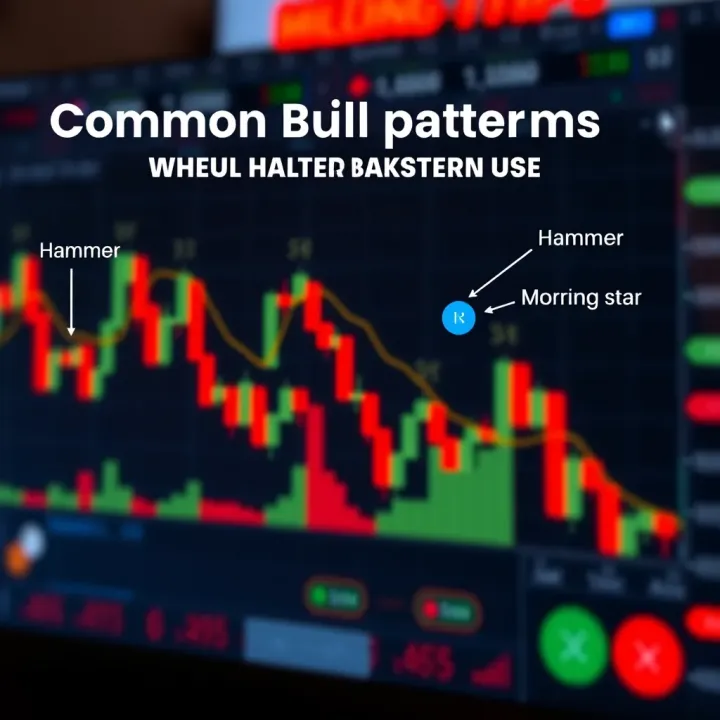
📈 Learn the most used candlestick patterns in trading to read market behavior, spot trends, and manage risks effectively for smarter trading decisions.

📈 Learn to read candlestick patterns effectively with practical tips tailored for Indian traders. Boost your trading decisions with clear insights and key patterns!

📈 Discover the most accurate candlestick patterns used by Indian traders to spot reliable signals and enhance your trading decisions with real market examples.
Based on 12 reviews