

Complete Guide to Candlestick Patterns with Hindi PDF
📊 Master key candlestick patterns for stock & forex trading in Hindi. Includes bullish & bearish types, plus a handy PDF download for easy learning & reference.
Edited By
George Mitchell
Understanding how to read candlestick patterns is crucial for anyone active in the stock market here in India. These patterns offer a visual insight into investor sentiment and price action, helping traders and investors alike make more informed decisions.
Candlestick charts display the open, high, low, and close prices of a stock within a specific time frame, using coloured bars called ‘candles’. Each candle tells a story about the battle between buyers and sellers during that period. Recognising and interpreting these patterns quickly can give you an edge when predicting potential market movements.
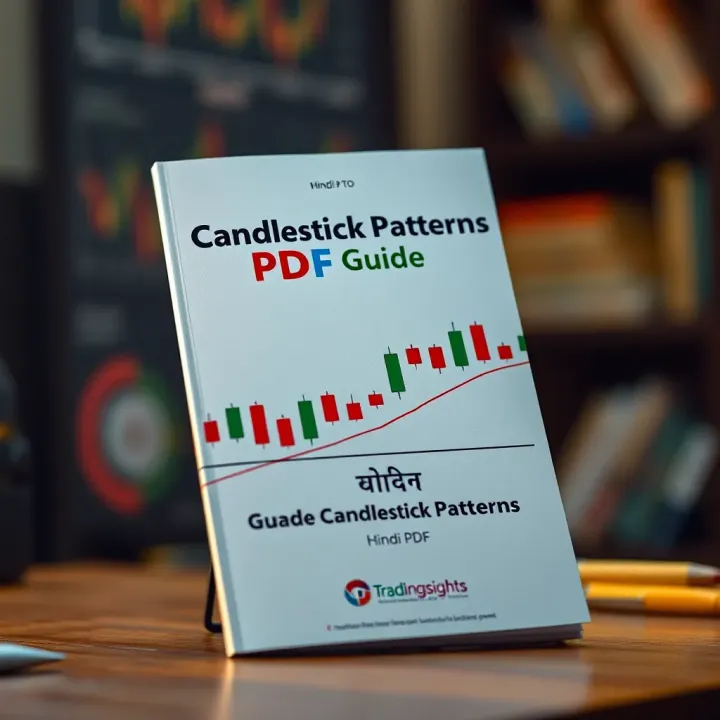
Here’s why candlestick patterns matter:
Visual clarity: Unlike line charts showing just closing prices, candlesticks reveal more detailed price behaviour.
Signal reversals: Patterns like the "Hammer" or "Shooting Star" can hint at possible reversals in trends.
Confirm trends: Patterns such as the "Bullish Engulfing" can confirm a continuing upward move.
Improve timing: They help you decide when to enter or exit trades instead of relying solely on indicators.
For instance, imagine you notice a Doji candlestick forming after a strong price rise in Reliance Industries. This small-bodied candle with its open and close nearly equal signals indecision, warning that the rally might be losing steam. Spotting such signs early is valuable.
Remember: Candlestick analysis works best combined with other tools like volume analysis, moving averages, or RSI to avoid false signals.
This article also provides a downloadable Hindi PDF summarising the most important candlestick patterns. It’s designed to be your quick reference, especially if you prefer learning in Hindi or want a handy offline guide.
In the following sections, we'll break down popular candlestick formations, explain their meanings, and show you how to spot them in real charts. Whether you're a beginner starting out or an analyst refining your skills, this guide aims to equip you with practical, actionable knowledge for smarter investing in the Indian stock markets.
Grasping candlestick patterns is essential for anyone serious about stock market trading or analysis. These patterns reveal underlying market dynamics by visually summarising price action within specific time frames. Understanding their structure and signals helps traders make informed decisions rather than relying solely on guesswork.
A single candlestick represents four crucial data points: open, high, low, and close prices within a chosen time frame. The thick part, called the body, shows the range between open and close, while the thin lines extending above and below — the wicks or shadows — indicate the highest and lowest prices reached.
For example, if a daily candlestick shows an open price at ₹1,000 and a close at ₹1,050, the body will reflect this ₹50 upward movement. The high and low wicks also provide clues about intraday volatility. This simple visual gives an immediate snapshot of market activity, helping traders swiftly evaluate price trends.
Bullish candlesticks occur when the closing price is higher than the opening price, signalling buying pressure. Such candles often appear green or hollow in charts. Bearish candles, coloured red or filled, indicate closing below the opening price, meaning sellers dominated during that period.
Recognising this difference is vital. For instance, a long bullish candle after a series of bearish ones might point to a possible trend reversal or strong buying interest, informing traders whether to enter or exit positions. This simple colour cue greatly assists real-time decision-making.
Candlestick charts operate on various time frames — minutes, hours, days, or weeks. The significance of a pattern can shift depending on this choice. For example, a hammer candle on a 5-minute chart signals a brief reversal, but on a daily chart, it carries more weight, implying a stronger market sentiment shift.
Traders must align candle time frames with their strategies. Day traders focus on short intervals like 15-minute candles, while long-term investors find daily or weekly candles more practical. Mixing time frames without context often leads to confusion and poor trades.
Candlestick patterns reflect how buyers and sellers interact and give clues about market sentiment. A pattern showing repeated bullish candles hints at optimism, while consecutive bearish candles reveal caution or fear.
Take the shooting star pattern, often signalling a possible downturn after a rise. Spotting this early helps traders protect profits or avoid losses by adjusting their positions promptly.
Certain patterns can hint at where prices might head next. For example, a bullish engulfing pattern, where a large green candle fully covers the previous red candle, often suggests a price rise. Traders use these cues to time entries and exits effectively.
That said, no pattern guarantees outcomes, but combining them with volume data or support-resistance levels strengthens predictions. This approach sharpens trading accuracy beyond random speculation.
Compared to simple line or bar charts, candlestick charts pack more information in a cleaner format. They emphasise psychological aspects, like indecision or momentum, through body size and wick length.
For example, a long wick on top of a candle may indicate sellers pushed prices down after buyers’ initial strength—details missing in line charts. This makes candlestick charts particularly useful in fast-moving Indian equity markets where quick insights matter.
Understanding these patterns and their context helps traders make smarter, faster decisions, improving their chances of success in markets as volatile as India’s Sensex or Nifty.

By learning to read candlestick charts and interpreting their signals correctly, you can better navigate price actions, manage risks, and spot emerging trends before others do.
Single candlestick patterns are fundamental for traders and investors because they offer quick insights into market sentiment and potential price reversals. Unlike complex formations, these patterns consist of just one candlestick, making them easier to spot on charts and fast to interpret. Knowing these patterns can help you decide when to enter or exit a trade with better timing, especially in volatile markets.
For example, recognising a single hammer or doji can often signal a market pause or a turnaround. This awareness helps reduce guesswork and improves confidence in trading decisions, making single candle patterns valuable tools even for beginners.
The Hammer and Hanging Man look quite similar: a small body near the top of the candlestick, with a long lower shadow that's at least twice the length of the body. But their differences lie in the previous price action and position. A Hammer appears after a downtrend and signals a potential bullish reversal, while a Hanging Man shows up after an uptrend, warning of a possible bearish reversal. The colour of the body (green or red) is less important than the shape and context.
Traders pay close attention to the length of the shadow, as it shows strong buying pressure overcoming earlier selling (in the case of the Hammer). On the other hand, the Hanging Man's long shadow suggests selling pressure that could lead to a pause or reversal.
When a Hammer forms at the end of a downtrend, it often means bulls are stepping back into the market. However, confirmation with the next candle closing higher adds weight to this signal. For instance, if a stock has been falling for days and then forms a Hammer near a key support level, it may soon bounce back.
Conversely, a Hanging Man detected at the peak of an uptrend sends a cautionary note. It implies sellers are starting to challenge the buyers, potentially foreshadowing a price drop. Traders usually wait for confirmation, such as a bearish candle following the Hanging Man, before acting.
Both these patterns rely heavily on context. Using them alone without considering volume or nearby support/resistance can lead to false signals.
Doji candlesticks have almost equal opening and closing prices, resulting in a very small or non-existent body. There are several types of Doji patterns, including:
Standard Doji: A simple cross shape showing indecision.
Dragonfly Doji: Long lower shadow with the opening and closing prices near the high, often signalling possible bullish reversal.
Gravestone Doji: Long upper shadow with the opening and closing near the low, hinting at bearish reversal.
Long-Legged Doji: Long shadows both ways indicating extreme indecision.
Each type provides clues about market direction, but the key is spotting them at the right price level.
Doji patterns reflect a tug-of-war between buyers and sellers; neither side gains clear control, so this indecision often precedes a shift in trend. When a Doji appears after a clear uptrend, it may warn of diminishing bullish momentum. After a downtrend, it can signal sellers losing strength.
For example, in the Indian stock market, spotting a Dragonfly Doji near a known support like ₹1,200 on the Nifty 50 may suggest a rally is around the corner. But similar to other single candlesticks, confirmation is usually needed. Waiting for subsequent price action reduces the chances of being misled by mere temporary uncertainty.
In summary, understanding key single candlestick patterns like Hammer, Hanging Man, and the various Doji forms equips you to read market moods better. These patterns offer actionable signals to fine-tune your trading strategy with clearer buy or sell cues.
Multiple-candlestick patterns offer richer insights than single candles, as they capture the interplay of market forces over several trading sessions. Understanding these patterns helps traders identify potential trend reversals or continuations with more confidence. For example, a single bullish candle might hint at optimism, but an engulfing pattern—a two-candle formation—shows stronger conviction as one candle fully covers the other.
Engulfing patterns come in two flavours: bullish and bearish. A bullish engulfing occurs when a small red candle is followed by a larger green candle that completely covers the previous one. This suggests buyers have taken control, potentially signalling an upward move. Conversely, a bearish engulfing pattern appears when a small green candle is engulfed by a larger red candle, indicating sellers might drive prices down.
For instance, in the last week of trading, if the Nifty 50 showed a bearish engulfing pattern after a rally, traders would watch this closely for a possible correction. Recognising these patterns helps in gauging shifts between bulls and bears effectively.
These patterns generate useful trading signals because they reflect strong shifts in market sentiment. A bullish engulfing pattern near a support level might encourage traders to enter long positions, expecting further rises. Similarly, noticing a bearish engulfing at resistance could warn traders to book profits or set stop-losses to limit losses.
That said, engulfing patterns shouldn’t be the sole basis for trading. Confirming with volume spikes or support/resistance levels makes decisions more reliable. Often, the volume during the engulfing candle is higher, reinforcing the strength of the signal.
The Morning Star and Evening Star patterns consist of three candles each and signal strong trend changes. The Morning Star arises after a downtrend with a large red candle, followed by a small-bodied candlestick (which could be red or green), and then a strong green candle. This formation indicates a potential bullish reversal.
The Evening Star is its bearish counterpart. It starts with a big green candle, then a small-bodied candle, and ends with a strong red candle, suggesting a trend reversal to the downside. These patterns are reliable when they appear near key support or resistance zones.
Identifying Morning or Evening Stars helps with timing entries and exits. For example, spotting a Morning Star at the bottom of a correction on the Sensex might prompt traders to start buying or add to existing positions. Conversely, an Evening Star near recent highs could be a cue to sell or tighten stop-losses.
To use these patterns well, combine them with indicators like RSI or moving averages. If the RSI shows oversold conditions along with a Morning Star, the bullish reversal becomes more trustworthy. Similarly, an Evening Star appearing with an overbought RSI strengthens the bearish case.
Multiple-candlestick formations provide more reliable signals than single-candle analysis by capturing detailed shifts in buying and selling pressure over time. Incorporating these patterns into your strategy will improve your trade timing and risk management.
By recognising common patterns such as engulfing candles and star formations, traders and investors can make better-informed decisions, especially in volatile Indian markets where timely signals often make a big difference.
Candlestick patterns are more than just visual clues; they help traders make decisions based on the price behaviour of stocks, commodities, or currencies. However, relying only on these patterns can sometimes mislead you because markets are influenced by multiple factors. Practical trading, therefore, involves combining candlestick signals with other technical indicators and considering the broader market environment to improve the chances of success.
Support and Resistance Levels
Support and resistance levels mark price points where the market tends to halt or reverse. When a bullish candlestick pattern forms near a known support level, it strengthens the case for a possible upward move. For instance, if a hammer candle appears near ₹1,500 support in a stock, it signals buyers stepping in. Conversely, bearish patterns near resistance levels suggest sellers might push prices down. Using these levels with candlestick patterns offers clearer entry and exit signals.
Volume Analysis
Volume shows the number of shares or contracts traded during a particular time. Volume analysis tells you whether a candlestick pattern has strength behind it. Imagine spotting an engulfing pattern but with low volume; the signal might not be reliable. But if the same pattern occurs with a surge in volume, it indicates strong participation by traders. Volume confirms the conviction of buyers or sellers and helps avoid false signals caused by light trading.
Moving Averages
Moving averages smooth out price data to identify trends. Combining candlestick patterns with moving averages like the 50-day or 200-day moving average helps you trade in the direction of the bigger trend. For example, spotting a bullish morning star pattern above a rising 50-day moving average suggests the uptrend may continue. On the other hand, a bearish pattern below a declining moving average warns of potential downtrend continuation. This coordination improves trade timing and risk management.
Ignoring Market Context
Candlestick patterns don't exist in isolation. Ignoring factors such as overall market trend, economic news, or sector performance can lead you astray. For example, a bullish pattern during a strong market downturn may not perform as expected. Always check the wider context before acting on a pattern. Market sentiment and macroeconomic conditions influence whether a pattern signals a real reversal or just a temporary pause.
Overreliance on Single Patterns
No pattern guarantees success every time. Blindly trusting a single candlestick formation without combining it with other analysis increases risk. For instance, a doji candle alone shows market indecision but doesn’t say where the price will move next. Using multiple patterns or confirming signals from other indicators reduces false positives. Smart traders develop a habit of confirming patterns with volume, trend analysis, or RSI before entering a trade.
Candlestick patterns provide valuable insights but are best used as part of a larger toolkit to trade with more confidence and fewer surprises.
This practical approach to using candlestick patterns helps you make informed decisions, manage risks better, and improve trading outcomes, especially in the Indian markets where volatility and news impact can be high.
Getting hold of a Hindi PDF on candlestick patterns makes the learning process much smoother for Hindi-speaking traders and investors. When you study technical analysis, grasping concepts fast and clearly helps with quick decisions in the market. A guide in your native language removes barriers, making it easier to spot key patterns without constantly translating or guessing meanings.
Many traders find it challenging to fully understand candlestick terms and their nuance if they're presented only in English. By having a resource in Hindi, complex ideas like "Doji" candlesticks or "Engulfing Patterns" become more accessible. For example, beginner investors from small towns often skip learning technical patterns simply because explanations in English feel overwhelming. A Hindi guide bridges this gap, allowing them to grasp market sentiment concepts with more confidence.
Quick identification of candlestick patterns is vital in active trading, where timing is everything. A well-structured Hindi PDF aids rapid recall, especially during market hours. Suppose you see a Hammer candle forming early morning on the Nifty 50 chart; referring to a Hindi guide quickly confirms what action you should take. This speed can prevent missed opportunities and reduce hesitance caused by language hurdles.
Always download your Hindi candlestick PDF from reliable websites or platforms to avoid outdated or incorrect information. SEBI-registered educational portals, reputed stock market trainers with verified credentials, or official broker websites often provide genuine resources. For instance, platforms like Zerodha Varsity or NCFM-approved websites usually share updated content tailored for Indian markets, ensuring accuracy and relevance.
Downloading is straightforward: you simply visit the selected trustworthy site, locate the Hindi PDF section, and click the download button. It’s best to save the file on your mobile or laptop for offline access during trading. Regularly referring to the guide should become part of your routine—before market hours or during trade breaks. Highlight key patterns and keep notes in the PDF itself to personalise learning, which helps reinforce memory.
Having a handy Hindi PDF guide gives traders a practical tool for clear, fast understanding and better market decisions—especially when every second counts in trading.
📊 Master key candlestick patterns for stock & forex trading in Hindi. Includes bullish & bearish types, plus a handy PDF download for easy learning & reference.

📊 Learn candlestick chart patterns in Hindi with this practical guide! Understand basic to advanced signals for smart trading decisions. Get reliable PDF resources too.

📊 Understand key candlestick chart patterns with detailed analysis and practical tips. Get a handy PDF guide to master technical trading effectively. 📈
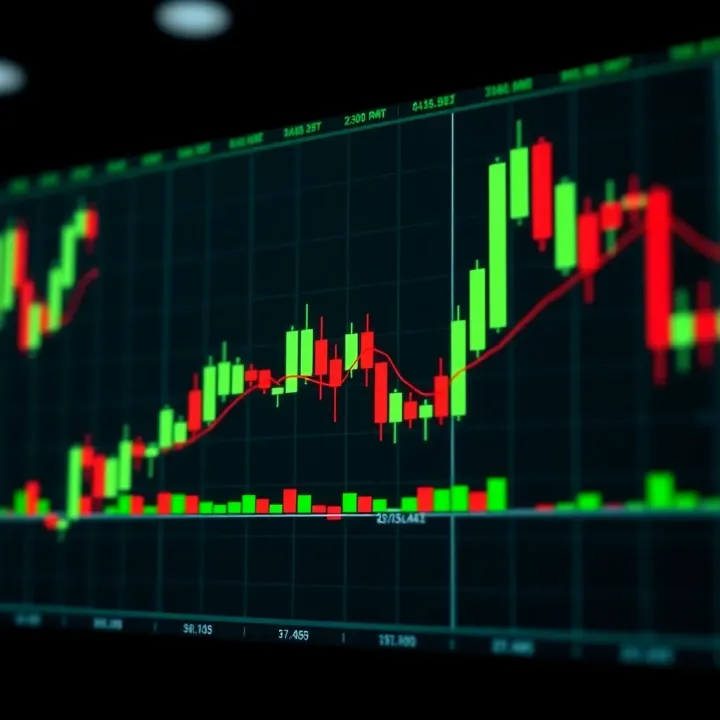
📈 Master 35 key candlestick patterns for stock trading in Hindi! Understand market trends and download the Hindi PDF guide for quick, practical reference.
Based on 12 reviews