

Powerful Candlestick Patterns Guide with PDF
Discover powerful candlestick patterns 📈 key for stock & forex trading. Learn to spot market sentiment, avoid errors & access a handy PDF guide 📄.
Edited By
George Mitchell
Candlestick patterns form the backbone of technical analysis, helping traders read price movements visually to make smarter investment decisions. These patterns represent the battle between buyers and sellers and often hint at what market direction might follow. For investors and beginners especially, understanding these candlestick signals offers an edge in timing trades effectively.
This guide covers 35 important candlestick patterns that frequently appear on charts for stocks, commodities, and currencies. Learning to identify patterns like the Hammer, Doji, Engulfing, or Morning Star can improve your ability to spot trend reversals or continuations in real time. For instance, a Bullish Engulfing pattern after a downtrend often signals a potential upward movement, giving traders a chance to enter early.
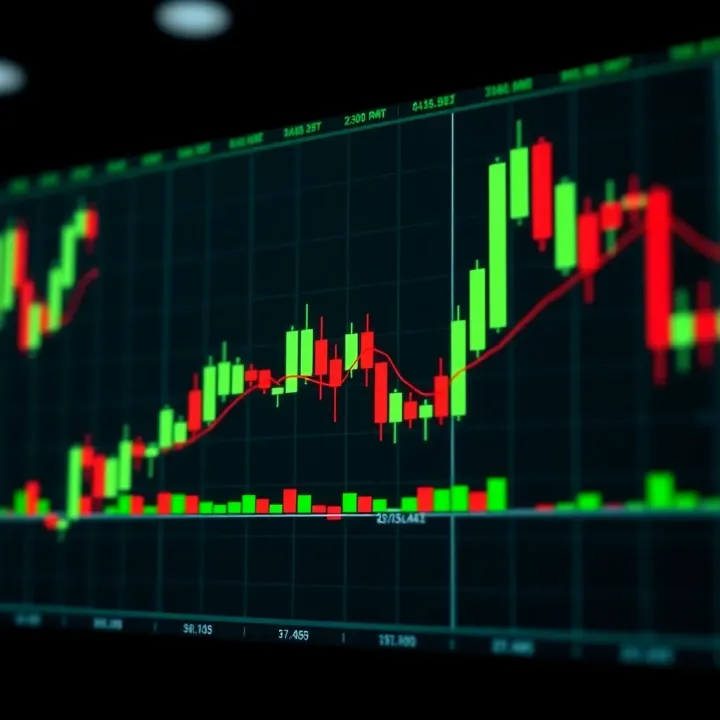
Remember, no single pattern guarantees market moves, but recognising them increases your probability of making profitable decisions when combined with volumes and other indicators.
The Hindi PDF resource available with this guide offers a handy reference you can keep on your phone or print out. Having these patterns explained in Hindi helps many Indian traders grasp concepts faster without language barriers. Plus, the PDF lays out patterns alongside examples and tips on practical use in everyday trading scenarios.
Some notable patterns to note include:
Hammer and Hanging Man: Signals potential reversals depending on the preceding trend.
Doji: Indicates indecision and possible market turning points.
Engulfing Pattern: Shows strong shifts in momentum between buyers and sellers.
Morning Star and Evening Star: Three-candle setups pointing to bullish or bearish reversals.
By focusing on these candlestick signals, you can sharpen your chart reading without relying purely on lagging indicators. This works well with trading platforms popular in India such as Zerodha Kite or Upstox, where real-time charts make pattern recognition practical.
Understanding these 35 patterns in detail, especially with examples in Hindi, equips you to trade stocks with more confidence. It bridges the gap between theory and application in India’s dynamic markets, which can behave differently from global ones due to volatility, news, and investor sentiment. Start training yourself to see these patterns regularly for better entry and exit points in your trading journey.
Understanding candlestick patterns is essential for anyone serious about stock trading. These patterns provide a visual summary of price action, helping traders gauge the market mood at a glance. Unlike raw price numbers, candlesticks convey not just the direction but also the strength and hesitation present during trading. For instance, spotting a hammer pattern might indicate a possible trend reversal—a handy insight before making a buy or sell call.
Definition and origin of candlestick charts: Candlestick charts originated in Japan during the 18th century when a rice trader named Munehisa Homma developed the method to track rice prices. This visual approach soon caught on because it combines crucial price information into simple bars or candles. Each candle represents price movement for a specific time period (like one day). The pattern of many candles together tells a story about supply and demand in the market.
Components of a candlestick: body, wick, colour: Each candlestick has three main features—the body, the wick (or shadow), and the colour. The body shows the opening and closing price. If the close is higher than the open, the candle is typically green or white, indicating bullish sentiment. If the close is lower, the candle is red or black, marking bearish sentiment. Wicks show the price extremes during the period. For example, a long upper wick with a small body could signal selling pressure at higher levels.
Comparison with other chart types: Compared to line charts, which simply connect closing prices, candlestick charts show much more information about market behaviour within the time frame. Bar charts offer similar data but are less visually intuitive. Candlestick patterns help traders quickly spot reversals, continuations, or indecision in the market. This advantage is why they remain a favourite among both beginners and veterans.
Role in identifying market sentiment: Candlestick patterns act as the market’s language, revealing whether bulls or bears are controlling the price. For example, a Doji—a candle with nearly equal open and close—signals indecision among traders. Detecting such patterns helps traders avoid jumping into the market during uncertain times.
Predicting price movements: While no tool guarantees results, many candlestick patterns have proven useful in predicting short-term price movements. Patterns like engulfing or morning star often precede trend changes, allowing traders to enter or exit positions with better timing.
Candlestick patterns alone are a piece of the puzzle; combining them with volume and support levels strengthens decision-making.
Use in Indian stock markets: Candlestick analysis suits Indian markets well, given the availability of real-time data on platforms like NSE and BSE. Indian traders increasingly rely on these patterns, especially during volatile phases such as budget announcements or monsoon impacts on agricultural stocks. Adding knowledge of these patterns can improve your entry and exit strategies in Indian equities.
By mastering candlestick basics, you equip yourself with a practical visual tool that complements fundamental analysis and technical indicators in the Indian context.
Candlestick patterns are essential tools in analysing price action, and every trader should be familiar with the main types. These patterns help in decoding market psychology, indicating potential reversals or continuations. Being able to spot them quickly improves decision-making, especially in fast-moving Indian stock markets like NSE and BSE. Let's explore the key candlestick patterns by their classifications: single-candle, double-candle, and multiple-candle patterns.
A Doji forms when the opening and closing prices are almost equal, producing a nearly flat candlestick body with long wicks. This pattern signals indecision among traders. For example, after a strong upward trend, a Doji suggests the buying momentum is weakening. But alone, it does not guarantee a reversal—confirmation from subsequent candles or volume helps.
Both look quite similar but appear in different contexts. A Hammer forms after a downtrend with a small body near the top and a long lower wick, indicating buyers pushed prices up despite early selling pressure. It often signals a bullish reversal. Conversely, the Hanging Man appears after an uptrend with the same shape but suggests potential bearish reversal because it shows selling pressure creeping in despite the price staying high.
The Shooting Star has a small body near the day's low and a long upper wick. It appears after an uptrend and points to a possible reversal as buyers failed to sustain higher prices, and sellers took control briefly. For traders, spotting Shooting Stars at resistance levels often suggests caution before entering fresh long positions.

This candlestick has a small body centered between long upper and lower wicks, signalling market indecision. When seen in a trend, it can denote a pause or potential reversal. In the Indian context, during volatile sessions from corporate results or RBI announcements, Spinning Tops hint traders are unsure where price will go next.
An Engulfing pattern requires two candles: the second entirely covers the first’s body. A Bullish Engulfing after a downtrend suggests buying strength returning, while a Bearish Engulfing post uptrend warns of selling pressure. Such patterns carry more weight when backed by increased volume, common during major events like policy changes.
These consist of two candles with matching highs (Tweezer Tops) or lows (Tweezer Bottoms). They indicate an attempted price test failing twice at the same level, implying a strong resistance or support zone. For instance, in Indian markets, spotting Tweezer Tops near the Sensex’s key resistance can flag a likely pullback.
In a Harami, a large candle is followed by a smaller one fully contained within the previous candle’s body. It signals reduced momentum and potential reversal. Especially in volatile stocks, Haramis suggest traders to watch for confirmation before committing.
The Morning Star signals bullish reversal and consists of three candles: a large bearish candle, a small indecisive one, followed by a bullish candle closing well inside the first candle’s body. The Evening Star is its bearish counterpart. These patterns give strong clues about changing sentiment after sustained trends.
Three White Soldiers are three consecutive long bullish candles showing continuous buying strength, often forming after consolidation phases. Conversely, Three Black Crows are three successive bearish candles indicating continuous selling. These patterns are significant in intraday or swing trading setups for Indian stocks or derivatives.
These are continuation patterns showing temporary pullbacks and resumption of trend. Rising Three Methods have three small bearish candles within two large bullish candles, indicating buyers kept control. Falling Three Methods are the bearish mirror. Spotting these helps traders avoid false exits in trending markets.
Knowing these core candlestick patterns sharpens your ability to anticipate market moves rather than guess. Especially when used with volume and support/resistance, they become reliable signals for trading in India’s dynamic markets.
Understanding these types arms you with a foundational toolkit for better trade timing and risk management.
Candlestick patterns provide quick hints about market sentiment, but using them right means combining their signals with other factors. Relying on just the pattern often leads to error, so effective use involves confirming those signals through volume analysis, moving averages, and support-resistance lines. This practical approach gives a more reliable perspective on price movements and trend strength.
Volume analysis is a straightforward yet powerful way to validate candlestick patterns. For example, a bullish engulfing pattern gains weight if accompanied by higher-than-usual trading volume. It shows real demand pushing prices up. In contrast, a similar pattern with low volume might signal a weak or false move. Volume confirms whether market participants actually support the direction suggested by the candlestick.
Moving averages smooth out price action and help pinpoint trend direction. When a bullish candlestick pattern forms near a rising moving average — say the 50-day line — it suggests alignment with the overall uptrend. Conversely, a bearish pattern appearing below a declining moving average adds confidence to a potential downtrend. Traders often look at crossovers, such as the 20-day crossing above the 50-day average, combined with candlestick patterns to spot entry or exit points.
Support and resistance levels are key price zones where markets usually pause or reverse. A hammer candlestick near a strong support level, for instance, signals potential bullish reversal. This combination matters more than the hammer alone. If volume confirms the bounce at support, chances of a sustained move increase. Similarly, a shooting star near resistance is a warning of upcoming selling pressure, especially if confirmed by previous price action.
Overreliance on patterns alone is a frequent pitfall. Candlesticks show short-term psychology but do not guarantee future price action. Ignoring other technical indicators or fundamental news can cost dearly. For example, a doji pattern signalling indecision can be overturned by unexpected earnings announcements or policy changes affecting stocks.
Ignoring market context reduces accuracy of the patterns. Trends vary across timeframes—what looks like a reversal on a daily chart might just be a minor pullback on weekly data. Indian stock markets react differently during festive seasons or budget announcements; neglecting these events can produce false conclusions.
Misreading false signals occurs when traders do not distinguish between strong and weak patterns. A lone spinning top might not mean much without confirmation from volume or trend direction. Similarly, patterns formed during low liquidity periods, such as lunch hours, should be treated cautiously. Recognising these subtleties improves trading success.
Using candlestick patterns effectively demands combining them with other indicators and understanding market environment. This reduces false signals and helps spot genuine trading opportunities more confidently.
Having a Hindi PDF guide for 35 key candlestick patterns offers practical advantages for traders, especially those more comfortable with Hindi. The PDF serves as a handy reference that you can quickly consult while analysing charts, making trading decisions more informed and timely. Unlike sporadic online articles, the PDF consolidates all essential patterns in one place, saving you from jumping between multiple sources.
The PDF is organised methodically to help traders grasp patterns without feeling overwhelmed. Each pattern is presented with a clear diagram, an example of its appearance on a real chart, and a straightforward explanation of its significance. This step-by-step layout lets you progress from simple single-candle signals to more complex multi-candle formations smoothly.
The design uses clean fonts and intuitive colours to highlight bullish and bearish signals, which aids visual learning. For instance, bullish patterns might be marked in green shades while bearish ones use red, helping reinforce the concept even at a glance.
Since the content is fully translated into Hindi, it breaks down barriers for traders who find English technical jargon challenging. The explanations avoid unnecessary technical terms and use everyday Hindi, making the patterns accessible for freshers or small-town traders.
Furthermore, examples often refer to well-known Indian stocks or indices such as Sensex and Nifty to ground learning in familiar market contexts. This makes the PDF not just a language translation but a culturally adapted educational tool.
Trustworthy downloads are available from reputable Indian financial education platforms and trader forums. Avoid random websites that might offer outdated or inaccurate PDFs, as erroneous information can lead to costly mistakes.
Look for sources affiliated with SEBI-registered educators or official stock market training portals. These places ensure the PDF is regularly updated in line with market changes and trading regulations.
Downloading the PDF usually involves a simple registration on the chosen platform, often free or for a small fee. After registering, you'll receive a direct download link, which you can open on your mobile or computer.
Once downloaded, keep the PDF handy on your mobile during market hours or save it offline for study anywhere, anytime. You can highlight patterns or make notes digitally. Using the PDF alongside charting platforms like Zerodha’s Kite or Upstox will help reinforce pattern recognition in live trading.
Having reliable, easy-to-understand resources like this Hindi PDF can significantly reduce learning time and avoid common trading errors related to misreading candlestick patterns.
By regularly referring to this guide, Hindi-speaking traders can better navigate India’s stock market, make confident decisions, and sharpen their technical analysis skills effectively.
Understanding candlestick patterns can give you a practical edge when trading stocks, especially in the fast-paced Indian markets. This final section sums up the key benefits of mastering these patterns and offers clear strategies to keep improving your skills.
Candlestick patterns reveal market sentiment at a glance. They help you spot potential reversals or trend continuations before price movements become obvious in other chart types. For example, recognising a hammer pattern after a downtrend may suggest a bullish reversal, signalling a good buying opportunity. This kind of insight supports smarter entry and exit decisions, which can save you from losses or help you lock in profits. Moreover, these patterns work well alongside technical indicators like moving averages or volume data, enriching your overall analysis.
By consistently using candlestick analysis, you develop an instinct for market moods—whether buyers are dominating or sellers are gathering strength. This skill can be especially helpful during volatile times, such as during earnings seasons or around RBI policy announcements, where price action often turns tricky to read.
Practice with demo trading platforms: Demo accounts provided by Indian brokers or platforms like Zerodha’s Kite or Upstox allow you to apply candlestick knowledge without risking real money. You can test different patterns in simulated market conditions and see how they interact with volume or support levels.
This hands-on experience is crucial for understanding the nuances of pattern interpretation. For instance, practising spotting a bearish engulfing pattern in the demo mode can help you identify when it truly signals a downtrend versus when the market quickly recovers instead. Gradually, this builds confidence and sharpens decision-making.
Joining trader forums and communities: Interacting with fellow traders on platforms like TradingView India or dedicated WhatsApp groups exposes you to varied perspectives. Many members discuss specific candlestick setups seen in Nifty or Sensex stocks, sharing real-time analyses.
Such engagement helps you avoid common mistakes and adapts your strategy to evolving market conditions. Moreover, reading others’ successes and failures makes your learning faster and less isolated.
Regularly updating knowledge with new patterns: Financial markets and trading techniques evolve, so it's smart to keep up with newly identified candlestick patterns or modifications to existing ones. Resources like SEBI reports, reputed Indian trading blogs, and market analysis newsletters often highlight these updates.
Additionally, attending webinars or workshops on technical analysis refreshes your knowledge and introduces you to fresh strategies. This continuous learning ensures your trading remains relevant, especially when market dynamics shift after events like budget announcements or geopolitical developments.
Remember, candlestick patterns alone won’t guarantee success—they are tools to aid your analysis. Combining them with practice, community insights, and ongoing learning will give you a stronger foundation to navigate the markets confidently.
Discover powerful candlestick patterns 📈 key for stock & forex trading. Learn to spot market sentiment, avoid errors & access a handy PDF guide 📄.

📈 Learn to spot momentum candlestick patterns and boost your trading skills with easy-to-use PDF guides. Perfect for traders wanting smart market moves! 📊

📈 Master candlestick patterns with this detailed guide! Learn key charts, strategies & get PDF resources to boost your trading skills in India. 📊

📈 Learn how combining multiple candlestick patterns can improve your trading decisions. Discover key patterns, avoid common mistakes, and read market trends better.
Based on 15 reviews