
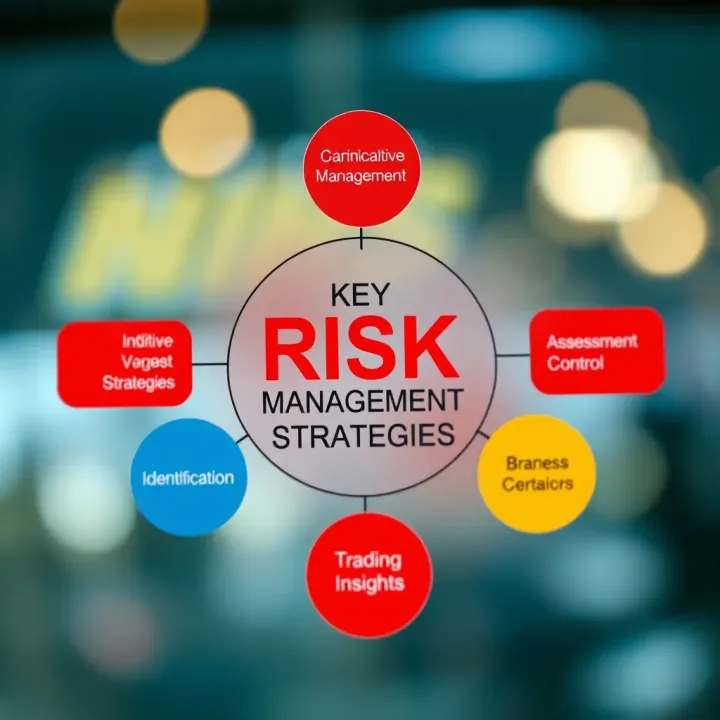
Understanding Risk Management: Strategies & Importance
Explore how risk management safeguards Indian businesses by identifying and controlling threats to capital and earnings 📉. Learn key strategies, technology roles, and regulations.
Edited By
Charlotte Evans
Business risk management is about spotting potential threats that can hit a company's operations or profits, then taking steps to handle those dangers. In India, where businesses face unique challenges such as regulatory changes, currency fluctuations, and diverse consumer behaviours, managing these risks well can make the difference between thriving and struggling.
To begin with, Indian enterprises experience multiple types of risks, including financial risks like interest rate changes, operational risks such as supply chain disruption during monsoons, and compliance risks stemming from frequent updates in GST policies. For example, a textile exporter in Tamil Nadu may face delays due to port congestion or sudden policy shifts affecting export duties.
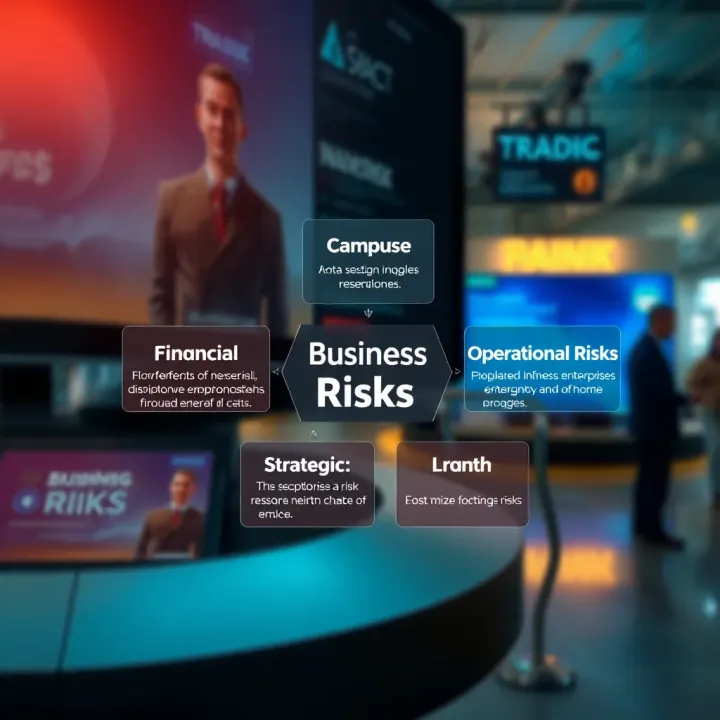
Assessing these risks requires a structured approach. Companies can use methods like risk registers to list potential hazards, assign likelihood scores, and estimate the impact on revenue or operations. Indian startups increasingly adopt Enterprise Risk Management (ERM) frameworks to integrate risk handling with business strategy.
Practical strategies for Indian firms include:
Diversifying supply sources to reduce dependency on a single vendor
Using forward contracts or currency hedging to manage forex risk
Implementing robust IT security measures as digital transactions surge with UPI and online payments
Regularly updating compliance processes to align with SEBI and RBI guidelines
Effective risk management is not a one-time task but a continuous cycle of identifying, evaluating, mitigating, and reviewing risks. It keeps the business adaptive and ready for unexpected challenges.
Tools like risk management software tailored for Indian SMEs help track risks and automate reporting, freeing up management to focus on decisions. Aligning risk policies with organisational goals ensures that risk-taking supports growth rather than threatening it.
In short, Indian businesses that systematically manage risks through clear policies and practical tools improve their chances to safeguard assets, meet regulatory demands, and maintain investor confidence. This section sets the foundation for understanding how Indian enterprises can build risk resilience step by step.
Understanding business risks is the first step Indian enterprises must take to safeguard their operations and growth. Every business, big or small, faces uncertainties that can disrupt processes, drain resources, or harm reputation. Recognising the types of risks and their potential impact helps companies prepare practical approaches rather than reacting blindly.
For instance, a textile exporter in Tirupur may face currency fluctuations or delayed payments from foreign buyers. Without identifying these financial risks early, profit margins could shrink unexpectedly. Thus, awareness of risks primes businesses to put relevant checks in place.
Financial risks refer to threats that affect a company’s monetary health. This includes cash flow problems, credit defaults, rising interest rates, or currency volatility. Indian businesses, especially those depending on imports or exports, often grapple with these. A startup receiving foreign investments must consider exchange risks; otherwise, valuation might erode when converting foreign funds to rupees.
These are risks stemming from everyday business activities such as manufacturing glitches, supply chain delays, or IT system failures. For example, a Bengaluru-based pharma company might face operational hazards if its cold chain logistics falter, risking product spoilage. Such risks directly hamper productivity and can cause loss of customers.
Indian companies operate in a complex legal environment governed by GST, labour laws, environmental rules, and sector-specific norms. Failure to comply can lead to penalties or shutdowns. A fintech firm, for instance, must follow Reserve Bank of India (RBI) guidelines strictly; otherwise, it risks losing licences or facing fines.
Market conditions and competitor movements continuously shift. A local retailer may face stiff competition from e-commerce platforms like Flipkart or Amazon India, affecting sales. Likewise, sudden changes in consumer preferences or new entrants can erode market share rapidly.
These involve mistakes in business direction or decisions. Launching a product without proper market research or overexpanding too soon can backfire. Consider a food delivery startup that expands to multiple cities ignoring local tastes and logistics; losses might mount quickly.
Risks can directly diminish income or escalate costs, squeezing profits. A delayed shipment can mean lost orders or compensation expenses. Conversely, unexpected tax liabilities or interest payments reduce available funds.
A data breach in a digital payment app can shatter customer confidence overnight. Maintaining trust is vital for repeated business and referrals. Once reputation dips, regaining it takes long and requires extra investment.
Ignoring regulatory mandates can lead to lawsuits, sanctions, or even criminal charges. Section 80C or GST compliance failure invites scrutiny and legal hassles, impacting not only finances but also brand image.
Companies that actively understand and prepare for risks tend to weather storms more effectively and maintain steady growth trajectories. This foresight also creates operational resilience in changing Indian economic scenarios.
Evaluating and measuring risks helps Indian enterprises pinpoint where threats lie and decide how urgently to deal with them. Without proper assessment, companies might either overreact to minor issues or miss serious risks lurking around. This step forms the backbone of effective risk management, allowing resources to be focused on areas that can impact business continuity and profitability the most.
Gathering diverse teams for brainstorming sessions or workshops is a practical way to identify potential risks. People from different functions—finance, operations, legal—bring varied perspectives, uncovering risks that might be overlooked if assessed in isolation. For instance, a workshop might reveal supply chain vulnerabilities not obvious to the sales team but critical during monsoon disruptions.
Checklists based on industry experience or regulatory requirements help ensure no common risks are missed. Similarly, surveys among employees and stakeholders can capture risks perceived at ground level. In the Indian SME context, a checklist outlining GST compliance risks or labour law changes offers a straightforward tool to cover essential bases.
Looking at how peers face risks can provide useful benchmarks. For example, if several similar manufacturers report frequent equipment failures, a company can preemptively check its machinery condition. Such comparisons help identify issues that may not yet appear internally but are emerging within the sector.
Qualitative methods rely on expert judgement and categorise risks as high, medium, or low, useful when numerical data is scarce. Quantitative methods assign numeric values to risk severity and likelihood, often based on historical data or statistical models. For instance, an Indian tech startup may qualitatively assess hack attempts as a significant risk, while a bank might quantitatively analyse fraud incidents over time to measure probability.
A risk matrix visually plots risks on axes of likelihood and impact, making it easier to prioritise. Scoring systems assign points to various risk attributes, such as financial loss or reputational damage. These tools enable straightforward decision-making. For example, a risk with high probability and severe impact like data breach appears top-priority on the matrix, prompting immediate mitigation steps.

Ranking risks helps companies concentrate on those that could cause the most harm. Frameworks often combine scores from assessment tools to produce an ordered list. An Indian manufacturing firm might rank factory safety risks above market fluctuations, choosing to invest first in employee training and equipment safety.
Once risks are ranked, businesses decide how to allocate limited resources responsibly. It could mean dedicating more funds to insurance premiums against floods in flood-prone areas of Assam or investing in cyber protections where digital transactions are high. Failing to allocate adequately can leave firms exposed to expensive surprises, while over-allocating to minor risks wastes valuable resources.
Evaluating and measuring risks is not just a checklist activity; it involves strategic thinking and realistic assessment to protect business health and growth. Indian enterprises that master this step lay strong foundations for resilient decision-making.
Building effective risk management strategies is essential for Indian enterprises to navigate uncertainties and protect their bottom line. Well-planned strategies help companies minimise risks before they escalate, allocate resources wisely, and maintain operational stability. Let’s break down practical approaches that businesses can use.
Process Improvement involves reviewing and enhancing business operations to prevent risks from arising. For example, a manufacturing unit in Pune might implement better quality checks to reduce defects and avoid costly returns. Streamlining processes also cuts down delays and lowers chances of operational hiccups, directly improving efficiency and customer satisfaction.
Compliance Adherence means strictly following laws and regulations relevant to your sector. This not only avoids legal penalties but also builds trust with clients and authorities. Consider an IT firm in Bengaluru that regularly updates its data security measures to comply with the Information Technology Act and data privacy norms — this reduces regulatory risks while safeguarding customer data.
Insurance Solutions allow companies to shift specific financial risks to insurers. Take a textile business in Surat; investing in fire and theft insurance protects against unexpected losses that could disrupt production and cash flow. Choosing the right insurance policy tailored for the Indian market helps absorb shocks without draining reserves.
Outsourcing and Partnerships spread risk by delegating certain operations to external specialists. For instance, a start-up might outsource logistics to established companies like Blue Dart or FedEx, reducing exposure to supply chain disruptions. Collaborations also enable sharing costs and responsibilities, making ventures more resilient.
Setting Risk Tolerance Levels means deciding how much risk a business is willing to bear. A mid-sized retailer in Delhi might accept a certain level of credit risk by offering limited credit to trusted customers, balancing growth and risk. Defining clear tolerance helps focus attention on risks that require urgent action.
Creating Backup Plans prepares businesses for unforeseen disruptions. For example, a software firm in Hyderabad might have alternative cloud service providers lined up to ensure continuity if the primary service fails. Such contingencies prevent total standstills and allow quick recovery.
A proactive approach to risk management isn't just about avoiding trouble; it’s about understanding what risks to take and how to control the fallout if things go sideways.
Developing these risk strategies tailored to specific business contexts empowers Indian enterprises to face uncertainties confidently and sustain growth.
Implementing risk management frameworks helps Indian businesses systematically identify, assess, and respond to potential risks. These frameworks bring structure and consistency to risk practices, enabling companies to protect assets, comply with regulations, and improve decision-making. In the Indian context, adopting recognised frameworks also aids in aligning with global best practices while adapting to local challenges.
ISO 31000 is an international standard providing guidelines on risk management principles and implementation. It emphasises integrating risk management into all organisational processes, which is especially relevant for Indian enterprises expanding rapidly across sectors. ISO 31000 does not prescribe detailed steps but offers a flexible approach that Indian businesses can customise to their size and industry.
Using ISO 31000 helps companies establish a common language for risk, improve stakeholder confidence, and support continuous improvement. For example, a manufacturing firm in Pune adopted ISO 31000 to streamline identifying operational and supply chain risks, which reduced unexpected shutdowns by 15% in a year.
The Committee of Sponsoring Organisations (COSO) framework focuses on enterprise risk and internal controls. It’s particularly popular among Indian financial institutions and listed companies due to its comprehensive approach to risk governance. COSO integrates risk assessment with control activities, information flow, and monitoring, making it suitable for regulatory compliance like SEBI’s requirements.
Indian banks leverage COSO to strengthen fraud prevention and credit risk management. For instance, a mid-sized bank in Chennai reported improved risk reporting and reduced non-performing assets after implementing COSO principles.
Indian businesses must adapt risk frameworks to comply with mandatory regulations like the Companies Act, RBI guidelines, and GST compliance. These requirements vary by sector and influence risk priorities—for example, data security risks are critical for IT firms following the IT Rules, while manufacturing entities focus on environmental clearances.
Tailoring frameworks helps businesses avoid penalties and legal troubles. A Delhi-based exporter aligned its risk management with foreign trade regulations and customs rules, which prevented shipment delays and penalties.
Not all industries face the same risks, so frameworks need sectoral tweaking. The healthcare industry in India, for instance, emphasises patient safety and regulatory compliance, while retailers prioritise supply chain continuity and consumer data protection.
A Bengaluru e-commerce firm customised risk protocols to manage payment fraud and delivery delays during festive sales. This sector-specific approach improved resilience and customer satisfaction.
Leadership commitment is key to embedding risk awareness throughout the organisation. In Indian enterprises, where hierarchical structures prevail, visible support from top management encourages teams to recognise and report risks early.
A Mumbai-based textile company’s CEO frequently discusses risk in all-hands meetings, making staff more vigilant about operational risks and safety measures.
Creating an environment where employees feel safe to report issues without blame increases risk visibility. Indian companies increasingly use digital platforms and anonymous reporting channels to support this culture.
For example, a Hyderabad IT services firm introduced an internal mobile app where employees could quickly flag security vulnerabilities, enabling faster incident response.
Effective risk management in Indian businesses requires not just frameworks but also leadership and culture that prioritise early identification and collaborative response to risks.
Implementing these frameworks with local adaptations and strong leadership helps enterprises manage the uncertainties of today's dynamic markets more confidently.
Technology serves as a backbone for modern risk management, especially for Indian enterprises aiming to stay competitive while managing uncertainties effectively. These tools simplify identifying, assessing, and mitigating risks, reducing the chances of costly mistakes and compliance failures.
Risk management software helps businesses maintain a comprehensive view of all their risks in one place. Key features include risk registers, automated alerts, incident tracking, and reporting dashboards. These tools make it easier to monitor changes, track mitigation efforts, and ensure compliance with regulatory demands. For example, automated tracking prevents risk issues from slipping through the cracks, which is especially helpful for fast-growing firms juggling multiple business activities.
Such solutions also integrate historical data and can generate trend analyses, helping firms anticipate problems rather than react to them. This proactive approach saves time and resources while protecting the firm’s reputation and financial health.
Indian companies often choose software like MetricStream, SAP GRC, or Resolver, which are well-suited for handling compliance and operational risks in regulated industries such as banking and pharmaceuticals. MetricStream, widely used by Indian banks, offers easy integration with existing IT systems. SAP’s Governance, Risk and Compliance (GRC) solution blends well with ERP systems, making it a good fit for mid-to-large Indian enterprises.
Meanwhile, startups and smaller firms may opt for cloud-based services like RiskWatch or LogicManager due to their cost-effectiveness and ease of implementation.
Data analytics helps Indian businesses predict risks by examining patterns within internal and external data sources. For instance, supply chain disruptions during monsoon seasons or currency fluctuations can be anticipated by analysing past trends. Predictive models built on this data enable firms to estimate likelihood and financial impact of potential risks, supporting better preparation.
Banks and NBFCs in India use these models to assess credit risk by analysing customers’ repayment history, income patterns, and market conditions, leading to more informed lending decisions.
Real-time risk monitoring uses technologies such as Internet of Things (IoT) devices and AI-driven software to detect risk signals as they occur. This allows businesses to respond quickly to emerging threats—like cyber intrusions or machine breakdowns—before they escalate.
In manufacturing, sensors can signal equipment malfunctions early, cutting downtime and operational losses. Similarly, Indian e-commerce firms track transaction anomalies instantly to prevent fraud, protecting both customers and company reputation.
Bringing automation into risk management processes reduces human error and speeds up routine tasks like data collection, risk scoring, and compliance checks. Automated workflows can immediately route issues to relevant teams, ensuring swift action without manual delays.
For example, automating GST compliance risk checks helps Indian enterprises avoid penalties by reminding finance teams of filing deadlines and flagging discrepancies promptly.
When risk tools are closely tied to business operations, decision-makers get timely, accurate insights that inform strategy and daily choices. This integration ensures decisions are grounded in up-to-date risk data rather than intuition.
A retailer, for instance, can use integrated risk reports to decide whether to expand in a region facing political unrest or supply chain delays, balancing opportunity against potential threats effectively.
Efficient use of technology in risk management empowers Indian enterprises to act decisively, protect their assets, and stay compliant in a constantly evolving business environment.
Understanding the challenges that Indian enterprises face in managing business risks is key to developing effective risk management strategies. These challenges range from limited awareness about risk concepts to resource constraints, both of which can severely restrain an organisation's ability to identify and mitigate risks properly. Equally important is adopting best practices such as continuous training, expert engagement, and fostering a strong risk culture, which can help firms stay agile amid changing market conditions.
Many Indian businesses, especially SMEs, struggle with limited awareness of comprehensive risk management. This gap often leads to neglecting risks that may seem minor upfront but become critical later. For example, a textile exporter in Tirupur might overlook currency fluctuation risks, impacting profitability during sudden rupee depreciation. Lack of formal training compounds this issue, as employees often don’t have the skills to spot or report risks proactively.
Without systematic learning, organisations miss out on building a shared understanding of why risk matters across departments. That in turn creates silos where risks go unaddressed or unrecorded, increasing vulnerability.
Budget and manpower limitations often hinder Indian companies from implementing structured risk management systems. For instance, a manufacturing unit in Ludhiana may not afford specialised software or dedicated risk officers. Instead, risk assessment becomes a part-time task for already stretched staff, leading to superficial analysis.
Such constraints force firms to prioritise immediate business goals, pushing risk planning to the backseat. However, ignoring risks can cause bigger losses, as unforeseen downtimes or compliance violations escalate costs later.
Continuous learning helps bridge the awareness gap by making risk concepts relatable and practical. Conducting tailored workshops and simulations equips employees to identify risks in their daily work. For example, an IT firm in Bengaluru might run quarterly sessions demonstrating data breach scenarios and response protocols.
Training also encourages a risk-conscious mindset, where spotting potential threats becomes a routine activity rather than an audit-driven chore. This active participation builds stronger internal controls and prepares the company against emerging risks.
Consultants and risk specialists bring fresh perspectives and technical know-how that internal teams may lack. Engaging such experts helps small and medium enterprises understand complex regulatory changes or market trends.
For example, a pharmaceutical start-up in Hyderabad could hire a compliance consultant to navigate new Drug Controller General of India (DCGI) guidelines efficiently. This partnership reduces guesswork and guides effective risk mitigation measures without burdening the internal team.
Setting up channels for regular feedback on risk issues encourages open communication and timely corrections. For instance, suggestion boxes, risk reporting software, or weekly team huddles help capture emerging concerns early.
This ongoing dialogue supports dynamic risk management rather than static, one-time policies. Employees feel valued and accountable, which strengthens the organisation’s overall resilience.
Indian enterprises operate in a dynamic landscape influenced by policy reforms, technological disruptions, and global market shifts. Staying flexible in risk approaches ensures the business can respond swiftly. For example, switching to digital payment options like UPI drastically changed risk profiles for retailers during the demonetisation push.
By monitoring these external factors and revising risk strategies often, businesses protect their operations from stale plans and unexpected shocks.
Developing a robust risk culture backed by continuous learning and adaptability is the best shield for Indian companies navigating today’s uncertainties.
Effective business risk management requires confronting common obstacles directly and adopting practical, sustained efforts. Awareness, proper training, expert advice, and an open culture form the backbone of resilient enterprises capable of thriving in India's fast-evolving markets.
Explore how risk management safeguards Indian businesses by identifying and controlling threats to capital and earnings 📉. Learn key strategies, technology roles, and regulations.

📈 Understand basics of intraday trading in India! Learn key strategies, risk control, and market rules to trade stocks smartly within the day in the Indian market.

📈 Learn the essentials of intraday trading for Indian investors, including strategies, risk management, regulations by SEBI, and practical tips for daily share trading success.

🧑💻 Explore the best paper trading apps for Indian investors to practise stock investing risk-free, test strategies with virtual funds, and boost your confidence before investing. 📈
Based on 10 reviews