

Best Paper Trading Apps for Indian Investors
🧑💻 Explore the best paper trading apps for Indian investors to practise stock investing risk-free, test strategies with virtual funds, and boost your confidence before investing. 📈
Edited By
Grace Simmons
Intraday trading involves buying and selling shares within the same trading day to make quick profits from price movements. In the Indian stock market, this means trading from the market opening at 9:15 am to closing at 3:30 pm. Unlike long-term investing, intraday trading focuses on short-term price fluctuations and requires swift decisions.
For example, an investor might buy shares of Reliance Industries in the morning and sell them by afternoon if the price rises, using the price difference as profit. However, if the price drops, the investor incurs losses, so timing is key.
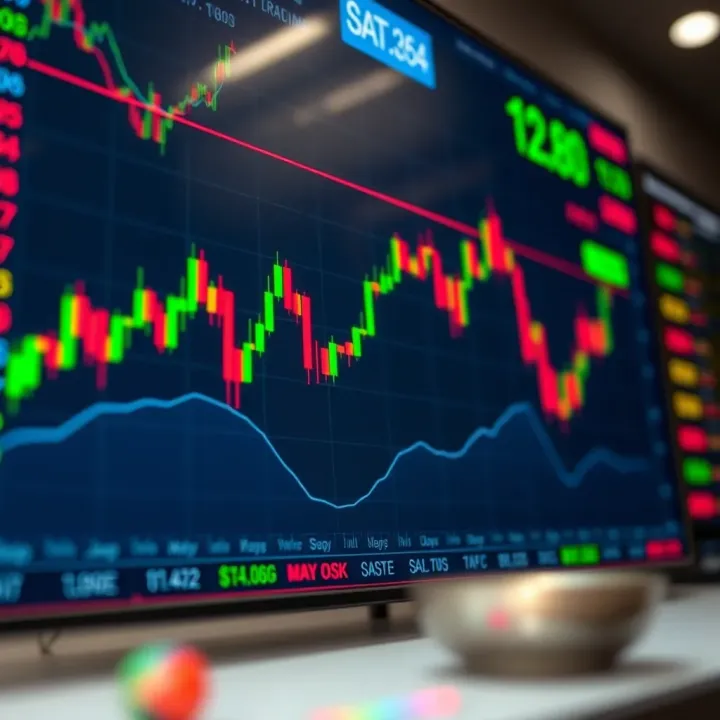
Key characteristics of intraday trading include:
High liquidity: Trades execute quickly due to large volumes
Leverage usage: Brokers often offer margin to amplify buying power, increasing both potential gains and risks
No overnight exposure: Positions must be squared off before market close to avoid delivery
Successful intraday traders use technical indicators, chart patterns, and news updates to anticipate market moves. For instance, they might track moving averages or support and resistance levels on platforms like Zerodha Kite or Upstox.
Intraday trading demands discipline and quick response; delays or hesitation can turn potential gains into losses.
The Securities and Exchange Board of India (SEBI) regulates the stock market to protect traders’ interests, imposing rules such as margin limits and circuit breakers to prevent extreme volatility. Understanding these regulations helps traders manage risk.
To get started, investors should familiarize themselves with the trading platforms, learn to read charts, and develop clear entry and exit strategies. Risk management tools like stop-loss orders play a vital role in limiting losses during sudden market swings.
In short, intraday trading offers opportunities for profits but carries significant risks. Being well-informed about market mechanics, strategies, and regulations is essential for Indian investors looking to try their hand at daily stock trading.
Grasping the basics of intraday trading helps you make informed decisions quickly in a fast-moving market. Since intraday trading involves buying and selling shares within the same day, understanding its specific features allows you to manage risks better and identify suitable opportunities. For Indian investors, this knowledge becomes practical when dealing with volatile stocks on the National Stock Exchange (NSE) or BSE.
Intraday trading means you buy and sell shares on the same trading day, aiming to profit from short-term price movements. Unlike investments held for months or years, here the entire trade cycle—from purchase to sale—happens within market hours. For example, if you buy 100 shares of Reliance Industries at 10:15 am, you must sell them before the market closes at 3:30 pm, regardless of profit or loss.
This approach suits traders who prefer quick gains rather than waiting for long-term value appreciation. But it also requires constant market monitoring and swift decision-making.
Long-term investing focuses on the company’s fundamentals and growth prospects, holding assets over months or years to benefit from dividends and capital gains. By contrast, intraday trading sticks to short-term price fluctuations, bypassing factors like quarterly results or economic trends.
For instance, a long-term investor might buy Infosys shares expecting steady growth over five years, while an intraday trader might capitalise on the stock’s daily price swings due to market news or technical signals.
Intraday trades must start and end within the NSE or BSE’s official timings, typically 9:15 am to 3:30 pm IST. This time constraint means you can't hold positions overnight, which impacts strategy choices and urgency.
Because of time limits, traders often use technical indicators like moving averages or RSI to make quick entry and exit decisions before the closing bell.
Closing all positions before the market shuts reduces the risk of sudden price changes caused by after-hours news—such as policy announcements or corporate developments—that could lead to gaps in share prices next day.
For example, if a trader holding ITC shares overnight is unaware of a sudden government tax hike announced after market hours, they could wake up to a sharp price fall. Intraday trading avoids this by cutting off exposures daily.
Intraday trading involves multiple trades in a single session, aiming to grab small profits repeatedly. This high turnover calls for fast execution and discipline, as frequent buying and selling can increase brokerage and transaction costs.
A trader might execute 10 or more trades daily using platforms like Zerodha or Upstox and rely on real-time price data to decide instantly whether to hold, book profits, or cut losses.
Intraday trading demands alertness and swift decisions within market hours. It suits those ready to follow the market pulse closely rather than waiting patiently for long-term growth.
In short, becoming familiar with these features will help you decide if intraday trading fits your style and risk appetite, plus how to plan accordingly for the Indian stock market’s unique pace and regulations.

Successful intraday trading starts with meeting certain essential requirements. These prerequisites include having the right accounts, sufficient capital, and access to reliable trading tools. Without these, even the best strategies may fall flat in the fast-paced stock market.
Before you begin intraday trading, opening accounts with a registered broker is mandatory. Only SEBI-registered brokers can facilitate buy and sell orders on behalf of investors. For instance, brokers like Zerodha, Upstox, and Angel One are popular choices in India for intraday traders due to their user-friendly platforms and reasonable brokerage charges.
A Demat (short for dematerialised) account is crucial for holding your securities electronically. While intraday trades don’t usually involve transferring shares to your Demat account due to same-day buy-sell, this account is still required for settlements and tracking your holdings if you trade beyond intraday. The Demat account prevents risks associated with physical share certificates, such as loss or theft, and ensures smooth transaction processing.
Intraday trading demands a certain initial capital, typically ranging from ₹50,000 to ₹1 lakh or more, depending on the stocks you target and your trading style. Unlike long-term investing, intraday trading uses margin or leverage, which means you can trade with more money than you actually have. However, having sufficient funds helps avoid margin calls and sudden exits that can eat into profits.
Margin trading allows you to borrow money from your broker to increase your buying power. For example, with a margin of 5 times, you can buy stocks worth ₹5 lakh with just ₹1 lakh capital. But beware, leverage amplifies both gains and losses. Indian brokers comply with strict margin rules set by stock exchanges and SEBI, so regular monitoring and understanding of margin utilisation is essential.
Choosing the right trading platform has a direct impact on your intraday trading success. In India, popular trading terminals and apps include Zerodha’s Kite, Angel One’s Angel Broking App, and Upstox Pro. These platforms offer real-time data, easy order placement, and swift execution, which is indispensable in intraday trading where seconds can mean profit or loss.
Technical charts and order types also play a vital role. Traders use candlestick charts, moving averages, and volume indicators to analyse price movements. Order types like limit orders, stop loss, and bracket orders help traders manage entry, exit, and risk efficiently. For instance, a stop-loss order can automatically exit a losing trade, protecting your capital from unexpected market swings.
Without having the right accounts, capital, and tools, intraday trading can become a gamble rather than a calculated activity. Preparing well with these essentials sets the foundation for disciplined trading and better outcomes.
Intraday trading demands quick decisions and precise tactics. Traders often rely on tested strategies to capitalise on short-term price movements. These common intraday trading strategies help identify potential opportunities while managing risks effectively within a single trading day.
Identifying trending stocks involves spotting shares that show strong price movement in a particular direction. Traders watch for stocks with rising volumes and upward price swings, indicating growing interest. For example, if a tech stock gains 3% within the opening hour with higher-than-average volumes, it indicates momentum and possible continuation of the trend.
This strategy works because markets tend to carry trends for some part of the day. Traders benefit by jumping in early during an upward or downward move, riding the wave until the momentum fades.
Using volume and price action is key to momentum trading. Rising volume confirms strength behind price moves, while price action patterns like higher highs and higher lows signal bullish momentum. Conversely, falling volume on price rises may warn of a weakening trend.
Practical use involves monitoring intraday charts with volume bars to validate trade signals. For instance, a stock breaking key resistance with a surge in volume often suggests a strong breakout, providing a buy opportunity.
Making quick small profits is at the heart of scalping. Traders buy and sell shares within minutes, aiming for tiny price changes, such as 0.1-0.2%. These small gains add up over several trades.
Scalping suits those who prefer fast-paced trading without holding positions long enough for major swings. For example, a trader might scalp shares of a liquid stock like Reliance Industries, entering 20 trades in a day and profiting incrementally.
High concentration and fast execution are essential scalper traits. They need sharp focus to catch minute market fluctuations and swift order placement to lock gains before reversals.
This approach demands reliable trading platforms with low latency and direct market access. Delays even by seconds can turn a profitable scalp into a loss. Hence, scalpers often use hotkeys and preset order types to keep up.
Spotting resistance and support levels is the foundation of breakout trading. Support is the price floor where buying interest halts declines, while resistance is the ceiling limiting upward moves. When prices cross these levels with conviction, it signals potential strong moves.
For example, if a stock repeatedly fails to surpass ₹1,500 but finally closes above it with good volumes, it signals a breakout upward.
Timing entry and exit is critical here. Traders enter shortly after the breakout to avoid false signals and set stop losses just below the breakout level. Exiting depends on target profits or signs of reversal.
Many intraday traders watch for breakouts in the first half-hour after market opens, as early volatility often sets the tone for the day.
Successful intraday trading hinges on applying appropriate strategies like momentum, scalping, or breakout trading with discipline and awareness of market conditions. Each strategy suits different trader styles and market scenarios, so understanding their practical aspects helps you pick what fits best.
Managing risks is the backbone of successful intraday trading. Since trades open and close within a single day, the window for losses is short but can be quite sharp. Keeping losses controlled ensures you don't wipe out your capital in a hurry, which is vital when the market moves fast. A disciplined approach to risk management helps traders survive the ups and downs and stay in the game for the long haul.
A stop loss is like a safety net to limit your losses when the market moves against your position. Without it, you might hold on to losing trades, hoping they'll turn around, only to face bigger losses. For example, if you buy a stock at ₹500, setting a stop loss at ₹485 limits your loss to ₹15 per share, preventing a small loss from turning into a major one. This practice keeps your emotions in check and your losses manageable.
Fixing a realistic target means deciding in advance at what price you'll book profits. Setting targets based on recent price movements and volatility avoids greed grabbing more than what’s practical. If a stock is typically moving ₹10-₹15 intraday, aiming for a ₹100 gain isn’t sensible. For instance, if you enter at ₹500, you might set a target at ₹510-₹515, which matches market behaviour and increases odds of success.
Position sizing means deciding how much money you put into each trade. It’s smart to risk only a small percentage of your overall capital on a single trade, say 1-2%. So, if you have ₹5 lakh to trade, risking ₹5,000-₹10,000 per position keeps losses from piling up quickly. Proper position sizing balances risk and reward and avoids wiping out funds with just a few bad trades.
Keeping exposure limited means not putting all your eggs in one basket. Don’t use full capital on a single trade or highly volatile stocks. Instead, spread your risk across trades and maintain cash reserves for better opportunities. For example, trading no more than two or three stocks daily with controlled exposure helps contain losses if one trade goes wrong. This also reduces stress and improves decision-making.
Greed and fear often push traders into bad decisions—buying at highs due to greed or selling prematurely out of fear. Controlling these emotions means accepting small losses and locking in profits without hesitation. For example, if a stock hits your target price, resist the urge to wait for more gains; similarly, cut losses swiftly instead of hoping the stock recovers.
Trading based on a clear plan is crucial. A disciplined trader sets entry, exit, stop loss, and target before the trade and follows these strictly. Deviating due to market noise or rumours invites losses. For example, if you planned to exit at ₹510 but hold on because the stock might go higher, you risk losing profits. Sticking to the plan builds consistency and long-term success.
Managing risks in intraday trading isn’t about avoiding losses altogether, but about keeping them small and ensuring profits add up over time. A well-defined risk strategy protects your capital and sharpens your trading edge.
Intraday trading in India is tightly regulated to maintain market integrity and protect investors. The Securities and Exchange Board of India (SEBI) plays a key role in overseeing daily trading activities, ensuring that both brokers and traders follow the rules. Compliance with these regulations helps traders avoid legal issues and financial penalties, making their trading experience safer and more transparent.
SEBI monitors trading patterns to prevent market abuse like insider trading and price manipulation. It keeps a close watch on unusually high trade volumes or suspicious price movements. Stock exchanges such as the National Stock Exchange (NSE) and Bombay Stock Exchange (BSE) also enforce compliance through surveillance systems. This oversight helps maintain fair pricing and boosts investor confidence.
To safeguard retail traders, SEBI has introduced investor-friendly rules like mandatory client verification through Aadhaar or PAN cards. It regulates brokers to ensure transparency in charges and timely settlement of trades. For example, SEBI caps intraday leverage for brokers to limit excessive risk on client accounts. These steps prevent malpractices and make intraday trading more accessible to beginners without exposing them to undue risks.
Every intraday trade on recognised stock exchanges attracts Securities Transaction Tax (STT). This tax applies on both buy and sell sides but is typically higher for intraday trades, affecting profitability. STT is collected at source by the broker during transaction settlement. Knowing exact STT rates helps traders calculate net gains or losses more accurately and plan their trades.
Intraday trading gains are treated as business income, so profits fall under the Income Tax Act and attract tax as per the trader’s slab rate. No separate capital gains tax applies here since positions close within the day. However, income tax departments can impose Tax Deducted at Source (TDS) on large payments or broker payouts. Traders should maintain proper records of intraday transactions for filing accurate Income Tax Returns (ITR).
Brokers in India require traders to maintain minimum margin amounts for intraday positions. These margins serve as collateral to cover potential losses, calculated based on regulatory guidelines by SEBI and exchanges. Margins vary by stock and market volatility. For example, NSE mandates specific initial and exposure margins, which brokers enforce strictly to reduce default risk.
If traders do not maintain required margins, brokers may square off positions without notice to avoid losses. This can result in penalties or additional charges. Some brokers also levy fines for margin shortfalls. Failure to comply with margin rules not only leads to financial loss but can also damage the trader’s credibility with the broker, affecting future trading limits.
Staying updated with SEBI's latest regulations and brokerage margin policies is vital for intraday traders to avoid surprises and trade confidently in Indian markets.
🧑💻 Explore the best paper trading apps for Indian investors to practise stock investing risk-free, test strategies with virtual funds, and boost your confidence before investing. 📈

Explore practical options trading in India 🇮🇳—learn key terms, proven strategies, risks, and steps to trade confidently in Indian markets with clarity and control.
📈 Explore intraday trading basics, strategies, and risks. Learn tools, timing & regulations for savvy same-day trading in India's stock market.

📈 Discover the best time frames for intraday trading in Indian stock markets to boost profits and manage risks effectively. Learn key sessions and tips for success.
Based on 6 reviews