

Live Paper Trading Guide for Indian Investors
📈 Discover how Indian investors can master live paper trading using real market data without risks. Explore top platforms, best tips, and key limits today!
Edited By
Isabella Foster
Investing in the stock market can be daunting, especially if you are new. Paper trading apps allow you to practise buying and selling stocks without the risk of losing real money. These apps simulate real market conditions, using virtual funds so you can experiment with different strategies before putting your hard-earned savings on the line.
For Indian investors, using paper trading apps helps build confidence and understand market dynamics in a risk-free environment. With the volatility in markets like Nifty 50 or Sensex, testing your approach beforehand can save you from costly mistakes. Besides, many apps now include Indian stocks, indices, and mutual funds, making them relevant for local traders.

Paper trading is an excellent tool to sharpen your skills, whether you plan to trade daily or invest long term.
Key reasons to consider paper trading apps:
Practise without financial risk
Test investment strategies in real-time
Learn how to use trading platforms and tools
Understand market movements, orders, and timing
Most apps for paper trading offer features like live market data, portfolio tracking, and real-time alerts. Some even provide educational content tailored to the Indian market. For example, practising with stocks listed on BSE or NSE helps align your learning with actual market behaviour.
In this guide, you will find a rundown of popular paper trading apps suitable for Indian users, what features matter the most, and tips to get the best experience from paper trading. Whether you are a student preparing for competitive exams like the CA or an analyst testing models, this guide aims to give you a practical starting point.
Understanding these tools can greatly enhance your investing journey and help avoid common pitfalls traders face early on. So, let’s explore what’s available and how to select the right app for your needs.
Understanding paper trading is essential for anyone aiming to step into the stock market without immediate financial risks. It provides a hands-on way to explore trading dynamics under real-world conditions, but with virtual money. This approach is especially useful for Indian investors who want to gain market experience before investing actual funds.
Definition and basic concept: Paper trading means practising buying and selling stocks or other securities using virtual funds instead of real money. It's like keeping a ledger where you record imagined trades and track their outcomes. This lets you understand how the market works without risking your savings.
How it simulates live markets: These virtual platforms replicate current market prices, fluctuations, and order executions closely. For example, if you place a buy order for Reliance Industries, the paper trading app will show you what would happen in the real market at that moment — such as delays, price changes, and order fills. This makes the experience realistic and prepares you for live trading.
Difference from real trading: While paper trading mimics the market, it cannot reproduce the emotional pressures of risking real money. You might find it easier to take bold decisions with virtual capital. Moreover, paper trading often lacks certain market nuances like slippage or partial fills that happen in actual trades. Still, it gives a practical foundation without financial risk.
Low-risk learning for beginners: Many Indians new to investing hesitate due to fear of losses. Paper trading apps offer a safe environment to learn. Beginners can explore order types, understand brokerage charges indirectly, and practice timing market entry and exits without risking a single rupee.
Testing strategies without financial loss: Suppose you want to try a short-selling strategy or intraday trading with stocks listed on the National Stock Exchange (NSE). Using a paper trading app, you can test these strategies over weeks or months. Tracking results helps refine your approach before working with real funds, limiting costly mistakes.
Familiarising with Indian stock exchanges and regulations: Indian markets have specific features like T+2 settlement, GST on brokerage, and regulatory mandates by the Securities and Exchange Board of India (SEBI). Paper trading apps often integrate these elements, allowing users to navigate them naturally. This kind of practised familiarity smoothens the shift to real market participation, especially when dealing in segments like derivatives or commodities.
Paper trading is like a dry run for traders — it builds skill and confidence without the sting of losses.
By understanding these foundational aspects, Indian investors can comfortably step up from theory to practice. Paper trading apps serve as a bridge ensuring that when you enter the live markets, your decisions are informed and less stressful.
Choosing the right paper trading app is fundamental for Indian investors aiming to sharpen their trading skills without risking real money. The app should deliver a realistic market experience, offer user-friendly design, and provide educational resources to support learning. Below we break down the key features that can make or break your paper trading journey.
Live market feeds and delays are essential to simulate authentic trading conditions. Paper trading apps often use live price data with slight delays, typically a few seconds up to a minute. This reflects actual market movement patterns closely enough for practice, but some apps might lag, which can mislead beginners about execution prices. For instance, experiencing a delay in price changes during volatile sessions on the NSE might affect your strategy testing if the app updates too slowly.
Order types and execution in an app must cover various options like market orders, limit orders, stop-loss, and even more advanced ones used in Indian markets. Practising with diverse order types helps investors understand how their trades might behave under different conditions. A simulation that only supports basic market orders falls short of preparing you for real-world complexities, such as partial fills or slippage occurring in fast-moving stocks like Reliance Industries or HDFC Bank.
Tracking market depth and volatility adds another layer of realism. Market depth shows the quantity of buy and sell orders at various price points, which is vital when planning entry and exit strategies. An app that lets you observe the order book and intraday volatility of stocks on the BSE can train you to react better under fluctuating prices, especially for intraday traders working within tight margins.

Mobile and desktop compatibility ensure you can practise trading anytime, anywhere. Many traders prefer mobile apps for quick checks during commutes, while desktop platforms offer more detailed views for extended sessions. For instance, the Upstox Pro Virtual Trading app serves well on mobiles with smooth navigation, whereas Zerodha’s platform provides a robust desktop experience for deep analysis.
An intuitive design for beginners is crucial, especially for those new to the market. Simple layouts, clear instructions, and straightforward navigation reduce confusion and help users focus on learning rather than figuring out controls. Apps that clutter screens with excessive data or complex menus can overwhelm fresh investors, causing them to lose interest.
Customisable watchlists and alerts let you track preferred stocks and receive notifications about price movements or news. This feature is particularly useful when simulating trading during India’s market hours, allowing investors to stick to their strategy without missing critical signals. For example, setting an alert on Tata Steel’s price break can prompt timely virtual trades.
Access to charts and technical indicators within the app lets you practice analysing trends and patterns. Most Indian stock traders rely on indicators like Moving Averages, RSI (Relative Strength Index), and MACD to make decisions. Apps that integrate these tools let you test strategies on real-time or historical data, sharpening your technical analysis skills.
Performance tracking and reports help monitor your virtual portfolio’s growth and identify strengths or mistakes. Detailed feedback, such as win/loss ratios and sector-wise performance, guides continuous improvement. Tracking these analytics over weeks or months mirrors real investing habits and ensures disciplined progress.
Finally, learning resources integrated into the app — like tutorials, glossaries, and expert tips — enhance comprehension. Beginners in India benefit from content explaining local regulations, tax implications, or market concepts in easy language. This integrated approach makes the learning curve smoother and more self-sufficient.
Choosing a paper trading app with these features aligns practice closely with real-life trading, building confidence and competence before actual investment.
With these factors in mind, Indian investors can select an app that fits their learning style and trading goals while helping avoid costly mistakes in live markets.
Paper trading apps tailored for Indian investors play a vital role by providing a risk-free way to practise trading using virtual money. These apps simulate Indian markets closely, helping users understand local dynamics, regulations, and trading instruments without risking real funds. Picking the right app depends on features like market accuracy, ease of use, and integration with popular platforms.
Zerodha Varsity Simulator is designed as an educational tool combining detailed trading lessons with a virtual trading platform. Users get to try out trades with live market data in a virtual environment while studying real market scenarios through Zerodha’s Varsity educational resources. This combination helps beginners gain practical experience alongside theoretical understanding.
The simulator is integrated with Zerodha’s larger trading ecosystem, allowing seamless movement from learning in a simulation to live trading on Zerodha’s brokerage platform. This eases transition for users who choose to start real trading, as they are already familiar with the interface, order types, and execution mechanisms.
For Indian traders, the platform’s direct link to NSE and BSE data ensures realistic exposure to Indian market movements. The app also reflects Indian tax structures and brokerage charges in its simulation, helping users anticipate actual charges and profitability. Moreover, Zerodha’s large user base means relevant community support and shared learning.
Upstox Pro Virtual Trading offers a clean interface mimicking its live trading app, making it straightforward for beginners and intermediate traders to practise. It allows users to set orders with various advanced types and includes features like charts and indicators for technical analysis within the virtual environment.
The app covers equities, futures, options, and commodities traded on Indian exchanges, ensuring the virtual trades reflect real market conditions. Upstox uses accurate, near real-time data feeds, which is essential when practising intraday tactics where small price movements matter significantly.
With features supporting both intraday and delivery trading styles, the app caters to a broad spectrum of traders. Intraday traders benefit from the quick order placements and market depth view, while delivery traders can practise longer-term buying without risk.
Moneycontrol’s platform stands out for its social environment where users join leagues and compete against others. This feature introduces a fun competitive element, motivating users to improve their skills while sharing insights with peers.
The virtual stock exchange on Moneycontrol offers a wide range of securities including stocks, mutual funds, and derivatives available on Indian exchanges. This variety lets users try diverse investment strategies.
Moneycontrol provides a well-rated mobile app that supports paper trading on the go. Its user-friendly design and quick navigation make it convenient for users who want to practice during commutes or breaks.
Sharekhan offers a virtual trading feature that simulates trading with real market data and feels close to actual Sharekhan platform usage. It helps new users explore Sharekhan's interface with virtual funds before committing.
ICICI Direct provides a virtual trading facility embedded within its robust trading platform. It mirrors various Indian markets and scenarios, which is valuable for users already considering ICICI Direct as their broker.
Several third-party apps like Investopedia Simulator or TradeBee cater primarily to international markets but include Indian stock data modules. They offer extra tools and analytics that Indian investors can find useful alongside their primary paper trading app.
Choosing from these apps depends on your trading style, goals, and which platform feels comfortable. Practising with any realistic simulation will build the confidence you need before venturing into real trading with your hard-earned money.
Paper trading is not just about practising trades without risking real money; its true value lies in the approach you follow. To benefit fully, you should set clear goals, treat virtual funds seriously, test and refine strategies continuously, and plan your move to real trading carefully. Without this discipline, paper trading may become just a pastime, missing its educational potential.
Defining trading objectives is vital before you start paper trading. Whether your aim is to learn intraday trading, explore delivery-based investments, or understand derivative contracts, clear objectives guide your practice sessions. For example, if you want to focus on short-term momentum trades on the Nifty 50, your virtual trades should mirror that style rather than random buys. This focus helps measure your progress and establish specific skills.
Managing virtual capital like real money improves your discipline and decision-making. Treat the virtual ₹5 lakh as if it were your hard-earned savings. Avoid reckless trades just because there’s no financial risk. For instance, setting a maximum daily loss or sticking to a predetermined investment size teaches money management crucial in actual trading. Many beginners neglect this and form bad habits that can cost dearly once they start real investing.
Using data and feedback for improvement turns theoretical strategies into practical insights. Most paper trading platforms provide detailed reports on your trades, including winners, losers, and risk ratios. Analysing these helps identify patterns and mistakes. For example, if you notice most losses happen in volatile stocks during earnings season, you can adjust your approach accordingly. This iterative learning builds confidence and sharpens your edge.
Avoiding common psychological biases like overconfidence or fear can be tricky even in paper trading. Since virtual losses don’t hit your wallet, you might ignore risk signals or chase unrealistic profits. Practise mimicking real emotions by reviewing your trades as if money was on the line. Techniques like journalling why you entered or exited a position can expose biases and improve your trading mindset.
Timing the switch from virtual to actual funds should depend on consistent performance and readiness, not impatience. If after several months you consistently post profits and manage risks well in paper trading, it may signal you’re prepared. Rushing to real trading without this can result in unnecessary losses, especially since live markets have factors like slippage and emotions at play.
Risk management considerations remain critical when moving to real funds. Paper trading doesn’t expose you to true market risks like sudden liquidity drops or order delays. When transitioning, start with smaller amounts and use stop-loss orders religiously to protect capital. Setting realistic loss limits and stick to them helps avoid heavy setbacks, ensuring a gradual and controlled entry into live markets.
Thoughtful discipline and clear planning are what make paper trading truly effective. Without treating it seriously, it risks being just a simulation, not a stepping stone to success in real stock markets.
📈 Discover how Indian investors can master live paper trading using real market data without risks. Explore top platforms, best tips, and key limits today!

📱 Discover live paper trading apps that mimic real stock markets with no risk! Learn key features, best practices, and top choices for Indian traders to boost skills.
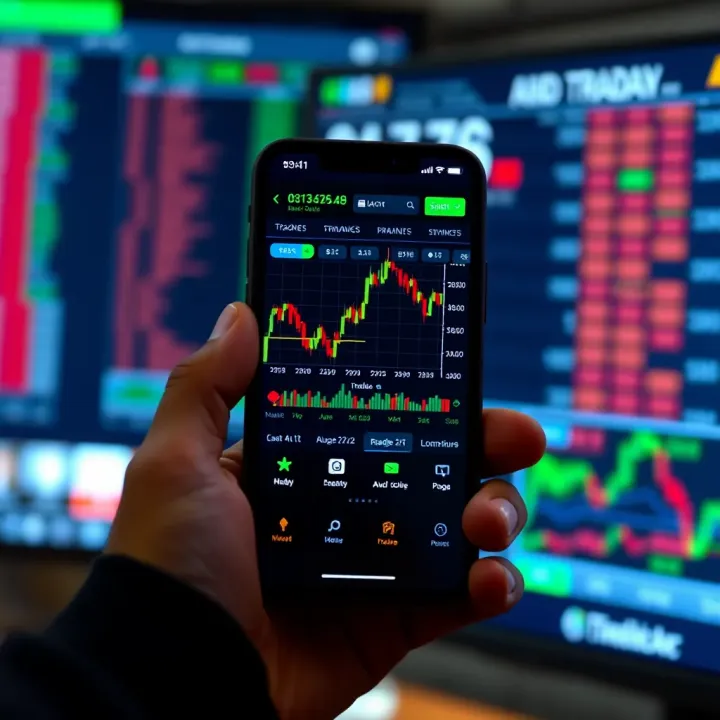
📈 Find the best trading app for Indian investors! Explore key features, costs, security & support to trade stocks and commodities with confidence.
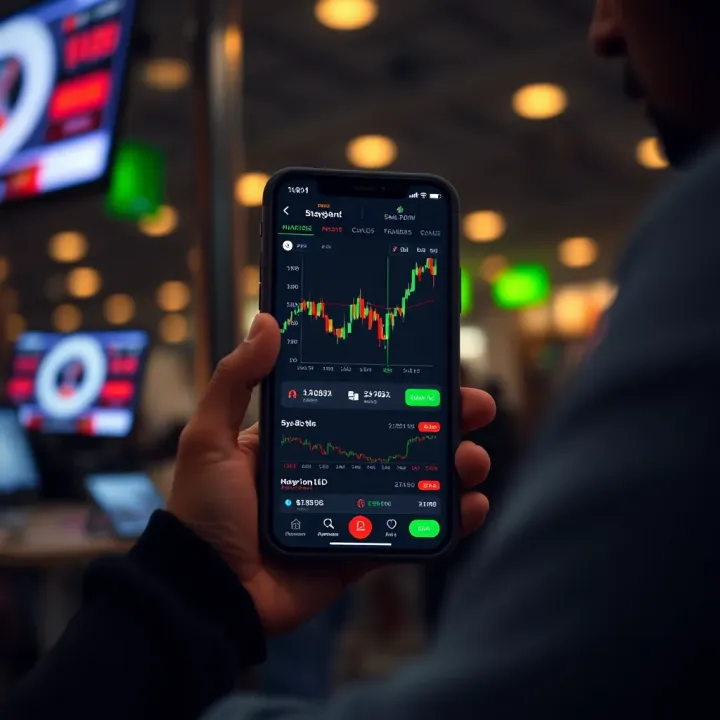
Discover how to choose the best online trading apps in India 📱 with tips on security, costs, usability, & support. Start trading smartly & avoid common mistakes!
Based on 7 reviews