
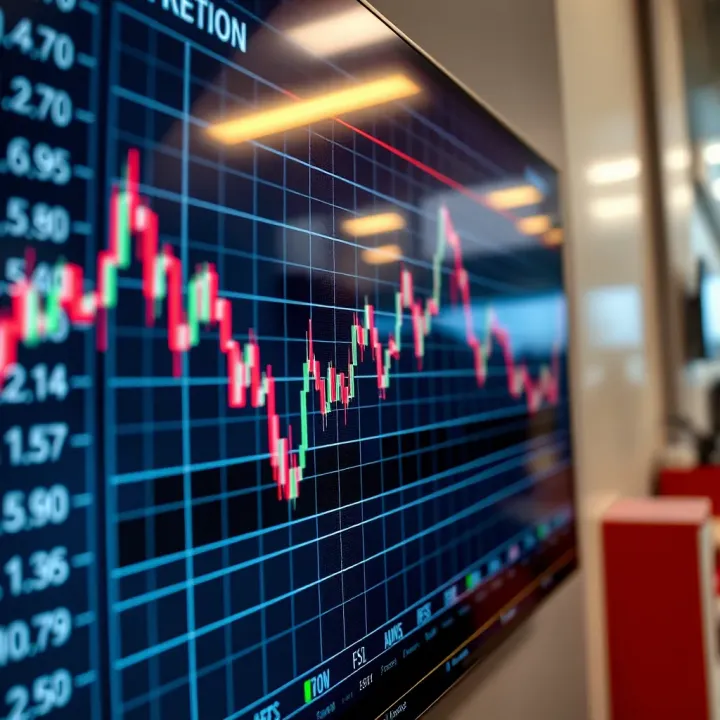
Live Intraday Trading Tips for Indian Traders
📈 Master live intraday trading in India with proven strategies, handy tools, risk management tips, and market insights to trade confidently and avoid common pitfalls.
Edited By
Amelia Walker
Intraday trading in the Indian stock markets demands keen timing. The timing can make a big difference to your gains or losses. Many traders overlook when exactly to enter or exit the market and end up missing lucrative opportunities. To trade profitably on the same day, knowing the best periods to trade is essential.
The market behaviour often varies across different hours of the trading day. Indian markets run from 9:15 am to 3:30 pm IST with some key sessions that attract more activity and volatility. By observing these sessions, traders can align trades with higher liquidity and better price movements.

Understanding the best time windows helps you capture sharp price moves, manage risk better, and avoid periods of sluggish trading.
Here are the main time slots inside the trading day, along with their characteristics:
Opening Session (9:15 am to 10:30 am): This is usually the most volatile period. Market opens with overnight news, global cues, and pre-market activity influencing prices. Volume spikes as traders react to fresh information. This session suits aggressive traders seeking quick profits from initial price swings.
Midday Session (10:30 am to 2:30 pm): Activity tends to slow down during this stretch. Price movements are less dramatic and volumes thin out. Traders often avoid major bets in this phase as trends might pause or consolidate. However, range-bound strategies or options trading can work here.
Closing Session (2:30 pm to 3:30 pm): Liquidity picks up again as traders roll over positions or adjust holdings before market closes. This period often witnesses renewed volatility and trend continuation, making it attractive for last-minute trading moves.
Foreign institutional investors (FIIs) and domestic institutional investors (DIIs) mostly influence the opening and closing hours, so watching their activity supports better timing.
In the Indian context, aligning trades with global market hours is useful. For example, news from US markets influencing Nifty or Sensex may trigger price action early in the day.
Traders should also keep an eye on specific days with earnings announcements, government policy updates, or RBI meetings, as volatility during these events can significantly alter intraday charts.
By focusing on these time frames, you improve your chance to spot and use price trends efficiently, leading to better intraday results.
Understanding intraday trading and the market hours in India is key to making informed trading decisions. Intraday trading means buying and selling stocks within the same trading day, without holding positions overnight. Knowing the structure of the Indian stock markets' hours allows traders to identify when liquidity and volatility tend to peak, helping them spot the best moments to enter or exit trades.
The Indian stock market operates on a fixed schedule divided into distinct sessions, each with its own market behaviour affecting price movements. Traders benefit from understanding what happens in these phases to align their strategies accordingly. For example, a trader focusing on momentum might find the opening session most useful, while another may prefer the closing session due to the rush of last-minute orders.
Intraday trading involves executing buy and sell orders on stock exchanges within the same trading day. The aim is to capitalise on short-term price fluctuations to make quick profits. Unlike long-term investing, intraday trading requires active monitoring of the market and swift decision-making. For instance, a trader might buy shares of Reliance Industries in the morning and sell them by afternoon if the price moves favourably.
The risk in intraday trading is higher due to the limited time frame, but it also offers opportunities when the market displays volatility. Hence, understanding market hours directly impacts how effectively one can trade.
Before the regular trading begins, the stock exchanges like NSE and BSE have a pre-opening session running from 9:00 am to 9:15 am IST. This session helps establish a fair opening price through a call auction, where buy and sell orders collect without immediate execution. Traders can place, modify, or cancel orders during this period.
This session itself creates an indicator of initial market sentiment. For example, heavy buying interest in the pre-opening phase often leads to a bullish start. Intraday traders watch this closely to gauge momentum at the start of the day.
The regular trading session runs from 9:15 am to 3:30 pm IST, where actual price discovery happens in real-time through continuous trading. This is when most intraday trades occur. Liquidity tends to be high during the first and last hour, often producing significant price swings.
For example, sharp moves in banking stocks like HDFC Bank typically happen during this session, offering intraday traders chances to capture profits. Traders need to stay alert to intraday news, corporate announcements, and market trends in this window.
The market closes with a closing session or closing price discovery period, lasting roughly from 3:30 pm to 3:40 pm IST (varies slightly by exchange). Here, orders accumulate to determine the closing price via a closing price auction. The closing price is important for valuation and benchmarking.
This session can see a surge in volume as traders square off positions before the market shuts. For intraday traders, observing closing session patterns helps identify end-of-day price trends or potential reversals. For example, stocks that show high volume in the final minutes might continue trending in the next session.
Understanding each trading session's purpose and timing helps traders align their strategies to when the market offers the best opportunities and optimum liquidity.
In summary, awareness of intraday trading basics and the detailed schedule of Indian market hours can lead to better timing decisions and improved risk management for traders at all levels.
Understanding market behaviour during various trading sessions provides valuable insights for intraday traders. The Indian stock market does not behave uniformly throughout the day; recognising patterns in volatility, liquidity, and price movement during different sessions can help you plan your trades better and manage risk effectively.
The morning session, especially the first hour after the market opens at 9:15 am, is typically the most volatile period. Many traders and institutions execute orders placed overnight, reacting to news, overnight global market trends, or economic data released before market open. This results in sharp price swings and trading volumes that are significantly higher than other times of the day.
For example, if a major corporate earnings announcement comes out after the previous day's close, stocks related to that sector might experience rapid price fluctuations in the opening hour. This volatility offers high profit potential but also comes with increased risk—quick decisions are necessary, and stop losses become vital to protect capital.
From around 11:30 am to 2:30 pm, the market tends to enter a quieter phase. Trading volumes drop, and price movements become less dramatic. Many institutional traders and market makers take a breather during this window, leading to sideways or range-bound trading. Volatility is subdued compared to the morning session.
This session suits traders who prefer steady price action and lower risk. However, the lack of momentum can sometimes cause frustration for those looking for quick gains. In such cases, scouting for specific stocks with news or events might still offer trading opportunities despite the broader market calm.
The last hour, from 3 pm to 3:30 pm, often sees a resurgence of activity known as the "power hour." Traders adjust their positions based on the day's performance, react to late-breaking news, or prepare for expected movements the following day. This spike in volume and volatility can create fresh trading opportunities.
For instance, mutual funds or large investors might rebalance portfolios near the close, which impacts liquidity and price volatility. Savvy traders can take advantage of this to enter or exit positions at better prices.
The key is to recognise these session-specific behaviours and adjust your intraday strategy accordingly. While the morning offers quick trading chances with higher risk, midday provides stability, and the closing session can present last-minute opportunities.
By tracking these patterns, intraday traders in Indian markets can time their trades better, improving the chances of making profits while managing risks effectively.
Choosing the right time frame during the trading day can directly impact your success as an intraday trader. Indian stock markets witness varying levels of activity and volatility throughout the day, making certain periods more favourable for quick trades. Understanding these time frames helps you pinpoint when liquidity is high and price movements are significant enough to create profit opportunities, yet manageable without excessive risk. For instance, trading in a calmer session may yield fewer chances, whereas high-volatility periods offer quick gains for those equipped with proper strategies.
The first hour after the market opens typically displays the highest volatility and trading volumes. This period reflects overnight news, global market influences, and opening price gaps, which create sharp price movements. For example, if a major economic report is released before 9:15 am IST, stocks linked to that sector often show aggressive price swings in the opening hour. Due to such dynamic conditions, traders can capture substantial profits by reacting to sudden trends. However, this advantage also requires sharp decision-making and strict risk management since prices can zigzag rapidly.
After the initial rush, the market tends to stabilise during mid-morning sessions, roughly between 10:30 am and 12:00 pm. While volatility reduces compared to the opening hour, this period often presents clearer trends and consolidations. Traders who missed the early excitement can now plan entries and exits based on confirmed movements rather than guesswork. For example, in stocks like Reliance Industries or HDFC Bank, a sustained upward momentum or correction seen mid-morning can provide safer trade setups. This is a good slot for traders preferring moderate price action with less noise.
The last hour before closing, from 2:30 pm to 3:30 pm, is popularly known as the "power hour." Many institutional investors and domestic traders execute their final trades in this time frame, leading to renewed volatility and volume spikes. Market sentiment often solidifies during this window, setting the tone for the next day. Suppose Infosys reports quarterly earnings by the noon announcement; its stock might remain quiet till the power hour, when traders respond en masse. Using technical indicators like volume breakout or moving average crossovers can help in timing trades here effectively.
Pinpointing these specific time frames—opening hour, mid-morning, and power hour—equips intraday traders with actionable insights to increase profits while controlling risks in the Indian stock market.
By aligning your trade plans with these natural market rhythms, you can capitalise on price moves that suit your trading style, whether aggressive or cautious.
Timing your intraday trades effectively depends on various factors that impact market behaviour throughout the session. Understanding these forces helps traders decide the optimal windows for entering or exiting positions, improving their chances of profit and minimising risks.
Economic announcements often cause sharp and sudden price movements, making specific times attractive or risky for intraday trading. For instance, RBI's monetary policy updates or GDP growth data releases typically happen at fixed dates and times. Traders keeping an eye on such announcements can expect increased volatility which creates opportunities for quick gains, but only if they manage risk carefully.
Consider how the announcement of the Consumer Price Index (CPI) inflation figure can trigger significant shifts in banking and infrastructure stocks. A proactive trader might avoid entering new positions moments before the release to prevent being caught in erratic price swings. On the other hand, experienced traders may use breakout strategies right after these announcements to capitalise on sudden market momentum.
Indian stock markets do not operate in isolation; events in global markets influence intraday movements, especially during overlapping trading hours. Overnight developments in the US Dow Jones or China's Shanghai Composite indexes often set the tone for the day's opening.
For example, a positive rally in the Nasdaq after US earnings announcements might lift Indian IT stocks such as TCS or Infosys when the National Stock Exchange (NSE) opens. Conversely, geopolitical tensions or commodity price shocks abroad could dampen market sentiment in India mid-session.
Therefore, traders should track key global indices and news feeds before and during Indian market hours to time trades better. Aligning trades with positive global trends typically enhances success rates.
Not all stocks behave uniformly throughout the day. Some sectors display higher liquidity and price action during particular sessions. For intraday traders, focusing on these sector-specific rhythms can be rewarding.
Banking and financial stocks, for example, often see heightened activity during the opening and closing hours owing to news flow and volume. FMCG shares might move steadily but with lower volatility, making them less attractive for quick intraday trades.
Liquidity also varies; highly liquid stocks like Reliance Industries or HDFC Bank offer tight spreads and better price discovery during market highs. In contrast, less liquid mid-cap stocks might face freezes or wide spreads, posing risks.
Tip: Monitor sector news and volume patterns closely before picking trading times. This practice aids in spotting when a stock class will be at its liveliest and potentially most profitable for traders.
Understanding these factors shapes smarter intraday trading strategies. Economic announcements, global market cues, and sector-specific activity guide traders in pinpointing moments when market conditions align best with their trading objectives.
Intraday trading requires sharp decision-making and a clear plan to make consistent profits. Without practical strategies, even the best knowledge of market timings won’t help you much. This section offers focused tips to help you improve your trading performance by selecting the right stocks, using technical tools effectively, and managing risks carefully.
Picking stocks with high liquidity is essential because they allow you to enter and exit trades quickly without moving the price too much. For example, large-cap stocks like Reliance Industries, HDFC Bank, or Infosys typically have high trading volumes on the NSE and BSE. These stocks have tight bid-ask spreads, which means lower transaction costs and smoother price movement.
Less liquid stocks can leave you stuck in positions or force you to sell at unfavourable prices. So, focusing on the top 20–30 liquid stocks usually works well for intraday traders. Monitor daily volumes and market depth data before choosing stocks for the day.
Technical indicators can help you spot entry and exit points more confidently. Common tools include moving averages (MA), relative strength index (RSI), and volume oscillators. For instance, a trader might watch a 5-minute chart of a stock and use a 20-period MA crossover as a buy signal.
RSI values below 30 often suggest oversold conditions, which might be a cue to buy, while levels above 70 indicate overbought zones. However, relying on one indicator alone can be risky. Combining multiple indicators with price action analysis strengthens your trade timing. Practice backtesting these indicators on Indian stocks like Tata Steel or ICICI Bank to understand their effectiveness.
Managing risk is what separates a successful intraday trader from a gambler. Always decide your stop loss before opening a position. For example, if you buy a stock at ₹2,000, setting a stop loss at ₹1,980 limits your loss to ₹20 per share.
Use the 1%–2% rule — risk only this percentage of your total trading capital on any single trade. Trailing stop losses can help protect profits as prices move in your favour. Without a disciplined exit plan, even a good trade can turn into a big loss.
Remember, profits come from consistent, well-managed trades rather than big wins from random bets.
By applying these practical tips — focusing on liquid stocks, using technical indicators wisely, and controlling your risk — you can improve your chances of making profits during intraday trading in Indian markets. These strategies help you navigate price fluctuations and capitalise on favourable moments while keeping losses in check.
📈 Master live intraday trading in India with proven strategies, handy tools, risk management tips, and market insights to trade confidently and avoid common pitfalls.
📈 Learn the essentials of intraday trading in India! Get tips on strategies, tools, and risks to trade stocks effectively within a day. Start smart today!
Explore top online stock trading apps in India 📱. Learn setup, key features, security, and tips to choose the best platform for smarter investing 💹.
📈 Understand margin requirements for intraday trading in India. Learn types, rules, and how to calculate margins to trade confidently and avoid penalties.
Based on 7 reviews