
Best Currency Trading Apps in India
Explore top currency trading apps in India 🏦—compare features, costs, security, and usability to find the best fit for beginners and experienced traders alike 📱.
Edited By
Emily Clarke
Daily trading, often called intraday trading, means buying and selling stocks within the same trading day to profit from the price movements. It suits traders looking for quick returns and active market engagement rather than long-term investments.
Choosing the right app is critical because your trading tool must offer swift order execution, clear market data, and reliable security. In India’s vibrant stock market environment, apps from established brokers like Zerodha Kite, 5Paisa, and Upstox are popular choices, but newer platforms also compete well by focusing on mobile-first experiences and lower charges.
When evaluating daily trading apps, keep these points in mind:
User Interface and Experience: The app should load quickly and show live market data without lag. A cluttered interface can slow down decisions, which is costly in intraday trading.
Charges and Brokerage: Apps differ in their brokerage fees, transaction charges, and minimum balance requirements. Apps like Zerodha charge flat brokerage fees which can save significant costs for frequent traders.
Security Features: Since your money and personal data are at risk, look for apps with two-factor authentication (2FA) and strong encryption practices.
Real-time Market Updates: Timely and accurate updates on stock prices, indices, and news alerts help you react faster to market movements.
Integration with Indian Financial Ecosystem: Most apps support Unified Payments Interface (UPI) for swift fund transfers and link easily with Aadhaar-based KYC processes.
Successful daily trading depends heavily on tools that balance speed with accuracy, plus cost-effective charges aligned to your trading volume.
This guide will help you understand these factors and more, so you can pick the best trading app suited to your needs in India’s fast-paced markets.
Understanding the basics of daily trading is essential before choosing the right app tailored for this fast-paced activity. Daily trading involves buying and selling stocks or other securities within the same trading day to profit from short-term price movements. For Indian traders, the ability to grasp what daily trading entails and its operational needs can directly impact the success and efficiency of their trades.
Daily trading in Indian markets, primarily on exchanges like the National Stock Exchange (NSE) and Bombay Stock Exchange (BSE), means closing all positions before the market closes for the day. Traders use different instruments such as equities, derivatives like futures and options, or currencies. The key is to take advantage of intraday volatility without holding exposure overnight, which can carry additional risks due to uncertain events.
This practice demands a clear understanding of trading hours (typically 9:15 am to 3:30 pm IST), market behaviour, and quick decision-making. For instance, in volatile markets during earnings results season, a daily trader might look for price spikes or dips to capitalise through timely entries and exits.
Daily trading offers the potential for quick profits but also comes with significant risks. The rapid buying and selling actions expose traders to market volatility, sudden price swings, and the possibility of large losses in short periods. Moreover, frequent trades attract brokerage and transaction costs, which can eat into the gains if not managed properly.
On the flip side, daily trading provides liquidity and flexibility, allowing traders to limit overnight risk and react swiftly to market news. While one can make substantial returns in volatile sectors like technology or banking stocks, losses can pile up quickly without strict discipline and risk management.
Successful daily trading requires not just market awareness but also a robust strategy supported by technology designed for speed and precision.
In daily trading, every second counts. Having access to real-time data feeds helps traders spot subtle price movements and react before others do. Apps that delay data even by a few seconds may cause traders to miss profitable opportunities or execute trades at less favourable prices. For example, watching live NSE index fluctuations or stock price ticks enables swift decision-making crucial for intraday gains.
Fast and reliable order execution distinguishes a good daily trading app from the rest. Traders need their buy or sell orders to be placed immediately and accurately. Lag or failure in order execution can lead to slippage—the difference between expected and actual trade prices—impacting profitability. Apps offering features like one-click order placements and smart order types help traders act fast during critical moments.
Technical analysis tools are indispensable for daily traders. Features such as multi-timeframe charts, indicators like Moving Averages, RSI (Relative Strength Index), and candlestick patterns support traders in reading market trends and predicting short-term movements. These tools assist users in formulating strategies, setting stop-loss limits, and identifying entry or exit points. For instance, an app with easy-to-apply overlays or drawing tools can help chart important support and resistance levels without complicating the user experience.
Choosing a daily trading app that combines these essential features effectively can empower traders to operate confidently and optimise their chances of success in India's dynamic markets.
Choosing the right daily trading app involves more than just picking the one with flashy graphics or the lowest price. The app needs to meet specific criteria that directly impact your trading experience and financial safety. From how smoothly you can navigate through features to the security methods protecting your account, every aspect plays a role in making your trading efficient and secure.
Ease of navigation is crucial for daily trading, where every second counts. An app that presents information clearly and lets you place orders with minimal taps reduces the chances of errors. For example, Zerodha Kite’s simple layout allows traders to switch between watchlists, charts, and order books quickly. If you find yourself hunting for the buy or sell button, you’re likely to lose valuable time and potentially miss trading opportunities.
Customisation options suited to traders help you tailor the app to your style. Whether it’s setting up personalised watchlists, arranging widgets to prioritize relevant data, or choosing your favourite chart indicators, flexibility makes your workflow smoother. Upstox Pro offers users the ability to rearrange dashboards and pick alert settings that fit their strategy. This personal touch can significantly streamline decision-making and keep you focused.
Encryption and secure login methods keep your data and funds protected from unauthorised access. Look for apps that support two-factor authentication (2FA), biometrics like fingerprint or face recognition, and encrypted sessions. Angel Broking, for instance, requires 2FA alongside a username and password to add an extra security layer. This is essential as trading apps often hold sensitive financial details and access to your bank accounts.
Regulatory compliance in India ensures the app follows the norms laid down by bodies like the Securities and Exchange Board of India (SEBI). Compliance is not just about legality but also reflects the app’s commitment to fairness and transparency. Always check if the app is registered with SEBI and offers safe transaction processing guided by RBI and other regulatory frameworks. This reduces risks of fraud or misuse of your personal details.
Brokerage fees directly affect your profitability, especially with frequent intraday trades. Some apps offer flat fees, while others charge based on trade value. For example, Zerodha charges a flat ₹20 per trade regardless of size, making it beneficial for high-value trades but less so for very small ones. Understanding these fees helps you pick an app that fits your trading frequency and typical trade size without eating into your gains.
Other applicable charges like GST and transaction fees also add up. These may include Securities Transaction Tax (STT), stamp duty, and Goods and Services Tax (GST). It's essential to factor in all these alongside brokerage charges to get a clear picture of the cost per trade. Make sure the app transparently displays these charges to avoid surprises when you file your Income Tax Returns (ITR).
When selecting a daily trading app, weigh the interface, security, and cost carefully. These factors combine to influence how effectively and safely you can trade every day on India’s markets.
By focusing on these key criteria, you’re better placed to choose an app that matches your needs and helps you trade confidently and efficiently.
When you’re picking a daily trading app in India, certain features can really make the experience better and boost your trading potential. These apps aren’t just about buying and selling stocks—they provide tools and integration that help you make quicker, smarter decisions. Let’s look at the key elements that can really set an app apart.
Indicators and overlays are essential for traders who rely on technical analysis. These tools help identify market trends, momentum, and potential reversal points. For example, an app offering popular indicators like MACD (Moving Average Convergence Divergence), RSI (Relative Strength Index), and Bollinger Bands can help you spot overbought or oversold conditions easily. Overlays such as moving averages or Fibonacci retracements appear right on the price charts, giving you immediate visual cues on support and resistance levels without switching screens.
This is particularly useful when you’re watching volatile Indian markets, where split-second decisions matter. An app like Zerodha Kite provides user-friendly indicators that traders can customize, making it easier to set up charts just the way you prefer.
Real-time updates and alerts play a crucial role too. These allow you to stay on top of market movements without constantly staring at your mobile. Alerts can notify you about price changes, volume surges, or when a stock hits your defined stop-loss or target price. For instance, Angel Broking's app sends instant push notifications, which helps you act fast even when you’re away from your desk.
Quick updates mean you won’t miss out on buying opportunities or suffer heavy losses because of delayed information. This feature works well in India’s fast-moving stock exchanges like NSE and BSE.
Linking your bank accounts and using UPI within the trading app simplifies fund transfers. You can quickly add money to your trading account or withdraw earnings without juggling multiple apps. This seamless payment flow saves time and minimises transaction hassles.
Most leading apps like Upstox Pro now support UPI-based payments, enabling instant settlement with banks like SBI, HDFC, and ICICI. Such integration is handy when you have urgent trading plans during volatile market hours.
Direct access to NSE and BSE data ensures you’re trading with the freshest information available. It means the stock prices, order book depth, and volume data update in real-time from these exchanges. This is key because even a few seconds of delay could change profit or loss significantly.
Apps providing this direct feed reduce latency caused by intermediaries, offering a more reliable experience. For example, Zerodha Kite’s integration with NSE/BSE ensures you see accurate data during peak trading hours.
Having multiple channels for customer support—like chat, call, or email—makes a big difference when you face app issues or need quick clarifications. If your order isn’t going through or you’re stuck while depositing funds, timely help can save your trade and peace of mind.
Reliable support teams, such as those at Angel Broking, often score well in user reviews. They understand Indian market timings and are available during key trading hours, which is simply practical.
App uptime and technical stability matter just as much. Frequent crashes or slow loading can cost you dearly, especially during volatile market swings. An app that runs smoothly during peak hours and avoids outages helps maintain your trading flow without interruptions.
For instance, Upstox has invested heavily in backend infrastructure to reduce downtime and delays, which traders appreciate. Look for apps that communicate updates about maintenance clearly so you’re never caught off guard.
Choosing a daily trading app with strong charting tools, seamless bank integration, direct exchange data, and dependable support creates a smoother, smarter trading experience for you in India’s fast-paced market.
Choosing the right daily trading app involves not just understanding features but also comparing popular options available in the Indian market. A review of these apps helps traders spot differences in pricing, usability, tools offered, and support. Given the fast pace of daily trading, even small delays or extra charges can impact profits. Hence, practical comparisons backed by user feedback matter a lot.
Zerodha Kite is widely known for its user-friendly interface and minimal brokerage charges. It offers zero brokerage on equity delivery trades and charges a flat ₹20 or 0.03% per executed order on intraday and F&O trades, whichever is lower. For beginners and active traders alike, this predictable pricing helps keep costs in check. The platform combines essential features like advanced charting and lightning-fast order execution, making it practical for real-time decision-making. Being linked directly with NSE and BSE data ensures transparency and reliability.
Upstox Pro appeals to traders looking for robust technical tools at competitive pricing. Like Zerodha, Upstox charges zero brokerage on equity delivery and ₹20 per order for intraday and F&O segments. This app shines with its customisable charts and a well-designed user interface that appeals to both novices and seasoned traders. Integration with Indian banks for UPI payments and seamless fund transfers make managing finances smoother. Upstox Pro’s ability to handle high volumes without lag is particularly useful during volatile market sessions.
Angel Broking mixes attractive features with varied pricing for different trader segments. Its brokerage structure includes zero commission on equity delivery, but intraday and F&O trades attract charges on a percentage basis, starting relatively low but increasing with volume. What sets Angel Broking apart is the strong focus on advisory services and personalised support, which beginners may find helpful. The app’s integration with AI-driven tools for market insights also adds value for traders aiming to make informed choices quickly.
Common positive aspects among users include smooth app navigation, prompt order execution, and reliable real-time market data. Many traders appreciate apps like Zerodha Kite for their clean interface and transparency regarding charges. Similarly, Upstox Pro is praised for its charting tools and stability during peak trading hours. Customer support, though varying, generally receives decent marks, especially when prompt responses help resolve technical glitches.
On the flip side, users have reported occasional downtime during heavy market activity, which can be a serious concern for daily traders. Some mention that Angel Broking’s percentage-based brokerage occasionally results in higher charges than expected, especially for frequent traders. Others point out that customer service response times could improve, as delays may lead to missed trading opportunities. These firsthand experiences are valuable to consider before committing to an app.
When picking a daily trading app, always weigh both feature sets and real user feedback to make a choice that fits your trading style and budget.
This section provides you the practical side of daily trading apps, highlighting not only what they offer but also what you might face while using them day-to-day.
Beginners stepping into daily trading often face a steep learning curve. Practical tips help prevent costly mistakes early on and build a solid foundation for consistent trading. Understanding how to start safely and manage risks effectively can make a significant difference in your trading journey.
Practising trading without financial risk: Demo accounts are a must-use feature for beginners. They simulate real trading conditions using virtual money, allowing you to experiment freely without the fear of losing actual funds. For instance, if you are new to Zerodha Kite or Upstox Pro, you can place orders, watch live market movements, and test strategies without any real stakes. This risk-free environment helps you understand market behaviour and order types before going live.
Building confidence in app navigation: Using a demo account also gets you familiar with the app’s interface. Features like placing orders, setting stop-losses, and tracking portfolio performance can seem confusing at first. When you practice in the virtual environment, you get comfortable with these tasks. For example, learning how to quickly switch between NSE and BSE indices or accessing charts on Angel Broking’s app can speed up real trading decisions once you start.
Stop-loss orders: A stop-loss order is a crucial tool to limit losses automatically by exiting a trade when the price hits a preset level. For beginning traders, setting a stop-loss can prevent emotions from driving decisions, which often leads to bigger losses. For instance, if you buy a stock at ₹200, placing a stop-loss at ₹190 means your position will exit automatically if the price falls 5%, protecting your capital from sharper declines.
Position sizing and money management: Managing how much money you put in a single trade is just as important as choosing the right stock. Beginners should decide on a fixed percentage of their total trading capital for each trade, usually between 1-3%, to avoid overexposure. For example, if your trading capital is ₹1 lakh, committing ₹1,000-₹3,000 per trade helps spread risk and keeps losses manageable. Good money management includes avoiding emotional doubling down on losing positions and sticking to your plan.
Small, disciplined steps with demo practice and risk control often separate successful traders from those who burn out early. Learning these basics helps you trade daily with confidence and care.
Taking the time to get accustomed to the trading app through demos and adopting strong risk management measures creates a sturdy base. This approach reduces stress and surprises, enabling beginners to focus on learning the market rather than fixing costly mistakes later.
Explore top currency trading apps in India 🏦—compare features, costs, security, and usability to find the best fit for beginners and experienced traders alike 📱.
Explore the best forex trading apps for Indian traders 📱, comparing features, security, user-friendliness, and costs to help you choose the perfect platform.
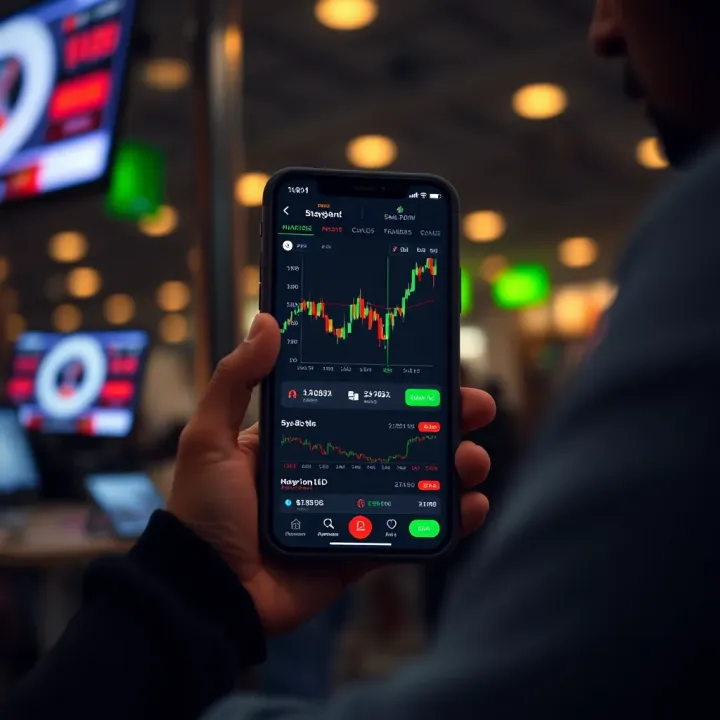
Discover how to choose the best online trading apps in India 📱 with tips on security, costs, usability, & support. Start trading smartly & avoid common mistakes!
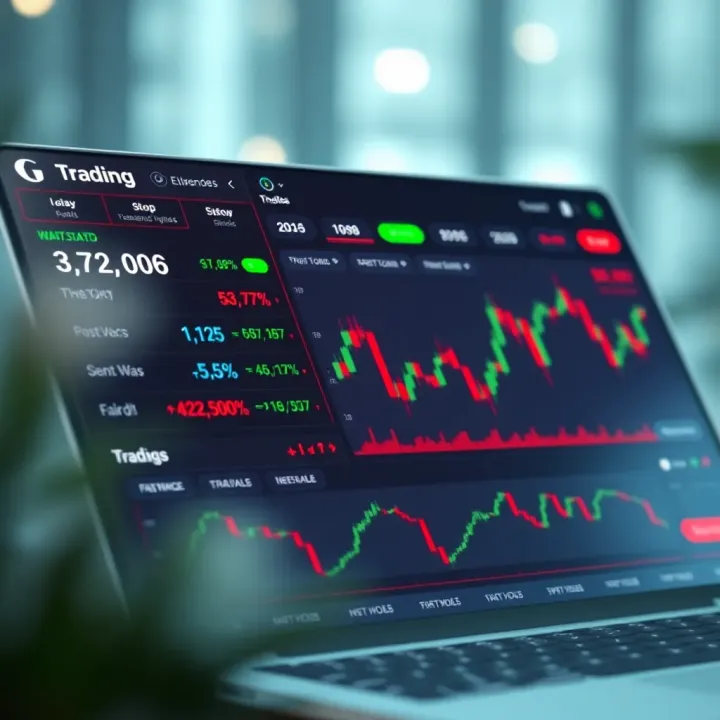
📈 Discover how to pick the best trading app in India! Compare features, fees, security & tools to match your investing style and goals easily.
Based on 7 reviews