
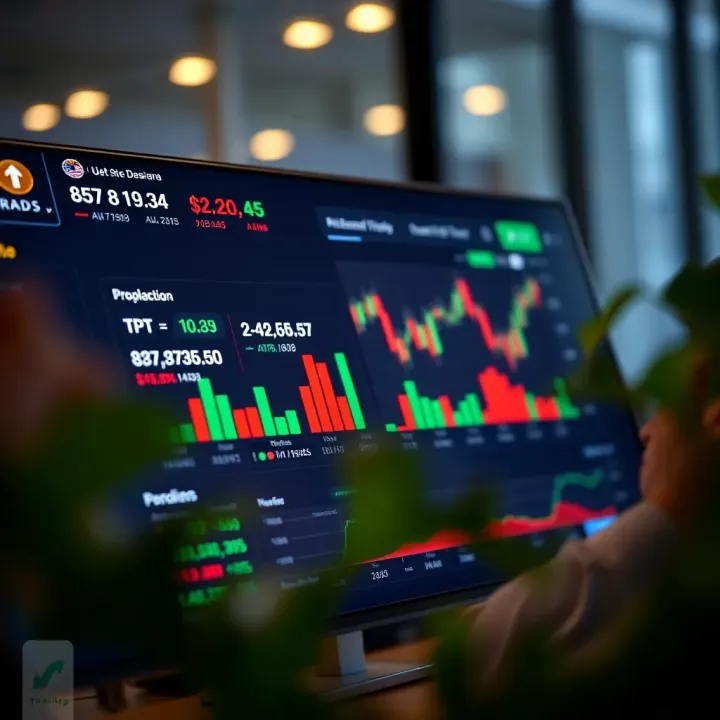
Free Paper Trading Platforms for Indian Investors
📈 Discover top free paper trading platforms for Indian investors! Practice trading stocks risk-free, build skills, manage risk, and gain confidence before live markets.
Edited By
Henry Collins
Paper trading is a simple yet effective way for Indian investors to sharpen their stock market skills without risking real money. It replicates live trading environments, letting you try out different investment strategies and tools as if you were dealing with actual funds. This practice is especially useful for beginners and analysts who want to understand market dynamics before committing capital.
Most paper trading platforms provide access to real-time or slightly delayed market data, offering a practical feel of trading stocks, commodities, or derivatives. For instance, platforms like Upstox and Zerodha’s Kite offer virtual trading accounts where you can execute buy and sell orders in a simulated environment. Besides practising orders, you can also test risk management, portfolio diversification, and timing tactics.
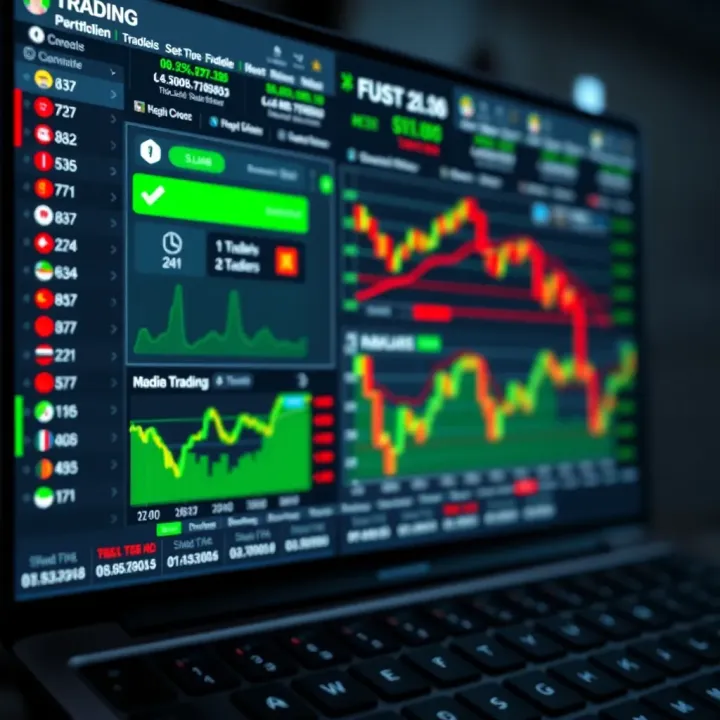
The key benefits of paper trading include:
Risk-free learning: Experiment with various market scenarios without risking ₹₹₹ of your own money.
Strategy validation: Backtest techniques and fine-tune your approach based on simulated results.
Market familiarisation: Understand how market orders, limit orders, and stop-loss work practically.
Investing even a few weeks in paper trading can build confidence, reduce costly errors, and improve decision-making in real markets.
When selecting a platform, look for features such as:
Access to live NSE and BSE data
User-friendly interface compatible with mobile and desktop
Tools for technical analysis like charts and indicators
Flexibility to trade different asset classes
Understanding these points helps you choose the right paper trading platform that meets your experience level and investment goals. This foundation boosts your readiness when transitioning to real trading, making your initial steps far smoother and more informed.
Paper trading is a practice tool for investors to simulate buying and selling stocks without using real money. It provides a safe space to test strategies and understand market movements before committing actual funds. For Indian investors, where entering live markets can involve steep learning curves and real financial risks, paper trading offers a valuable opportunity to build confidence and skill.
Paper trading involves making virtual transactions that mirror real market conditions, but with no financial risk. Imagine you have ₹1,00,000 virtual capital; you use this amount to buy and sell shares just like in the stock market, but the money isn't real. Your trade outcomes depend on actual market prices, so you experience market volatility and execution processes without losing real money. This method is especially useful for beginners to practise order placement, timing, and strategy without stress.
One main advantage is the chance to make mistakes without financial loss. New traders often find live markets nerve-wracking, leading to panic selling or impulsive buying. Paper trading helps reduce such emotional reactions. Additionally, you can explore different strategies—like day trading or investing in derivatives—without the fear of losing capital. It also allows you to understand brokerage software, charts, and indicators familiar to Indian markets, such as those provided by Zerodha or Upstox.
Another benefit lies in cost efficiency. Live trades involve brokerage charges and taxes, which can add up quickly during learning. Paper trading eliminates these costs entirely.
Many Indian traders use paper trading to prepare before events like the Budget announcement or RBI monetary policy decisions, where markets tend to be volatile. Stock market students preparing for certifications like NCFM or NISM often practise trading concepts through simulators to get hands-on experience. Even experienced traders use paper trading to test new strategies or backtest ideas without risking capital.
Paper trading is a practical way to understand market behaviour, refine your trading skills, and gain the experience to transition smoothly to live trading.
In summary, paper trading is a risk-free method for Indian investors to sharpen their skills, test different market scenarios, and get comfortable with the trading platforms widely used across India. It builds the foundation needed for smarter, more confident investment decisions.
Choosing the right paper trading platform can make a big difference to your learning curve and confidence before entering live markets. You'll want to focus on specific features that closely mimic real trading environments, offering realistic practice and useful insights. For Indian investors, these features need to align with the way our markets operate and support the instruments you’ll trade.

A paper trading platform must provide market data that's as close to the live market as possible. This means updates for stock prices, indices, commodities, and currency pairs should happen with minimal delay. For instance, platforms that offer real-time or near real-time data let you experience how price movements affect your orders instantly. Delayed or static data leads to a false sense of market conditions, which can misguide your strategy development.
Moreover, realistic order execution is vital. The platform should simulate order types commonly used in trading, like market orders, limit orders, stop losses, and even advanced ones like bracket orders if possible. This helps you grasp how orders are filled or rejected in different scenarios, including volatility or low liquidity phases, just as it happens on NSE or BSE.
No matter how accurate the data, a clunky user interface (UI) can spoil the experience and make it hard to learn effectively. Indian investors, ranging from beginners to seasoned traders, benefit from platforms with clear layouts, intuitive controls, and easy navigation. For example, having a dashboard that clearly shows your portfolio, watchlists, order book, and trade history without too many clicks saves time and reduces confusion.
Remarkably, mobile compatibility is also important as many users trade via smartphones. Platforms like Zerodha's Kite offer a clean UI on both desktop and mobile apps, making it easy to switch devices without losing track.
Since you're practising for real-life Indian markets, the platform must let you trade Indian securities such as NSE/BSE stocks, derivatives like futures and options, mutual funds, and even bonds or government securities if available. Some platforms offer only US or global market instruments, which won’t help if your aim is to trade Indian shares.
Consider platforms that include commodities traded on MCX or NCDEX, since many Indian investors diversify into these sectors. A restricted or incomplete instrument list limits your ability to test diversified strategies.
Good paper trading platforms equip you with charts, technical indicators, and fundamental data to make informed decisions. Tools such as moving averages, RSI, MACD, and candlestick patterns help you analyse market trends like a real trader.
Beyond charts, reporting features that track your trades, profits, losses, and risk metrics over time provide valuable feedback. For example, a monthly performance report lets you spot successful strategies and areas needing improvement. These insights sharpen your decision-making before you commit real money.
A platform with realistic data, simple interface, Indian market coverage, and strong analysis tools creates a training ground that closely mirrors live trading, making your transition smoother.
Focusing on these key features when choosing a paper trading platform ensures your practice is not only risk-free but also genuinely useful for real-world investing in India.
Choosing the right paper trading platform is essential for Indian investors who want to sharpen their market skills without risking actual money. The best platforms combine realistic market data, ease of use, and support for Indian securities like those on NSE and BSE. Practising on these platforms can help you get comfortable with order types, charting tools, and market timings typical to India’s exchanges. Plus, some platforms offer educational resources tailored for Indian markets, which is quite handy.
Zerodha is one of India's leading brokers, and its Varsity educational platform pairs well with the Kite Trading Simulator. The simulator replicates NSE and BSE trading environments, allowing users to practice spot, futures, and options trading. It offers real-time market data, which makes the experience realistic. Beginners can use the Varsity modules to build a solid theoretical foundation before trying out strategies on the Kite simulator. This platform is especially good if you want to learn and practise within a single ecosystem.
Upstox offers a demo account for its Pro trading platform, popular among Indian retail traders. The demo allows you to test trading strategies on NSE, BSE, and MCX instruments without real money. It features advanced charts, technical indicators, and order book depth, mimicking live market scenarios closely. Upstox’s user-friendly interface eases the learning curve, making it a practical choice for both beginners and intermediate traders. It also supports quick switching between instruments and lots of order types.
NSE Paathshaala by the National Stock Exchange is designed specifically with Indian new investors and students in mind. It offers a virtual trading platform covering equities, derivatives, and mutual funds with simulated funds. What sets it apart is its integration into NSE’s educational initiatives, fostering learning alongside practice. Its market data is accurate according to Indian market hours, making it reliable for training. For someone serious about Indian markets and regulatory frameworks, NSE Paathshaala is a solid option.
TradingView Paper Trading provides a versatile global platform that Indian investors can access freely. Its appeal lies in a highly customisable interface, advanced technical charts, and a wide array of asset classes beyond Indian securities. You can practise strategies on NSE stocks by linking TradingView with certain Indian brokers. It's great for those who want to experiment with international styles of charting and technical analysis alongside Indian equities.
Investopedia Simulator offers an educational environment with a broader focus on US and global markets, but its inclusion is helpful for new Indian investors keen on understanding global market dynamics. Though less focused on Indian stocks, it allows practising order execution and portfolio management with $100,000 virtual cash. It brings gamified elements and community challenges that make learning interactive, useful for those who prefer a fun approach to building market confidence.
Selecting a paper trading platform aligned with Indian market needs helps investors build confidence and reduce costly mistakes before venturing into live trading.
By choosing platforms like Zerodha's Kite, Upstox Pro, NSE Paathshaala, or even global options like TradingView and Investopedia Simulator, Indian investors can practise extensively with tools and data that reflect the real trading environment they will face.
Paper trading serves as a sandbox for investors to test strategies and sharpen skills without risking real money. For Indian investors, it offers a practical way to understand market dynamics and chart their progress before stepping into the live trading arena.
Starting with a clear trading plan anchors your paper trading experience. Define what you want to achieve: Are you testing intraday strategies or long-term investment ideas? Setting measurable targets, like achieving a 5% monthly return or limiting losses to 2%, helps you track progress meaningfully. For instance, a beginner could set a goal to simulate five trades per week focusing on stocks from the Nifty 50 index. This disciplined approach turns paper trading from aimless clicking into purposeful practice.
Paper trading only pays off if you review your trades critically. Maintain a trading journal to record entry points, stop-loss levels, and exit reasons. Review this data weekly to identify patterns in your wins and losses. For example, you may notice consistently missing out on gains by exiting too early or holding losing positions longer than ideal. Recognising such habits allows you to refine your strategy. Tools available on platforms like Zerodha Kite or Upstox demo feature detailed reports to make this analysis easier.
While paper trading is invaluable, it doesn't capture the emotional pressures of real investing. The absence of actual money at stake can lead to overconfidence or riskier decisions. Also, simulated environments might not fully reflect market liquidity or slippage—important factors in live trades. Keep this in mind to avoid unrealistic expectations. Treat paper trading as a stepping stone; once confident, consider starting small with live trades to experience real-market conditions.
Consistent practice combined with careful review helps transform paper trading into a powerful learning tool, but always remember its limits before fully committing real funds.
By creating a solid plan, analysing your simulated trades, and understanding the gaps between paper and live trading, you build investing skills steadily and responsibly. For Indian investors keen on improving without immediate financial risk, paper trading should be a regular part of their learning curve.
Selecting the right paper trading platform can make a real difference in how effectively you practise and refine your trading skills. Beyond just finding one that mimics real market conditions, you need a platform that suits your learning style, offers transparency about fees or limitations, and supports a smooth transition to live trading. These practical tips will help you avoid common pitfalls and get the most out of simulated trading.
Starting with paper trading should be hassle-free. Look for platforms that offer straightforward account setup without lengthy documentation or waiting periods. For example, platforms like Zerodha Kite simulator only require basic details and let you jump into trading the same day, which works well for freshers testing strategies before risking capital. Also, make sure the interface guides you clearly through placing fake orders and tracking performance. Immediate hands-on experience helps build confidence early on.
Though paper trading uses virtual money, some platforms can charge for premium tools or impose limits on trades, expiry dates of demo accounts, or restrict certain instruments. Platforms like Upstox Pro demo may have restrictions on how long you can hold a position in a simulated environment. It’s smart to review these details before committing. Hidden fees or tricky clauses can interrupt your learning phase. Always choose platforms that transparently disclose any charges and offer enough flexibility to explore various strategies within Indian market contexts.
The gap between paper and live trading feels bigger than expected when real money enters the picture. To ease this transition, pick platforms that let you move from demo to live accounts within the same app or ecosystem, avoiding the hassle of new logins or unfamiliar dashboards. Practice discipline by setting clear rules during paper trading — such as stop-loss limits and position sizing — then mirror these in live markets. Remember, emotions like fear or greed affect live trades differently, so use paper trading primarily to build habits, not just test ideas.
Getting the right start with a platform that fits your needs saves time and frustration later. Clear setup, no surprises on costs, and smooth migration to real markets help you learn faster and trade smarter.
By focusing on these practical elements, Indian investors can select paper trading platforms that truly prepare them for real stock market challenges, making simulated practice both productive and relevant.
📈 Discover top free paper trading platforms for Indian investors! Practice trading stocks risk-free, build skills, manage risk, and gain confidence before live markets.
📈 Discover how new stock paper trading works, its pros & cons, tips for beginners in India, smart strategies, tools, common errors, and learning resources.
📈 Learn how online paper trading works in India! Discover the best platforms, setup tips, common challenges, and smooth ways to switch to real investing.

Find the best trading app for your investment needs! 📱 Explore features, ease of use, security 🔒 & cost, plus top platforms in India 🇮🇳 to match your goals.
Based on 14 reviews