
Top Trading App in India: Features & Benefits
Explore the leading trading app in India 🇮🇳 with insights on features, user experience, security, and market support to make smart investment choices 💹📱
Edited By
Emily Foster
Choosing the right stock trading app in India can feel like finding a needle in a haystack, especially with so many options crowding the market. Whether you are a newbie investor or a seasoned trader, selecting a platform that suits your needs is critical for smooth and effective trading.
First off, ease of use should top your checklist. A clutter-free interface, quick navigation, and clear order placement can save you from costly mistakes. For example, Zerodha's Kite app is popular for its simple layout and quick execution, making it friendly even for beginners.
Next, pay attention to the brokerage fees and charges. Every trade costs you money in brokerage and other fees. Some apps offer zero brokerage on equity delivery trades but charge a flat fee for intraday or derivatives trading, like Upstox. Compare these fees carefully because they directly impact your profitability.
Security is another vital factor. The app must have strong encryption, two-factor authentication, and comply with regulatory standards set by the Securities and Exchange Board of India (SEBI). ICICI Direct, for instance, emphasises security alongside its robust trading features.
Never compromise on customer support. Quick and effective support can help you resolve issues faster and prevent losses. Look for apps with 24/7 helplines or responsive chat support.
Beyond these basics, consider value-added features:
Research tools and charts for technical analysis
Real-time market news and updates
Margin and fund management options
Integration with bank accounts for instant fund transfer (via UPI, NEFT)
Before you commit, test apps through their demo versions or use trial periods to get a feel for their performance.
Investors should also keep an eye on app reviews and ratings on platforms like the Google Play Store or Apple App Store, but don't rely solely on them—personal experience matters most.
By focusing on these practical elements, your choice will be grounded in what really matters, helping you trade confidently and efficiently.
Choosing the right stock trading app depends heavily on understanding its key features. These features directly impact your trading ease, costs, security, and overall experience. For example, an app with a clunky interface might slow you down during critical moments, while hidden fees can quietly reduce your profits. Let's explore what really matters.
Navigation simplicity is vital. Traders need an app that helps them find stocks, execute orders, and check portfolios with just a few taps. Imagine trying to buy shares during market hours and getting lost in nested menus—that only hurts your chances. Apps like Zerodha Kite excel here by offering clean layouts that reduce confusion.
Mobile responsiveness means the app performs well on various smartphones, from budget to flagship models. Many users trade on mid-range mobiles, so lag or crashes can be costly. A responsive app adapts smoothly to screen sizes and keeps load times low, preventing frustrating delays.
Customisable dashboards allow users to personalise what info appears first—be it market indices, favourite stocks, or watchlists. This flexibility helps traders focus on details relevant to their strategy. For instance, a day trader might prioritise live price charts, while a long-term investor wants quick access to portfolio summaries.
Flat fee vs percentage-based charges differ significantly. Flat fees mean you pay the same brokerage regardless of trade size, often benefiting high-volume traders. Percentage-based fees vary with trade value, sometimes better for smaller trades. Upstox offers flat brokerage on equity delivery, which appeals to active traders.
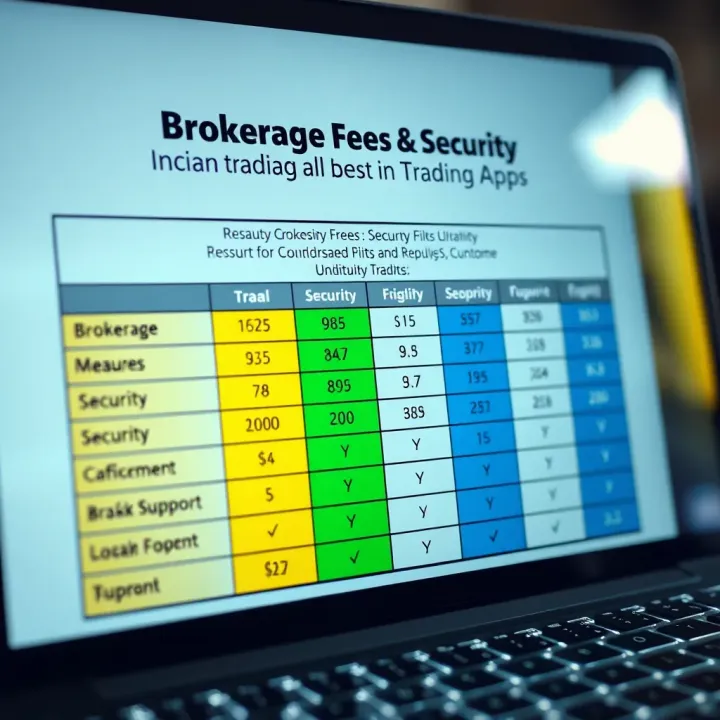
Watch out for hidden fees like platform usage charges, transaction fees beyond brokerage, or demat account maintenance charges. These can add up unnoticed, especially with frequent trading. Reading the fine print before signing up helps avoid nasty surprises.
Trading frequency impacts costs directly. High-frequency traders face accumulating charges that can erode profits, so they need apps with minimal fees and quick execution. Casual investors trading occasionally benefit from lower flat fees or zero brokerage on delivery trades.
The ability to trade equity, derivatives, and commodities broadens your portfolio choices. Some apps limit you to shares on the National Stock Exchange (NSE), while others also include options, futures, or commodities like gold. Angel One, for instance, offers a wide range allowing diversified strategies.
Access to both NSE and Bombay Stock Exchange (BSE) provides a wider selection of stocks. While NSE carries most volume, BSE lists companies some traders prefer for price or liquidity reasons. An app covering both eases acquisition of desired stocks.
Real-time data availability is non-negotiable for active traders. Delays of even seconds can lead to missed opportunities, especially during volatile sessions. The faster the price updates and charts refresh, the better your decision-making.
SEBI registration is mandatory for legitimate brokers. Choosing apps registered with the Securities and Exchange Board of India (SEBI) protects your investments from fraud. It’s wise to check this before sharing personal and banking details.
Data protection measures like encryption and secure servers keep your information safe from cyber threats. With rising digital fraud, apps that invest in strong cybersecurity offer peace of mind.
Two-factor authentication (2FA) adds an extra security layer, ensuring only you can access your account. Besides passwords, you might need an OTP on your mobile, which counters unauthorised trading effectively.
A variety of support channels—chat, phone, email—helps resolve issues quickly. For example, during a market rush, being stuck with no way to contact support can cause missed trades.
Response time and problem resolution quality matter as well. Slow replies or unresolved complaints can frustrate traders and increase risks.
Finally, many beginners appreciate apps that provide learning materials like tutorials, webinars, or blogs. Groww is known for its beginner-friendly guides that ease newcomers into investing.
Choosing the right trading app means balancing ease of use, cost, market access, security, and support. These factors together build a platform that suits your trading style and keeps your investments safe.
This section offers a clear comparison of the top stock trading apps available in India, helping you pick the right platform based on your needs. Comparing apps like Zerodha Kite, Upstox Pro, Angel One, HDFC Securities, and Groww lets you assess key factors such as features, charges, and user experience. Each app has unique strengths, so understanding their differences can save you time and money.
Key features and usability: Zerodha Kite is known for its simple yet powerful interface, appealing to both beginners and experienced traders. Its clean design focuses on easy navigation and quick order execution, making it practical for daily trading. Advanced charting tools and third-party integrations also add value for serious investors.
Brokerage and charges: Zerodha offers a flat ₹20 brokerage per trade on equity derivatives, which benefits frequent traders by capping costs. Equity delivery trades, however, come with zero brokerage, making it attractive for long-term investors. There are no hidden fees, which ensures transparency in costs.
Strengths and limitations: The app’s strength lies in its low-cost structure and user-friendly design. Yet, for those seeking a full-service brokerage with research reports or calls, Zerodha might seem barebones. Also, limited customer service hours could frustrate some users.
Trade options and markets covered: Upstox Pro provides access to a variety of instruments including equities, commodities, currencies, and derivatives on NSE and BSE. This broad market coverage suits active traders who want to diversify within one app.
Fee structure: Upstox follows a discount brokerage model with flat fees similar to Zerodha—₹20 per intraday or F&O trade and zero for equity delivery. Occasional promotions reduce these charges further, making it cost-effective.
User experience and tools: The app is praised for its fast order placements and advanced charting tools. Customisable watchlists and real-time alerts improve trading efficiency. However, new investors might find its features complex initially.
Investment products offered: Angel One delivers a wide range of options — from equities and mutual funds to insurance and IPO investments. This makes it a one-stop app for investors looking to manage diverse portfolios.
Brokerage and offers: It offers zero brokerage on equity delivery and multiple plans including a fixed-price plan for traders. Periodic discounts and cashback offers add to its appeal.
Customer service features: Angel One scores well with dedicated customer support through phone and chat. Educational content and webinars supplied by the app help beginners understand market basics and strategies.
Integrated banking and trading: Linked to HDFC Bank accounts, this app provides seamless fund transfers alongside trading. Integration reduces delays in settlements and offers consolidated financial management.
Charges and plans: While not the cheapest, its brokerage structure includes tiered plans suited for different trading volumes. Price is slightly higher but justified by added convenience and bank backing.
App performance and support: The app performs reliably with stable uptime and smooth order execution. Customer support availability is strong, helping with technical issues and account services promptly.
Ease of use for beginners: Groww’s interface is clear and intuitive, ideal for new investors stepping into stock trading. Simplified navigation and straightforward processes make investing less daunting.
Range of investment options: Besides stocks, Groww includes mutual funds and ETFs, enabling easy portfolio building within a single app. Its focus on educational content supports investor learning.
Costs and limits: Groww offers zero brokerage for equity delivery and competitive charges on other segments. It does not impose high minimums, encouraging users to start with small amounts.
Choosing the right app depends on your trading style, investment goals, and preference for features like advanced tools or easy user experience. The comparison here highlights options suited to different investor profiles, helping you make an informed choice.
Selecting the right stock trading app depends largely on aligning the app’s features with your specific investment goals and preferences. Not all apps suit every investor, so understanding what you want to achieve helps avoid regrets later. For example, an app rich in real-time data and advanced charting tools suits active traders, while beginners may prefer simpler interfaces with educational support.
Your approach to investing shapes the choice of app. If you plan to hold investments for years, features like easy portfolio tracking, SIP (Systematic Investment Plan) options, and research reports become valuable. For instance, Groww offers a great interface for mutual funds and long-term equity investing. On the other hand, active traders require faster order executions, in-depth technical indicators, and low brokerage charges. Zerodha Kite and Upstox Pro are popular among frequent traders for their swift execution and robust tools.
Some apps focus broadly on equities, derivatives, and commodities, while others specialise in mutual funds or bonds. Say you prefer commodity trading along with equities; apps like Angel One provide diverse asset exposure. But if your interest is largely in investing in IPOs or government securities, check whether the app supports these options before signing up. It prevents disappointment and extra app downloads later.
The cost factor influences your choice, especially if you trade often or in small amounts. Indian stock trading apps vary between flat fees (₹20 per trade regardless of size) and percentage-based charges. For example, if you trade in small quantities regularly, flat fees from Zerodha can save money compared to percentage-based charges that accumulate quickly. Also, watch out for hidden transaction fees like stamp duty or GST which can add up. Knowing your budget beforehand helps pick an app that doesn’t erode your profits unnecessarily.
Before putting money on the line, try using demo accounts or trial versions many apps offer. This hands-on experience shows how intuitively you can place orders, check portfolio stats, or set alerts. For instance, Upstox offers a demo feature to simulate live trading, which helps gauge whether the app feels comfortable for daily use.
User reviews are a treasure trove but require careful reading. Focus on recent feedback concerning app stability during market hours, customer support responsiveness, and hidden charges. Beware of overly positive or maliciously negative reviews—they may not tell the whole truth. Combining multiple sources like app stores, forums, and social media paints a clearer picture.
Talk to seasoned traders or join investment groups where members share app experiences openly. Insights from people who faced market volatility or technical glitches can highlight practical pros and cons beyond marketing claims. An investor might caution you about poor customer service in a particular app or praise another for smooth fund transfers, helping you make a balanced choice.
The Securities and Exchange Board of India (SEBI) regulates stockbrokers and trading platforms. Using only SEBI-registered apps ensures legal protection and reduces chances of fraud. SEBI maintains an updated list of authorised brokers; cross-checking this avoids falling prey to unauthorised entities.
Trading apps hold sensitive personal and financial information. Check if the app mentions encryption standards like SSL/TLS to protect your data during transactions. For example, apps with two-factor authentication and biometric log-ins add layers of security against hacking.
Despite best efforts, issues like transaction failures or fund discrepancies can arise. A reliable app clearly states its complaint redressal mechanism and timelines. Knowing how quickly and effectively the platform handles disputes saves you from prolonged headaches, especially during peak trading periods.
Choosing a stock trading app without considering these factors can cost you money, time, and peace of mind. Take a methodical approach, test options, and confirm security to trade confidently and efficiently.
By carefully assessing your goals, testing apps, and verifying credentials, you make a well-informed choice that suits your trading style and safeguards your interests.
Mobile trading apps have made stock trading accessible and convenient, but they also bring unique risks. To trade safely and efficiently, understanding how to protect your account, monitor the market wisely, and avoid common pitfalls is essential. This helps investors not just preserve capital but also make better decisions in real time.
Use of strong passwords is the first line of defence to keep your trading account secure. Avoid simple passwords like birthdays or consecutive numbers, which hackers easily guess. Instead, use a mix of letters, numbers, and special characters. For example, a password like "Tr@de2024$" is harder to crack and protects your assets from unauthorised access.
Regularly updating the app ensures your trading platform has the latest security patches and feature enhancements. Apps frequently release updates to fix vulnerabilities. Ignoring these updates leaves your account open to cyber threats. For instance, Zerodha and Upstox send update notifications – though it might be tempting to postpone, install them soon after release.
Enabling two-factor authentication (2FA) adds an extra security layer by requiring you to enter a one-time code along with your password. Even if someone steals your password, they can’t access your account without this code. Most Indian trading apps like Angel One and Groww offer 2FA via SMS or authenticator apps, making this step vital to guard against hacking.
Integrating news feeds in the app helps investors react promptly to market-moving events. Whether it's budget announcements, RBI rate changes, or corporate earnings, real-time news within the app keeps you informed. Apps like HDFC Securities provide integrated news so that you don’t need multiple sources.
Setting price alerts lets you track specific stocks without constantly watching the market. For instance, if Reliance Industries hits ₹2,500, your app alerts you instantly. This feature aids in timely decision-making and limits losses when prices move unfavourably.
Following trusted financial sources is crucial to avoid rumours and misinformation. Depend on respected platforms like Moneycontrol, Economic Times, or Mint for updates. Blindly trusting unofficial social media tips can lead to bad trades.
Not chasing losses prevents investors from doubling bets after a loss, which often causes bigger damage. If a share dips, evaluate logically rather than rushing to recover losses. Genuine examples from Sensex fluctuations show how patience beats impulsive trading.
Sticking to a strategy means following your planned investment approach, whether long-term or intraday. Frequent course corrections based on market noise can erode profits. For instance, a Systematic Investment Plan (SIP) is powerful only if you maintain consistency.
Avoiding impulsive decisions stops emotionally driven trades triggered by hype or fear. Successful traders base choices on analysis and evidence, not crowd panic. When markets fall sharply, resisting panic selling preserves capital for recovery.
Safe and efficient trading comes down to protecting your data, staying informed smartly, and controlling emotions. These practical tips can help you avoid costly mistakes and build a resilient investment approach.
Explore the leading trading app in India 🇮🇳 with insights on features, user experience, security, and market support to make smart investment choices 💹📱

Explore the top trading apps in India 📱! Compare features, security 🔒, and instruments to find the best platform tailored for your investing style.

📈 Discover the world's top trading app! Explore its features, security, and user benefits tailored for Indian traders and global markets. 🚀📱
Discover why this top trading app is a favorite among Indian investors 🇮🇳! Explore its features, trading types, security, and cost-saving benefits 📈🔒
Based on 14 reviews