
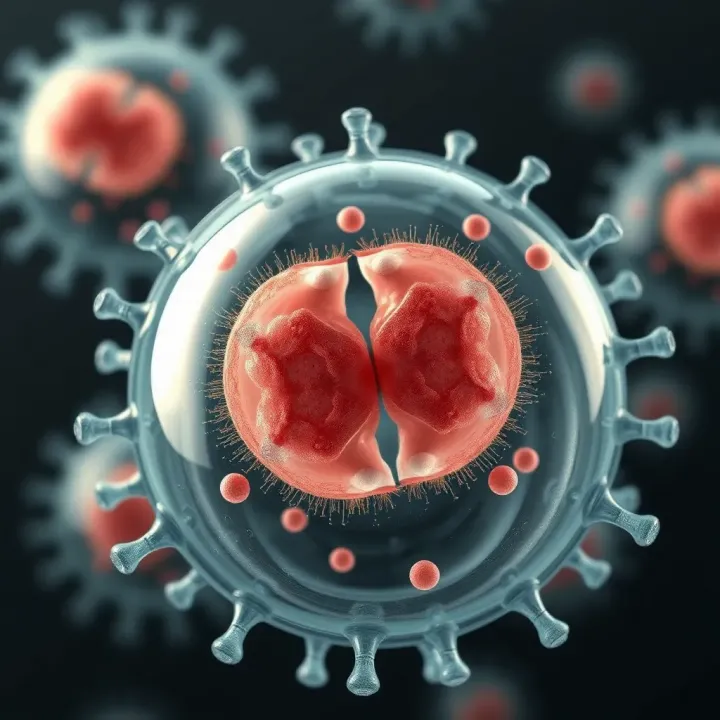
Binary Fission Explained: How Organisms Reproduce
Discover how binary fission helps bacteria reproduce rapidly by splitting into two identical offspring. Learn key stages and its role in microbial growth 🦠🔬
Edited By
Charlotte Green
Binary fission is the primary process by which bacteria reproduce and multiply. Unlike more complex organisms that use sexual reproduction, bacteria divide asexually, creating two identical daughter cells. This simple yet efficient mechanism explains how bacterial populations can grow rapidly, especially under favourable conditions.
The process begins with the replication of the bacterial DNA, which is a crucial first step. The single, circular chromosome duplicates itself, ensuring each new cell inherits a complete copy of genetic material. This is followed by elongation of the cell, where it physically grows longer to prepare for the split.
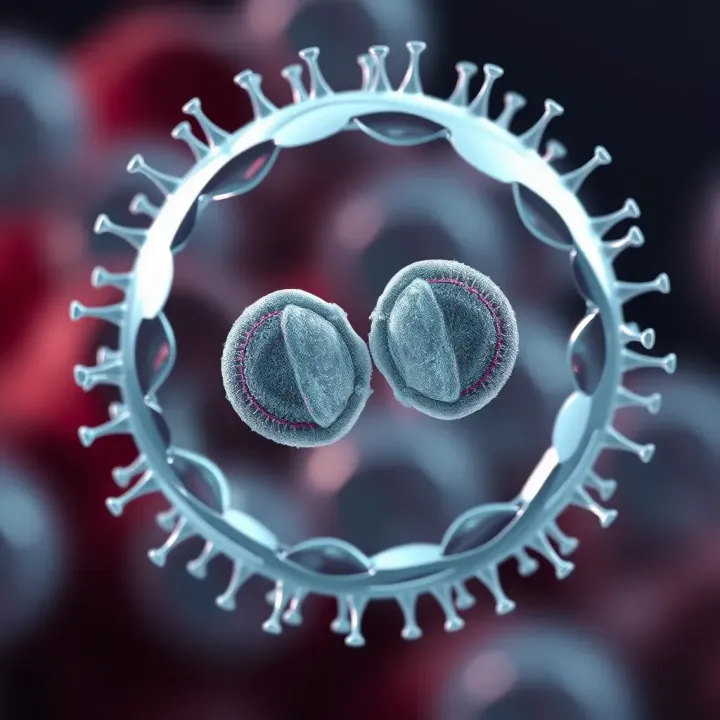
Subsequently, the cell membrane constricts at the centre. Protein structures, such as the FtsZ ring, form around the midpoint, guiding the inward folding of the membrane and synthesis of the new cell wall. Eventually, this constriction deepens until the parent cell divides into two separate cells.
Binary fission allows bacteria to respond quickly to environmental changes and resource availability, often doubling their numbers in just 20 minutes under ideal conditions.
Three key aspects influence the rate and success of binary fission:
Nutrient availability: Adequate supply of nutrients like glucose and nitrogen is essential for DNA replication and cell growth.
Temperature: Most bacteria grow best between 20°C to 40°C, though some can thrive in extreme heat or cold.
Genetic factors: Mutations or disruptions in genes controlling division proteins can slow or halt the process.
Understanding binary fission is critical not only for grasping bacterial biology but also for practical applications. For instance, in antibiotic development, targeting the proteins involved in division can help control bacterial infections. In biotechnology, harnessing rapid bacterial growth aids mass production of enzymes or vaccines.
This rapid, straightforward method of reproduction offers bacteria a survival edge, enabling them to adapt swiftly to stresses or colonise new environments. Particularly for students and analysts studying microbiology or infectious diseases, recognising how binary fission works is fundamental to interpreting bacterial behaviour and treatment strategies.
Binary fission stands at the heart of bacterial reproduction, driving rapid population growth that impacts ecosystems, industries, and health sectors alike. Understanding this process sheds light on how bacteria adapt to environments and respond to challenges like antibiotics.
Binary fission is a straightforward, efficient method of asexual reproduction where a single bacterial cell splits into two identical daughter cells. Unlike sexual reproduction, this process does not involve the fusion of gametes. The bacterial DNA replicates first, then segregates equally before the cell divides. For example, Escherichia coli - a common gut bacterium - doubles its population every 20 minutes under ideal conditions via binary fission. This simplicity allows bacteria to colonise niches rapidly, from soil to human intestines.
Binary fission is crucial for bacterial survival and proliferation. It maintains genetic stability across generations but also enables swift adaptation through mutations arising during DNA replication. During infections caused by pathogens such as Staphylococcus aureus, binary fission fuels exponential growth, complicating treatment efforts. Moreover, binary fission underpins industrial applications like yoghurt production, where beneficial bacteria multiply efficiently. Understanding these dynamics helps researchers devise better antibiotics and optimise fermentation processes.
Binary fission is not just a biological process; it's central to how bacteria sustain populations, spread infections, and serve industries.
This overview sets the stage to explore the detailed stages of binary fission, factors influencing its pace, and its variations across bacterial species. By grasping these foundational concepts, investors, traders, students, and analysts can better appreciate bacterial growth patterns relevant to sectors such as pharmaceuticals and biotechnology.
Understanding the detailed stages of binary fission is key to grasp the process through which bacteria reproduce swiftly and efficiently. Each phase—replication of DNA, segregation of chromosomes, and cytokinesis—works in a precise order to ensure that the resulting daughter cells are genetically identical and fully functional. This stage-by-stage breakdown highlights how bacteria adapt rapidly, which has direct implications for sectors like healthcare, agriculture, and biotechnology.
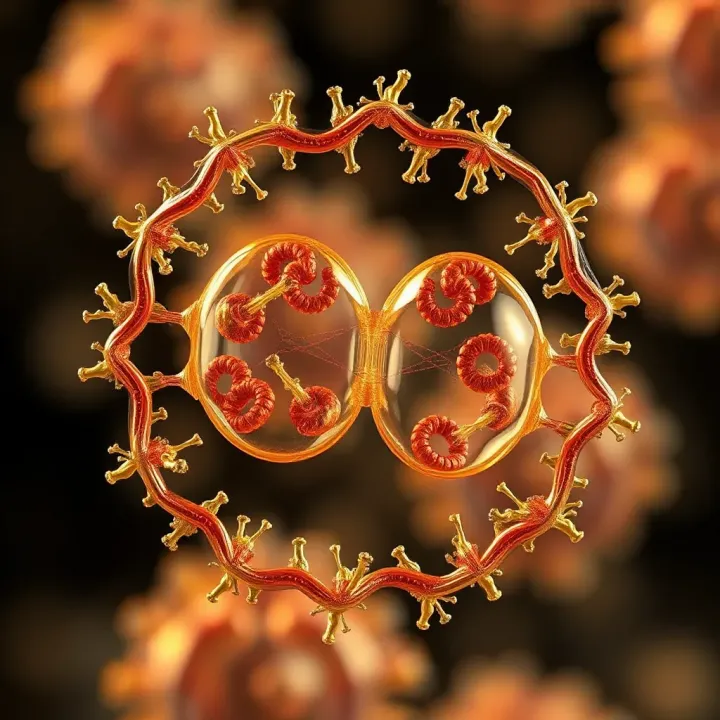
The first and crucial step in binary fission is the replication of the bacterial DNA. Before a bacterium divides, it duplicates its single circular chromosome to ensure each daughter cell has a complete genetic set. This replication begins at a specific site on the DNA called the origin of replication. The process is swift, often completed within minutes for fast-growing bacteria like Escherichia coli. Inside the bacterial cell, enzymes like DNA polymerase II play a central role in copying the DNA strand accurately.
For example, E. coli can double its DNA in about 20 minutes under optimal conditions such as adequate nutrients and a temperature around 37°C. This rapid replication supports quick population growth, an aspect crucial when investigating bacterial infections or fermentation processes in industries.
Once the DNA is replicated, the next phase is the segregation of chromosomes. The two identical copies must move to opposite ends of the cell to prepare for division. Bacterial proteins, such as ParA and ParB, facilitate this movement by attaching to the DNA strands and guiding them apart. This step ensures that each new daughter cell receives an identical set of genetic instructions.
An example is seen in Bacillus subtilis, where chromosome segregation is closely coordinated with the growth of the cell membrane. If segregation fails, it can lead to genetic anomalies, making this stage critical for bacterial survival and stable inheritance.
The final stage is cytokinesis, where the cell physically divides into two daughter cells. A protein called FtsZ forms a ring at the future division site in the middle of the bacterium. This ring contracts, pulling the cell membrane inward until the original cell splits into two separate entities.
These daughter cells are genetically identical and capable of repeating the process quickly. For instance, in Salmonella typhi, this process is tightly regulated so that the new cells can adapt quickly to environmental stressors, contributing to its infectious nature.
The detailed stages of binary fission are not just basic biology—they're fundamental to understanding bacterial behaviour, resistance development, and industrial microbial management.
By breaking down each phase, from DNA replication to cytokinesis, we gain insight into the efficiency and reliability of bacterial reproduction. For investors and researchers, this knowledge aids in developing better antibiotics, optimising fermentation processes, and gauging bacterial growth under varying conditions.
The rate at which bacteria reproduce through binary fission depends heavily on external factors. Understanding these factors is key for fields ranging from clinical microbiology to industrial fermentation. Two primary influences are nutrient availability and environmental conditions, along with physical parameters like temperature and pH.
Bacteria require essential nutrients such as carbon, nitrogen, vitamins, and minerals to grow and divide. When nutrients are abundant, bacteria multiply rapidly; for instance, Escherichia coli in glucose-rich media can halve their population in as little as 20 minutes. Conversely, nutrient scarcity slows or even halts division. This is why bacterial growth is often faster in nutrient-rich environments like the human gut or fertile soil.
Environmental conditions beyond nutrients also play a role. Oxygen levels can determine the reproduction rate of aerobic versus anaerobic bacteria. For example, Clostridium species, which are anaerobic, thrive and reproduce quickly only in oxygen-free conditions. Moisture, too, affects the cell’s ability to divide, with dry environments suppressing binary fission. Hence, controlling these elements can help in managing bacterial growth, whether curbing infections or boosting production in biotechnology.
Temperature directly affects the enzymes responsible for replication during binary fission. Most bacteria favour moderate temperatures—mesophiles grow best between 25°C and 40°C. At optimal temperatures, enzymatic reactions speed up, facilitating quicker DNA replication and cell division. Outside this range, either too cold or too hot, enzyme function declines, slowing bacterial growth. For instance, Vibrio cholerae can multiply swiftly at 37°C, the typical human body temperature, explaining its rapid infection potential.
Similarly, pH levels impact bacterial growth rates by influencing cellular metabolism and membrane stability. Most bacteria prefer neutral to slightly alkaline conditions (pH 6.5 to 7.5), but acidophiles and alkaliphiles have adapted to proliferate in extreme pH environments. In industrial settings, adjusting pH can therefore help optimise bacterial productivity, such as in probiotic manufacture.
The rate of binary fission ties closely to how well the external conditions support bacterial metabolism and division cycles. Even small changes in nutrient supply, temperature, or pH can have significant effects on bacterial population growth.
Maintaining optimal nutrient levels and moisture supports sustained bacterial division.
Temperature control is essential in clinical, environmental, and industrial scenarios.
pH adjustments provide a practical way to either inhibit unwanted bacteria or boost desired microbial processes.
Overall, grasping these factors equips researchers, healthcare professionals, and industry experts to predict and manipulate bacterial growth more effectively.
Binary fission remains the fundamental reproduction mode across bacteria. However, the process varies among species in terms of speed, mechanisms, and adaptability. These differences matter because they influence bacterial growth rates, survival under stress, and response to antibiotics—key concerns for researchers and investors tracking microbial behaviour.
Division time—the period a bacterium takes to complete one binary fission cycle—can range widely. For example, Escherichia coli, a common gut bacterium, typically divides every 20 minutes under optimal conditions. Meanwhile, Mycobacterium tuberculosis, the pathogen behind tuberculosis, divides much slower, taking roughly 15–20 hours. This slower growth affects how infections progress and respond to treatment.
Several factors influence division time, including nutrient availability, temperature, and genetic traits. Species in nutrient-rich environments like the human gut grow quickly, enabling rapid population expansion. On the other hand, bacteria in harsh conditions, such as soil or extreme habitats, often divide slowly, conserving energy. This variation is crucial for scientists developing antibiotics or probiotics because it impacts how quickly bacteria can repopulate or resist drugs.
Not all bacteria follow the classic binary fission route precisely; some show unique division adaptations. For instance, Caulobacter crescentus divides asymmetrically, producing one motile swarmer cell and one stalked cell. This adaptation helps the bacterium colonise new environments effectively. Another example is Bacillus subtilis, which can form endospores under stress, halting division temporarily to survive unfavourable conditions.
Certain filamentous bacteria like Streptomyces use complex processes involving multiple division sites, unlike the single-site binary fission in typical bacteria. These specialised mechanisms improve survival and niche colonisation.
Understanding variations in binary fission across bacterial species is key to predicting their growth patterns, disease potential, and industrial uses. It enables targeted approaches in medical treatment, environmental management, and biotechnology.
In summary, while binary fission is a universal method, its variations reflect bacterial adaptation to diverse environments. For students and analysts, recognising these differences helps grasp the complexity of bacterial life and guides practical applications in healthcare and industry.
Binary fission is the cornerstone of bacterial multiplication, enabling rapid population expansion. In favourable environments, bacteria can double their numbers within minutes, thanks to this swift and efficient process. For instance, Escherichia coli can divide roughly every 20 minutes under optimal conditions, which leads to exponential growth and quick colonisation. This rapid multiplication is crucial not just for survival but also for bacterial adaptation, allowing populations to establish themselves quickly in diverse environments like soil, water, or the human gut.
Binary fission facilitates the rapid spread of antibiotic resistance genes, especially when bacteria carry plasmids that replicate alongside chromosomal DNA. As bacteria multiply quickly, resistant strains can dominate if antibiotics fail to kill them effectively. This means infections caused by such bacteria become harder to treat, leading to prolonged illness and increased transmission risks. For example, Staphylococcus aureus strains resistant to methicillin (MRSA) use binary fission to spread resistance traits fast in hospitals, complicating infection control efforts.
Industries leverage binary fission for practical benefits, especially in biotechnology and pharmaceutical sectors. Bacteria like Bacillus subtilis and E. coli are used to produce enzymes, vitamins, and antibiotics in large volumes by exploiting their fast reproduction. Additionally, researchers rely on bacterial binary fission to mass-produce recombinant proteins and vaccines. This method helps generate sizeable bacterial populations within a short timeframe, essential for efficient product yield. In environmental biotechnology, bacteria grown through binary fission degrade pollutants, helping in bioremediation.
Binary fission not only sustains bacterial life cycles but also directly impacts healthcare challenges and industrial productivity through bacterial growth dynamics.
Understanding the biological importance and applications of binary fission clarifies why this process is pivotal in both natural ecosystems and human endeavours. It shapes how bacterial populations evolve, resist treatments, and serve as tools in innovation and problem-solving.
Discover how binary fission helps bacteria reproduce rapidly by splitting into two identical offspring. Learn key stages and its role in microbial growth 🦠🔬
Learn about binary fission 📚, a simple asexual reproduction method in single-celled organisms. Understand its step-by-step process, biological role, and examples clearly.

Learn how binary search swiftly locates elements in sorted arrays by halving intervals each time. Master its logic, coding techniques, efficiency, and tips for smooth implementation 📊🔍

Master how to multiply binary numbers with easy steps and practical examples ✅ Perfect for students and tech enthusiasts looking to strengthen computing skills 💡
Based on 7 reviews