

Lowest Deposit Trading Apps for Indian Investors
Looking for the best lowest deposit trading app? Discover top apps for Indian investors with minimal capital, low fees, and features to fit your budget 📱💸.
Edited By
Daniel Edwards
Starting out in trading can feel like stepping into a game where the rules aren’t clear yet. For many Indian traders, the idea of investing big upfront is a major hurdle. That’s where low deposit trading apps come in—they let you open a trading account with a small amount of money, often as low as ₹100 or ₹200.
These apps have gained traction because they lower the entry barrier for beginners, allowing folks to test the waters without putting too much at risk. But just because the initial deposit is small, it doesn’t mean the risks vanish. Understanding how these platforms work, what to look out for, and how to manage your trades wisely is what this guide is all about.

We’ll walk you through the basics: what low deposit trading apps are, how they operate, and which features matter most when picking one. Plus, we'll cover how to handle risks smartly and stay within legal boundaries here in India. Whether you’re a newbie or someone looking to refine your approach with minimal funds, this article aims to give you practical advice that you can put to work immediately.
Remember, trading isn’t a get-rich-quick scheme. Even with low deposits, a thoughtful approach and clear understanding can make a difference between success and loss.
By the end, you’ll know how to navigate the trading space confidently, using platforms designed for traders starting out on a budget. Let's get into it and make sense of what’s out there for Indian traders with small budgets.
Low deposit trading apps are a gateway for many Indian traders stepping into the financial markets without putting a lot of money upfront. They’re designed to let users start trading with a small initial investment, sometimes as low as ₹100 or ₹200. This feature makes these apps particularly appealing for beginners or those cautious about risking big chunks of cash right off the bat.
The importance of understanding these apps lies in the balance they offer—providing access to markets while minimizing financial exposure. For instance, if you're an Indian retail trader curious about stocks or forex but don't want to commit thousands of rupees, these apps serve as a practical starting point.
Low deposit trading platforms can be a smart way to learn the ropes without feeling the pressure of large financial losses. But not all apps are created equal, so grasping what makes them tick helps you make informed choices.
The term "low deposit" refers to the minimum amount of money needed to open and fund a trading account. Unlike traditional brokers that may demand ₹10,000 or more to start, low deposit apps allow deposits as little as ₹100 or ₹500. This feature helps lower the entry barrier for anyone interested in trading, especially those just dipping their toes into the markets.
This minimum deposit threshold isn’t arbitrary; it’s set to ensure users have enough capital to execute trades but keeps the financial risk manageable. For example, apps like Zerodha or Upstox offer low initial funding requirements, making them favorites among beginners in India.
The primary users here are novice traders, students, or individuals with limited funds wanting to explore trading risks and rewards without burning a hole in their pocket. Small investors can test strategies, learn market behavior, and get comfortable placing trades.
Benefits include:
Affordable market entry: Start with pocket-friendly sums.
Hands-on learning: Gain experience before scaling up.
Lower financial risk: Reduced chances of significant losses at the start.
A practical example: Imagine a college student interested in the stock market but with only ₹1,000 to spare. Using a low deposit app, they can start trading in fractional shares or currency pairs, building knowledge while safeguarding their limited funds.
Most low deposit trading apps cover a variety of asset classes. Stocks and equity shares remain the most common, as seen in apps like Groww and Angel Broking. Forex trading is popular too, where currency pairs like USD/INR or EUR/USD are accessible.
Commodities such as gold and crude oil futures are often included to diversify portfolios, while cryptocurrencies like Bitcoin and Ethereum are gaining ground, especially on platforms supporting digital assets. For example, WazirX offers crypto trading alongside traditional instruments.
Having multiple instrument options matters because it allows traders to explore areas they're most comfortable with or find the best opportunities. A user interested only in tech stocks might prefer apps with extensive stock listings, while a currency trader favors forex pairs.
Additionally, some investors like to hedge risks by spreading funds across asset types—stocks, commodities, crypto—depending on market sentiment. This variety encourages a tailored trading experience.
In short, the wider the range of instruments an app offers, the more versatile it becomes for different trading styles and goals.
Understanding what low deposit trading apps offer and who they serve provides a solid foundation for Indian traders ready to take the plunge. With manageable investment thresholds and a variety of financial products, these apps make trading approachable and practical, especially for beginners.
Low deposit trading apps have carved a niche in India’s financial market by offering easy access to trading for those who aren't sitting on piles of cash. For many, the idea of opening a trading account with thousands of rupees is daunting. These apps break that barrier, making it possible to start with just a few hundred or thousand rupees. That’s a game-changer, especially for newcomers who want to dip their toes in without risking their life savings.
More than just the cost factor, these platforms cater well to the dynamic lifestyles of Indian traders. The convenience of trading on mobile, the simplicity of user interfaces, and educational tools built in all work together to keep trading approachable and less intimidating. So, why exactly do these apps appeal so much? Let’s dig into what makes them tick.
Not everyone can afford to throw large sums into the stock market or forex right off the bat. Low deposit trading apps capitalise on this by allowing users to start investing with minimal upfront cash. For instance, apps like Zerodha’s Kite or Upstox let users begin with deposits as low as ₹500, which is a fraction of what traditional brokerages often require.
This low barrier means anyone from a college student to a working professional can start building a portfolio gradually. They don’t need to stress about immediate returns because the capital at risk is small. In places like tier-2 and tier-3 Indian cities, where financial literacy is growing but disposable income remains tight, this makes investing reachable and less intimidating.
Starting small also means you’re not throwing your hard-earned money into risky waters blindly. These apps often include demo accounts or simulated trading environments where beginners can practice without spending real money. Platforms like Groww offer tutorials and mock trading which make it easier to learn the ropes safely.
Learning the market’s rhythm and how to manage trades without the fear of big losses helps traders develop discipline and strategy. This approach cultivates patience and a better understanding of market cycles, which is far more valuable than jumping in and getting burnt by big losses early on.
Good low deposit apps aren’t just about reducing deposit amounts; they are designed to support first-timers with clean, simple layouts and helpful tools. Features like one-click order placement, easy-to-understand charts, and educational pop-ups simplify the trading process.
For example, Zerodha’s Kite app integrates tutorials and explains complex terms in plain language. Alerts on price changes or news updates help users stay informed without needing to juggle multiple sources. This kind of intuitive experience prevents confusion and makes new users feel more confident.
Mobile trading is a huge draw in India, where smartphones are widespread even in smaller towns. Low deposit trading apps allow traders to enter orders, check portfolios, and monitor market movements anytime, anywhere. This freedom fits right into the busy lives of most users who might be balancing work, studies, or family responsibilities.
Consider a young professional in Mumbai who trades during short breaks or while commuting. This ability to act quickly on price shifts or news events can mean the difference between locking in a small profit or missing out entirely. The convenience of these apps means opportunities aren’t missed just because you’re away from a desktop terminal.
In short, low deposit trading apps in India are popular because they democratize access, provide a safe learning ground, and offer flexibility with mobile technology. Together, these features help build a more inclusive trading environment, making the markets less a playground for the wealthy and more a tool for everyday wealth creation.
When you're diving into the world of low deposit trading apps, knowing what to look for is the secret sauce to avoid costly mistakes. Not all apps are created equal, and the features they offer can seriously affect your trading success—especially when starting out with limited funds. Understanding key features ensures you're not just picking a platform based on flashy ads, but on practical criteria that make your experience smooth, affordable, and effective.
One of the first hurdles for traders new to the game is the minimum deposit required to open an account. This isn't just a number—it's a gatekeeper that determines how accessible trading is for you. Some apps require as little as ₹500 to get started, like Zerodha’s small account options, while others might ask for ₹2000 or more. This threshold matters because if you’re testing waters without much capital, a high deposit can be a barrier. Knowing these limits upfront helps you pick a platform that fits your budget, letting you trade without risking more than you’re comfortable with.
Not all accounts are the same. Many trading platforms offer tiered accounts to cater to various experience levels and budgets. For instance, a beginner might open a basic account with low deposit and limited features, while seasoned traders can upgrade to accounts that unlock advanced charting tools or reduced fees. Look for apps like Upstox that provide clear options between beginner and professional accounts, allowing you to grow without jumping between platforms. This tier system keeps things flexible and lets you scale your trading as you build confidence.
With small deposits, every rupee counts. Fees and commissions eat directly into your profits, making it essential to understand what you’re paying for each trade. Some platforms charge a flat fee, while others take a percentage of your trade value. For example, ThinkMarkets has commission-free forex trading but charges on stocks, whereas Groww charges a small fee per trade on equities. Calculating these costs before starting helps you avoid situations where your fees outpace your gains, a common pitfall for new traders.
Fee structures vary widely depending on the app, so don’t settle for the first one you see. Some apps offer zero brokerage on equity delivery trades but charge for intraday trades, like Angel Broking. Others might have inactivity fees or withdrawal charges. It’s a good idea to list the fees side-by-side for a few apps you’re interested in. That way, you can pick the one that matches your trading style and frequency without burning a hole in your pocket.
If an app feels like a maze, you’re likely to second-guess every move. A clean, intuitive interface helps you place trades quickly without hunting for options or getting tangled in unnecessary menus. Popular apps like Zerodha Kite excel here, with direct buy/sell buttons and clear order types that even a newbie can understand. Easy navigation reduces mistakes, especially in volatile markets where timing is everything.
Good tools don’t just help you trade; they teach you as you trade. Look for apps that include easy-to-read charts and common indicators (like RSI, MACD, Bollinger Bands) because these help you make informed choices. Additionally, apps that provide educational resources or tutorials right inside the platform, such as ICICI Securities' educational hub, give you a leg up without needing to jump around different sites. These features are like training wheels, providing guidance as you learn to read the market's signals.
Remember, the best low deposit trading app balances cost, usability, and educational support. Choosing wisely can make the difference between getting stuck or steadily growing your trading skills and portfolio.
Trading with a small deposit might seem like a safe bet, but it comes with its own set of hurdles. Low deposit trading apps are great for getting started but the limited capital means traders must tread carefully. Without proper understanding, it’s easy to fall into common pitfalls that can wipe out funds quickly or lead to poor trading habits. Recognizing the risks helps traders develop strategies to not just survive but thrive even on a tight budget.
When you’re starting out with a small deposit, say ₹5000 or less, every rupee counts. Managing these funds means being selective about trades and avoiding putting too much on a single position. For example, if you have ₹5000, committing ₹4000 on one trade leaves you little room for error. Instead, dividing your capital into smaller chunks may help you weather losses without blowing the entire account. This cautious approach also forces discipline, which is critical early on.
The practical takeaway? Set maximum trade sizes to a certain percentage of your total capital, like 5-10%. This leaves room to learn your strategy without risking everything in one go. Many top traders keep a mental rule about not risking more than a small slice of their portfolio on any single trade.
It’s tempting to jump on every market movement, especially when trading on apps with constant price updates and alerts. But impulse trades usually come from fear or greed rather than careful analysis. For instance, after a couple of quick wins, some traders feel overconfident and start chasing ‘hot’ stocks or currencies impulsively.
To steer clear of this trap, create and stick to a trading plan: determine entry points, exit targets, and stop-loss levels before placing trades. Resist the urge to deviate from this plan because of sudden market noise. Tracking your trade history can reveal patterns of impulsiveness to avoid. Discipline is often the difference between steady growth and getting caught in a cycle of losses.

Leverage in trading is like a double-edged sword—it lets you control a larger position than your actual deposit but also magnifies losses. For example, using 10x leverage on a ₹10,000 deposit means you’re trading with ₹100,000 worth of stock or forex. A 1% move against you could wipe out your capital, but a 1% favourable move could yield a decent profit.
The key is understanding that leverage doesn’t just increase profits but equally amplifies risks. Many newbies misunderstand this and take on high leverage thinking it’s a free lunch, only to face margin calls and rapid account depletion.
Playing it safe means using leverage cautiously. Beginners should start with low leverage ratios — say, 1:2 or 1:5 — until they grasp how the markets swing. Setting tight stop-loss orders protects against sudden market reversals erasing your whole deposit.
Some practical tips include:
Regularly reviewing your leverage exposure
Only increasing leverage after consistently profitable trades
Using apps that clearly show margin requirements and real-time risk
Remember, leverage isn’t a tool to chase quick riches but a way to make disciplined traders amplify reasonable strategies. Mishandling it leads to fast losses rather than growth.
By keeping a cool head about how much capital is risked per trade and understanding leverage’s impact, Indian traders on low deposit platforms can avoid common pitfalls that trip up many beginners. Trading smartly with discipline and strategy beats chasing flashy gains every time.
Choosing the right low deposit trading app is a step you simply can't rush through. For traders in India dipping their toes into markets, the app you pick could either be a sturdy bridge to profits or a shaky platform full of risks. It’s about more than just low minimum deposits; you want reliability, transparency, and safety wrapped up in a user-friendly package.
When you’re scouting apps, think of it like buying a car. You wouldn’t just go for the cheapest model without checking if it’s roadworthy. Similarly, a reputable trading app needs to meet some non-negotiable standards that protect your money and your peace of mind. Let’s zero in on what that means.
Regulation is your first line of defense in the trading world. For Indian traders, the Securities and Exchange Board of India (SEBI) is the watchdog ensuring platforms aren't just playing fast and loose with your capital. An app approved by SEBI signals you’re dealing with a platform that follows strict rules on transparency, fund segregation, and responsible trading.
In absence of SEBI approval, some apps might be licensed by reputable international regulators such as the Financial Conduct Authority (FCA) in the UK or the Australian Securities and Investments Commission (ASIC). While not based in India, these regulators enforce compliance measures that add credibility and safety.
When an app boasts regulatory licenses, it means:
Your funds are protected through segregation from company accounts.
The app must report regularly on its operations, ensuring transparency.
There are mechanisms to handle disputes and complaints fairly.
Ignoring this step is like walking into a street market blindfolded — risky and unpredictable.
Once you confirm regulatory approval, dig a bit deeper into the app’s credentials. Check if it’s registered under its claimed license numbers. SEBI or other regulators usually maintain public databases where you can cross-check this.
Don’t take the app’s word alone. A little sleuthing pays off. Also, see if the app has faced any penalties or warnings by regulators. Past compliance issues can be a red flag.
For example, apps like Zerodha and Upstox maintain clear licensing disclosures and regularly update their terms to reflect regulatory changes. That’s a good sign.
User reviews can be a goldmine if you know where to look. Google Play Store or Apple App Store reviews offer real-time experiences but beware of fake or overly promotional comments.
For a more nuanced view, check financial forums like Traderji or Moneycontrol discussions where seasoned Indian traders share honest opinions. Expert reviews from established financial websites also add layers of credibility.
Combine these sources to get a well-rounded picture — think of it like gathering eyewitness accounts before deciding.
Look for apps that consistently score high on:
Transparency: Clear information on fees, charges, and terms.
Customer Support: Quick, helpful responses to queries and complaints.
App Stability: Smooth functioning without crashes, especially during volatile market hours.
Security Features: Two-factor authentication, data encryption, and secure payment gateways.
An app that ticks these boxes usually means it takes user experience and security seriously.
Always remember, a flashy interface or aggressive advertising doesn’t guarantee reliability. Digging into the details protects you from unnecessary headaches and could save your wallet.
In summary, selecting a reputable low deposit trading app is about blending regulatory reassurance with user insights and practical app features. Keeping these aspects in check not only means safer trading but helps you focus on what really matters — making smart trades.
When stepping into the trading world with limited funds, picking the right low deposit trading app is a big deal. For Indian traders, the choice of app can shape their experience—everything from the amount needed to start trading, to the kinds of instruments they can buy or sell, matters. This section digs into the apps that are hitting the right notes for Indian users, providing real value without demanding a hefty initial deposit.
Minimum deposit is the gateway, and it can either welcome or shut out new traders. Many apps aimed at Indian traders like "Zerodha Kite" have competitive minimum deposit thresholds—often as low as ₹100—that make it easier to test waters without feeling stranded. Others, such as "Upstox Pro", might ask for slightly higher deposits but offer perks like better margin trading or more asset classes.
Why does it matter? Starting small lets traders learn the ropes without risking their entire bankroll. Yet, apps with ultra-low deposits sometimes charge fees or limit access to advanced features, so it’s not just about how little you pay upfront, but what you get for it.
Variety is key in trading to spread risk or capitalize on opportunities. Apps like "Groww" and "Angel One" support a good mix: stocks listed on NSE and BSE, commodities like gold and crude oil, forex pairs, and even cryptocurrencies, where permitted.
For instance, an Indian trader interested in both equity shares and cryptocurrency can benefit from Groww's diverse offering. This flexibility means you’re not stuck with just one type of market or asset. However, some apps might focus mainly on equities and neglect forex or crypto, which may limit diversification strategies.
Dealing in Indian Rupees (INR) and having smooth payment methods simplifies things a great deal. The top trading apps make it easy to link Indian banks, supporting UPI, net banking, IMPS, and even wallets like Paytm or Google Pay.
For example, Zerodha allows seamless fund transfers via UPI, which is widely used and understood in India. This avoids foreign exchange hassles, delays, or extra fees associated with currency conversions—very handy when your wallet is tight.
Customer service and legal compliance aren’t just a nice-to-have—they’re essentials. Indian traders should look for apps registered with SEBI, as this means they comply with local trading laws and protect traders' rights.
Apps like Angel One provide dedicated Hindi and English customer support catering specifically to Indian users, which helps when dealing with issues or technical glitches. It’s important because a slow or unhelpful response can cost more than just money—it can also cost trading opportunities.
Always verify if the app is SEBI-registered and read recent user reviews about support quality before depositing money.
To sum up, the best apps for low deposit trading in India strike a balance—they let you start small, offer a range of markets, support INR payments, and follow Indian regulations with solid customer help. Picking one with these factors in mind can save trouble down the road and make your small investment count.
Trading with a low deposit isn't just about jumping into the markets with minimal funds—it requires a smart approach to avoid common pitfalls and make the most of whatever capital you have. This section focuses on practical tips tailored for Indian traders who start small but want to grow their skills and potentially their funds over time. Understanding and applying these tips can make the difference between burning out your small deposit quickly and gradually building a solid trading experience.
It's tempting to imagine turning a ₹500 deposit into lakhs overnight, but realistically, consistent small gains beat chasing sudden windfalls. Understanding potential returns means recognizing that low capital limits your profit size and influences how aggressively you should trade.
For example, if you invest ₹1,000 in a volatile stock, even a 5% gain is just ₹50. This modest increase shows the importance of patience and careful selection rather than looking for the next big jackpot. Setting clear, achievable goals — like doubling your account in six months with steady trades — helps maintain focus and prevent frustration.
Patience and continuous learning are key. Markets ebb and flow, and early losses or runs of bad luck aren’t a reason to quit. Many successful traders started with small amounts, kept learning from each trade, and adjusted their strategies. Reading financial news, following market trends, and even joining trader forums can sharpen your skills over time. Remember, trading is less a sprint and more a steady climb.
Keep your expectations grounded and see each trade as a lesson rather than a lottery ticket.
When trading with limited funds, protecting every rupee is vital. Stop-loss orders are one of the simplest tools for managing risk. By setting a stop-loss, you decide in advance the maximum loss you're willing to accept on a trade. For instance, if you buy currency pairs in forex trading, you might set a stop-loss 2% below your entry price. This ensures a single bad trade doesn’t wipe out your entire deposit.
Limiting trade sizes is another critical tactic. Instead of throwing ₹1,000 on one trade, consider splitting that into smaller chunks, like ₹100 or ₹200 per trade. This way, you spread your risk across multiple opportunities, reducing the chance of a total loss from a single bad bet. For example, investing small amounts across different stocks or commodities rather than concentrating all money in one place can reduce exposure.
These risk management strategies are not just for seasoned pros; they are essential for anyone starting with low deposits. Combining stop-loss use with wise sizing helps keep losses manageable while still giving room for growth.
Risk control isn’t about avoiding losses entirely—which is impossible—but about making sure those losses don’t tank your whole account.
With careful goal setting, a patient mindset, and solid risk management techniques, trading with a low deposit can be a practical way to learn the ropes, manage your money wisely, and build confidence in the markets.
The regulatory environment plays a critical role in shaping how trading apps operate in India, especially low deposit ones. For traders, knowing the rules keeps you protected from scams and shady platforms. It also sets the tone for what you can expect in terms of transparency and fair dealing. This section walks you through India's trading regulations, helping you spot compliant apps and understand why rules matter in your trading journey.
SEBI, or the Securities and Exchange Board of India, is the official watchdog for securities markets. It lays down clear rules for brokerage firms and trading platforms to ensure customer safety and market integrity. For example, SEBI mandates that trading apps must register themselves and follow strict guidelines regarding customer data protection and fund segregation. This means your money and personal details should be held securely, separate from the broker’s own funds.
This also limits the chance of brokers engaging in risky behaviors that could hurt traders. If a trading app operates without SEBI approval or registration, that’s a red flag. Practical advice: always check if your app is SEBI registered—it's a key safety net.
Compliance isn't just legalese; it’s the backbone of a trustworthy trading environment. When a trading app complies with SEBI norms, it demonstrates accountability and a commitment to fair play. For traders, compliance translates to lesser chances of hidden fees, sudden freezes of funds, or unfair trading practices.
For instance, SEBI insists on transparent communication about risks and fees. So, if an app fully complies, you’re less likely to face unpleasant surprises. Compliance also means regular audits and monitoring, which helps catch improper conduct early. This is why prioritizing compliant apps isn’t just about following the law—it’s about protecting your own money and making sensible trading choices.
Forex trading and dealing in cryptocurrencies present a slightly different challenge under Indian regulations. While trading forex pairs involving Indian Rupees through authorized brokers is legal under SEBI and the Reserve Bank of India (RBI) guidelines, trading foreign currency pairs directly (without RBI permission) is not allowed.
Cryptocurrency trading, on the other hand, is in a legal grey area. India has seen fluctuating policies, with RBI previously banning banks from facilitating crypto transactions and courts overruling that decision. Currently, cryptocurrencies are neither fully regulated nor banned but fall under strict scrutiny with proposed taxation rules. That means if you trade cryptos on certain apps, you might face difficulties withdrawing funds or report issues due to unclear regulation.
Here's a practical tip: prefer platforms that clearly state their legal status and operate in line with India’s guidance. Avoid apps promising too-good-to-be-true crypto returns without proper compliance.
Unregulated platforms pose the highest risk for low deposit traders, especially beginners. These apps often promise fast profits but lack transparency, security, or dispute resolution mechanisms. Without oversight, they might freeze your deposits, manipulate prices, or vanish altogether.
Instances have been reported where users deposit money on offshore or unregulated apps only to find themselves locked out once withdrawing is attempted. This risk can wipe out your small capital fast.
To stay on safe ground, always check if the platform:
Holds a SEBI or any recognized international license,
Has verifiable contact information and customer service,
Provides user reviews from multiple independent sources.
"Safe trading starts by choosing the right platform. Never sacrifice regulation for flashy features or high leverage offers."
Understanding these legal and regulatory points arms you to pick trading apps that respect Indian rules and protect your deposits, letting you trade confidently without hidden dangers.
Getting started with a low deposit trading app can feel overwhelming for many, especially if you’re new to financial markets. But the process is straightforward if you follow the right steps carefully. This section breaks down how Indian traders can dive into the world of trading apps with a small capital and what practical steps to take for a smooth start.
Before you can trade, you’ll need to download a trusted app and set up your account properly. This involves two main steps: the verification and KYC process, and linking your bank or payment methods.
Verification, often called KYC (Know Your Customer), is mandatory in India for trading accounts to comply with regulations. This step involves submitting documents like your PAN card, Aadhaar, and sometimes a recent photograph. The purpose is to confirm your identity and prevent fraudulent activities.
Here’s why it matters: without completing KYC, you won’t be allowed to trade or deposit money. Many apps like Zerodha and Upstox have smooth in-app processes to help you upload documents and verify in real time, sometimes using video calls.
Make sure to check the authenticity of the app before sharing personal details to avoid scams. Also, keep electronic copies of your documents handy—this speeds up the process considerably.
Once your profile is verified, the next step is connecting your bank account or other payment methods to the trading app. This linkage lets you transfer funds in and out of your trading account securely.
In India, most apps support multiple payment modes — UPI, net banking, or even mobile wallets. For instance, Paytm Payments Bank is often used alongside these platforms for faster transactions.
Connecting your bank account can be as simple as entering your IFSC and account number; some apps even offer direct bank linkages for instant fund transfers. Having this set up properly is crucial—it ensures your deposits are seamless, which means no last-minute hassles before placing your trades.
After setting up your account and funding it, actual trading begins. Two critical aspects here are choosing instruments wisely and keeping track of your trades regularly.
With low deposit apps, you might feel tempted to jump on every hot stock or cryptocurrency. But wisdom says to pick your trades carefully. Start with instruments you understand, like large-cap stocks in the Indian market or popular commodities such as gold or crude oil. These tend to have more stable price movements compared to highly volatile crypto coins.
For instance, if you’re using Groww or 5paisa, explore their educational sections to get a grip on how different instruments behave. Avoid putting your entire small capital on risky bets — diversification is a safer path.
Trading isn’t a one-off effort; it requires constant evaluation. Use app tools to monitor your portfolio’s performance regularly. Check how your assets have moved, what your profit or loss is, and whether your trading strategy needs tweaking.
Many apps provide daily or weekly reports, charting tools, and alerts that help you stay informed. For example, if a certain stock consistently underperforms, consider why that happens—is it market conditions or your timing?
Keeping a trading journal or notes can help—write down why you entered a trade, your expectations, and what happened. Over time, this habit makes a clear difference in improving results.
Adjust your approach based on the data and don’t hesitate to reduce trade sizes or take a pause when markets are choppy. Remember, managing a low deposit account is about preserving your capital while learning the ropes.
Starting on a low deposit trading app in India is more about smart steps than rushing into trades. Proper setup, careful instrument choice, and ongoing track of your performance all build toward becoming a confident trader over time.
Using a low deposit trading app might sound like a smart shortcut into the markets, but a few missteps can quickly drain your balance. Knowing the pitfalls helps you dodge common errors and keep your trading journey smooth and profitable. This section focuses on two key mistakes traders often make: overlooking fees and hidden charges, and letting emotions steer their trades.
Even with a small deposit, fees can quietly eat away at your potential gains. Imagine you make a few profitable trades, but each trade costs you a certain amount in commissions or spreads. Over time, these little amounts add up — turning what could be a decent profit into something much less satisfying.
Whether it's brokerage fees, withdrawal charges, or inactivity penalties, not accounting for these costs is like having a leaky bucket holding your water.
Reading Terms Thoroughly: This isn't just fine print you can skip. Before committing your money, spend time reviewing the fee schedule and terms of service. Some apps might advertise "zero commission" trades but compensate with wider spreads or fees elsewhere. For example, Paytm Money or Zerodha have clearly outlined fees and minimal hidden costs, making them safer choices in this regard.
Take the time to understand all costs involved to avoid surprises that can quickly erode your margin.
Always run the numbers: calculate how fees will impact your returns on typical trades. It’s better to be cautious than to lose hard-earned money needlessly.
Trading with a small deposit can be stressful since every win or loss feels magnified. Emotional trading is a trap many beginners fall into, pushing them toward rash or overly cautious decisions.
Staying Disciplined Under Pressure: Successful trading is like a steady hand in a storm. Whether you’ve had a run of losses or unexpected gains, sticking to your plan is essential. Discipline involves setting clear entry, exit points, and stop-losses beforehand — and resisting the urge to change them based on feelings alone.
Avoiding Impulsive Decisions: Picture this: a sudden market movement makes you panic sell or buy without analysis. This impulsive behavior can wipe out your small deposit quickly. Using features like demo accounts to test strategies or setting alerts can help curb these knee-jerk reactions.
Remain patient and approach each trade logically. Learning to keep cool and not jump the gun helps protect your capital and builds strong trading habits.
Trading isn’t about quick wins but steady, cautious progress. Emotional control is as important as market knowledge.
By steering clear of these common mistakes, you create a solid base for your low deposit trading experience. Mind those fees, and keep your emotions in check — together, these habits set the stage for smarter, safer trading.
Tracking your trading progress isn't just a matter of pride; it's a smart way to know if you are ready to handle more capital without throwing caution to the wind. Regular evaluation helps you spot patterns in your trades — both the wins and the mistakes — so you get a clear picture of your growth and areas needing improvement. This step is vital especially for low deposit trading where every rupee counts, and rushing to add more funds without readiness can lead to unnecessary losses.
One of the key steps in assessing your trading skills is to review your past trades with a critical yet unbiased eye. Don’t just focus on your profits but analyze where losses occurred and why. For instance, if a series of trades failed because you ignored stop-loss signals or got caught up in hype without doing your homework, acknowledge it. Keeping a trade journal can be a practical tool for this — jot down the reasons behind each trade, your emotions during execution, and the results. Over time, this habit spots recurring errors and success patterns, helping you sharpen your decision-making skills.
Objective review means acknowledging mistakes without blaming the market or luck. It’s about learning what works and what doesn’t in your trading style.
Knowing when to increase your deposit isn’t about impatience or chasing bigger wins; it’s about confidence backed by consistent performance. If you’ve had steady profits or at least managed losses within acceptable levels over a significant period (say, 3-6 months), it might be time to cautiously add funds. For example, if you started with ₹1,000 and have grown your account by 20% while sticking to your strategy, that’s a sign your skills and strategy have some traction. On the contrary, if your account frequently fluctuates wildly, it’s best to hold off on adding more money.
Something to remember: scaling up makes no sense without discipline. Don’t increase your deposit just because you feel lucky or saw someone else’s success story. It’s a personal decision based on your own trading journey.
Jumping from a ₹1,000 deposit straight to ₹10,000 is a fast track to stress and potential losses. Instead, increase your deposit in small, manageable chunks — maybe doubling your previous amount or adding 25-50% increments. This approach lets you test how you handle bigger stakes without risking everything at once. For instance, if you're trading on platforms like Zerodha or Upstox, adding funds gradually while monitoring how your trading habits adapt helps maintain control.
Another benefit of slow increments is that it prevents overexposure to market swings. It’s easier to stay calm and stick to your plan without the pressure of large sums riding on a single trade.
As your deposit grows, so should your risk management tactics. That doesn’t just mean placing stop-loss orders; it’s about recalibrating your position sizes and exposure relative to your new capital. For example, if you used to risk 10% of your ₹1,000 deposit on a trade, that same percentage on ₹5,000 means a bigger absolute risk — is that still comfortable for you?
Risk management tools like stop-loss and take-profit limits become even more important as you scale. It’s wise to revisit your risk tolerance regularly and adjust your trading plan to make sure you aren’t stretching beyond your comfort zone. Remember, bigger deposits mean bigger potential losses, and keeping risk in check helps avoid wiping out gains made over months.
Keep your risk per trade consistent, usually between 1-2% of your current capital, even as you scale. This habit keeps emotional decision-making at bay and promotes steady growth.
Tracking your progress and scaling your deposit wisely are not just steps in the trading process; they’re a mindset. Taking small steps, learning from each trade, and controlling your risks will serve you far more than chasing fast money. For Indian traders wanting to use low deposit trading apps effectively, this discipline is the bedrock of long-term success.
Looking for the best lowest deposit trading app? Discover top apps for Indian investors with minimal capital, low fees, and features to fit your budget 📱💸.

Discover top trading apps in India with low minimum deposits 🏦. Learn how to pick the best platform and smart tips to grow your investments 📈.
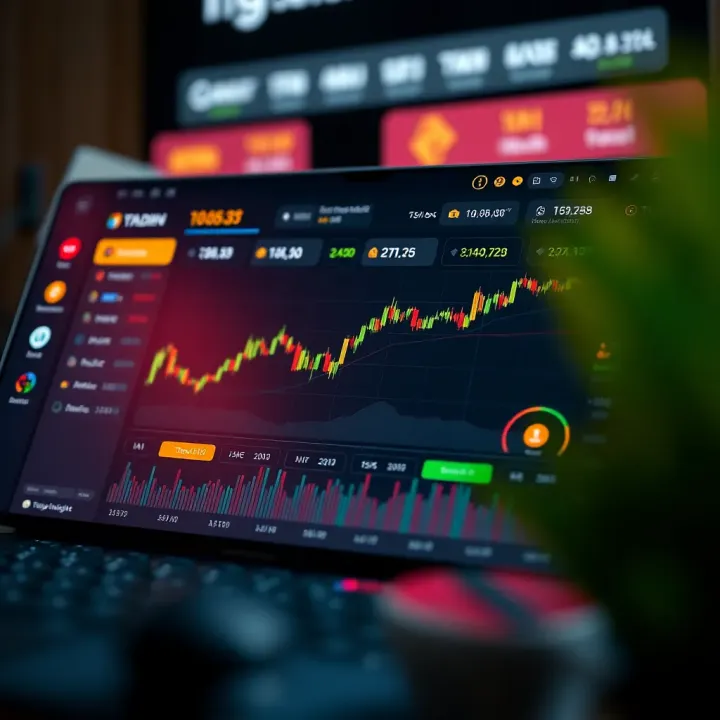
Explore how to choose the best low-charge trading app in India 📱💹. Compare fees, features & support to trade smart without extra costs!

Discover the best low investment trading apps in India 🇮🇳, featuring key benefits, fees, security, and trading options for beginners with minimal capital 📱💹.
Based on 13 reviews