

Lowest Brokerage for Options Trading in India
🔍 Explore how to find the lowest brokerage for options trading in India. Compare fees, understand costs’ impact, and get tips to pick the right broker.
Edited By
Edward Collins
Options trading offers a smart way to profit from the ups and downs in the Indian stock market. But before jumping in, one big question for traders is: how much will it cost? Brokerage fees might seem small, but they add up quickly and can eat into your profits.
This is especially true for options trading where multiple trades happen frequently and charges can get complicated. Finding the broker with the lowest brokerage can save you heaps of money in the long run. But it’s not just about the cheapest rate — factors like transparency, reliability, and platform usability matter too.
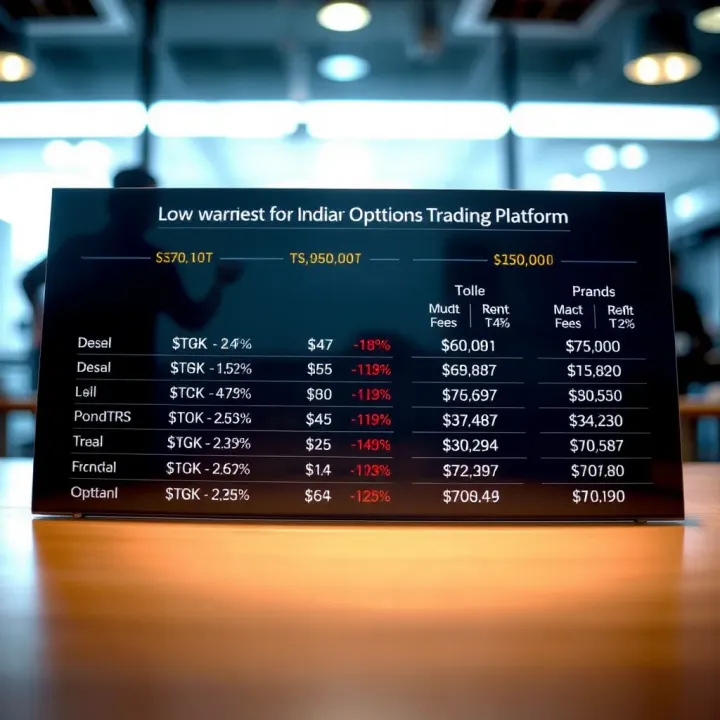
In this article, we’ll break down how brokerage for options trading works in India, highlight common fee structures, and compare top brokers known for low charges. Whether you're a beginner or a seasoned trader, you'll gain clear insights to pick a cost-effective broker tailored to your trading style.
Remember, understanding your brokerage costs is as important as picking the right options strategy. It’s the little things that add up and make all the difference on your trading journey.
Let’s get to the nuts and bolts of how you can minimize your costs while maximizing your chances of success in options trading.
Understanding the basics of options trading is a must for anyone looking to dive into the Indian market. It’s not just about knowing the lingo; it’s about getting a grip on how options work, the risks involved, and the nuts and bolts regulations that keep everything running smoothly. This knowledge helps traders pick the right brokers and manage costs effectively—a key part of finding the lowest brokerage for options trading.
Options are contracts that give the buyer the right, but not the obligation, to buy or sell an underlying asset at a predetermined price within a set period. In India, the main types are call options (the right to buy) and put options (the right to sell). For example, if you expect a stock like Reliance Industries to go up, buying a call option lets you benefit without actually owning the stock. This flexibility is why options are popular for hedging or speculating.
Trading options involves selecting the right strike price and expiry date. You can either buy or sell options—buyers pay a premium upfront, while sellers take on the obligation to fulfill the contract if exercised. Let’s say you buy a call option for Tata Motors with a strike price of ₹300 expiring in a month; you expect the stock to rise past ₹300 before expiry to make a profit. Understanding how these contracts are priced and settled, including premiums and intrinsic vs. extrinsic value, is essential to avoid unnecessary charges.
Options can offer big rewards but come with risks. The good news is, buyers’ losses are usually limited to the premium paid. Sellers, on the other hand, can face significant risks, especially if the market moves against them. It’s like betting on cricket—there’s a chance to win big, but if you misread the pitch, you might get burned. Knowing these dynamics helps you choose brokers with transparent fee structures since trading options without knowing the risks can lead to piling up costs fast.
The Securities and Exchange Board of India (SEBI) oversees options trading to ensure fair play and investor protection. SEBI sets rules around who can trade options, the types allowed, and disclosure norms. This watchdog role keeps brokers in check and stops shady practices. For anyone hunting for the lowest brokerage, it’s reassuring to know SEBI’s regulations prevent cutting corners that could lead to hidden fees or unfair charges.
Options in India must be traded on recognized exchanges like NSE and BSE, following strict compliance standards. These include settlement cycles, expiry dates, contract sizes, and margin requirements. Brokers must ensure all this is transparent and compliant with SEBI guidelines. If you’re looking to keep brokerage low, understanding these norms helps you avoid unexpected costs caused by noncompliance or penalties.
Knowing the fundamentals of options trading and the regulatory framework in India is like having a sturdy foundation before building a house. It not only safeguards your investment but also helps you make smarter choices about which broker to pick, especially when fees and charges can eat into your profits.
Brokerage fees play a significant role in determining the overall expense of trading options. Unlike simply buying stocks, options trading involves multiple trades as you open and close positions, which means brokerage charges can pile up quickly. If overlooked, these fees can eat into your profits or even turn a winning trade into a loss. For example, when trading on the National Stock Exchange (NSE), brokers usually charge a fee per lot or per trade. This can directly affect the break-even point of your trades.
Having a clear understanding of how brokerage fees impact costs is crucial for any trader aiming to optimize profitability. Even if a broker advertises a low fee, additional hidden charges or percentage-based costs might make trading more expensive than it appears. In practice, a trader who frequently opens and closes multiple options contracts without factoring in these fees might find their returns shrinking unexpectedly.
Brokerage can be billed in two main ways: a flat fee per trade or a percentage-based fee on the trade value. Flat fees are straightforward—you pay the same amount regardless of the trade size. This benefits traders executing large orders, as the brokerage becomes a smaller fraction of the total transaction value.
On the other side, percentage-based fees charge a fixed percentage of the trade value. This might seem fairer for smaller trades but can add up quickly with bigger orders. For example, a 0.5% brokerage on a ₹50,000 trade equals ₹250, which could be more than a flat-fee of ₹20 charged by discount brokers like Zerodha or Upstox.
Knowing the fee structure helps traders pick brokers aligned with their trade sizes and frequency.
Besides brokerage fees, traders also have to account for taxes and exchange fees, which are frequently overlooked but increase total costs. The Securities Transaction Tax (STT) applies to options trading and varies depending on whether you’re buying or selling options. GST (Goods and Services Tax) is charged on the brokerage portion, not on the entire trade value.
Exchange fees, levied by NSE or BSE, differ among brokers depending on the trading volume and agreements. These fees are typically small but accumulate over time, especially for active traders. For example, if you trade daily, even a small ₹10 exchange fee per trade can add up to ₹300 per month, eating into profits when not managed properly.
Always factor in all charges—not just brokerage—when estimating your trading costs to avoid surprises.
Every options trade has a break-even point where total costs equal returns, meaning no loss or profit. Brokerage fees increase this break-even point by adding to the cost base. For instance, if you buy a call option for ₹100 and pay ₹10 in brokerage and taxes combined, your strike price plus premium must rise by at least ₹110 to cover costs and start making a profit.
Traders often underestimate how brokerage affects this calculation, leading to over-optimistic profit outlooks. Incorporating fees into your break-even analysis provides a realistic picture of your potential gains or losses.
Higher brokerage fees directly reduce net returns, especially for frequent traders. Even a seemingly small fee can make a large difference when compounded over many trades. Suppose a broker charges ₹50 per trade, and you perform 20 trades a month; that's ₹1,000 spent on fees alone. For a trader with a modest capital base, this can quickly erode gains.
Additionally, high fees might discourage traders from closing losing positions early (to avoid fees), leading to bigger losses. Conversely, they might overtrade to justify costs, potentially increasing risk exposure.
In summary, lower brokerage fees give traders more flexibility and a better chance to maximize returns, while high fees demand careful cost management and disciplined trading strategies.
Choosing the right broker for options trading in India isn’t just about finding the lowest brokerage fees. While costs play a big role, other factors can impact your trading experience and profitability. Understanding key criteria ensures you pick a broker that matches your trading goals without surprises down the line. For example, a trader obsessively switching brokers to chase low fees might overlook platform usability and end up losing more time than they save in costs.
Brokers usually follow one of two main pricing models: flat fees or tiered pricing. A flat fee means you pay a fixed amount per trade or per lot regardless of the trade size. It’s simple, predictable, and often favored by active traders doing frequent small trades. For instance, a flat fee of ₹20 per options trade means you always know your cost upfront.
On the other hand, tiered pricing varies the charge based on the trading volume or value. Say a broker charges 0.05% for trades up to ₹5 lakhs but reduces the rate for trades above that. This setup rewards high-volume traders but can be trickier to calculate, especially if you’re just starting out. Consider your typical trade size and frequency before choosing: frequent small trades benefit from flat fees, while larger trades might save money under tiered schemes.
Low headline brokerage can be tempting, but hidden charges often sneak in, denting your profits unexpectedly. Watch out for things like platform fees, stamp duty, securities transaction tax, GST, and excahnge charges that some brokers add separately. Some brokers state “zero brokerage” but make money through these other fees or require minimum monthly activities.
Transparency means the broker clearly communicates all costs upfront. A good example is Zerodha, which charges flat rates and breaks down additional taxes and fees openly on their website. Before you sign up, scrutinize the fine print, ask questions, and read user reviews to avoid getting blindsided by fees buried in the terms.
A smooth, intuitive trading platform can save you time and stress. Especially in options trading where timing is crucial, slow or buggy apps can cause missed opportunities or mistakes. For instance, platforms like Upstox and Angel Broking offer clean interfaces with quick charting tools and real-time data, helping traders react faster.
Check for mobile and desktop usability, order types, real-time alerts, and ease of placing complex options orders. A cheap broker with a clunky platform might end up costing you more in lost chances and frustration.
Trading isn’t always smooth sailing—issues arise, and having prompt support matters. Brokers with strong customer service reduce downtime and help resolve problems quickly. For example, ICICI Direct provides phone and chat support that many beginners find reassuring.
Try reaching out to their support before opening an account. See if responses are timely, knowledgeable, and helpful. Poor support can leave you stuck during critical moments, so don’t overlook this aspect.
Margins let you trade options with less upfront capital, and leverage amplifies your buying power. But they also add risk. Every broker sets its margin requirements differently, which affects how much you can trade and your potential exposure.
For instance, Zerodha typically requires 20-30% margin on options trading, while others might be more conservative or aggressive. Understand their margin policies, including the margin calls and penalties. Flexible margins that fit your risk appetite and trading style are key for staying in control without overextending.
When picking a broker, don't just chase the lowest fee—consider the whole picture including platform usability, support, and margin terms to suit your trading needs.
Making a well-rounded choice ensures a better trading experience that’s not only cost-effective but also functional and supportive. This balance matters more as you get serious about options trading in India.
Knowing which brokers offer low brokerage fees for options trading in India can make a big difference in your trading profitability. This section zeroes in on popular brokers who are known for their competitive pricing, helping traders reduce their costs without sacrificing essential services.
The appeal of low brokerage charges isn't just about saving a few rupees here and there. When options trading involves multiple transactions and frequent adjustments, even small differences in fees can add up to significant savings. For example, discount brokers like Zerodha and Upstox have carved out a niche by offering flat-fee structures, which is attractive to high-frequency traders as it simplifies cost calculations.
Additionally, understanding what each broker includes in their pricing — like technology charges, platform fees, and hidden costs — gives you a clearer picture of the true expense. So, this overview sets the stage for traders looking to make an informed decision based on comprehensive fee comparisons and service offerings.
Discount brokers have shaken up the Indian trading scene by offering sharply lower brokerage fees than traditional full-service brokers. Firms like Zerodha, Upstox, and Angel Broking are prime examples where the brokerage on options trades is either flat per trade or per lot, often capped at a certain maximum charge.

Zerodha: Charges ₹20 or 0.03% (whichever is lower) per executed order on options, making it wallet-friendly especially for frequent traders.
Upstox: Similar pricing to Zerodha but with occasional cashback offers for active clients.
Angel Broking: Combines zero brokerage on options with a small platform fee, tempting for beginners.
These discount brokers also tend to have transparent pricing without hidden fees. However, some additional smaller charges like SEBI fees and GST are typical and apply across the board. For traders looking to keep costs down but still want robust trading interfaces, these brokers provide a practical balance.
Full-service brokers like ICICI Direct, HDFC Securities, and Kotak Securities offer a wider range of services including research reports, advisory services, and personalized support. But the cost usually reflects that.
Full-service brokers typically charge higher brokerage fees for options trades—often a percentage of the trade value or a tiered fee structure. For example, ICICI Direct might charge around 0.5% per trade, which is significantly more than discount brokers.
However, the extra fees cover added features like:
In-depth market research
Dedicated relationship managers
Offline trading facilities
These benefits can justify the cost if you rely heavily on advisory services or prefer personal contact during trades.
Beginners or occasional traders may find full-service brokers more comforting due to the hands-on assistance and educational resources.
Active traders and professionals often lean towards discount brokers to minimize costs since they likely have their own research and require quick, low-cost execution.
Choosing between discount and full-service brokers depends largely on your trading style and need for support. If you trade frequently, even minute brokerage differences add up, so opting for a discount broker typically saves money. But if you value guidance and comprehensive services, a full-service broker might be worth the premium.
Remember: The "lowest brokerage" isn’t always the best route if it leaves you without necessary tools or support to trade effectively.
Overall, this comparison helps you see where each broker fits in the options trading landscape, allowing you to tailor your choice to personal needs and cost preferences.
When it comes to options trading, brokerage fees can make or break your overall profitability. That’s why a detailed comparison of brokerage plans is essential. Every broker has its own approach—some charge per lot, others per trade, and each may have hidden fees lurking beyond just the headline number. Knowing the specifics not only helps you save money but also guides you to a broker that fits your trading style and frequency.
For example, if you’re someone who trades options frequently in small quantities, a flat per-trade fee might quickly rack up, while a per-lot fee can be more economical for bulk traders. Similarly, additional account maintenance fees or platform charges might push the effective cost beyond what you initially expected.
This section breaks down what you can realistically expect from three well-known brokers, giving you practical insights so you don’t get caught off guard when your brokerage bill arrives.
Brokerage on per lot vs per trade: Broker A offers a clear-cut per lot brokerage fee, which means you pay a fixed amount for every options contract lot you trade, regardless of how many trades you make within that lot. This method can work wonders if you trade in larger quantities since the cost remains fixed per lot, providing predictability and often better rates for active traders. For instance, if Broker A charges ₹20 per lot and you trade five lots, you pay ₹100—no surprises.
On the other hand, brokers charging per trade can pile up costs if you break your trades into many tiny orders. Broker A’s per lot model simplifies cost management, especially for those who execute sizeable trades but fewer transactions.
Additional account fees: Broker A doesn’t stop at brokerage; it charges an annual maintenance fee (AMC) of around ₹300 plus GST, which is pretty standard. While it’s a small fixed cost, frequent traders should factor this in since it adds to the overall expense if your trading volumes are low. Account opening is free, and there are no hidden charges for digital contract notes or SMS alerts, easing any worries about surprise costs.
Pricing models: Broker B offers a tiered pricing structure where brokerage fees decrease as your monthly trading volume increases. This model suits traders who might start small but plan to scale up. The downside? Beginners could pay slightly more initially. To illustrate, if you trade less than ₹5 lakh worth of options, the brokerage might be ₹25 per trade, but if you exceed ₹50 lakh, fees drop to ₹10 per trade. This sliding scale motivates traders to consolidate trades monthly.
Platform features: What sets Broker B apart is its intuitive trading platform. It’s packed with options-specific tools such as Greeks calculators, strategy builders, and real-time options chain analysis. These features help traders make informed decisions, thus potentially reducing costly mistakes. Their mobile app is highly rated, providing seamless execution on the go, which is a big plus for active traders juggling multiple positions.
Fee transparency: Broker C prides itself on clear, upfront brokerage disclosures. No hidden costs, no vague terms. The brokerage is charged at a flat ₹20 per lot for options trading, and all taxes and exchange fees are plainly itemized. For traders wary about unexpected fees, Broker C stands out as a trustworthy option.
However, this transparency comes with a slightly higher base fee than some discount brokers, so it’s a trade-off.
Value-added services: Beyond just brokerage, Broker C throws in several perks aimed at options traders. These include educational webinars on advanced option strategies, free access to premium market research, and priority customer support for troubleshooting. Such extras add tangible value, especially if you are newer to options trading and want hands-on guidance without paying for a full-service broker.
When choosing a broker based on brokerage alone, it’s tempting to go for the cheapest option. But consider the bigger picture — platform ease, support quality, and educational benefits often save money and stress in the long run.
By weighing the specific fee structures alongside platform features and extra services, you can pick a broker aligned with your trading needs and budget. This detailed comparison aims to make that decision easier, cutting through the marketing noise and focusing on real-world costs and benefits.
Reducing brokerage costs is key to boosting net profits when trading options. Every rupee saved on fees directly adds to your overall return. Knowing how to trim down these costs isn’t about finding a magic bullet but applying practical strategies tailored to your trading habits and brokerage plan. By optimizing trade sizes, frequency, and taking advantage of fee structures or promotions, you can keep more money in your pocket while staying active in the markets.
Bulk trading advantages
Making fewer but larger trades often works in your favor due to how brokerage fees are structured. Many brokers charge per trade or per lot, so increasing the quantity within a single trade lowers the cost per unit. For example, if you execute ten trades of 1 lot each—and each trade costs ₹20—you'd pay ₹200 total. But placing one trade of 10 lots might still just cost ₹20 total, reducing fee impact significantly. This approach is especially useful in options trading where fees can eat into thin profit margins.
Avoiding excessive small trades
Placing many tiny trades can quickly rack up fees, even if each trade’s fee is small. This tendency is common with beginners trying to constantly adjust positions or test the waters too frequently. Instead, plan your trades carefully to reduce unnecessary churn. For example, rather than tweaking a position multiple times throughout the day, it may be better to take a more deliberate entry or exit to avoid multiple brokerage charges. The goal is to maximize trade effectiveness and minimize fee overhead.
Choosing suitable plans
Different brokers offer varied fee plans like flat fees, per lot charges, or monthly fixed fees. Picking a plan that matches your trading volume and style is crucial. High-frequency traders might benefit from a fixed monthly plan to cap expenses, while occasional traders could prefer per-trade pricing to avoid paying for unused capacity. Broking firms like Zerodha and Upstox provide transparent plans where you can evaluate which structure suits you best.
Taking advantage of promotions
Brokers often run promotions, especially for new accounts or during market events, offering reduced fees or free trades for a limited period. Keeping an eye on such offers can lower your initial costs as you build trading experience. For instance, during festive seasons or financial year-end, some brokers may waive brokerage on specific products or offer cashbacks. Combining these promos with your regular plan can increase cost savings.
Careful planning of your trade size, frequency, and making smart choices about your brokerage plan can dramatically reduce the fees you pay for options trading in India. Over time, these savings compound and give you a competitive edge.
By applying these tips, options traders can reduce unnecessary expenses and keep trading costs in check, helping them stay profitable in a competitive market environment.
When trading options in India, misunderstandings about brokerage fees can lead to unexpected costs and poor decisions. Many traders, especially beginners, fall into traps because they don't clearly distinguish between different kinds of fees or take promotional claims at face value. Clearing up these misconceptions helps you trade smarter and keeps your expenses transparent.
One frequent source of confusion is lumping together brokerage fees with other charges. Brokerage is the fee you pay your broker for executing trades, but that's just one piece of the puzzle. Other fees include securities transaction tax (STT), GST, exchange charges, and clearing fees. For example, suppose a broker advertises a flat ₹20 per trade cost; hold on, because you might still be paying STT or GST on top of that.
Practical tip: Always ask for the all-in cost per trade before moving ahead. This helps you accurately calculate profitability and avoid surprises. If you’re trading options frequently, those small additional charges can pile up quickly and eat into your gains.
Brokers sometimes promote "zero brokerage" plans, which sounds like a dream for cost-conscious traders. But zero brokerage often only applies to certain types of transactions or trades below specific volumes. For instance, a broker might offer zero brokerage on equity delivery trades but charge for all intraday or options trades.
Think of it like getting free snacks at a party but paying full price for drinks. It sounds great at first but read the fine print carefully.
The catch with zero brokerage often lies in hidden costs. Many brokers compensate for zero fees by charging higher fees elsewhere, such as:
Higher exchange or clearing fees
Monthly maintenance charges on DEMAT or trading accounts
Minimum turnover or subscription costs
Premium charges for using advanced order types or research services
For example, you might trade options with zero brokerage but pay an increased per-lot charge or face stiff penalties if your monthly trading volume falls below a certain threshold.
Always analyze the total cost of trading beyond just the headline brokerage fee. Zero brokerage doesn't automatically mean cheaper overall trading costs.
By understanding these common misconceptions, traders can avoid pitfall decisions and pick a brokerage setup that truly fits their trading style and budget.
Technology has been a game-changer in the Indian brokerage scene, especially for options traders. It’s not just about flashy interfaces or mobile apps; it's about how these tech-driven platforms cut down costs that once drained traders’ returns. By automating processes, reducing manual interventions, and increasing market reach, technology helps brokers streamline operations and pass those savings to customers in the form of lower fees.
Consider how traditional brokerage required multiple human checkpoints—order processing, paperwork, compliance checks. These slowed things down and added overhead, which brokers recouped through fees. Now, with digital trading platforms and electronic order systems, most of these inefficiencies vanish. Traders can place orders in milliseconds, with real-time market updates and smart order routing, all automated. This efficiency reduces operational costs significantly, which means brokerage charges shrink too.
Moreover, technology enables the rise of discount brokers who offer highly competitive rates by cutting out unnecessary services and focusing on digital solutions. This shift makes options trading more accessible to a broader audience by lowering entry barriers connected to cost.
The emergence of online discount brokers like Zerodha, Upstox, and Groww is a prime example of how technology slashes brokerage costs. These platforms rely heavily on technology to drive down expenses — no physical branches, minimal manpower, and maximal automation.
By operating entirely online, they avoid rent, staff salaries, and paperwork costs that traditional brokers typically carry. As a result, they can offer flat fee structures or very low percentage-based brokerage on options trades. For instance, Zerodha charges a flat ₹20 per executed order for options, irrespective of lot size, which is a stark contrast to older brokers who charged per lot or a percentage of the trade value.
Their robust tech frameworks also support large volumes of trades with little added cost, so they can serve millions of users without inflating fees. The convenience of instant account opening, paperless KYC, integrated investment tools, and educational resources further attract traders while keeping costs low.
Discount brokers have reshaped India’s trading landscape by showing how technology not only simplifies trading but makes it affordable.
Mobile trading apps have added another layer of convenience with on-the-go trading, but they bring their own considerations for brokerage.
While many discount brokers have seamless apps offering the same low brokerage rates as their desktop versions, some platforms charge different fees or add convenience charges for mobile trades. For example, a few apps may charge slightly higher fees to offset the costs of maintaining and updating an app or to monetize premium features like advanced charting, alerts, and research reports.
This creates a tradeoff for users: the ease of managing trades from a smartphone versus potentially paying a bit more than desktop users do. However, many leading brokers like Angel Broking and ICICI Direct keep their mobile and desktop fees uniform to avoid confusing clients.
When choosing a mobile trading app, make a point to check:
Brokerage fees on the app versus website
Hidden charges like payment gateway or wallet loading fees
Features offered for the extra cost, if any
In the end, the surge in mobile trading apps reflects the broader role of technology in making options trading accessible anytime and anywhere. But savvy traders should look beyond just convenience and verify that the brokerage model fits their budget and trading habits.
Technology's influence in cutting brokerage expenses is not just a perk; it’s fundamentally shifted how options traders in India approach the market. Embracing these innovations helps traders save on costs without compromising on trade execution and services.
When looking at the cost of options trading in India, brokerage fees are just one piece of the puzzle. Understanding the various taxes and additional charges that come alongside brokerage is essential for getting a true picture of your trading expenses. Many traders focus solely on the brokerage rate, but overlooking these can eat significantly into your returns. Familiarity with these components allows for better planning and more accurate profit calculations.
Goods and Services Tax (GST) is levied on the brokerage fee charged by your broker. For example, if your broker charges ₹20 per options trade as brokerage, an additional 18% GST will be applied on top of this amount. This means you actually pay ₹23.60 per trade, not just ₹20. Although GST is straightforward, it’s often overlooked when calculating overall costs. Keep in mind, GST is not charged on the total trade value but only on the brokerage.
STT is another mandatory tax that applies to option contracts. For options trading, the STT rate is typically 0.05% of the premium value on the sell side of the transaction. For instance, if you sell an option with a premium of ₹100 per unit for 100 units (₹10,000 total), you’ll pay an STT of ₹5. This small percentage might seem negligible, but it adds up, especially when executing multiple trades. Note that STT reduces your net returns and is non-negotiable.
Apart from brokerage and taxes, exchanges levy fees like the Securities Exchange Transaction Charges (SETC) and Clearing Corporation charges. These are generally small per-trade fees ranging from a few paise to a couple of rupees per ₹1,000 transaction value but can add up over time. For example, on the National Stock Exchange (NSE), these charges typically range between ₹2 to ₹5 per lakh of turnover. Ignoring these can lead to underestimating your trading costs, especially if you trade frequently or in large volumes.
Keeping tabs on all applicable taxes and fees helps avoid surprises and allows traders to optimize their strategies based on clear cost expectations.
When weighing brokers, always ask for a detailed breakdown of post-brokerage charges. By factoring in GST, STT, and exchange fees, you’ll see the real cost of trading options—sometimes this can be the difference between a profitable trade and a loss. Traders who keep these details front and center often find better peace of mind and tighter control over their trading expenses.
Opening an account with a broker that offers low brokerage for options trading is your first practical move toward cost-efficient trading. This step is more than just a formality—it directly affects how efficiently you can trade and manage costs over time. Knowing what goes into the setup process can help you avoid delays and ensure your trading experience starts smoothly.
KYC, or Know Your Customer, is a mandatory step designed to verify your identity and keep trading safe and transparent. In India, every broker must complete this step before you can start trading options. It involves submitting proof of identity and address to the broker.
This process protects you and the broader market from fraud. A smooth KYC means less hassle later on when placing orders or withdrawing funds. Often, you can complete KYC online through Aadhaar-based e-KYC, making it quick and straightforward.
To complete your account opening, you'll typically need a few key documents:
A valid photo ID, such as your PAN card (mandatory for taxation purposes)
Proof of address like a passport, driver's license, or utility bills
Bank account details and canceled cheque for linking your trading account
Recent passport-sized photograph
Having these ready before you start will speed things up. For instance, if your broker is Zerodha, they have a detailed checklist online, which helps avoid the back-and-forth that slows down account activation.
Funding your trading account is straightforward but knowing your choices can save time and sometimes transaction fees. Most brokers accept transfers through NEFT, RTGS, IMPS, and UPI. Some platforms also offer quick wallet systems or integrated payment gateways for instant deposits.
Consider this example: If you’re trading with Upstox, their platform supports UPI payments, meaning you can fund your account from your phone with just a few taps. Remember, the faster your money reflects, the quicker you can seize trade opportunities without missing out due to delays.
Once your account is funded, setting up your trading space is key. Start by:
Downloading and familiarizing yourself with the broker’s trading platform or app
Customizing watchlists for your preferred options contracts
Understanding margin requirements and how much you can trade
Checking that order types like LIMIT, MARKET, and STOP-LOSS are available and clear to you
For instance, if you open an account with Angel Broking, you get a user-friendly interface that can be customized quickly. Spend some time on tutorials or demo accounts if offered, so you don’t fumble when live trades matter.
Opening a low-brokerage account is more than ticking boxes—it's about setting a solid foundation for your trading journey, making sure you’re compliant, funded, and ready to trade efficiently.
By paying attention to these steps, you not only adhere to regulations but also prepare for a seamless experience that maximizes your brokerage savings and trading efficiency.
Continuously reviewing your brokerage choice is more than just a routine check—it’s a vital habit, especially when trading options in India. Brokerage fees can silently chip away at your profits if left unchecked, and service quality often changes with time. Just because a broker started out as the cheapest or most reliable doesn't guarantee they stay that way. This section explains why periodic evaluation matters and what practical steps you can take to ensure your broker keeps fitting your trading style and goals.
Keeping an eye on how much you’re paying in brokerage is crucial for trading effectively. Many traders underestimate how cumulative charges can eat into profits. For instance, if you’re paying ₹20 per trade, it might seem trivial. But for an active trader executing 100 trades a month, that's ₹2,000 gone just in brokerage, potentially erasing gains.
Tracking costs regularly involves using spreadsheets or brokerage reports to note each trade’s fees. This practice highlights patterns—like whether fees mount disproportionately during certain periods or for particular trade sizes. For example, some brokers charge higher brokerage on options compared to stocks, which you might overlook unless you track closely.
Staying informed about your cost structure means you aren’t caught off guard by fees that nibble away your profits.
Adjusting broker as needed ties directly to tracking. Suppose over time, your broker raises fees or introduces hidden charges, or their trading platform becomes clunky and unreliable. Regular review prompts you to shop around or switch before losses stack up. Imagine you started with a discount broker offering ₹10 per option contract, but after six months, their fees rose to ₹30, making a previously profitable strategy marginal or loss-making.
Knowing when to jump ship can save you from mounting costs and frustration. Here are some signs that suggest it’s time to look elsewhere:
Rising brokerage fees or hidden charges: If your broker is becoming less cost-effective compared to competitors, it directly harms your bottom line.
Poor customer service: Delays in executing orders or unresolved complaints can make trading nerve-wracking, especially in fast-moving options markets.
Outdated technology or platform glitches: A sluggish app or website can lead to missed opportunities or errors that cost money.
For example, it’s common to hear traders frustrated when their orders don’t get placed on time during volatile sessions. If your broker consistently fails to deliver a reliable platform, the financial toll can be severe.
Making a switch doesn't always have to be drastic. Sometimes, just moving to a different brokerage plan within the same firm helps. But if you see no improvement, finding a new broker with transparent, lower brokerage fees and better tech is wise.
Always weigh both the cost and quality of service before making a change, since the lowest fees don’t always mean the best value.
In summary, your broker’s charges and services are not set in stone. Stay alert, keep records of your fees, regularly assess the impact on your returns, and be ready to act when things stop making financial or practical sense. This mindful approach ensures that your brokerage choice supports your trading success over time without bleeding your profits.
Wrapping up, choosing the lowest brokerage for options trading in India isn’t just about grabbing the cheapest rate out there. It’s about striking the right balance between cost and the quality of services offered. For example, a broker claiming to offer zero brokerage might sneak in higher platform fees or poor trade execution speeds, which can eat into your profits over time.
Remember, trading options involves many moving parts beyond just fees—like taxes, platform reliability, customer service, and margin policies. So, stickers like “lowest brokerage” should be just one of the factors you weigh before deciding. This article showed you how different brokers stack up in fees and features, and why understanding the fine print matters.
By keeping an eye on how brokerage impacts your overall trading expenses and profitability, you can continuously assess whether your broker remains the best fit. This approach is especially useful as market dynamics and broker offerings change often.
Balancing cost and service isn’t just good practice—it’s the smart path to consistent trading success.
Avoiding lowest fee pitfalls
Going for the lowest fees without a second thought can backfire. Sometimes, brokers with minimal brokerage rates compensate by charging hefty hidden fees, offering subpar platforms, or providing weak customer support. For instance, if order execution delays cost you in missed trading opportunities, the “saving” on fees is quickly lost. Always dig deeper into the fee structure beyond just the headline brokerage number.
Value isn’t just about cost savings; it’s about what you get in return. A broker offering a slightly higher fee but with efficient tech, good margin options, and responsive help desk often ends up saving you more money and stress. Think of it like buying a car: the cheapest option might cost less upfront but spend more on repairs later. The goal is to choose a broker that delivers a smooth, reliable trading experience alongside fair pricing.
Active vs occasional traders
Your trading frequency strongly influences which brokerage plan suits you best. Active traders who make multiple trades daily benefit from brokers offering flat fee or volume-based pricing. On the other hand, occasional traders might prefer percentage-based fees or pay-per-trade models that don’t penalize infrequent activity. For example, Zerodha’s flat ₹20 per trade fee works well for active traders, while ICICI Direct’s percentage fees may suit less frequent players.
Customization options
Some brokers let you customize plans or add features tailored to your style—like real-time market data packages, priority customer support, or margin trading deals. Selecting these extras based on your habits can enhance your trading without unnecessary overhead. Always check if the broker offers such customization because a one-size-fits-all plan rarely fits everyone well.
In the end, the best brokerage for options trading in India is the one that fits your budget and trading needs without surprises. Use the insights here to shop around carefully, keep track of your trading costs routinely, and don’t hesitate to switch if a better offer emerges. It’s your money; make sure it works for you wisely.
🔍 Explore how to find the lowest brokerage for options trading in India. Compare fees, understand costs’ impact, and get tips to pick the right broker.

🤑 Learn how to cut intraday trading costs in India with the lowest brokerage charges. Find tips on brokers, fee structures, and smart trading choices!

📉 Discover how to pick the lowest brokerage trading app in India! Compare fees, usability, and support to boost your investment returns wisely. 📱

Compare India's trading apps to find the lowest brokerage charges 📉. Learn how fees affect your investments and choose smartly for better returns 💸.
Based on 15 reviews