
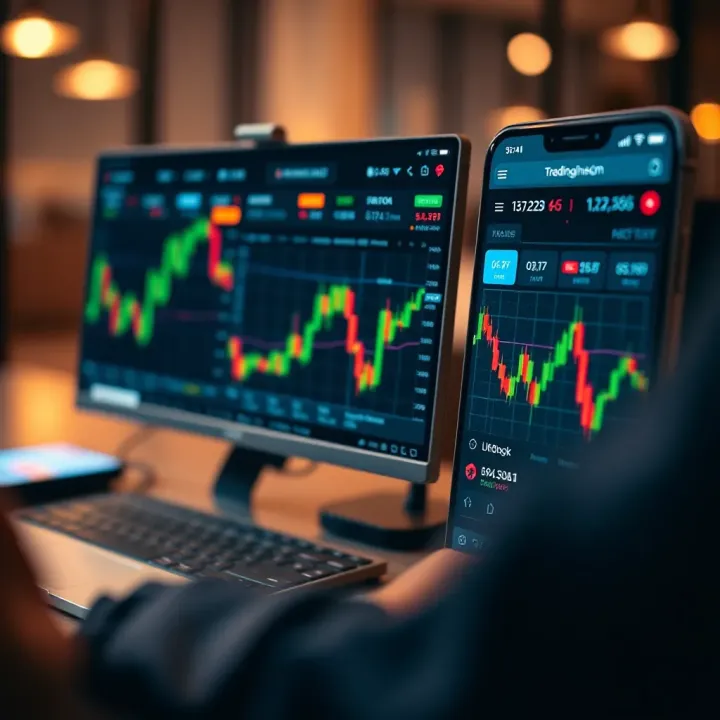
Live Paper Trading Apps: Features & Benefits
📱 Discover live paper trading apps that mimic real stock markets with no risk! Learn key features, best practices, and top choices for Indian traders to boost skills.
Edited By
Amelia Walker
Market trading apps have reshaped the way people invest and trade in India’s financial markets. With the rise of smartphones and internet access, these apps have made trading more approachable, convenient, and fast-paced than ever before. Whether you’re a seasoned trader or just starting out, understanding how these apps work and what they offer is key to making smart investment decisions.
In this article, we’ll walk through the essential features you should look for in a trading app, the benefits they bring, and factors to consider before choosing one. We’ll also highlight some popular platforms available in India and provide practical tips to navigate this digital landscape safely and efficiently.
Trading through market apps is no longer a luxury but a necessity for staying competitive and connected in today’s markets.
By the end of this guide, you’ll be better equipped to pick a trading app that suits your goals, budget, and trading style, helping you take full advantage of the tools at your fingertips.
Market trading apps have become a major part of how people buy and sell stocks, commodities, and other assets today. For many investors in India, these apps offer a way to dive into markets without the need for expensive brokers or physical offices. Before getting lost in the sea of options, it helps to understand what these apps do and why they matter.
In this section, we'll break down the basics of market trading apps and see how they've shifted investment habits practically overnight. Whether you are a beginner or someone looking to optimize your trading tools, knowing the background sets the stage for smarter choices.
Simply put, market trading apps are software applications designed for smartphones and tablets that allow users to trade financial instruments online. They connect to stock exchanges and trading platforms, giving users real-time access to buy or sell shares, commodities, mutual funds, currency pairs, and more—all from their hands.
For example, apps like Zerodha Kite and Groww provide interfaces tailored to Indian markets that let users track their portfolio and execute trades without clicking through complicated broker systems. By bringing the stock market to your pocket, these apps make investment accessible anytime, anywhere.
Trading apps shook up the traditional ways of investing, making it more democratic and fast-paced. In the old days, investing meant lengthy processes with brokers, paperwork, and delayed order executions. Today, with apps, you get instant market data, live price updates, and one-tap orders.
Take a farmer in a small town using Upstox to hedge against commodity price shifts or a first-time investor buying shares during a market dip on Angel One. The entry barrier has lowered, and more people get direct control over their finances.
Moreover, apps often come with built-in learning tools and alerts, helping traders spot opportunities or risks in real time. This immediacy changes the game; waiting hours or days for information no longer cuts it when the market moves fast.
Market trading apps have essentially flipped the script from slow, expensive, and complex to quick, affordable, and user-friendly. This change is crucial for Indian traders who want to keep pace in a rapidly evolving financial world.
When it comes to market trading apps, certain features stand out as make-or-break factors for traders and investors. These apps aren’t just about buying or selling stocks—they’re a whole environment for making smart market decisions. Good apps combine speed, accuracy, and user-friendliness with insightful analytics and reliable support.
Think of trading apps like your trading desk – but in your pocket. If the desk’s cluttered or the info’s lagging, you’ll miss opportunities or make mistakes. So understanding these key features is critical to picking one that fits your trading style and goals.
One of the first things users notice is the user interface, or UI, which is how the app looks and how easy it feels to use. A clean layout that helps you find what you want quickly can save you from costly mistakes—like accidentally placing a wrong order due to clutter or confusing menus.
For example, Zerodha’s Kite app offers an intuitive experience where a beginner can track portfolios and orders easily, yet it scales smoothly for advanced charting and options trading too. Meanwhile, some apps cram too many widgets and charts on a single screen, overwhelming the novice traders.
In short, a good trading app strikes a balance between simplicity and depth. It lets you customize dashboards without making it a mess. The buttons should be well spaced and common functions easy to reach, especially considering users trade on mobile devices with smaller screens.
Markets move fast, so real-time data is not a luxury—it’s a necessity. Delays of even a few seconds can be the difference between good profits and lost chances. Effective trading apps provide real-time quotes, live charts, and intraday price movements without frustrating lag.
Apps like Upstox offer crisp, real-time data analytics through line charts, candlestick views, and heat maps straight on the phone. It’s not just raw data; the app usually comes with tools to help understand what’s happening—such as technical indicators like RSI or MACD that many traders rely on.
Without this timely data, trading becomes guesswork. So when evaluating apps, check if they pull updates directly from reliable stock exchanges like NSE or BSE, and whether real-time streaming is free or locked behind paywalls.
Another critical feature is the variety of order types supported and how fast the app executes trades. It is not enough to just place a ‘market order’. Traders need options like limit orders, stop-loss orders, bracket orders, and more to manage risk and lock profits effectively.
Execution speed can make or break a day trader’s strategy. For example, if you set a stop-loss order to sell at ₹1,000 but the order executes slowly, your stock may dip to ₹950 before it clicks through, costing you more than you wanted.
Apps like Angel Broking provide several order types with robust execution speeds due to direct market access, reducing delays seen in older platforms. Always test how quickly an app responds in a live market setting or try demo accounts before sticking with one.
Trading isn’t just about tools; knowledge matters. Leading apps often bundle educational content to help users improve their market understanding. This might include tutorials, webinars, articles, and even simulated trading where beginners can practice without risking real money.
For instance, Groww’s trading app integrates basics of stock market investing, Key Financial Ratios, and market news, making it easier for newbies to get their feet wet. Plus, effective customer support—via chat, email, or phone—can be a lifesaver during technical issues or urgent queries.
Remember, even the best trading app won’t guarantee profits if you’re flying blind. Educational support helps you make sense of market swings and use the app’s features to your advantage.
In summary, when choosing a trading app in India, look for a smooth and intuitive user interface, real-time market updates paired with useful analytics, a wide range of order types combined with speedy execution, and solid educational materials plus support. These features collectively create a platform that can cater to both beginners and seasoned traders.
Trading apps are not one-size-fits-all, especially in a diverse market like India’s. Understanding the types of trading apps available helps traders pick the right tool for their specific trading needs. Each category caters to different asset classes and trading styles, offering unique features and benefits.
Stock trading apps focus primarily on buying and selling shares of companies listed on stock exchanges like the NSE or BSE. These apps typically provide real-time price updates, charts, and news related to the stock market. Popular examples include Zerodha’s Kite and Upstox Pro, which are user-friendly and great for beginners as well as seasoned investors.
Stock trading apps are perfect for those who want to build long-term portfolios or engage in short-term equity trading. They often include features like watchlists, detailed company financials, and expert analysis. For instance, Zerodha Kite lets you customize your dashboard for quick access to your favorite stocks and indicators.
Commodity and currency trading apps cater to investors interested in gold, silver, oil, or currency pairs like USD/INR or EUR/INR. These apps connect users to commodity exchanges such as MCX and currency derivative segments on NSE. Angel Broking and 5Paisa are examples that support such trading.
The key benefit here is diversification outside traditional stocks. Say you want to trade gold futures, these apps provide timely updates on price fluctuations driven by global events or local demand. They usually feature tools to track price patterns and manage orders, which is vital since commodity prices can be quite volatile.
Derivatives and futures trading apps are built for advanced traders looking to speculate or hedge positions in contracts based on underlying assets like stocks, commodities, or indices. These apps offer complex order types, margin calculations, and leverage options. Examples include platforms like Sensibull, which focuses on options trading, and Zerodha’s advanced modules.
Here, speed and accuracy matter a lot since derivatives markets move fast and require strategic decisions. These apps often provide in-depth analytics, real-time Greeks for options traders, and risk management tools. Traders using them usually have a solid grasp of market fundamentals and technical analysis.
Knowing the difference among these trading app types can save time and money while helping you choose a platform suited to your trading goals. For instance, a beginner looking to invest in equities may find a stock trading app like Groww more approachable than jumping straight into commodity futures.
When selecting any trading app, consider what asset classes you are interested in and the level of complexity you are comfortable handling. With so many tailored options available in India, there’s likely an app fit for your style and ambitions.
Choosing the right market trading app can feel like searching for a needle in a haystack, especially with the storm of options available today. Picking the right one isn’t just about flashy features or the lowest fees; it’s about finding a tool that aligns with your unique trading style, goals, and security needs. A wrong choice might lead to added costs, missed opportunities, or worse — losses due to security lapses or unreliable execution. On the flip side, the right app can smooth your trading path, offer timely market data, and fit snugly within your financial strategy.
Before downloading any trading app, you have to take a step back and get clear about what kind of trader you are. Are you in this to dabble occasionally or do you plan to dive deep with day trading or options? Your trading style influences the kind of app that suits you best. For instance, if you’re a long-term investor, apps like Zerodha’s Kite or Groww offer solid research and simple interfaces that keep things straightforward. But if you’re an active trader, quick order execution and detailed charting tools, like those on Upstox Pro, become non-negotiable.
Moreover, your risk tolerance and market interests (stocks, commodities, derivatives) play a huge part here. It’s like picking the right fishing gear — you wouldn’t use a fly rod in deep sea fishing. So, knowing your preferences avoids clutter and tools you don’t need.
Nobody likes surprise expenses that show up under the radar. When you’re choosing a trading app, be vigilant about fees. That includes brokerage commissions, account maintenance charges, withdrawal fees, and even charges on data access in some cases. Apps like Zerodha popularised zero brokerage on equity delivery but still charge small fees elsewhere. Similarly, Paytm Money boasts competitive fees but charges for advisory services.
Be sure to read the fine print: some apps advertise ‘zero commission’ but have hidden costs baked in, such as higher spreads or inactivity fees. It’s a good idea to compare total costs based on your trading frequency and style rather than just headline charges. Sometimes, a slightly higher fee with better services and speed might save you more money down the line.
Regulatory approval isn’t just paperwork—it’s your shield. Any trading app you consider should be registered with the Securities and Exchange Board of India (SEBI). This ensures it meets minimum standards for transparency and investor protection. Beyond regulatory checks, security features like two-factor authentication, end-to-end encryption, and biometric logins should be deal breakers.
Apps like Angel Broking and ICICI Direct provide top-notch security measures and keep your data under lock and key. Remember, in an era rife with cyber threats, a secure app protects you against fraud, phishing attempts, and data theft. Fastidious traders don’t compromise on this front.
Reviews offer a reality check beyond marketing hype. Genuine user feedback can highlight issues like app crashes, poor customer service, or hidden costs that the company might not shout from the rooftops. Browse reviews on Google Play, App Store, and independent forums to spot patterns.
If the app offers a demo version or a sandbox environment, take it for a spin. Demo accounts let you test features, order placements, and user navigation without risking real money. This hands-on approach lets you decide if the app fits your needs or feels clunky. It’s a little like test driving a car before buying—why not take advantage?
Choosing the right trading app boils down to blending your unique goals with practical app features, transparent costs, solid security, and real-world reliability.
Making the effort upfront to assess these elements saves headaches later and puts you in a much stronger position to trade confidently in the markets.
Security isn't just a checkbox on the list when picking a trading app; it’s the bedrock of your trading experience. With sensitive financial data and substantial sums on the line, understanding how your chosen app safeguards your information is critical. From encrypted communications to strong authentication methods, these layers shield users from emerging cyber threats.
Data protection starts with encryption — scrambling your sensitive data so it’s unreadable without the right key. Most reputable trading apps use AES-256 encryption, the same standard trusted by banks worldwide. For instance, Zerodha's Kite app encrypts session data, preventing hackers from snooping when you log in via public Wi-Fi.
Additionally, secure socket layer (SSL) protocols ensure data exchanged between your device and the app’s servers remains confidential. Without it, a man-in-the-middle attack could intercept your transactions, exposing account details or trade instructions.
Beyond encryption, some apps offer biometric login—using fingerprints or face recognition—which adds an extra lock beyond passwords. This matters because many people reuse passwords, so biometric data acts as a personalized safeguard.
Even the best encryption won’t help if users fall prey to common security pitfalls. Phishing scams remain rampant: a fake SMS pretending to be from your trading platform might lure you into sharing login credentials. Always verify messages by contacting the company directly, and never click suspicious links.
Another risk is unauthorized access through weak or reused passwords. Adopting a password manager to generate and store complex passwords can reduce this vulnerability significantly. Apps like Upstox encourage two-factor authentication (2FA), where you must enter a code sent to your phone alongside your password. This simple step stops attackers even if they have your password.
Lastly, beware of public Wi-Fi when trading. A curious hacker on the same network can intercept unprotected data. If you must trade away from home, use a trusted VPN service to encrypt your internet traffic, giving you an added layer of protection.
Remember, security in trading apps is a team effort — the provider builds the fortress, but you still need to lock the gate.
In summary, prioritize apps that clearly display their encryption methods and support multi-factor authentication. Stay cautious against phishing and use secure networks. This way, you keep your financial data safe and your trades worry-free.
In India’s bustling financial scene, picking the right trading app can make a world of difference. Popular market trading apps aren't just about fancy features or flashy graphics; they truly affect how efficiently and confidently you can trade. For investors and traders alike, an app’s popularity often highlights its reliability, user experience, and the breadth of its features.
When we talk about popular apps in India, it’s not just about who has the most downloads. It’s about apps that offer practical benefits like real-time updates, smooth execution, solid customer support, and safety measures to protect your investments. Let’s dive into various types of popular apps that traders usually go for, categorizing them based on ease of use, advanced capabilities, and cost efficiency.
Some apps stand out because they cater perfectly to beginners or people who want straightforward trading without getting bogged down in complicated settings. One good example is Zerodha's Kite app — loved for its clean interface and intuitive navigation. You don’t need to be a tech wizard to place orders or track your portfolio.
Another user-friendly option is Groww, aimed at novice investors who want to start with stocks and mutual funds without extra fuss. Their educational resources help newbies learn the ropes while keeping the app simple and uncluttered. These apps usually feature quick signup processes and helpful tutorials — ideal if you’re still finding your feet in the market.
For those who live and breathe trading, more complex apps that offer detailed charts, indicators, and faster execution are often the go-to. Upstox Pro is a spotlight example, providing professional-grade tools ideal for day trading and technical analysis. Traders who want deep insights, like candlestick patterns and multi-leg options strategies, find value here.
Angel Broking is also popular among serious traders because of its algorithm-based recommendations and advanced charting tools. These apps often support various order types and have customizable dashboards, which allow traders to tailor their experience to suit intricate trading styles.
Cost can seriously eat into your profits, especially if you're an active trader. That’s why apps offering minimal or zero brokerage fees have a massive fan base. Zerodha again makes an appearance here with its flat fee structure, charging very low brokerage on stock trades, which is a breath of fresh air compared to traditional brokers.
5Paisa offers zero brokerage on equity delivery trades and minimal fees on others, making it attractive for those who want to keep expenses low without losing functionality. These apps usually make up for lower commissions by encouraging users to upgrade to premium features or advisory services, so it's important to read the fine print.
Remember, while zero brokerage is tempting, check other charges like transaction fees, GST, or account maintenance costs. Sometimes, what’s free upfront may cost more in the longer run.
Popular trading apps in India are not one-size-fits-all. Your choice depends on your trading experience, priorities, and how much you’re willing to pay. Knowing where each app shines will guide your decision and hopefully steer you clear of common pitfalls.
Understanding the costs linked to trading apps is a must for any trader or investor, especially in India’s fast-evolving market. These costs can directly affect your overall profitability, so it’s wise to get a clear picture upfront. From brokerage fees to subtle hidden charges, knowing what you’re getting into can save you some nasty surprises down the road.
Brokerage fees are the most common cost you'll encounter when using a trading app. This fee is usually charged every time you buy or sell stocks, commodities, or other assets. For instance, Zerodha charges a flat fee of ₹20 per trade, regardless of the trade size, which is a boon for frequent traders, whereas ICICI Direct applies percentage-based brokerage that can be costly for larger transactions.
Apart from brokerage, account maintenance charges also come into play. Some apps levy an annual or quarterly fee to maintain your trading and demat accounts. For example, Angel Broking offers zero AMC for the first year but charges thereafter. It’s essential to weigh these costs because even small recurring fees can add up, especially if you’re a casual trader or just starting.
Keep a close eye on both upfront and recurring fees. Sometimes, a seemingly cheap app might end up bleeding your funds dry with hidden account or maintenance charges.
Many trading apps offer premium features through subscriptions or one-time in-app purchases. These might include advanced charting tools, expert market analysis, or priority customer service. Take Upstox, for example—they provide basic trading functionality for free, but to use their advanced trading tools or get detailed research reports, you have to subscribe.
These models can be beneficial if the extra features genuinely add value to your trading strategy. But beware, they can also nudge your costs unexpectedly higher. Before paying upfront, consider the trial period or test the premium features via demo accounts to ensure they’re worth your hard-earned money.
Using a market trading app is more than just placing orders and checking prices; it’s about optimizing the tools available to you to make smarter, well-informed decisions. Many traders overlook simple strategies that can amplify the app's effectiveness. By following practical tips, you can navigate market fluctuations better and get more value out of your trading app.
Staying updated on the latest market news is a game-changer. Most trading apps now offer live news feeds or curated updates right within the platform. For example, platforms like Zerodha Kite and Upstox provide integrated news sections that pull relevant stories impacting your portfolio. Instead of hopping between different websites, you get immediate access straight from your app.
This helps you react swiftly to events like corporate earnings reports, government policy changes, or sudden global events that might ruffle the markets. Imagine you hold shares of Tata Motors, and a vital report about a new launch breaks out. Getting that news directly through your app could help you decide to buy, hold, or sell promptly.
Alerts are there for a reason — they can save you from missing crucial market moves when you’re away from the screen. But, a clutter of alerts can also cause distractions or lead to alert fatigue. The trick is to customize notifications to your trading style and goals. For instance, if you’re a swing trader focusing on Infosys and Reliance, set price alerts for key support and resistance levels only for those stocks.
Consider using volume spike or news alert features to avoid missing sudden surges or important announcements. Some apps, like Angel Broking’s platform, let you customize alert thresholds, so you won’t be overwhelmed by every minor market twitch.
A trading app should not operate in isolation — think about linking it with your broader financial goals and planning. Tracking your investments in the app alongside your overall savings, retirement plans, and expenses helps avoid putting all eggs in one basket. For example, you might use a budgeting app like Walnut or Moneycontrol alongside your trading app to keep tabs on liquidity and avoid taking excessive risks in volatile markets.
Moreover, apps such as Groww provide tools to track your portfolio’s performance and calculate returns, which can be handy when reviewing progress against your financial targets. This habit keeps you grounded and disciplined, preventing impulsive decisions driven by short-term market noise.
Smart use of your trading app isn’t just about swift trades; it's about consistent learning, tailored alerts, and aligning every move with your broader financial picture. Remember, even the best app can’t make up for a lack of planning and attentiveness.
By applying these tips, traders and investors can harness their apps more effectively, turning them from simple order-entry tools into active partners in financial growth.
Using market trading apps can seem like smooth sailing most days, but for many users, there are some bumps along the way worth knowing about. Being aware of these common challenges helps traders avoid unnecessary setbacks and trade smarter. This section breaks down the key hurdles users often encounter, providing practical tips to handle them.
Technical issues are a headache nobody wants during trading times, yet they're part of the reality with apps. Whether it’s a sudden app crash, freezing screens, or slow order execution, glitches can lead to missed opportunities or worse, wrong trades. For example, a trader trying to scoop up shares of Reliance Industries amid a market rally might find the app lagging, causing delays in order placement. Downtime during high volatility periods, like budget announcements or earnings reports, is especially frustrating since it’s when investors most want to act fast.
To minimize the impact, choose platforms with a reputation for strong stability and customer support, like Zerodha’s Kite or Upstox Pro. It's also wise to keep your app updated and maintain a stable internet connection. Many platforms now offer offline order placement options or backup desktop versions, which come in handy when mobile apps falter.
Remember: No app is perfect, but knowing the signs of glitchy behavior early and having a backup plan can save your skin during critical trades.
Modern trading apps tend to throw a ton of data your way — live charts, news feeds, expert recommendations, and endless notifications. While this info buffet can be empowering, it often overwhelms especially new traders. Imagine staring at multiple tabs on the Moneycontrol or Groww app, trying to digest both technical analysis and global market news, all while your screen floods with price alerts and margin requirements. This overload can make decisions tougher, not easier.
Decision fatigue sets in when you spend too much cognitive energy on constant judgements, leading to mistakes or inaction. To tackle this, it’s crucial to customize which alerts you receive and prioritize data sources. Focus on a few trusted indicators and set clear trading goals beforehand. Many apps let you tailor dashboards or mute non-essential notifications, which helps keep your mind sharp.
In addition, taking scheduled breaks away from screens during busy market hours can prevent burnout. Using a journal or note-taking feature in apps like Angel Broking can help keep track of your thought process and reduce impulsive trades.
Cutting through noise is just as important as having access to data. A clear head wins more trades than bombarding yourself with every market update.
By understanding and planning for these challenges, traders—from rookies to seasoned pros—can use market trading apps more effectively and keep their experience smooth and productive.
The way we trade in markets is continuously evolving, and trading apps are right at the heart of this change. Keeping an eye on future trends can help investors and traders stay ahead, not just reacting to market moves but anticipating them. The upcoming developments in market trading apps are set to offer more personalized, smarter, and seamless experiences. They aim to remove some of the traditional hurdles traders face, like slow execution or information overload, while boosting decision-making through better insights.
Artificial Intelligence (AI) and Machine Learning (ML) are no longer just buzzwords—they're becoming integral parts of trading apps. These technologies analyze large volumes of data to spot patterns invisible to the human eye. For example, Zerodha’s "Kite" platform uses algorithms to provide customized trading ideas and risk assessment. AI-driven chatbots in apps like Upstox offer instant assistance, easing traders through complex operations.
Machine Learning models can also adapt to market changes in real-time, tweaking trading strategies without manual input. This smart adaptability allows even beginners to benefit from data-driven decisions, reducing the guesswork significantly. However, it’s important to remember these tools aren’t foolproof and should support—not replace—a trader’s own judgment.
With mobile phones being the go-to device for many traders, the demand for fluid and responsive trading experiences is increasing. Future trading apps will be designed to work flawlessly across devices—smartphones, tablets, laptops—so you can switch from one to another without missing a beat.
Platforms like Angel Broking have started integrating voice commands and gesture-based navigation to make trading faster and less cumbersome. Cross-platform syncing means your watchlists, alerts, and trade history stay updated no matter where you log in.
Another practical example is app personalization. Say you start your day on a desktop checking market news but move to your mobile while traveling; the app adapts to highlight your relevant stocks or commodities based on your current activity. This fluidity is crucial because the quicker you can act on market information, the better your chances of capitalizing on opportunities.
Staying informed about future trends isn’t just a tech fascination—it’s about using smarter tools today to secure better financial decisions tomorrow.
Future advances will lean heavily on these aspects, helping trading apps become more than just platforms for execution—they’ll turn into comprehensive financial companions for users at all levels.
Choosing the right trading app is about more than just picking one with flashy features or the lowest fees. It’s your frontline tool in managing investments, so understanding how to select an app that fits your trading goals, comfort with technology, and security needs makes a world of difference. Think of this choice as buying the right vehicle — a sports car won't do much good if you're only driving around town, just as a beginner-friendly app might frustrate an advanced trader.
We covered the what and why of market trading apps, emphasizing how they’ve reshaped investing, especially in India’s growing digital market. Key features such as a user-friendly interface, real-time data, and quick execution were highlighted as essentials for effectiveness. Different app types serve various trading styles, from stocks to commodities to derivatives.
The article also shed light on how to weigh costs, security, and user reviews, helping you avoid common pitfalls. Popular apps were reviewed not just on popularity but on real-world usability, catering both to novices and seasoned traders. Lastly, embracing tips like leveraging alerts and staying on top of market news can enhance your trading game.
The market isn’t a place to rush in blindly. Education and caution go hand in hand if you want to avoid costly mistakes. Keep learning continuously—markets evolve, and so do trading tools. Don’t fall for the trap of thinking there's one perfect app; your needs might shift over time.
Remember, the best trader is one who adapts, stays informed, and remains cautious. It’s easy to get overwhelmed with information and options but breaking things down and taking measured steps can keep losses at bay.
Regularly update yourself on regulatory changes, new security protocols, and user feedback for your chosen app. Lastly, demo versions and simulated trading can save you from real-money missteps.
In short, a good trading app is a powerful ally in your investments—but it’s your decisions, backed by clear knowledge and prudent caution, that truly make the difference.
📱 Discover live paper trading apps that mimic real stock markets with no risk! Learn key features, best practices, and top choices for Indian traders to boost skills.
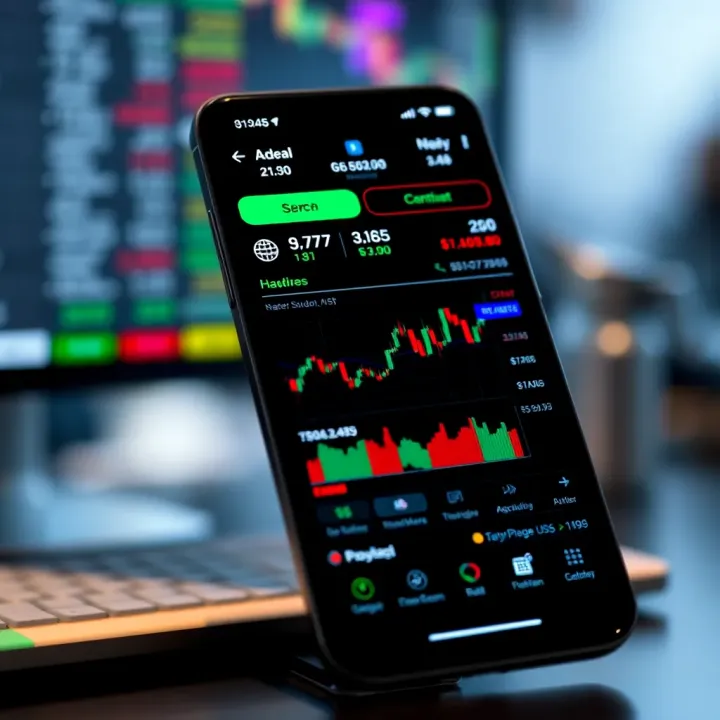
Explore mobile trading apps📱 with insights on features, benefits, secure trading🔒, UI, and top choices for investors in India🇮🇳. Stay informed and trade smart!
📱 Explore India’s top trading apps, their security, tech features, and benefits for both new and seasoned investors seeking easy access to markets.
📱Discover key features, security tips, and usability of official trading apps in India. Learn how to start and master trading with ease and confidence.
Based on 7 reviews