
Top Candlestick Patterns Every Trader Should Know
Learn to spot the strongest candlestick patterns 📊 for better timing and accurate trading decisions. Boost your strategy with proven price signals today!
Edited By
George Mitchell
Candlestick patterns serve as a vital tool for traders, providing a direct visual record of price action. Originating in Japan centuries ago, these patterns remain highly relevant for today's Indian and global markets. They help traders identify potential turning points, continuation signals, or market indecision with just a glance at the charts.
Understanding the formation and implication of key candlestick shapes can sharpen your analysis and offer an edge over relying on raw price numbers alone. Indian traders often use these patterns in tandem with other technical indicators like moving averages or volume to make more confident calls.
Each candlestick reflects four critical prices in a trading interval: the open, high, low, and close. The 'body' shows the zone between open and close, while 'wicks' or shadows depict the session’s extremes. Colour coding differentiates bullish candles (prices close higher than open) from bearish ones (prices close lower).
By learning six essential patterns—ranging from single candlestick signals like the Hammer to multi-candle formations like the Engulfing pattern—you can interpret market sentiment shifts effectively. These patterns help you predict whether buyers or sellers currently dominate, guiding entries and exits accordingly.
Candlestick patterns provide practical insights that purely numerical analysis might miss, especially in volatile markets like India’s Sensex and Nifty.
Some important things to remember:
Patterns work best when confirmed by volume trends or support/resistance zones.
Pattern reliability can differ between asset classes, so test them across stocks, commodities, or forex.
No pattern guarantees success; prudent risk management remains key.
This article will unpack the six crucial candlestick patterns frequently used by Indian traders to pick market moves with better precision. You’ll also see how to combine these signals with other tools to enhance your trading strategy and reduce guesswork.
Candlestick patterns serve as a fundamental tool for traders and investors to assess market trends and potential reversals. Understanding these patterns helps in making informed decisions by visually interpreting price movements within specific timeframes. For anyone active in Indian stock markets or other global exchanges, recognising candlestick formations can reveal insights beyond mere price charts.
Candlestick charting originated in Japan during the 18th century, credited largely to rice trader Munehisa Homma. Unlike traditional line charts, candlestick charts illustrate the open, high, low, and close prices within a given period, using shapes that resemble candles. This visual method allows traders to quickly grasp market dynamics.
A candlestick consists of the body and wicks (also called shadows). The body shows the price range between open and close, while the upper and lower wicks indicate the highest and lowest prices during the time interval. For example, a long lower wick with a small body near the top often suggests buying pressure.
Traders use candlestick patterns as a quick way to identify market sentiment shifts, entry or exit points, and possible trend changes. A single candlestick can say a lot about buyer-seller tussles, making it easier to time trades without needing complex indicators.
Candlestick shapes mirror the tug of war between buyers and sellers. For instance, a candle with a long upper wick but a small body signals that sellers pushed prices down after an initial buying surge. This behaviour hints at weakening demand or increasing supply.
The look of different candlestick patterns correlates strongly with market moods—from optimism to fear. Patterns like the hammer or shooting star visually capture moments when sentiment shifts sharply, giving traders clues to market direction.
While day traders may focus on these patterns for quick profits, long-term investors also benefit by spotting trend shifts or confirmation signals. For example, a bullish engulfing pattern in a weekly chart may indicate a sustainable upward move worth holding onto.
Candlestick patterns bridge raw data and human psychology, offering traders a readable snapshot of market battles between bulls and bears.
Overall, mastering candlestick patterns helps Indian traders decode market action with greater clarity and confidence, improving the chances of profitable decisions in both equity and commodity markets.
Recognising bullish reversal patterns is a vital skill for traders aiming to capitalise on market upturns. These patterns provide early clues that a downtrend might be losing steam and buying interest is returning. Spotting such reversal signals enables you to enter trades at advantageous points, before price rallies gain momentum, thereby improving risk-reward ratios.
A hammer candlestick has a small real body near the top of its range and a long lower shadow, at least twice the length of the body. The upper shadow is either absent or very short. Visually, the candle looks like a ‘T’ or hammer with the handle pointing downwards. On charts, it usually appears after a price decline.
Recognising this pattern right is crucial as the long lower wick shows sellers pushed prices down, but buyers stepped in aggressively to push prices back up, closing near the opening price. This tug of war often signals a potential shift from bears controlling the market to bulls gaining strength.
The hammer signifies that despite initial selling pressure, buyers have overwhelmed sellers by the end of the trading session. This sudden buying interest can act as the foundation for a trend reversal. Traders observe this as a sign that market sentiment might be turning bullish, especially if the following candle closes higher.
However, spotting a hammer alone is not enough; volume and confirmation candles matter. A hammer with increased volume strengthens the case for buyers stepping in actively.
In March 2023, shares of Tata Steel formed a hammer candlestick on daily charts after a multi-week slide, signalling buying support at ₹1,100 levels. Subsequent sessions saw prices recover sharply above ₹1,150. Similarly, State Bank of India (SBI) displayed a hammer pattern in December 2022 after a three-day fall, hinting at a bullish reversal that traders could exploit with tight stop-losses.
The Morning Star is a three-candle pattern appearing at the end of a downtrend. The first candle is a long bearish one, followed by a small-bodied candle (could be bullish or bearish) that gaps lower, showing indecision. The third candle is a long bullish candle that closes well into the body of the first candle.
This structure reflects a transition from strong selling, through uncertainty, to decisive buying. It visually balances out the decline with a hopeful rise, making it easy to identify on charts.
The Morning Star signals that sellers’ grip is weakening. The middle candle’s indecision suggests hesitation, while the third candle confirms renewed buying interest that can signal the start of an uptrend. Especially when the third candle closes with high volume, it demonstrates growing confidence among bulls.
Traders value this pattern for its clarity and reliability compared to single-candle signals.
Look for higher trading volume on the third candle to confirm genuine buying interest. Also, check if it forms near key support levels or aligns with other indicators like rising moving averages. Avoid trading on just the appearance; waiting for the next candle to close above the Morning Star adds an extra layer of safety.
Identifying and confirming bullish reversals like the Hammer and Morning Star patterns can make your entries smarter and help avoid false signals in volatile markets.
In the Indian context, these patterns frequently play out in stocks like Reliance Industries, Infosys, or Tata Motors during correction phases. Observing them alongside volumes and technical indicators can support better timing and risk management.
Bearish reversal patterns are essential signals that indicate a potential shift from an uptrend to a downtrend in the market. Recognising these patterns helps traders protect gains and avoid sharp losses by signalling when selling pressure starts to dominate. For Indian traders, understanding bearish reversal patterns provides a practical edge, especially in volatile markets like the Nifty 50 or Sensex, where swift trend changes happen frequently.
Visual characteristics: The shooting star is a single candlestick with a small real body near the bottom, a long upper shadow at least twice the length of the body, and little or no lower shadow. This shape resembles a star falling from the sky, hence the name. Visually, it appears after a strong upward movement, signalling rejection at higher price levels. Its clear structure makes it easy to spot on intraday or daily charts, offering a timely warning of a reversal.
Interpreting trader behaviour: The long upper shadow indicates that buyers pushed the price high during the session, but sellers regained control, closing the price near the opening level. This battle suggests that buying enthusiasm is fading, and sellers are stepping in strongly. Often, this pattern reflects profit-booking or cautious trading, signalling traders to prepare for a possible price drop.
Examples from Indian equity markets: In recent months, stocks like Reliance Industries and HDFC Bank displayed shooting star patterns after rallying sharply. Following these formations, both saw short-term corrections of 3-5 per cent, validating the shooting star as a reliable sign for exit or short-selling strategies.
Formation details: The evening star is a three-candle bearish reversal pattern forming at the end of an uptrend. It consists of a large bullish candle followed by a small-bodied candle (either bullish or bearish) that gaps higher, and then a large bearish candle that closes well into the first candle’s body. This pattern shows a clear transition in market control from buyers to sellers.
Confirmation signals: Confirmation comes from the third bearish candle's strong close, signalling that sellers have taken command. Traders often look for increased volume on this candle to validate the reversal. Additional confirmation can come from moving averages or momentum indicators turning bearish, reinforcing the pattern’s reliability.
Using the pattern to time exits: The evening star helps traders decide when to exit long positions or enter shorts. For example, if you spot this pattern on shares like Maruti Suzuki or Infosys following a sustained rise, it’s a cue to tighten stop-loss orders or book profits. Waiting for confirmation reduces false signals and improves timing, helping avoid losses when the market reverses abruptly.
Identifying bearish reversal patterns like the shooting star and evening star offers practical benefits. They provide clear exit signals, help spot potential downtrends early, and assist in risk management — vital for trading success in dynamic markets like India’s equities.
Understanding these patterns equips you to act promptly when selling pressure mounts, improving your overall trading strategy and safeguarding your capital.
Continuation patterns in candlestick charts signal the market's intention to maintain its current trend, whether bullish or bearish. Spotting these patterns helps traders avoid premature exits and reinforces confidence in existing positions. For example, in an uptrend, continuation patterns suggest buyers still control the market, while in a downtrend, sellers hold the reins.
These patterns may not always announce dramatic reversals but serve as crucial confirmations of momentum. Recognising them reduces guesswork and aligns trading strategies with market rhythm. In Indian markets, such as the Nifty 50 and BSE Sensex, continuation patterns have helped traders ride trends profitably, especially during volatile sessions.
A Doji appears when a stock's opening and closing prices are almost the same, forming a candle with a very small or no body. This shape indicates indecision as neither buyers nor sellers dominate. You will often see long wicks on either side, highlighting price fluctuations within the session but an unresolved tug of war by closing time.
A Doji alone doesn't guarantee a reversal or continuation; context matters. During a strong trend, a Doji often suggests hesitation, but the trend may continue if subsequent candles confirm the direction. Conversely, if a Doji forms after extended moves up or down, it might foreshadow a reversal, signaling exhaustion in buyer or seller enthusiasm.
Volume acts as a supporting clue for interpreting Doji candles. High trading volume during a Doji suggests a genuine battle between bulls and bears, increasing the chance of an imminent reversal or pause. Low volume Dojis, however, might be less reliable and could simply denote consolidation or lack of interest. For example, in NSE stocks like Reliance Industries, combining Doji patterns with volume spikes helped traders avoid false signals during sideways moves.
Bullish engulfing occurs when a large green candle completely covers the previous small red candle, signalling buyers overtaking sellers. Bearish engulfing is the opposite: a large red candle fully overlaps the prior small green candle, pointing to sellers gaining control. Both patterns stand out due to their size and dominance over the previous session’s candle.
These patterns indicate a shift in market psychology. A bullish engulfing suggests a possible upward move, often after a downtrend, while bearish engulfing warns of potential declines following an uptrend. Traders watch for confirmation with the next few candles or other indicators to reduce risk, such as moving averages or RSI.
Engulfing patterns are especially useful in intraday trading for spotting momentum shifts quickly. Swing traders rely on them to time entries or exits over a few days. For instance, a bullish engulfing on TCS shares during a corrective dip may mark a buying opportunity, while a bearish engulfing on HDFC Bank could signal a timely exit. Combining these patterns with support-resistance levels or moving averages enhances their reliability.
Continuation patterns like Doji and Engulfing provide actionable insights to identify whether to stay in a trade or prepare for change, helping traders align with market momentum rather than speculate blindly.
Combining candlestick patterns with other trading indicators strengthens decision-making by confirming signals and reducing false positives. Candlestick patterns alone offer insights into market psychology and price action, but adding tools like moving averages and volume analysis can enhance accuracy. This approach works well in both intraday and swing trading, particularly in the volatile environment of Indian equity markets.
Moving averages smooth out price data to reveal underlying trends, which can confirm the signals suggested by candlestick patterns. For example, if a Hammer candlestick appears near a long-term moving average support line, this convergence increases the chance of a bullish reversal. Conversely, a Shooting Star forming close to a moving average resistance adds weight to a potential bearish trend.
When the price crosses above or below key moving averages such as the 50-day or 200-day, it often signals a trend shift. Traders frequently look for candlestick patterns forming in this zone to time entries or exits. This combination helps filter out misleading patterns that happen in choppy markets.
Take Nifty 50 or Sensex stocks: during market corrections, a Morning Star near the 200-day moving average often signals a strong recovery in blue-chip companies like Reliance Industries or HDFC Bank. Similarly, a Bearish Engulfing near the 50-day average can hint at a pullback in trending stocks such as Infosys. Indian traders use these patterns alongside moving averages to align their positions with broader price dynamics.
Volume adds a critical dimension by showing the strength behind price movements. A reversal candlestick pattern with high volume suggests genuine conviction among traders, making the signal more reliable. Without volume confirmation, the pattern might represent indecision or a temporary pause.
For instance, a Bullish Engulfing pattern accompanied by a spike in volume on the NSE (National Stock Exchange) indicates strong buying interest. On the other hand, low volume during an apparent reversal pattern often warns traders against committing prematurely.
Looking at NSE data for stocks like Tata Motors or Asian Paints, we see volume surges confirming key candlestick patterns during major price moves. During Diwali sales season, increased trading activity often supports bullish patterns, leading to meaningful gains. Such practical examples show why monitoring volume alongside patterns helps Indian traders avoid false breakouts and spot genuine trends early.
Using candlestick patterns with moving averages and volume analysis creates a more reliable strategy, enabling traders to better predict market moves and manage risk effectively.
Learn to spot the strongest candlestick patterns 📊 for better timing and accurate trading decisions. Boost your strategy with proven price signals today!
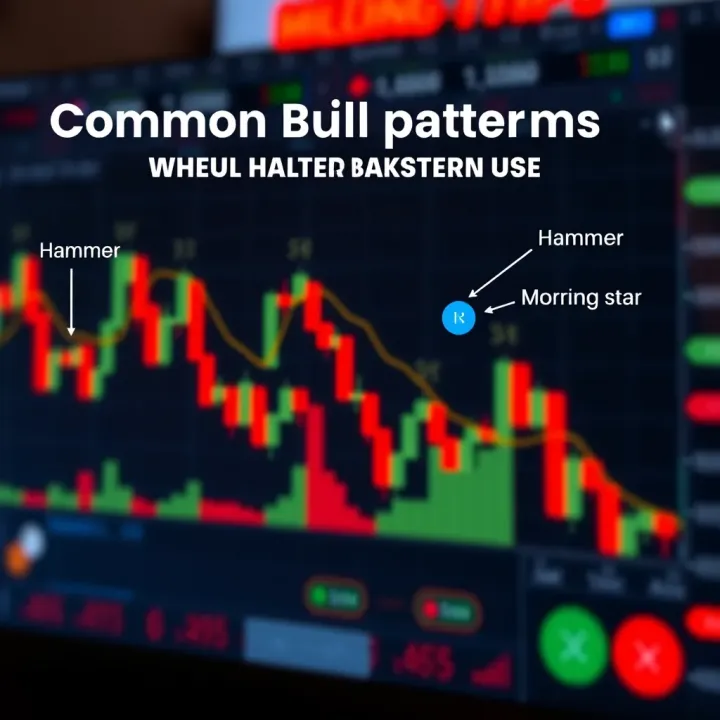
📈 Learn the most used candlestick patterns in trading to read market behavior, spot trends, and manage risks effectively for smarter trading decisions.
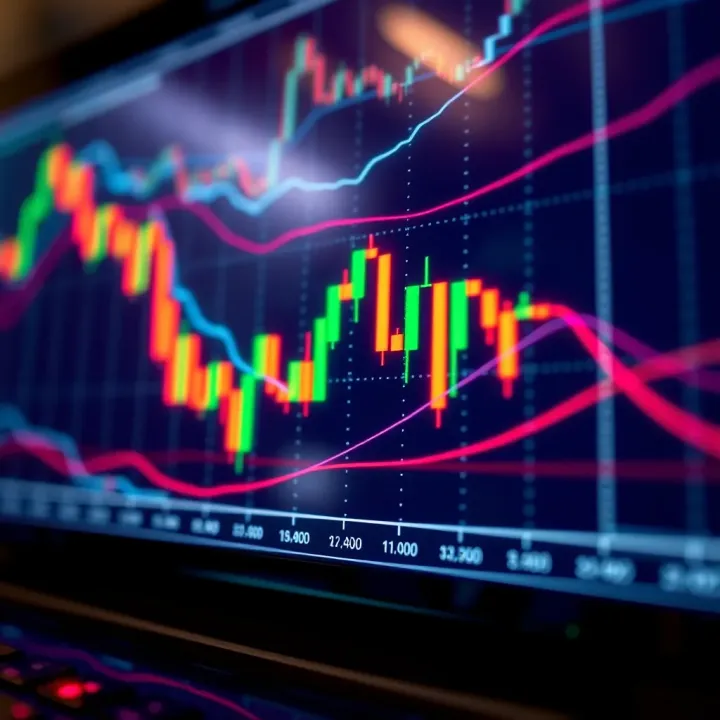
📈 Learn to read candlestick patterns effectively with practical tips tailored for Indian traders. Boost your trading decisions with clear insights and key patterns!

📈 Discover the most accurate candlestick patterns used by Indian traders to spot reliable signals and enhance your trading decisions with real market examples.
Based on 7 reviews