
Powerful Candlestick Patterns Guide with PDF
Discover powerful candlestick patterns 📈 key for stock & forex trading. Learn to spot market sentiment, avoid errors & access a handy PDF guide 📄.
Edited By
Liam Foster
Candlestick patterns serve as a key tool for investors and traders to understand market sentiment and price movements in stocks and forex trading. These patterns, visualised as candlesticks on charts, reveal the battle between buyers and sellers within specific time frames, offering insight into potential market direction changes.
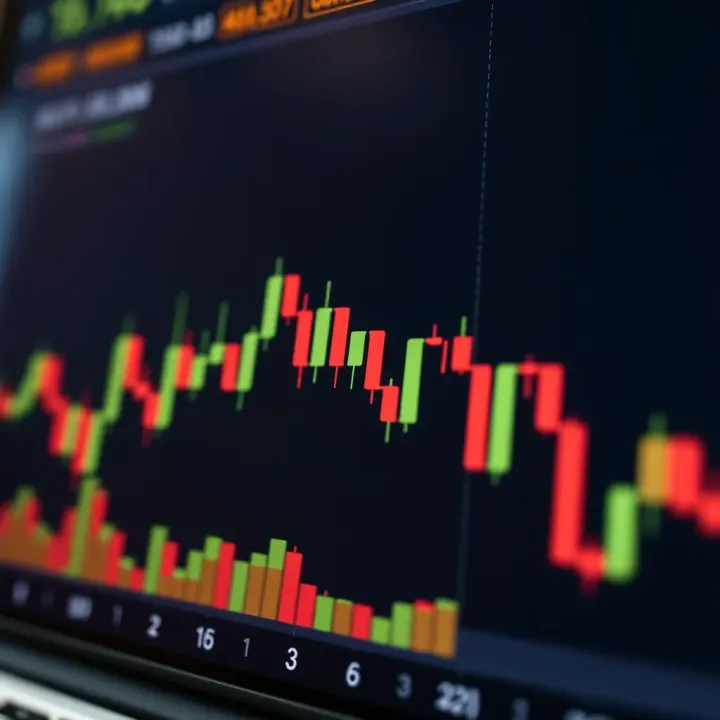
A typical candlestick shows the opening, closing, high, and low prices for an asset during a set period — typically a day, an hour, or even minutes. The body of the candlestick reflects the price range between open and close, while thin lines called shadows or wicks denote the highs and lows. The colour, usually green or white for a price rise and red or black for a fall, quickly communicates market momentum.
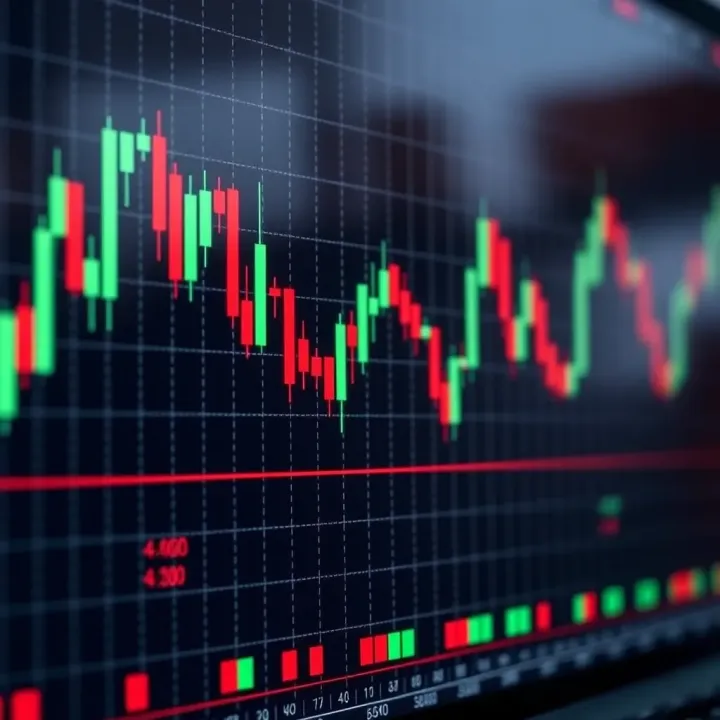
Understanding candlestick patterns involves recognising formations like Doji, Hammer, Engulfing, and Shooting Star, among others. For example, a Hammer pattern with a small body and a long lower wick may signal a possible reversal from a downtrend to an uptrend, indicating buying strength after sellers pushed prices down.
Spotting these patterns early lets traders anticipate market moves and plan entries or exits more effectively.
While individual candlesticks provide clues, combining patterns and analysing them alongside volume and other indicators, such as moving averages or relative strength index (RSI), improves accuracy. Beginners should focus on mastering a few simple patterns before exploring complex ones.
To boost your practical understanding, using high-definition PDF resources with charts and examples helps reinforce learning. Many reputable platforms and trading academies offer downloadable guides that explain patterns step-by-step, including tips for real-time application.
Candlestick patterns reflect psychological market dynamics and are more reliable in context.
Pay attention to trend direction and confirmation signals before acting on patterns.
Practice observing patterns on various timeframes — daily, hourly, and 15-minute charts.
Combining candlestick analysis with fundamental news and broader market trends adds depth.
A consistent study of candlestick patterns sharpens your trading skill set and reduces guesswork. With the right resources and practice, you’ll be better equipped to spot trading opportunities early and manage risks effectively.
Candlestick patterns form the backbone of technical analysis in trading. By visually representing price movements, these patterns help traders and investors identify market trends, reversals, and continuations. Understanding their basics is essential for making informed decisions in stock, forex, and commodity markets. For example, recognising a "hammer" candlestick during a downtrend can signal a possible bullish reversal, offering entry points for smarter investments.
A candlestick pattern is a visual tool that shows how prices move within a specific time frame such as minutes, hours, or days. Each candlestick has a body and wicks (also called shadows) that represent the opening, closing, high, and low prices. The shape and colour of these candlesticks indicate whether buyers or sellers dominated a session. Traders study combinations of these candlesticks to anticipate future price action. For instance, a "doji" pattern, where opening and closing prices are nearly equal, often suggests market indecision.
Candlestick charting originated in Japan during the 18th century by rice trader Munehisa Homma, who used them to track price movements in the rice market. This method helped traders understand supply and demand dynamics visually. It remained largely unknown outside Japan until the late 20th century when Western traders adopted it for stocks and forex. Today, candlestick patterns are a standard part of many trading platforms, supported by regulatory bodies like SEBI in India. Their historical roots offer insights into market psychology, something purely numerical charts might miss.
Candlestick patterns tell stories of market sentiment — understanding them gives a trader an edge beyond just numbers.
With this foundation, readers can proceed confidently into more detailed candlestick structures and patterns, backed by clear examples and ready to use HD PDF guides for deeper learning.
Understanding the structure of a candlestick is central to interpreting price movements in stock and forex trading. Each candlestick encapsulates a lot of information in a compact form – its shape and components reveal if buyers or sellers dominated during a certain time frame. This knowledge helps traders make informed decisions rather than guessing market direction.
A candlestick has three key parts: the body, the upper wick (or shadow), and the lower wick (or shadow). The body represents the price range between opening and closing levels for the time period. A long body suggests strong buying or selling pressure, while a short body indicates indecision or a balanced battle between bulls and bears.
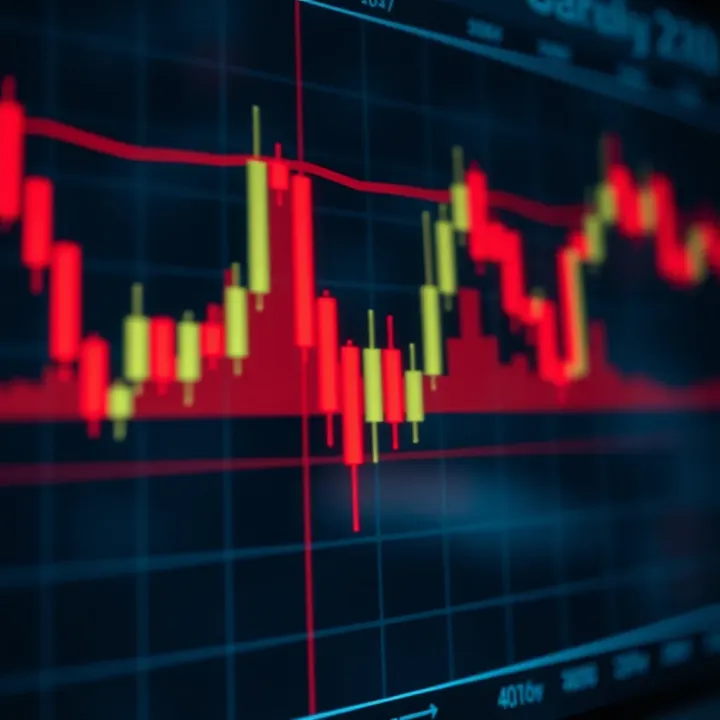
The wicks, thin lines above and below the body, show the highest and lowest prices reached during that period. For example, a long upper wick means buyers pushed the price up but couldn’t hold it, so sellers brought it back down. Similarly, a long lower wick suggests sellers drove prices down initially but buyers regained control towards the close.
Take the case where a candlestick has a small body near the top with a long lower wick – this pattern often points to a possible reversal from a downtrend because buyers stepped in strongly after sellers tried to lower the price.
Colours in a candlestick chart simplify the quick reading of market sentiment. Traditionally, a green or white candlestick means the price closed higher than it opened, signalling bullish behaviour. Conversely, a red or black candlestick indicates the closing price was lower than the opening price, reflecting bearish sentiment.
These colours are not just cosmetic – they influence traders’ psychology. For instance, multiple green candlesticks in succession can ignite buying momentum, while several red ones may prompt caution or selling. In some charts, traders customise colours to suit personal preferences, but the underlying bullish or bearish meaning remains the same.
A candlestick’s body size, wicks, and colour together tell a fuller story of market activity — mastering this helps you read the charts like a pro.
By breaking down candlesticks to these components, traders can better analyse price actions, spot potential reversals, or confirm trends early. This clarity reduces guesswork and aids better entry and exit decisions, thereby improving trading outcomes.
Understanding common candlestick patterns plays a significant role in trading decisions, as these patterns give clear signals about market sentiment and potential price movements. For traders and investors, recognising these patterns helps anticipate reversals or continuation trends without relying on complicated tools. Each pattern tells a story about buyers and sellers — knowing this can improve timing for entry or exit points.
The Hammer and Hanging Man share similar shapes but differ in their placement and meaning. A Hammer appears after a downtrend, signalling a potential bullish reversal; it has a small body with a long lower wick showing that sellers pushed prices down, but buyers regained control by close. In contrast, the Hanging Man arises after an uptrend, warning of possible bearish reversal as sellers start pressing prices lower. For example, a Hammer on a daily chart of Reliance Industries after a falling phase might suggest buyers stepping in, offering a chance to go long.
Doji candles form when opening and closing prices are nearly the same, indicating indecision in the market. Different Doji types like the Dragonfly, Gravestone, or Long-legged Doji reveal subtle differences in price action balance. Their significance increases when appearing at key support or resistance levels, hinting at a change in direction or pause. For instance, a Doji at strong support on the Nifty 50 index chart might prompt traders to watch for a bounce or further confirmation before trading.
Spinning Tops feature small bodies with long upper and lower shadows, reflecting a tug-of-war between buyers and sellers. They usually indicate market hesitation and potential reversal if found after a strong trend. In practice, spotting a Spinning Top in a trending market like HDFC Bank’s stock could encourage cautious trading or await additional signals before committing.
Engulfing patterns involve two candles where the second fully covers or “engulfs” the first's body, signalling strong momentum change. A Bullish Engulfing marks buying strength after a downtrend, while a Bearish Engulfing warns sellers taking over after an uptrend. For example, in the Nifty chart, a Bullish Engulfing after a series of red candles may suggest a fresh rally is on the cards.
These are three-candle patterns signalling major reversal zones. The Morning Star shows a downtrend losing steam followed by a strong bullish candle, hinting at a market bottom. The Evening Star finds sellers gaining after buyers lose steam at peaks, indicating a top. Traders eyeing stocks like Infosys might rely on these patterns near support or resistance to time entries or exits precisely.
The Three White Soldiers consist of three consecutive long bullish candles, suggesting sustained buying and trend continuation. Opposite to this, Three Black Crows are three straight bearish candles hinting at prolonged selling pressure. Spotting these on a weekly chart of Tata Steel or other stocks offers traders confidence in persistent momentum.
Reading these common candlestick patterns equips you with practical signals for market entry, exit, and risk management. Combining them with volume, trend strength, and other analysis sharpens trading strategies effectively.
High-definition (HD) PDF resources serve as valuable tools for traders and investors who want to deepen their understanding of candlestick patterns. These resources typically offer sharp, clear images and detailed explanations, which help readers spot subtle pattern variations often missed in lower-quality materials. In trading, where precision can impact decision-making, such clarity improves learning and practical application.
Reliable HD PDF guides can often be found on websites of established trading academies, financial education platforms, and brokerage firms with educational sections. For instance, organisations like the National Stock Exchange (NSE) or Bombay Stock Exchange (BSE) provide downloadable educational content geared towards Indian investors. Additionally, specialised forex and stock market learning portals frequently publish detailed guides in PDF format for easy offline study. Forums like TradingView and community-run sites also share free tutorials, but one must verify their credibility before downloading.
For beginners, it is wise to prefer PDFs from sources associated with regulatory bodies such as the Securities and Exchange Board of India (SEBI) or well-known financial institutions. These resources often include step-by-step visuals and real chart examples relevant to Indian markets.
HD PDFs allow users to zoom in without losing detail, making pattern recognition easier. This is particularly useful for studying complex formations like the evening star or three white soldiers, where small candle details matter. Unlike videos or web pages, PDFs can be accessed offline on multiple devices, allowing you to revise patterns anytime during market breaks or commutes.
Moreover, well-designed PDFs organise content logically, mixing theory with examples and practice exercises. You can highlight key points or annotate pages digitally, which supports active learning. For traders balancing learning with daily jobs or studies, such flexibility makes HD PDFs a handy resource.
Clear visuals in high-quality PDFs reduce misinterpretation of candlestick patterns, helping avoid trading mistakes that often result from unclear charts.
In summary, choosing the right HD PDF guides and using them consistently enhances your grasp of candlestick patterns. It makes the leap from recognising patterns to applying them effectively in trading less daunting and more grounded in reliable knowledge.
Applying candlestick patterns alone rarely gives a foolproof trading strategy. However, combining them effectively with other tools and avoiding common pitfalls can enhance your trading decisions significantly. This section helps you understand practical ways to integrate candlestick analysis, improving accuracy while steering clear of frequent errors.
Candlestick patterns work best when paired with other technical indicators for confirmation. For instance, you might spot a bullish engulfing pattern indicating a potential uptrend. However, before entering a trade, check the Relative Strength Index (RSI). If RSI is oversold (below 30), it supports the buy signal. Conversely, if RSI shows overbought conditions (above 70), the pattern may give a false signal.
Similarly, moving averages—like the 50-day or 200-day moving average—can be used alongside candlestick patterns to identify the overall trend. Suppose a hammer pattern forms near a 200-day moving average acting as support, it heightens the chance of a genuine reversal. On the other hand, a hammer appearing during a strong downtrend without support may mean a mere pause.
Fibonacci retracement levels also help validate candlestick signals. Imagine prices bouncing off the 61.8% retracement level with a doji candle. This combination may hint at a valid trend reversal or continuation.
Using volume data is another practical way. For example, an engulfing pattern with rising volume is generally more reliable than one on low volume. This shows increased market interest backing the move.
Beginners often misinterpret candlestick signals by overlooking context or acting too fast. Here are some frequent errors:
Ignoring the bigger trend: Candlesticks signal a potential change, but trading against a strong trend usually ends badly. Confirm direction first.
Taking patterns at face value: Not every hammer or doji means reversal. Consider volume, location on chart, and support/resistance zones.
Relying solely on single patterns: Multiple candlestick patterns or combinations perform better. Single candlesticks can mislead.
Overtrading based on small timeframes: Patterns on very short intervals like 1-minute charts tend to be noisy and unreliable.
Lack of risk management: Even a perfect candlestick signal can fail. Always use stop-loss orders to protect capital.
Reading candlestick patterns is valuable, but blending them with other technical analysis tools and keeping an eye on common errors itself will work towards smarter, safer trading.
Putting these tips in practice requires patience and practice. Study chart examples, refer to HD PDF resources, and keep a trading journal to learn from successes and mistakes gradually.
Discover powerful candlestick patterns 📈 key for stock & forex trading. Learn to spot market sentiment, avoid errors & access a handy PDF guide 📄.
📈 Learn to spot momentum candlestick patterns and boost your trading skills with easy-to-use PDF guides. Perfect for traders wanting smart market moves! 📊
📈 Master candlestick patterns with this detailed guide! Learn key charts, strategies & get PDF resources to boost your trading skills in India. 📊

📈 Learn how combining multiple candlestick patterns can improve your trading decisions. Discover key patterns, avoid common mistakes, and read market trends better.
Based on 11 reviews