

Nifty Options Trading Guide for Indian Traders
📈 Master Nifty options trading in India with this practical guide. Learn strategies, risks, and tips to boost your trading portfolio confidently!
Edited By
Amelia Walker
In India, options trading happens primarily on the National Stock Exchange (NSE) and Bombay Stock Exchange (BSE). Whether you are a beginner experimenting with call and put options or an experienced trader employing complex strategies, your broker must provide seamless access, real-time data, and quick order execution.
Selecting a broker wisely can save you thousands in unnecessary commissions and help you react swiftly to market movements.

Trading Costs: Look beyond just brokerage fees. Check for charges on order placement, contract notes, options writing, and margin calls.
Trading Platform: A user-friendly and stable interface with live charts, option Greeks, and expiry data is essential.
Range of Options Offered: Some brokers support equity options alone, while others also allow index or currency options.
Customer Support: You want reliable guidance and quick response, especially when market hours are hectic.
Research and Learning Tools: Brokerages providing tutorials, webinars, and expert insights can boost your option trading skills.
Several brokers in India stand out in options trading, including Zerodha, Upstox, Angel One, and ICICI Direct. For example, Zerodha offers flat brokerage on intraday and F&O trades, backed by its robust Kite platform, which many traders prefer for options due to fast order execution and intuitive UI.
Trading options requires vigilance and a sound understanding of risk; therefore, a broker offering margin facilities with reasonable rates and risk management tools can be of great help.
In this article, we will compare popular Indian brokers on these parameters, detail their fee structures, and share tips to select a broker suiting your trading style and goals. This will equip you to make informed decisions and enhance your options trading experience in India.
Options trading offers investors flexibility to hedge risks or speculate on price movements with relatively limited capital. If you're looking to enter this segment of the Indian stock market, understanding how options work and the regulatory framework is essential for making informed decisions and choosing the right broker.
There are mainly two types of options you can trade in India: call options and put options. A call option gives the buyer the right to purchase an asset at a specific price before the expiry date, while a put option allows selling the asset under similar terms. For example, if you expect the price of a Nifty 50 stock to rise, buying a call option can help you benefit without owning the stock outright.
An options contract represents a standardised agreement between two parties — the buyer and the seller (writer). Each contract covers a predefined quantity of the underlying asset, such as 75 shares for Nifty options. The buyer pays a premium upfront for this right but isn’t obligated to exercise it. The seller, in turn, receives this premium but bears the obligation if the buyer chooses to execute the option. This system allows traders to strategise around market movements while controlling risk exposure.
Before starting, know the essential terms: strike price (the fixed price for buying or selling), expiry date (when the option contract becomes invalid), premium (cost of buying the option), and intrinsic value (the difference between current asset price and strike price). Understanding these helps you evaluate whether an option is valuable and decide on strategies like buying, selling, or writing options.
SEBI regulates options trading in India, ensuring fairness and transparency in the market. It mandates brokers to follow strict guidelines regarding disclosures, margin requirements, and client fund segregation. For instance, SEBI's rules prevent misuse of client funds and reduce fraud risk, giving you more confidence trading with SEBI-registered brokers.
Options trading takes place mainly on the National Stock Exchange (NSE) and Bombay Stock Exchange (BSE). NSE accounts for the bulk of derivatives trading, including options on indices like Nifty 50 and individual stocks. These exchanges provide electronic trading platforms with real-time data, helping traders execute orders efficiently.
Investor protection includes margin rules that limit your exposure based on your capital and price limits to curb excessive speculation. Exchanges also provide grievance redressal mechanisms if disputes arise with brokers. For example, if you believe a broker violated trading norms, you can approach the Investor Protection Fund or SEBI for resolution.
Knowing these basics and regulations not only helps you start options trading confidently but also guides you in picking a broker who complies with Indian rules and supports your trading goals effectively.
Choosing the right broker is vital for options trading success in India. The broker’s features directly affect your trading efficiency, costs, and support quality. Knowing which elements matter helps you avoid issues like hidden fees or clunky platforms that slow you down.
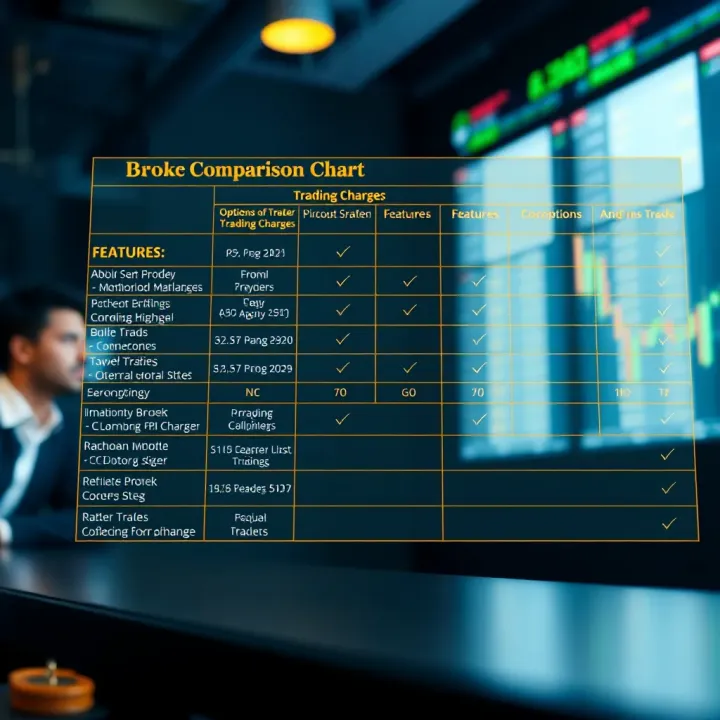
User interface and ease of use
A trading platform that's easy on the eyes and straightforward in navigation makes life much simpler. For instance, Zerodha's Kite platform is known for its clean layout, letting even beginners place option orders without hassle. A complex interface can lead to errors, especially when timing is crucial in options.
Charting and analysis tools
Charts and technical indicators are at the heart of options trading. A broker must provide robust charting tools with features like candlestick patterns, moving averages, and volatility analysis. Upstox, for example, offers interactive charts integrated with live market data, which helps traders spot opportunities or risks quickly.
Mobile app capabilities
Trading on the move is common now, so mobile apps need to be reliable and packed with features. Good apps support order placements, option Greeks calculation, and real-time alerts. ICICI Direct’s mobile app balances depth and simplicity, enabling traders in tier-2 cities to execute trades smoothly without being limited by device capabilities.
Brokerage on options trades
Charges per options trade matter a lot, especially if you trade frequently. Discount brokers like 5Paisa often charge a flat fee per trade, regardless of size, which suits active traders well. On the other hand, full-service brokers might charge a percentage, which can add up quickly for big volumes.
Exercise and assignment charges
If you hold options until expiry, exercise and assignment fees come into play. Some brokers levy separate charges for these, so knowing them beforehand saves surprises. Angel Broking, for example, includes these costs transparently in their fee schedule.
Account maintenance and other fees
Besides trading fees, recurring costs like Annual Maintenance Charges (AMC) for the Demat account can affect your overall expense. It’s wise to compare these charges alongside transaction costs. Smaller brokers often waive AMC for the first year; something to keep in mind when starting out.
Availability and responsiveness
Trading questions and glitches are inevitable. Brokers offering quick and helpful customer support, especially via multiple channels like phone, chat, and email, add value. For example, ICICI Direct’s customer care is available during market hours and assists with settlement and technical queries.
Educational resources and guidance
Beginners and even experienced traders benefit from reliable educational content. Brokers that provide webinars, tutorials, and articles on options trading can sharpen strategies and reduce costly mistakes. Zerodha's Varsity is a popular resource providing comprehensive lessons catering to Indian markets.
When selecting a broker, focusing on practical features like platform usability, transparent fees, and solid support helps you trade effectively and avoid hidden pitfalls. Always try demo versions and read recent user feedback before deciding.
Choosing the right broker significantly impacts your success in options trading. In India, several brokers offer varied services tailored to different trader needs. Understanding who the top players are and what sets them apart helps you pick a platform that aligns with your goals and trading style. This section breaks down the major broker types and reviews five prominent brokers, highlighting practical aspects like costs, tools, and support.
Discount brokers focus on low-cost trades with minimal extra services. They offer basic platforms, suitable for experienced traders comfortable with handling their own research. Typically, these brokers charge flat fees or very low brokerage on options contracts, which can save you thousands over time if you trade frequently. For example, Zerodha and Upstox provide a simple pricing model, usually charging around ₹20 per options trade or a flat percentage.
On the other hand, full-service brokers like ICICI Direct provide a wider range of services including research reports, advisory, portfolio management, and dedicated relationship managers. Their fees are higher but they offer greater handholding, which can be valuable for beginners or traders looking for expert guidance.
Considering the suitability for traders, discount brokers work well for active traders who prioritise low costs and fast execution. They prefer platforms that offer advanced charting tools and fast order placement. Full-service brokers suit those with a conservative approach or those who trade occasionally but want insights and personalised advice to decide their trades effectively.
Zerodha is the largest discount broker in India, known for its Kite trading platform which is user-friendly and equipped with robust options trading features. Zerodha charges a flat ₹20 or 0.03% (whichever is lower) per order, making it highly cost-effective for traders with high volumes. Its educational resource 'Varsity' helps beginners understand options better.
Upstox offers competitive rates similar to Zerodha and focuses heavily on technology. The Upstox Pro platform has useful tools for options analysis, including strategy building and option chain visualisation, helping traders take informed decisions quickly. The mobile app is also well-reviewed.
ICICI Direct, a full-service player, combines research-backed advisory services with seamless options trading via its Trade Racer platform. The higher brokerage fees come with the benefit of expert calls and detailed market analysis, ideal for traders new to options or those who value guidance.
5Paisa is a discount broker providing flat fees for options trading and easy access through its web and mobile platforms. It stands out for its low account opening charges and straightforward interface, which is good for beginners and moderate volume traders.
Angel Broking straddles the line between discount and full-service models. It offers competitive brokerage plans and an intuitive platform, along with advisory services for those seeking more support without the high costs of traditional full-service brokers.
Selecting the right broker boils down to balancing trade costs against the level of service you require. Make sure to test platforms, check fee structures, and consider your trading frequency before deciding.
This overview should help you weigh your options and pick a broker that fits your style, budget, and expectations when trading options in India.
Choosing the right broker for options trading in India can make a significant difference to your trading experience and success. The right broker offers features that match your trading style, charges fees that align with your budget, and provides a platform you find easy to use. This section breaks down how to make an informed choice so that you avoid unnecessary costs or missed opportunities.
Your trading style is a major factor here. Active traders, who enter and exit multiple positions daily, require brokers offering fast execution, low brokerage charges, and robust trading platforms. In contrast, occasional traders might prioritise ease of use and educational resources since they trade less frequently. For example, a trader who places 20 option trades a day will find a discount broker with low per-trade fees more cost-effective, while someone trading once or twice a month might prefer the guidance provided by a full-service broker.
Your typical trading volume influences which broker suits you best. Active traders often benefit from brokers with flat fees or discounted pricing models that do not eat heavily into profits. Occasional traders, however, might prefer brokers that charge a percentage or fixed fee without monthly minimums since their trading activity is lower. Choosing the right broker according to your volume prevents paying extra charges or facing platform limitations that could affect your orders.
It's crucial to understand all the fees involved in options trading—not just brokerage. Certain brokers charge extra for contract exercises, assignments, or have account maintenance fees. For instance, some brokers might offer zero brokerage but charge ₹20 per order as an exercise fee, which can add up over time. Not accounting for these hidden charges could lead to surprises that reduce your net returns.
A straightforward comparison of fee structures can save money. Evaluate brokerage rates, daily or monthly caps, and additional charges across multiple brokers. Consider also the fee models—some brokers offer fixed fees regardless of trade size, while others use percentage-based charges. For example, Zerodha charges a flat ₹20 or 0.03% per executed order, whichever is lower, a simpler model than brokers with variable fees.
Most brokers provide demo accounts to help you get familiar with their platform without risking real money. Testing a demo enables you to explore features like order placement, charting tools, and real-time data flow. If the interface feels cluttered or slow during the demo, it may hinder your trading efficiency once you start live trading.
Besides demos, some brokers offer trial periods with limited or no charges to test their services. It's also helpful to read current user reviews to understand platform reliability and customer support quality. For example, a trader might choose Upstox after trying its trial period and confirming the mobile app's smooth order execution. These steps ensure you don’t get stuck with a platform that doesn't meet your expectations.
Picking a broker is not just about lower fees—matching features to your trading habits and testing platforms first helps avoid costly mistakes.
Making an informed decision based on your trading behaviour, fee clarity, and platform usability helps you thrive in options trading confidently and cost-effectively.
Trading options in India requires more than just picking a broker; you need practical strategies to manage risks and stay informed. Successful trading means knowing how to protect your investments and adapting your approach as market conditions change. This section highlights effective risk management techniques and staying updated with market trends and regulations, essential for any options trader.
Setting stop-loss orders is a useful way to limit losses when a trade doesn’t go as planned. By placing a stop-loss order, you tell your broker to sell your option position automatically once it hits a certain price, preventing further loss. For example, if you bought a call option expecting the underlying stock to rise, but the price falls below your stop-loss level, your position will close, restricting your loss. This tool is especially helpful if you can’t monitor the market continuously.
Another key strategy is diversifying your options trading approaches. Instead of betting all funds on a single position, spread your investments across different option types (like calls and puts), strike prices, and expiry dates. This reduces the impact of a single trade going wrong. For instance, if you expect volatility in the market, combining covered calls with protective puts can balance risks and rewards. Diversification also helps smooth out returns and protects your capital during unpredictable market moves.
Following SEBI notifications keeps you in tune with the rules that govern options trading in India. The Securities and Exchange Board of India (SEBI) frequently updates regulations concerning margin requirements, contract specifications, and trading hours. Ignoring these changes can lead to compliance issues or missed trading opportunities. For example, when SEBI adjusted margin rules a few years back, traders with outdated practices faced sudden cash demands. Staying updated through SEBI’s official announcements or your broker’s alerts helps you adjust strategies promptly.
Using news and analysis tools regularly is crucial to stay ahead in options trading. Market-moving news about corporate earnings, economic data releases, or policy changes often affect option premiums and volatility. Platforms like Moneycontrol or Bloomberg Quint offer real-time updates and expert opinions that can guide your decisions. For example, if a government announces a policy likely to boost a sector, knowing this before trading can shape your strategy to buy call options on related stocks. Combining this with technical analysis tools enhances your ability to anticipate price movements.
Effective options trading in India is not just about picking the right broker but also requires disciplined risk management and being well-informed about market developments and regulations.
By applying these tips, you improve your chances of success and protect your capital from unforeseen market shocks. Remember, trading with a reliable Indian broker who supports these tools and offers timely information gives you a clear edge.
📈 Master Nifty options trading in India with this practical guide. Learn strategies, risks, and tips to boost your trading portfolio confidently!

Discover top online options trading courses 📈 tailored for Indian traders. Learn key skills, course types, & expert tips to trade smarter & boost profits!
📈 Understand margin in options trading—how it works, types of accounts, India’s rules, and tips to manage margin smartly for safer trades.
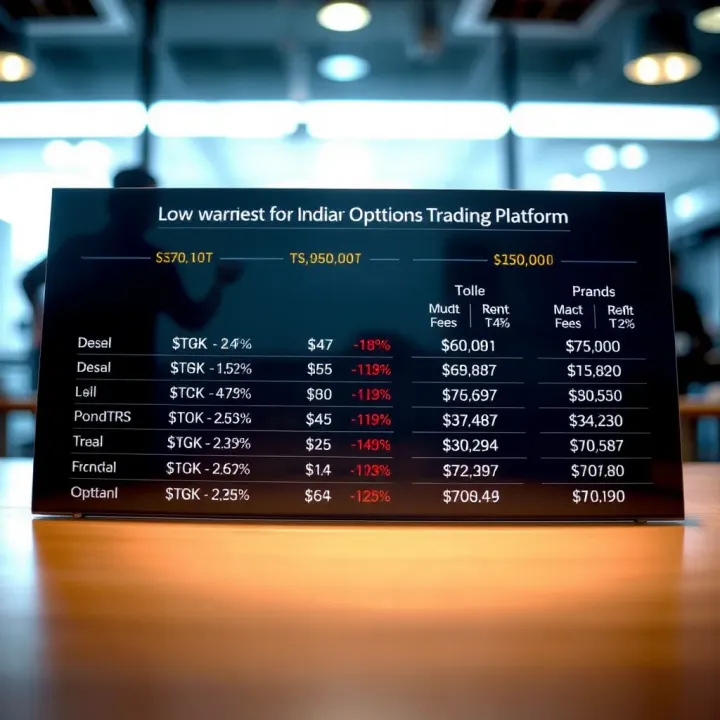
📉 Find the lowest brokerage for options trading in India! Compare top brokers, understand fees, and choose the best affordable platform for traders.
Based on 14 reviews