

Choosing the Best Stock Trading App in India
Explore top stock trading apps in India 🚀 Compare features, brokerage charges, security, and support to pick the best platform for your investing needs with ease.
Edited By
Liam Walker
Choosing the right stock market trading app in India is more than just picking one with a flashy interface or the highest number of downloads. It demands a clear understanding of what your trading needs are and how different features can support your goals. Whether you're a beginner looking to learn the ropes or an experienced trader aiming for real-time execution, the app you select will impact your overall experience and results.
The Indian stock market has grown immensely, with platforms now catering to various investment styles — from intraday trading and mutual funds to derivatives and SIPs (Systematic Investment Plans). Popular choices like Zerodha Kite, Upstox, Angel Broking, and Groww each bring something different. Some focus on low brokerage fees, others prioritise seamless user experience or advanced charting tools.

Security also plays a major role. You’ll want apps regulated by SEBI (Securities and Exchange Board of India) that implement multi-factor authentication and data encryption to protect your investments and personal details. Many users overlook this, but it’s the backbone protecting your money.
Remember, an app packed with features won’t make you a better trader unless it matches your style and simplifies your workflow. Always test demo versions and review customer feedback before diving in.
In this article, we’ll cover key features you should watch for, compare top platforms, and point out how to align app choices with your financial goals. By the end, you’ll have a clearer picture of which stock trading app fits your needs and how to use it effectively to trade smarter in the Indian market.
Choosing the right stock market trading app hinges on several key features that directly impact your trading experience. An app might seem flashy, but what really matters is how well it supports your trading style and investment goals. The convenience of easy navigation, cost efficiency, and the range of investment options are critical to making consistent profits and managing risk effectively.
The user interface (UI) is where you will spend most of your time, so it has to be intuitive. A cluttered app can confuse beginners and lead to costly mistakes, especially during fast market moves. For example, Zerodha Kite offers a clean layout where beginners and pros can easily switch between charts, orders, and account details. Features like drag-and-drop watchlists, colour-coded alerts, and simplified order types help reduce errors and save time.
Hidden fees eat into your profits. While many trading apps in India advertise zero brokerage on equity delivery trades, they might charge for intraday trades, call and trade, or for accessing advanced tools. Always compare the full fee structure, including account maintenance charges and GST. For instance, Upstox is popular for its low-cost intraday and futures trading, which suits active traders who want to keep costs in check.
A quality trading app should not restrict you to just stocks. Access to mutual funds, commodities, derivatives like futures and options, and even bonds expands your portfolio choices. Having multiple options in one app lets you balance risk better and take advantage of different market conditions. Groww, for example, lets you invest not only in stocks but also in mutual funds and US equities, all within the same app.
Understanding the range of assets you can trade is key to diversifying your investments and tailoring your strategy to how the market performs over time.
Apps that offer integrated research reports, live market news, and detailed charts provide a significant edge. Real-time market data helps you spot opportunities early. Some apps also feature AI-based insights and stock screeners. Angel Broking’s app, for example, provides daily market updates and stock recommendations based on thorough analysis.
Speed matters in trading, especially for intraday traders aiming to capitalise on short-term price swings. An app that delays order execution by even seconds can cost you money. Check how stable the app is during peak hours; many face downtime during volatile sessions. Zerodha and Upstox, for instance, are known for their reliable execution and minimal outages, crucial for active traders.
Choosing an app with these important features ensures a smooth, cost-effective, and informed trading experience that works well with your investment style and goals.
Choosing the right stock market trading app matters because it directly affects your trading experience and results. Popular apps in India offer varied features, charges, and reliability, so it's wise to compare them before investing time and money. These apps have developed reputations and large user bases, which often mean better support and continuous improvements.
Zerodha Kite is one of the most widely used trading platforms in India. It offers a clean, simple interface suitable for beginners yet powerful enough for experienced traders. Zerodha charges zero brokerage on equity delivery trades and a flat fee on intraday and futures trading, making it cost-effective for frequent traders. Its fast order execution and comprehensive charting tools help users make timely decisions. Plus, its integration with technology like Console (Zerodha's back-office platform) gives you detailed reports and tax filing help.

Upstox Pro attracts users with its competitive pricing and robust technology. Like Zerodha, it offers zero brokerage on equity delivery and reasonable charges for other instruments. The app supports multiple order types, real-time market data, and advanced charting options. It stands out for smooth navigation and flexibility, including features like multi-chart layouts that traders appreciate. Many beginners find Upstox’s tutorials and easy signup process encouraging.
Angel Broking’s app balances simplicity and rich features. It appeals to investors who want both mobile and web access alongside research-backed insights. Angel Broking provides personalised advisory services and portfolios, which can help newcomers plan better. The app supports equities, commodities, mutual funds, and IPOs, offering investors diverse investment choices. Its integration with voice-based commands and smart alerts keeps users updated effortlessly.
Initially a mutual fund investment platform, Groww has gained popularity for its beginner-friendly interface and gradual expansion into stock trading. It focuses on clarity and ease rather than complex features, making it a top choice for first-time investors. Groww offers handy educational content and a clean dashboard to track investments. While its trading tools may not be as advanced as others, it’s ideal for those prioritising simplicity and transparency.
Sharekhan has long been trusted by Indian traders for its comprehensive research, advisory, and customer support. Its mobile app reflects these strengths with professional-grade charting, expert recommendations, and real-time insights. The app targets active traders looking for detailed market analysis and personalised assistance. Although its brokerage fees might be higher compared to discount brokers, many find the service and features justify the cost.
Selecting a trading app is about matching your style, budget, and knowledge with the platform's strengths. These popular apps represent a spectrum from high-tech trading tools to simple, easy-to-use interfaces, catering to diverse investor needs.
Overall, Indian investors benefit from apps that bring costs down while offering essential tools and consistent reliability. Assessing these popular apps closely helps pick the best fit for your stock market journey.
Security and regulatory compliance form the backbone of any trustworthy stock market trading app in India. When you trade your hard-earned money, you want to be sure that your transactions and data are well-protected and that the app operates within the law. Ensuring these elements helps safeguard investors from fraud and financial loss.
The Securities and Exchange Board of India (SEBI) is the primary regulator overseeing stock market activities, including trading platforms. SEBI mandates strict guidelines for brokers and trading apps to maintain transparency, fairness, and investor protection. For example, SEBI requires apps to register properly as brokers or intermediaries before facilitating trades. Besides SEBI, other bodies like the Reserve Bank of India (RBI) may regulate payment and settlement channels integrated with the trading app. This multiple-layer oversight ensures your investments aren't exposed to illegitimate practices.
For instance, if a trading app fails to comply with SEBI's regulations, it might lose its licence, putting users at risk of losing their funds or facing trading disruptions. So, always check whether your app is SEBI registered and compliant.
With growing cyber threats, protecting your personal and financial information is vital. Trading apps collect sensitive data such as PAN numbers, bank account details, and biometric information. A strong privacy policy and secure data handling should be non-negotiable features. Many leading apps use encrypted servers and adhere to the Information Technology (Reasonable Security Practices and Procedures and Sensitive Personal Data or Information) Rules, 2011 to safeguard user data.
Also, ensure the app does not share your data with unauthorised third parties. Privacy concerns have real consequences — for example, data breaches may lead to identity theft or unauthorised transactions. Always review the app’s privacy policy carefully before signing up.
Two-factor authentication (2FA) adds a valuable extra layer of security by requiring two methods of identity verification when you log into your account or execute trades. Typically, this involves your password plus a one-time password (OTP) sent to your registered mobile number or email.
Apart from 2FA, other measures you should look for include:
Biometric verification like fingerprint or facial recognition
Session time-outs that log you out after inactivity
Secure Socket Layer (SSL) encryption for data transmission
These measures reduce the risk of hacking or unauthorised access. For instance, if your mobile phone gets stolen, 2FA can prevent someone from easily accessing your trading account.
Always prioritise apps that implement strong security practices. Protecting your funds and personal information starts with using a platform that takes compliance and data safety seriously.
In summary, security and regulatory compliance are not just technical terms but vital factors that directly impact your trading safety and peace of mind. Always check if your chosen stock market trading app is SEBI-approved, respects user privacy, and incorporates robust security protocols before you start trading.
Using a stock market trading app goes beyond just buying and selling shares. To truly benefit, you must harness its full range of features that can support informed decisions and efficient management. The right app can become your daily ally for market tracking, research, and trade execution, saving both time and effort. Let’s explore how to get the best from your trading platform.
Many trading apps offer built-in tutorials, videos, and articles customised for Indian traders. These resources cover basics like reading candlestick charts, understanding market orders, and even advanced topics like options strategies. For example, Zerodha’s Varsity module provides easy-to-understand lessons suitable for beginners and seasoned investors alike. Using these tools regularly can build your confidence and reduce costly mistakes, especially if you’re new to stock trading.
Monitoring your investments in real time helps you gauge performance and reset goals. Good trading apps show your portfolio value, profit/loss, and allocation across stocks, mutual funds, or commodities. Apps like Groww and Upstox offer detailed dashboards to track changes daily or monthly. Keeping an eye on these metrics helps you spot underperforming assets and diversify to balance risks. This habit is particularly useful during volatile phases in the Indian markets.
Alerts are lifelines for active traders and investors who can’t watch the market constantly. Setting price alerts ensures you won’t miss a chance to buy low or sell high. Some apps even offer news notifications related to your holdings, helping you react instantly to events like earnings announcements or policy changes by RBI or SEBI. For example, Angel Broking’s app allows custom alerts on stock price movements, volumes, and market trends, helping you stay ahead without constant screen time.
If you trade frequently or run larger portfolios, look for apps with features like algorithmic trading, margin trading tools, or technical analysis indicators. These help in executing strategies faster and managing liquidity efficiently. Apps such as Zerodha Kite support advanced charting tools and API access for automated trades. However, these features require an understanding of market mechanics and risk management, so use them carefully.
Making full use of your trading app’s features can significantly enhance your market participation, helping you grow your investments with better insights and timely actions.
Ultimately, choosing an app that aligns with your investing style and learning to use its tools well can make your journey in the Indian stock market smoother and more profitable.
Selecting the ideal stock market trading app depends heavily on your individual goals and trading style. An app that suits a day trader might feel clunky to a casual investor planning for long-term wealth. Therefore, understanding your trading habits and financial objectives must come first before locking into any platform.
Your trading style sets the foundation for choosing the right app. If you lean towards high-frequency trading, speed and order execution take priority. Apps like Zerodha Kite or Upstox Pro are known for quick execution and minimal latency — handy for intraday traders. Meanwhile, if you prefer a hands-off approach, focusing on mutual funds or SIPs (systematic investment plans), Groww or Angel Broking become better options since they provide simplified mutual fund access alongside equity trading.
Define your goals clearly to match app features. For instance, if your aim is to diversify with commodities or derivatives, ensure the app offers those products. If tax-saving investments under Section 80C matter, check if you can invest in eligible ELSS mutual funds through the app. Apps with strong portfolio tracking and detailed analytics work well for those who want to monitor performance closely.
Never rush into a full switch without trying the app out first. Almost all major trading platforms offer demo versions or paper trading facilities. Use these to explore the user interface, order placement, and navigation flow. For example, Angel Broking’s app includes simulated trading, which is helpful for beginners to get a feel without financial risk.
Trial periods also reveal hidden issues like frequent crashes, delayed order execution, or poor customer service response. Testing across devices — your mobile, tablet, or even desktop if available — ensures smooth usability in different conditions.
A trading app's reliability extends beyond features and speed. When something goes wrong, accessible and efficient customer support becomes vital. Look for apps with multiple support channels including phone, chat, and email.
Customer reviews on platforms like Google Play Store or Apple App Store, and financial forums, offer real-world insights. Pay attention to comments about downtime, resolution speed, and refund policies. Sometimes a well-rated app on paper may have poor after-sales service, which can cost you dearly during a critical market moment.
Choosing a stock market app is not just about flashy features or zero brokerage. It’s about harmony between what you want to achieve, how the app fits your daily routine, and support when issues crop up.
By weighing your trading style, trying before fully committing, and checking customer feedback closely, you’ll save yourself from surprises and pick the app that truly suits your needs.
Explore top stock trading apps in India 🚀 Compare features, brokerage charges, security, and support to pick the best platform for your investing needs with ease.

Find the best trading app for your investment needs! 📱 Explore features, ease of use, security 🔒 & cost, plus top platforms in India 🇮🇳 to match your goals.

📈 Find the best trading app for Indian investors! Explore key features, costs, security & support to trade stocks and commodities with confidence.
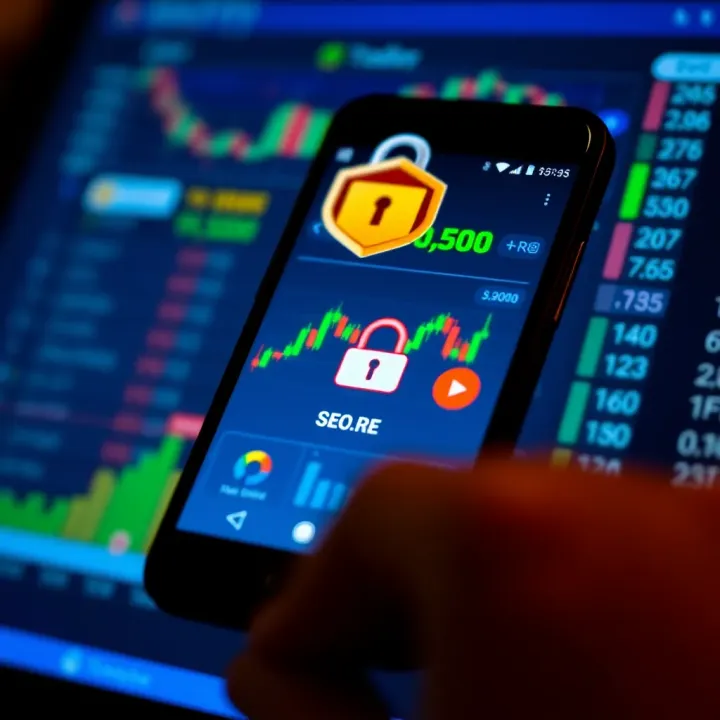
📈 Discover how to pick the most trusted trading app in India by exploring security, features, user experience, and regulations for safer investing. 🇮🇳
Based on 11 reviews