
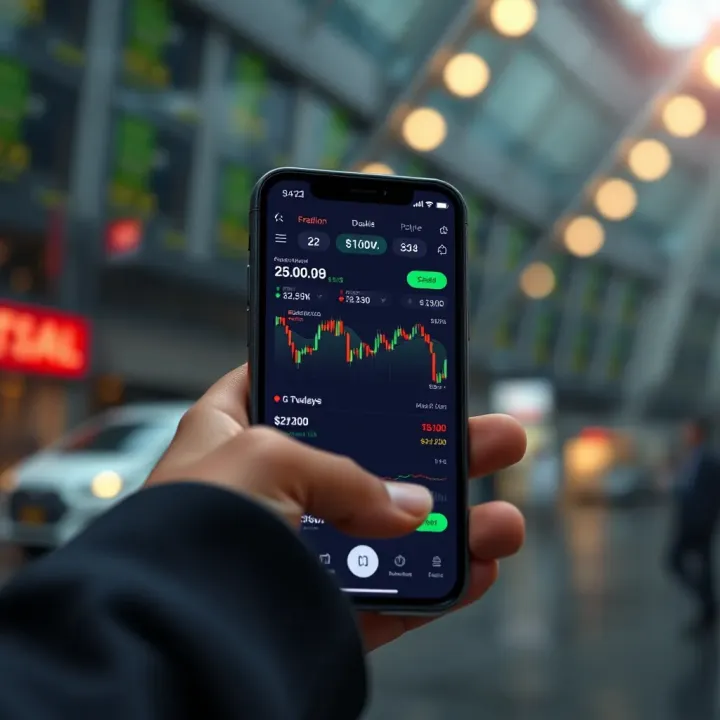
Best Daily Trading Apps in India: A Clear Guide
Find the best daily trading app in India with our guide covering key features, security, usability, charges ₹, and top options for reliable, cost-effective trading 📱💹
Edited By
Oliver Parker
Mobile trading apps have made it much easier for Indians to invest and trade in stocks, commodities, and currencies. Today, you don’t need to be glued to a desktop or visit a broker’s office. Instead, a few taps on your smartphone can execute trades, track markets, and manage your portfolio anywhere.
Choosing the right trading app for mobile devices in India involves more than just downloading the most popular app. You must consider how easy the app is to use, the safety measures it offers, the range of features it supports, costs involved like brokerage and fees, and whether it complies with regulations set by entities like the Securities and Exchange Board of India (SEBI).

With apps like Zerodha Kite, Upstox, and Angel Broking dominating the market, each offers different strengths. For instance, Zerodha Kite is known for a clean interface and solid charting tools, while Upstox offers competitive brokerage rates. Angel Broking provides seamless integration with advisory services alongside trading. Your choice should depend on your trading style and experience—for example, a beginner may prefer an app with easy navigation and educational content, whereas an experienced trader might look for advanced technical analysis tools.
A good trading app is not just about features—it’s about security and trust. Make sure the app supports two-factor authentication (2FA), uses encryption, and is regulated by SEBI.
Here are important factors to weigh before settling on a trading app for your mobile:
Usability: Check the app’s layout and speed. Can you place orders quickly? Is the navigation straightforward?
Security: Look for 2FA, biometric login options, and encrypted transactions.
Features: Besides equity trading, does it support commodity and currency trades? Are there risk management tools like stop-loss?
Costs: Consider brokerage charges, account maintenance fees, and hidden costs.
Regulatory Compliance: Ensure the broker and app are registered and approved by SEBI.
Understanding these points will help you pick a trading app that fits your goals and comfort level. This article goes on to compare popular apps available in India and offers tips on matching app choice with your trading requirements.
Choosing the right mobile trading app requires a focus on certain key features that influence your trading experience and ultimately, your success. With so many options in India’s market, understanding what to look for helps avoid apps that are flashy but lack substance. A good trading app should balance usability, performance, and functionality tailored to your trading style.
A straightforward and intuitive user interface (UI) is crucial, especially if you're new to trading. Apps like Zerodha Kite and Angel One invest in clean designs that are easy to navigate, even on smaller mobile screens. Look for apps where key features such as order placement, order book, and portfolio overview are accessible without too many taps. Smooth user experience (UX) reduces errors and speeds up decision-making, essential when markets move quickly.
You need a trading app that responds promptly and remains stable during peak hours. Indian markets often see heavy trading activity around the opening and closing bells, so an app’s ability to process orders fast without crashing can make a big difference. Apps like Upstox Pro are known for quick execution and uptime. Slow apps or those frequently disconnecting might cause missed opportunities or financial loss.
For active traders and investors alike, having advanced charting options and analytical tools right on your mobile app is a big plus. Features like multiple chart types (candlestick, line, bar), technical indicators (RSI, MACD, Bollinger Bands), and drawing tools help you analyse trends without switching devices. Some apps also offer real-time news feeds and alerts that keep you updated on market-moving events.
A wide variety of tradable instruments—equities, commodities, currencies, derivatives, ETFs—gives you flexibility in your portfolio. Some apps specialise in equities but lack options like commodity futures or currency trading. For example, 5Paisa allows trading across various segments, appealing to those looking for market diversification. Ensure the app supports the products you plan to trade to avoid switching platforms later.
Picking a mobile trading app is not just about low fees or fancy design. The core features—easy navigation, speed, useful tools, and product variety—directly affect your trading efficiency and confidence.
For anyone serious about trading or investing in India, paying attention to these features will save time and headaches. It’s wise to try demo versions or read user reviews to see how apps perform in real situations before making a decision.
Security and regulatory compliance form the backbone of any trustworthy mobile trading app in India. Without these, even the most feature-packed app can expose your investments and personal data to risk. When choosing a trading platform, understanding how it safeguards your information and complies with the country’s financial regulations is vital.
Mobile trading apps must secure your data using strong encryption, which makes information unreadable to unauthorised users. Look for apps that implement 256-bit AES encryption or better, as this is the standard used by banks and major financial platforms. For example, Zerodha Kite employs encryption protocols to safeguard user credentials and transaction data, reducing chances of data breaches. Also, apps following ISO 27001 certification undergo rigorous checks for data security management, which adds an extra layer of confidence.

Robust verification and authentication prevent fraud and unauthorised access. Many apps use multi-factor authentication (MFA), combining passwords with OTPs (One-Time Passwords) sent via SMS or email. Some advanced platforms have biometric options like fingerprint scans or face recognition, which speed up login while heightening security. Consider Upstox Pro, which requires two-step verification, adding a safety net even if your password is compromised. Always choose apps that offer these features and avoid those with weak authentication methods.
The Securities and Exchange Board of India (SEBI) and Reserve Bank of India (RBI) set strict rules for trading platforms to protect investors and ensure market integrity. Licensed apps must follow KYC (Know Your Customer) norms, maintain client funds securely, and provide transparent trade settlements. An app like Angel One Mobile clearly states its SEBI registration number, assuring users of proper regulatory oversight. Additionally, RBI guidelines dictate how payment and fund transfers should happen securely, often via UPI or IMPS, which protects your transactions from fraud. Always verify the app’s compliance as it signifies legal accountability and safeguards your money.
Security and regulatory compliance should never be afterthoughts. They directly impact the safety of your money and personal data while helping build trust in your chosen trading app.
Choosing trading apps with proven security protocols and regulatory approvals will help you trade confidently without worrying about theft or legal breaches. Always check for encryption standards, authentication measures, and clear regulatory licenses when picking your platform.
Understanding the cost structure is fundamental when choosing the best mobile trading app in India. Trading apps vary widely in how they charge brokerage fees, account maintenance fees, and other costs, which directly affect your profitability. Being aware of these charges helps you pick an app that offers clear value without surprise deductions.
Brokerage fees are what brokers charge for executing your buy or sell orders in the stock market. These fees differ based on the broker’s business model—some charge a flat fee per trade, while others take a percentage of the transaction value. For example, Zerodha charges a flat ₹20 per trade irrespective of order size on equity delivery and intraday segments. Meanwhile, full-service brokers like Angel One may charge a percentage, say 0.5% per transaction, especially for delivery trades.
If you trade frequently or in small quantities, a flat fee model helps keep costs predictable. Beginners should look at brokerage charges closely, as high fees can eat into small profits rapidly. On the other hand, traders dealing with larger volumes should calculate the proportionate impact of percentage-based fees.
Beyond brokerage, trading apps often levy Annual Maintenance Charges (AMC) for maintaining your Demat account. For instance, several brokers charge ₹300-₹700 annually for Demat services. Some offer waivers or discounts if you trade regularly or maintain a minimum balance.
Additional fees might include charges for margin funding, call and trade services, SMS alerts, or rematerialisation of shares. These small costs can add up if you are not careful. Always verify whether the app clearly displays these fees upfront, allowing you to factor them into your trading expenses.
Hidden costs can catch traders off guard—examples include GST on brokerage, stamp duty, and SEBI turnover fees. While these are levied by authorities, transparent apps incorporate these details explicitly within their fee breakdowns.
Some apps impose penalties for inactivity, delayed payments, or platform-specific charges like advanced charting tool access or premium research reports. It is wise to read the fine print or FAQs of the app carefully to avoid unexpected expenses.
Always choose a trading app that lays out its cost structure plainly. Transparency in charges not only builds trust but also helps you manage your trades better without unpleasant surprises.
Choosing the right mobile trading app makes a big difference to your experience. Each app offers particular strengths that suit different kinds of traders and investors. Knowing these can help you pick one that matches your trading style, budget, and security needs. Let's look at some popular trading apps in India and what they bring to the table.
Usability and Features: Zerodha Kite is popular for its clean interface and intuitive design. It works smoothly even on modest phones, ensuring active traders don’t face delays or glitches. Features like market watchlists, easy order placement, and drag-and-drop charts make trading straightforward for beginners and pros alike.
Cost-effectiveness: Zerodha is known for low-cost trading. Its flat fee of ₹20 per trade for intraday and F&O suits high-frequency traders who want to keep expenses down. Plus, it doesn’t charge for equity delivery, attracting long-term investors.
Regulatory Status: Zerodha follows all rules set by SEBI and maintains a transparent compliance system. This regulatory adherence reassures users about fund safety and trading legitimacy.
Platform Functionality: Upstox Pro offers advanced trading tools along with excellent speed. Its app supports multiple charts, indicators, and easy fund transfers. This makes it ideal for active traders who rely on technical analysis.
Customer Support: Upstox provides responsive support through phone and chat, which helps traders resolve issues quickly. This is important especially during volatile market hours when delays can cost heavily.
Security Aspects: The app uses two-factor authentication and data encryption to protect user information. Upstox's regular security audits ensure your details and money stay safe.
Product Range: Angel One Mobile offers a wide array of products including equities, commodities, mutual funds, and insurance. This makes it useful for investors looking for all-in-one financial solutions.
User Experience: The interface is user-friendly with customised portfolios, helpful charts, and reports. It suits beginners who want easy navigation and investors who appreciate detailed insights.
Charges and Offers: Angel One combines competitive pricing with occasional discounts. For example, it often waives account maintenance charges during festivals, adding value for cost-conscious users.
Mobile Interface: The 5Paisa app focuses on simplicity and speed. Its straightforward layout reduces clutter, helping users place orders quickly without confusion.
Investment Options: Besides equities and derivatives, 5Paisa offers fixed deposits and mutual fund investments. This variety allows users to plan diversified portfolios within one app.
Pricing: 5Paisa charges ₹20 per trade with a maximum cap, making it affordable for traders who do moderate volume. The transparency in pricing avoids surprise costs.
Picking an app is not just about features but how those features fit your own trading habits and goals. These four apps provide varied strengths, so consider your priorities — be it cost, security, or product range — before committing.
You can try their demo versions or read user reviews to get a real feel before signing up.
Choosing a trading app depends heavily on your personal investing style and priorities. Not every trading platform suits all types of users. Whether you are just starting out, actively trading multiple times a day, or planning for long-term investments, selecting the right app can make all the difference. This section helps you identify key features to match with your goals and trading habits.
For beginners, a simple and intuitive interface is key. New traders benefit from apps that offer step-by-step guides, video tutorials, and easy navigation. Educational resources such as basic market concepts, glossary terms, and sample portfolios can build confidence and reduce mistakes. For example, Zerodha Kite has a minimalistic design paired with its Varsity learning platform, ideal for freshers stepping into equity or commodity trading. Avoid apps loaded with complex charts or jargon initially, as it might overwhelm you.
If you trade frequently and rely on quick decision-making, speed and sophisticated tools are indispensable. Look for apps that provide real-time streaming quotes, customizable charting features, and multiple order types like stop-loss and bracket orders. Fast order execution reduces slippage, crucial during volatile market moves. Upstox Pro, for example, caters to such users with advanced analytics and high-speed order processing. Also consider apps that send timely market alerts or offer integrated news feeds to stay ahead.
Long-term investors need apps with comprehensive research reports, in-depth company analysis, and portfolio tracking capabilities. Ease of monitoring your portfolio’s performance over months or years and generating tax reports are helpful features. Angel One Mobile offers wide-ranging stock recommendations and portfolio management tools suited for investors focusing on wealth creation through equities and mutual funds. In contrast, apps prioritising only intraday tools tend to fall short here.
Selecting a trading app aligned with your trading category helps you avoid unnecessary complexity or missing out on crucial features. Focus on what complements your style—whether simplicity, speed, or detailed research.
By understanding your trading needs and prioritising features accordingly, you can enhance your mobile trading experience and better manage risks and opportunities in India's dynamic financial markets.
Find the best daily trading app in India with our guide covering key features, security, usability, charges ₹, and top options for reliable, cost-effective trading 📱💹
Explore top currency trading apps in India 🏦—compare features, costs, security, and usability to find the best fit for beginners and experienced traders alike 📱.
Explore the best forex trading apps for Indian traders 📱, comparing features, security, user-friendliness, and costs to help you choose the perfect platform.
Discover how to choose the best online trading apps in India 📱 with tips on security, costs, usability, & support. Start trading smartly & avoid common mistakes!
Based on 9 reviews