
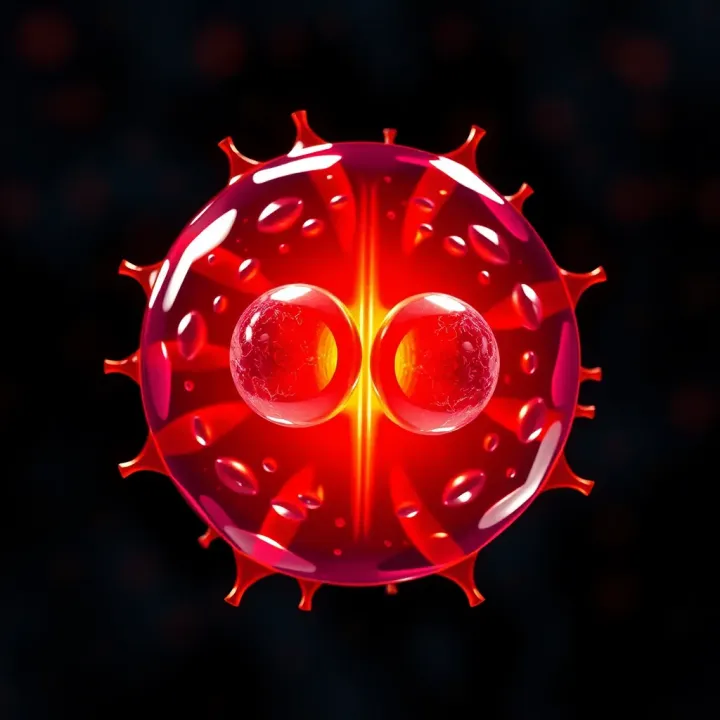
Understanding Binary Fission for Class 10 Students
Learn about binary fission 📚, a simple asexual reproduction method in single-celled organisms. Understand its step-by-step process, biological role, and examples clearly.
Edited By
Charlotte Green
Binary fission is the simplest way single-celled organisms multiply. Unlike animals or plants, which mostly reproduce sexually, many bacteria and protists rely on binary fission to make copies of themselves quickly and efficiently. This process helps them survive harsh conditions and multiply rapidly.
In binary fission, a single organism divides into two identical daughter cells. Each daughter cell inherits a complete set of genetic material, ensuring the species continues without much variation. This kind of asexual reproduction is common among bacteria like Escherichia coli and amoeba, a single-celled protozoan.
Binary fission allows microorganisms to increase their population size in a short time, making it a key process in both natural ecosystems and laboratory settings.
Understanding binary fission involves recognising its main stages:
Replication of DNA: The organism's genetic material doubles to prepare for splitting.
Cell elongation: The cell grows larger, separating the two copies of DNA.
Formation of a septum: A new cell wall starts to form in the middle.
Division into two cells: The parent cell splits into two genetically identical daughter cells.
Each of these steps must happen precisely to ensure daughter cells are healthy and viable. If any stage stalls or fails, the cell may die or produce defective offspring.
Compared to sexual reproduction, binary fission is faster but does not create genetic diversity. That said, bacteria can exchange genes through other methods like conjugation, helping them adapt over time.
This process is crucial not only in biology classes but also in practical fields. For example, understanding binary fission helps in managing bacterial growth during infections and in industries like yoghurt production, where controlled bacterial growth is essential.
In this article, we will explore binary fission in more detail, including examples, differences with other reproduction methods, and why it matters in everyday life.
Understanding binary fission is fundamental for grasping how many single-celled organisms reproduce and multiply. This process is especially relevant in biology classes for Class 10 students since it forms the basis of life cycles in bacteria, protozoa, and some algae. Knowing what binary fission involves helps explain microorganism behaviour in nature and labs, influencing areas like medicine, agriculture, and environmental science.
Binary fission is a type of asexual reproduction where a single organism divides to form two identical daughter cells. Essentially, the parent cell splits into two parts after duplicating its DNA. This simple division allows organisms to reproduce quickly without the need for a mate.
This process is common in unicellular organisms, where all life functions occur within one cell, making reproduction inseparable from cell division. For example, when an Escherichia coli bacterial cell doubles its internal components and DNA, it splits to create two new bacterial cells ready for survival and multiplication.
The simplicity of binary fission makes it a fast and efficient way for single-celled organisms to increase their numbers. Since these organisms do not have complex reproductive systems, binary fission ensures survival and adaptability in different environments.
For unicellular life forms like bacteria, this quick reproduction method helps them colonise new areas, respond to food availability, or escape hostile conditions. In practical terms, understanding binary fission explains bacterial growth patterns, which can impact areas from disease control to fermentation technology.
Bacteria are the most familiar organisms using binary fission. They multiply by replicating their circular DNA and dividing into two identical cells. This method allows populations to grow rapidly—under favourable conditions, some bacteria can double every 20 minutes.
This rapid multiplication supports bacterial dominance in many environments but also poses challenges in medicine. For instance, quick bacterial reproduction can lead to infections spreading swiftly, making knowledge of binary fission essential for tackling antibiotic resistance and hygiene practices.
Besides bacteria, some protozoa (single-celled animals) and algae also reproduce using binary fission. Amoeba, a common protozoan, splits its nucleus and cytoplasm to form two daughter amoebae.
Certain single-celled green algae follow a similar process. This adaptation offers these organisms a straightforward way to survive fluctuating environmental changes, such as nutrient availability or temperature shifts.
Unlike multicellular organisms that often use more complex reproductive strategies involving specialised cells (like gametes in humans), binary fission is a straightforward division of one cell into two. It lacks the genetic mixing seen in sexual reproduction and focuses on producing clones.
While multicellular organisms grow and develop through processes like mitosis and meiosis, unicellular organisms rely on binary fission because it suits their structure and lifestyle. This contrast highlights how life has tailored reproduction to fit various forms, from simple bacteria to complex plants and animals.
Binary fission serves as a vital mechanism in simple organisms, enabling quick survival and adaptation, whereas multicellular reproduction embraces complexity for genetic diversity and specialised development.
Understanding the phases of binary fission helps reveal how simple organisms multiply so efficiently. Each phase plays a specific role that ensures the cell divides correctly, passing on genetic material precisely. When learning about binary fission, grasping these stages deepens your insight into why unicellular life forms reproduce rapidly and sustain ecosystems.
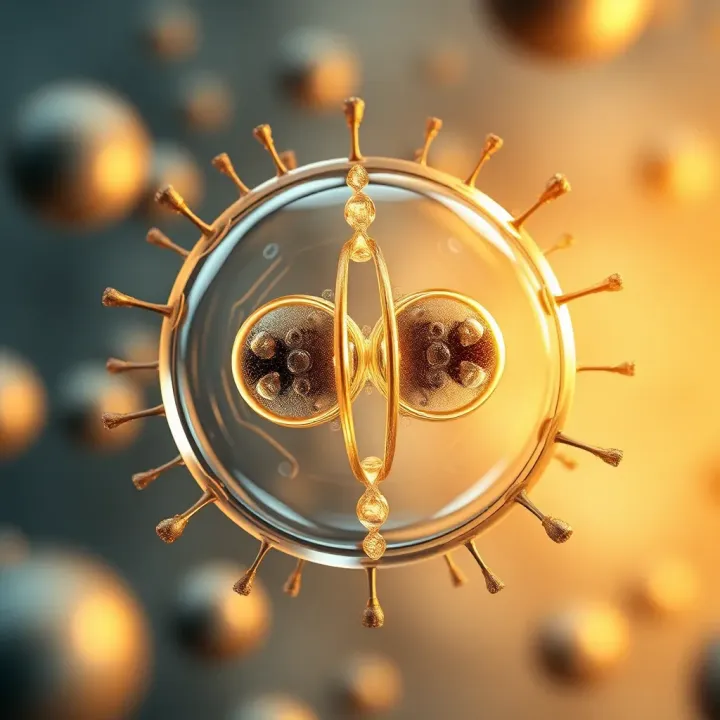
The first step involves copying the organism's DNA. Since binary fission happens mostly in single-celled life like bacteria, the process begins with the cell duplicating its genetic material so each new cell gets a full set. Imagine Escherichia coli in your gut – before dividing, it ensures its DNA is perfectly copied. This replication makes sure that daughter cells can function just as well as the parent.
After DNA replication, the cell grows longer to prepare for splitting. This elongation gives space to separate the copied DNA strands. Picture a balloon stretching patiently before finally dividing into two smaller balloons. This phase is key because without proper growth, DNA segregation might get compromised, leading to faulty daughter cells.
Next, the two DNA copies move apart to opposite ends of the cell. This segregation ensures each daughter cell inherits one complete DNA molecule. In some bacteria, specialised proteins act like anchors, pulling the DNA apart efficiently. This movement is vital—if the DNA doesn’t segregate properly, daughter cells could end up missing crucial genetic information.
Finally, the cell membrane pinches inwards at the middle, creating two separate cells. This cytokinesis completes the division, resulting in two identical daughter cells ready for independent life. For instance, in Amoeba, this pinch is visible under a microscope as the cell body separates. The simplicity and speed of cytokinesis contribute to the rapid population growth of microorganisms.
Seeing binary fission through diagrams or animations can clarify each phase’s sequence and role. A simple labelled diagram showing replication, elongation, segregation, and division helps students connect theory with what happens inside the cell. Visual aids enable easier recall and comprehension, especially when preparing for exams.
Every phase matters on its own, but together they ensure flawless cell division. DNA replication guarantees genetic continuity, elongation sets physical space, segregation secures equal DNA distribution, and cytokinesis creates two new cells. Skipping or errors in any phase can lead to non-viable cells. Understanding this chain of events highlights how nature balances simplicity and precision.
Recognising the detailed steps within binary fission equips students to appreciate biological reproduction beyond just definitions—it highlights the neat engineering within even the tiniest life forms.
Binary fission plays a significant role in the growth and survival of unicellular organisms, making it a fundamental biological process. This method allows organisms like bacteria and protozoa to reproduce quickly, ensuring their populations can expand without much delay.
Binary fission enables microorganisms to multiply rapidly. For instance, Escherichia coli, a common bacterium in the human gut, can divide every 20 minutes under optimal conditions. This speed means a single bacterial cell can create millions of offspring within hours. Such rapid multiplication helps bacteria maintain their presence in various environments, from soil to the human digestive system.
This fast growth also has practical implications in health and industry. In medicine, quickly multiplying bacteria can cause infections to spread rapidly, which is why understanding binary fission helps in devising antibiotic treatments. In biotechnology, controlled bacterial growth through binary fission supports the production of medicines like insulin.
Binary fission also allows microorganisms to colonise new environments effectively. When bacteria enter an uninhabited area with enough nutrients, they can quickly increase in numbers, establishing a stable community. For example, in water bodies after a heavy rain, certain algae reproduce through binary fission to form blooms, adapting swiftly to the changing conditions.
Such colonisation is crucial in ecosystems, as these microorganisms often pave the way for more complex life forms by altering the environment. In soil, bacteria breaking down organic matter via binary fission contribute to nutrient cycling, which benefits plants and larger animals.
One key advantage of binary fission is its simplicity and speed. Unlike sexual reproduction, which involves multiple steps and sometimes partners, binary fission requires only one organism and takes place in just a few stages. This quick process ensures that organisms can respond effectively to favourable conditions and increase their numbers before conditions change.
Additionally, binary fission demands less energy compared to sexual reproduction. Since it doesn’t require finding a mate or producing specialized reproductive cells, the organism uses its resources more efficiently. For instance, a bacterium uses most of its energy in growth and division rather than energy-intensive processes like gamete formation, making it a survival-friendly way of reproduction.
Because of these features, binary fission proves to be a reliable and efficient reproductive method, especially in unpredictable environments where speed and energy conservation matter.
In summary, binary fission supports microbial life through rapid growth and effective colonisation, while offering survival advantages by keeping reproduction simple and energy-efficient. This understanding is essential for students studying life sciences, as it connects fundamental biology with real-world applications.
Understanding how binary fission compares with other types of cell division helps clarify the unique role it plays in single-celled organisms. It also shows why different organisms choose different methods for growth and reproduction, depending on their complexity and environment. This comparison is crucial for students to connect concepts across biology topics.
Binary fission and mitosis both produce new cells, but their mechanisms and contexts vary significantly. Both processes involve duplication of DNA and division, resulting in genetically identical cells. However, binary fission is simpler and quicker, mainly found in prokaryotic unicellular organisms like bacteria. Mitosis, on the other hand, is more complex and happens in eukaryotic cells, including plants, animals, and fungi.
In mitosis, the DNA is packaged into chromosomes contained within a nucleus, which divides precisely to ensure equal genetic material distribution. Binary fission lacks a nucleus and instead copies the circular DNA molecule before the cell splits. This difference makes binary fission an efficient method for fast reproduction but less suitable for multicellular organisms where specialised tissue growth and repair require mitosis.
Mitosis allows multicellular organisms to replace damaged cells, grow tissues, and support reproduction in an organised way. Humans, for example, rely on mitosis for skin cell regeneration and healing wounds. Cells in our body undergo mitosis continuously to maintain healthy tissues. Meanwhile, bacteria multiply rapidly through binary fission, sometimes doubling their population in less than 20 minutes under ideal conditions.
Budding is another asexual reproduction form but differs noticeably from binary fission. In budding, a new individual develops as a small outgrowth or bud from the parent organism. This bud grows until it matures and then detaches. This process occurs in organisms like yeast and hydra. Unlike binary fission where the parent cell divides symmetrically, budding produces a smaller offspring initially, which grows independently.
Fragmentation is a method mostly seen in some multicellular organisms like spirogyra algae, certain worms, and starfish. Here, the organism breaks into two or more parts, and each fragment develops into a complete individual. This method allows regeneration and reproduction simultaneously. Fragmentation requires the organism to have regenerative capabilities, which single-celled organisms do not possess.
In summary, binary fission is a rapid, direct cell splitting suited for unicellular life, while budding and fragmentation offer different reproductive advantages for multicellular or colonial organisms. Recognising these differences helps students understand how life forms have adapted reproduction strategies for survival and growth across diverse environments.
Binary fission, mitosis, budding, and fragmentation represent varied strategies of cell division and reproduction tailored to organism complexity, highlighting biology’s diversity.
Understanding real-world examples and applications helps grasp the practical side of binary fission. This method of reproduction isn't just textbook biology; it shapes how microorganisms grow in nature and labs, affecting health, industry, and science directly. Knowing common organisms that reproduce by binary fission clarifies its importance, while recognising its role in biotechnology and medicine highlights its broad impact.
Escherichia coli (E. coli) is a well-known bacterium that reproduces through binary fission. This process lets E. coli double its population rapidly—sometimes in as little as 20 minutes under ideal conditions. This quick reproduction is why bacterial infections can spread fast if not controlled. Understanding E. coli's binary fission is crucial in fields like microbiology and public health, where controlling bacterial growth helps prevent diseases.
Besides E. coli, many bacteria such as Salmonella and Bacillus also reproduce by binary fission. This uniform method simplifies studying bacterial behaviour and antibiotic effects, as scientists expect a consistent growth pattern during experiments.
Amoeba is a typical single-celled protozoan that also undergoes binary fission. Unlike bacteria, Amoeba is larger and has a different internal structure, but it still splits evenly into two daughter cells. This reproduction enables Amoeba to rapidly occupy freshwater environments. For students, Amoeba provides an easy example to observe binary fission under a microscope, linking theory with real observation.
Other protozoans like Paramecium use binary fission too. These organisms play important roles in aquatic ecosystems, recycling nutrients and serving as food for larger animals. Their ability to multiply fast affects the balance of these habitats.
In biotechnology research, binary fission is the foundation of bacterial culturing. Scientists grow bacteria like E. coli in petri dishes or fermenters to produce useful products such as insulin, enzymes, and antibiotics. Because binary fission leads to exponential growth, researchers can obtain large bacterial populations quickly, making industrial processes cost-effective.
Laboratory control of bacterial binary fission also helps test new medicines. By observing how bacteria respond to antibiotics during growth, scientists can develop better treatment strategies and avoid resistance build-up.
The speed of binary fission directly affects how infections develop and how medicines work. Fast-growing bacteria can become resistant to antibiotics quickly, making some treatments less effective. Understanding this reproduction helps healthcare providers use antibiotics wisely, preventing misuse that leads to resistant strains.
Moreover, knowledge of binary fission allows development of antibacterial drugs that target specific stages in bacterial cell division. This reduces harm to human cells and improves treatment success. Hence, grasping this biological process aids in controlling infectious diseases better, protecting public health.
Binary fission is more than just cell division; it’s a key factor in microbial growth, biotechnology innovations, and medical advances that shape everyday life.
This section helps students grasp the essentials of binary fission quickly, which is vital for revising before exams or strengthening their understanding. Summaries break down key ideas into easy-to-remember points, making it easier to recall during tests or practical applications. Clear summaries also help students see the big picture — how the process fits into biology and everyday life.
Definition and process: Binary fission is a simple method of asexual reproduction used by single-celled organisms like bacteria and amoeba. The cell duplicates its genetic material and splits into two identical daughter cells. This process involves replication of DNA, elongation of the cell, segregation of DNA copies, and finally, the division of the cytoplasm called cytokinesis.
Understanding this process helps students connect textbook concepts with real-world examples, such as how bacteria multiply rapidly in food or water. It serves as a foundation for learning about cell division and growth in all living beings.
Examples and significance: Common organisms like Escherichia coli and amoeba reproduce through binary fission. Recognising these examples enables students to relate to real-life organisms and their growth patterns. The significance lies in the rapid multiplication using minimal resources, which explains why bacteria can cause infections quickly.
This knowledge also ties into practical applications like the importance of hygiene to prevent bacterial spread or how bacteria's growth in labs can be harnessed for medicines and biotechnology.
Typical question formats: Exams often ask to define binary fission, outline its stages, or compare it with other types of reproduction like budding or mitosis. Some questions require examples of organisms reproducing through binary fission, while others may focus on its biological importance.
Knowing these formats helps students prepare targeted answers rather than guessing what might come, improving their exam confidence.
Tips for answers: When answering, be concise and accurate. Use clear terms like "DNA replication," "cytokinesis," and name examples such as E. coli and amoeba. Diagram sketches can boost marks for stages. Also, explain why binary fission is efficient — it’s straightforward, fast, and requires less energy than sexual reproduction.
Avoid vague descriptions; instead, follow a stepwise sequence when describing the process. Practising typical exam questions beforehand can improve clarity and time management during the exam.
Remember, understanding key points and practising typical questions can make binary fission an easy topic rather than a tough one for Class 10 Science.
Learn about binary fission 📚, a simple asexual reproduction method in single-celled organisms. Understand its step-by-step process, biological role, and examples clearly.
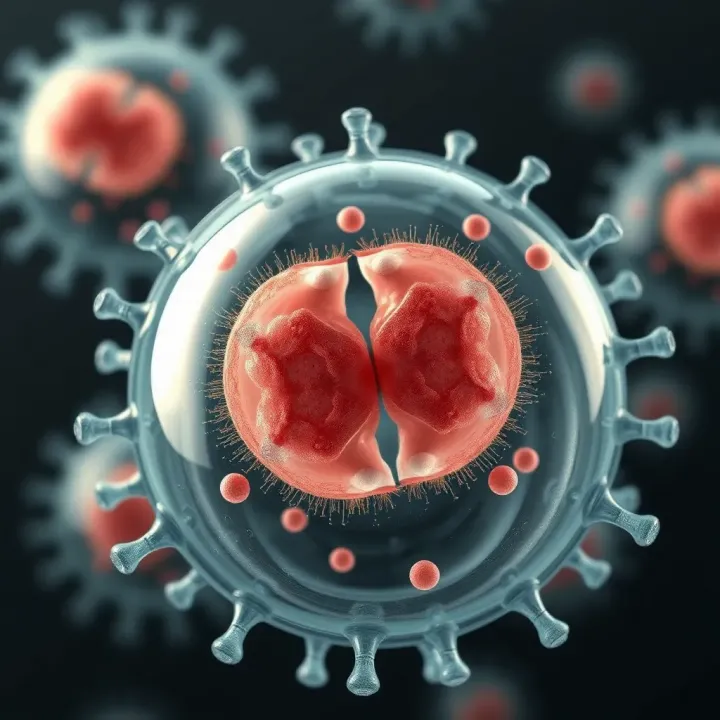
Discover how binary fission helps bacteria reproduce rapidly by splitting into two identical offspring. Learn key stages and its role in microbial growth 🦠🔬
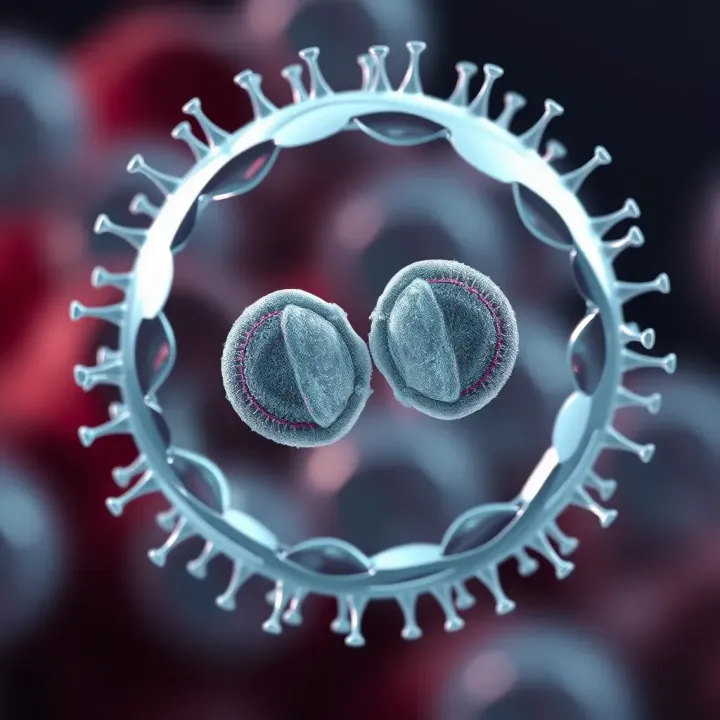
Discover how binary fission helps bacteria reproduce and adapt by dividing step-by-step. Learn about key factors influencing this vital process for bacterial growth 🦠

Learn how numbers one to ten are shown in binary 👍, explore decimal-to-binary conversions, and see why these codes matter in computing 💻 with practical examples 📚.
Based on 11 reviews