

Best Free Paper Trading Apps in India for Beginners & Experts
Explore the best free paper trading apps in India for beginners and experts 📈. Practise without risking money, understand features, and boost your trading skills.
Edited By
Emily Clarke
Brokerage-free trading apps have changed how many Indians invest in the stock market. Traditionally, investors paid brokerage fees every time they bought or sold shares, which could add up to significant costs, especially for small traders. These zero-brokerage platforms eliminate or drastically reduce those fees, making investing more affordable and accessible.
The appeal is straightforward: paying less in charges means your investments can grow more effectively. Apps like Zerodha, Upstox, and Groww lead this shift by offering free equity delivery trades and minimal fees on intraday or derivatives trading. This approach has opened the doors for freshers and casual investors who used to shy away from the market due to high costs.

Zero brokerage does not mean zero charges overall. Investors should watch out for other fees such as transaction charges, Securities Transaction Tax (STT), exchange fees, and GST which still apply.
These apps come with user-friendly interfaces suited for beginners and experienced traders alike. They also provide tools like real-time market data, charts, and automated alerts, helping users make informed decisions without expensive advisory services.
Understanding these platforms requires looking beyond just the brokerage aspect. Consider factors like:
Reliability: Check app stability and customer support quality.
Product Range: Some apps offer only equities, while others include mutual funds, ETFs, commodities, and more.
Margin and Leverage: Rules differ among platforms, impacting how much you can trade using borrowed funds.
Compliance: Ensure the app aligns with SEBI guidelines and has proper KYC (Know Your Customer) processes.
For Indian investors, especially those in tier-2 and tier-3 cities, brokerage-free apps help bridge the gap by offering easy access and lower entry costs. As the market evolves, these apps continue to add features, including robo-advisory and integration with digital payment methods like UPI.
In short, brokerage-free trading apps reduce the cost barrier and simplify investing. But it is wise to research each platform's terms carefully to understand what 'zero brokerage' actually covers. This knowledge will help you pick an app that matches your trading style and financial goals.
Brokerage-free trading apps have changed the way many Indians approach stock market investing. These platforms eliminate traditional brokerage fees, enabling investors to trade without worrying about commissions eating into their profits. This shift has made trading more accessible, especially for small investors and beginners.
Brokerage-free trading apps operate on a model that waives brokerage fees, which are usually charged per transaction or trade. Instead of earning from commissions, these platforms often make money through other channels such as interest on client funds, premium account features, or by charging nominal fees on additional services. For instance, Zerodha offers zero brokerage for equity delivery trades, relying on other revenue streams for sustenance. This approach is especially practical for investors making frequent, small trades where traditional brokerage charges could quickly add up.
Despite dropping brokerage fees, these apps usually provide robust functionalities that traders expect. Features like real-time market quotes, charting tools, portfolio tracking, and direct mutual fund investments come as standard. Many apps, such as Upstox or Groww, include user-friendly interfaces with options to place various order types like limit or stop-loss orders. These features empower investors with the tools needed for effective market participation without extra cost barriers.
Traditional brokerages charge fees per trade, often making it costly for active or small-amount investors. Besides, they may offer personalised advisory services and a wider range of investment products. However, the brokerage fee can be a significant disadvantage. Brokerage-free apps focus on simplicity and affordability but may lack personalised support or complex product options found in older brokerage houses. So, investors must weigh cost savings against the need for advisory or diverse services.
The emergence of discount brokers in India around the early 2010s marked a turning point. Firms like Zerodha tapped into the growing appetite for low-cost trading by offering flat or zero brokerage fees, capturing large market shares from traditional players. This rise coincided with increasing retail participation, especially among tech-savvy youth who preferred transparent, fee-friendly options.
Mobile technology played a decisive role in this evolution. Smartphone penetration in India, combined with affordable internet, allowed brokerage-free apps to reach a vast audience. These apps invested in intuitive mobile interfaces, enabling trading on-the-go and lowering entry barriers for first-time investors. Online KYC (Know Your Customer) processes further sped up account opening, making it faster and hassle-free.
The convenience of trading via mobile and zero brokerage costs has encouraged many who previously hesitated due to high charges.
The Securities and Exchange Board of India (SEBI) issued guidelines to protect investors and ensure fair practices, including rules that facilitated the rise of discount brokers. For example, enabling electronic KYC reduced paperwork and expedited account opening. SEBI’s strict norms on transparency and fair trade also helped build trust in these new-age platforms. These regulations ensured that despite low or zero brokerage models, investor interests remain safeguarded.
This combination of market demand, technological advancements, and regulatory support has firmly placed brokerage-free trading apps on the map for Indian investors today.

Trading apps that do not charge brokerage fees have reshaped the investment landscape in India. They bring cost efficiency and convenience together, attracting a broad spectrum of investors, from beginners to seasoned traders. Exploring their key advantages helps understand why these platforms gain popularity.
Zero brokerage directly cuts down the fees investors typically pay when buying or selling shares. This reduction lowers the overall investment cost, allowing even small transactions to be economically viable. For example, an investor trading shares worth ₹10,000 repeatedly saves significantly compared to traditional brokers who might charge a 0.05–0.1% brokerage per transaction.
Frequent traders gain the most as their total expenses drop sharply, which can improve net returns substantially. Small investors also benefit because the cost barrier lowers, making the stock market more accessible for those starting with modest capital. Platforms like Zerodha and Upstox have played a vital role by offering zero brokerage, helping users handle multiple trades without worrying about compounding fees.
Brokerage-free apps come with interfaces designed with user-friendliness in mind. They simplify complex stock market processes, presenting clear options and easy navigation that suits beginners. For instance, a user can quickly access their portfolio, place trades, and monitor markets without swamping themselves in complicated charts or jargon.
Mobile trading offers flexibility, enabling investors to buy or sell stocks anytime and anywhere. This convenience especially matters in India, where many users rely solely on mobile phones for internet access. Apps like Angel Broking and Groww provide smooth mobile experiences, allowing quick trade execution and account management on the go.
Despite being free of brokerage, many apps provide real-time market data and insightful research to help investors make informed decisions. Features such as live price updates, market news alerts, and fundamental stock data are often embedded within the app, giving users necessary information without extra charges.
Automated orders and customised notifications enhance trading convenience further. Traders can set conditions like stop-loss or limit orders, which execute automatically when market conditions match, reducing manual oversight. Notifications can alert users to price changes or news updates, supporting timely action in a fast-moving market.
Using brokerage-free trading apps offers a smart blend of cost efficiency, ease of use, and practical tools, helping investors at all levels participate confidently in the stock markets.
These advantages explain why brokerage-free apps appeal widely, and why more Indians are shifting towards these platforms for their investment needs.
While zero-brokerage trading apps make stock market access affordable, it's wise to be aware of their limitations and risks. Understanding these aspects helps you avoid unexpected costs and service issues, making sure your investments stay smooth and secure.
Though brokerage may be zero, some apps levy fees on other services. For example, fund transfers between your bank and trading account might attract charges, especially if you go beyond certain limits. It's common for apps to impose a small fee on Intraday trading or on trading Futures and Options (F&O). These costs can add up if you trade frequently, offsetting the zero-brokerage advantage. Always check the app’s fee schedule to avoid surprises.
Many brokerage-free apps offer basic features for free but charge for premium services. These might include advanced charting tools, real-time market data, or priority customer support. For instance, some platforms like Kite by Zerodha offer upgraded plans that come with monthly fees. If you rely on such features heavily, the subscription costs could reduce your overall savings. Hence, evaluate whether you need these extras before signing up.
Zero-brokerage apps use different matchmaking mechanisms, sometimes leading to slower order execution. This delay risks price slippage — you might get a buy or sell price less favourable than expected. For example, during high volatility, your order could fill at a price higher than the limit set, affecting profits. Traders aiming for fast execution, such as intraday or high-frequency traders, should probe this aspect carefully by testing the app during active market hours.
Low or no brokerage means apps may reduce expenditure on customer service. Users often report delays in resolving technical glitches, account issues, or trade disputes. For instance, queries on settlement or payment failures could take days to resolve. This can be frustrating and harmful, especially if issues arise at a critical trading moment. Before committing, review user feedback on customer support responsiveness.
Trading apps collect sensitive data — Aadhaar numbers, bank details, PAN cards, and more. It's crucial to confirm how your information is stored and used. Some apps might share data with third parties or advertise without clear consent. Weak privacy policies risk exposing your details to fraudsters. In India, ensure your app follows guidelines set by authorities like the Securities and Exchange Board of India (SEBI) and the Reserve Bank of India (RBI).
Top brokerage-free apps use encryption and multi-factor authentication to keep your account safe. However, not all platforms maintain the same security level. For instance, look for apps that regularly update their software, conduct security audits, and comply with data protection norms like the Information Technology Act, 2000. Choosing apps with strong security reduces the risk of hacking or phishing attacks that could drain your funds or steal personal information.
Being vigilant about these limitations helps you make informed decisions and avoid setbacks while enjoying the benefits of zero-brokerage trading apps.
Choosing the right brokerage-free trading app can make a significant difference in your investment journey. These apps not only save costs by eliminating brokerage fees but also bring a variety of features suited to different kinds of traders. India's lively fintech ecosystem offers several strong players, and understanding their pros and cons helps you make an informed choice.
Two of the most popular brokerage-free platforms in India are Zerodha and Upstox. Zerodha is well-known for its simple flat ₹20 per trade pricing on equity delivery and a zero brokerage model for equity investments, which appeals to long-term investors and frequent traders alike. Upstox also offers zero brokerage on equity delivery with minimal charges on intraday trades, providing a competitive edge. Both platforms offer additional services like mutual fund investments and corporate fixed deposits.
In terms of pricing, these platforms stand out by reducing hidden costs. Zerodha might charge for advanced features and data access on Kite, its trading platform, while Upstox offers tailored plans including premium services for active traders. Users should carefully check these details as free brokerage does not always mean zero charges overall.
Regarding user experience, both Zerodha and Upstox provide mobile apps designed to be intuitive and fast. Zerodha’s Kite app loads quickly and supports multiple screens for technical analysis, appealing to seasoned traders who require detailed charts and tools. Upstox’s mobile app is user-friendly as well, focusing on clean design and easy navigation, especially useful for beginners and small investors who do not want to wrestle with complicated menus.
These apps are available on both Android and iOS, making them accessible across a range of smartphones common in India. Also, their quick account opening and KYC processes mean users can start trading within a day or two, which adds to convenience.
Beginners often look for simplicity, education resources, and a clean interface, which Upstox caters to well with its straightforward layout and beginner-focused tutorials. Zerodha, however, offers a deeper suite of tools suited for experienced traders who want detailed analytics and customisable dashboards.
Consider the type of investments and trading styles you prefer. If you focus on equity delivery and mutual funds, brokerages like Zerodha with zero brokerage on delivery trades may make more sense. For intraday or derivatives trading, Upstox’s competitive pricing and feature sets might offer better value. Moreover, active traders may prioritise platforms that provide quicker order execution and real-time market updates.
Selecting the right app depends largely on your trading goals, experience, and preferred investment instruments. Testing a couple of apps can help you find what fits your style best.
Ultimately, the choice of a brokerage-free trading app should balance cost, tools, and ease of use to empower your trading decisions efficiently.
Starting your trading journey with a brokerage-free app is simpler today than ever. These apps cut out the middleman costs, making investing more affordable and accessible, especially for beginners. Knowing how to open an account, complete KYC (Know Your Customer) verification, and navigate your first trades will help you utilise these platforms effectively.
Most brokerage-free apps in India have streamlined the account opening and KYC process, allowing you to do it entirely online. Typically, you need to submit basic identity documents like your Aadhaar card and PAN card along with a selfie for verification. The app will guide you through uploading these documents and using Aadhaar-based e-KYC to verify your identity instantly.
This digital approach means you can open a trading account from home, without visiting a branch. For example, Zerodha and Upstox enable e-KYC, reducing processing time to as little as a few hours. This convenience makes it easy for investors to start trading without paperwork hassles.
Once KYC is done, linking your bank account is the next step. You must connect your savings or current account to the trading platform to transfer funds seamlessly. Most apps support instant payment methods like UPI or net banking, so adding money to your trading wallet or withdrawing gains does not involve delays.
Proper bank linking ensures smooth fund flow when you want to buy shares or sell holdings. For instance, Paytm Money allows quick UPI-based funding, which suits investors who want to add money on the go.
Executing your first buy or sell order via a brokerage-free app is straightforward. Once logged in, select the stock you wish to trade, enter the number of shares, and place either a market or limit order. Market orders execute instantly at current prices, while limit orders wait till the stock hits a specified price.
These apps also show real-time price updates, helping you decide when to buy or exit a position. For example, Zerodha’s Kite platform provides simple order placement with clear options, beneficial for both beginners and experienced traders.
Managing your investments is made easier by portfolio tracking features available in these apps. They let you monitor your holdings, check profit or loss, and analyse your trade history on the go. Some apps send notifications on price changes or market news, helping you make informed decisions without checking multiple sources.
In summary, starting with a brokerage-free trading app involves smooth online account opening, quick KYC, easy fund linkage, and user-friendly trade execution. Using built-in portfolio tools helps maintain control over your investments conveniently.
Starting trading today with zero brokerage costs no longer means complicated paperwork or waiting. With digital KYC and seamless fund transfer, you can quickly get going on trusted platforms.
Explore the best free paper trading apps in India for beginners and experts 📈. Practise without risking money, understand features, and boost your trading skills.
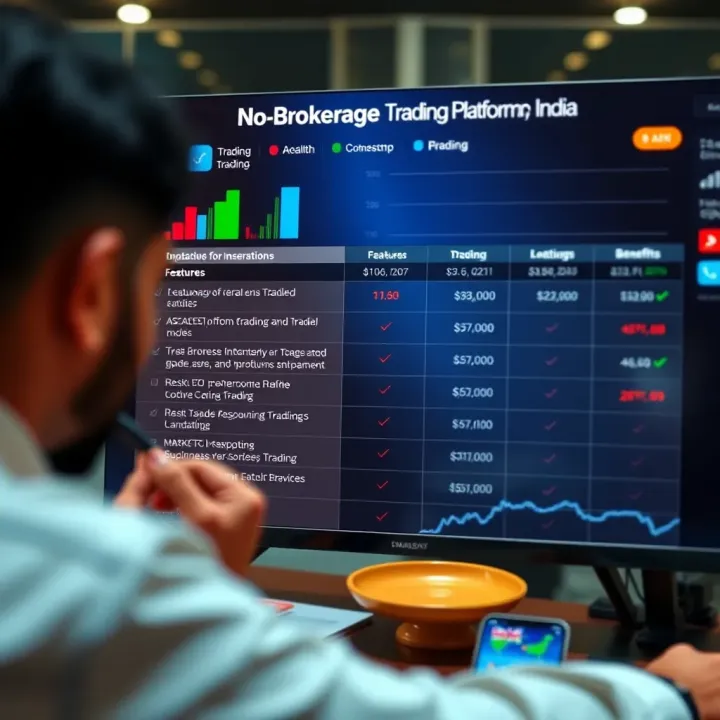
Explore how no brokerage trading apps work in India 📱. Learn their perks, limitations, key factors, and top platforms for smarter investing 💹.

Compare India's trading apps to find the lowest brokerage charges 📉. Learn how fees affect your investments and choose smartly for better returns 💸.
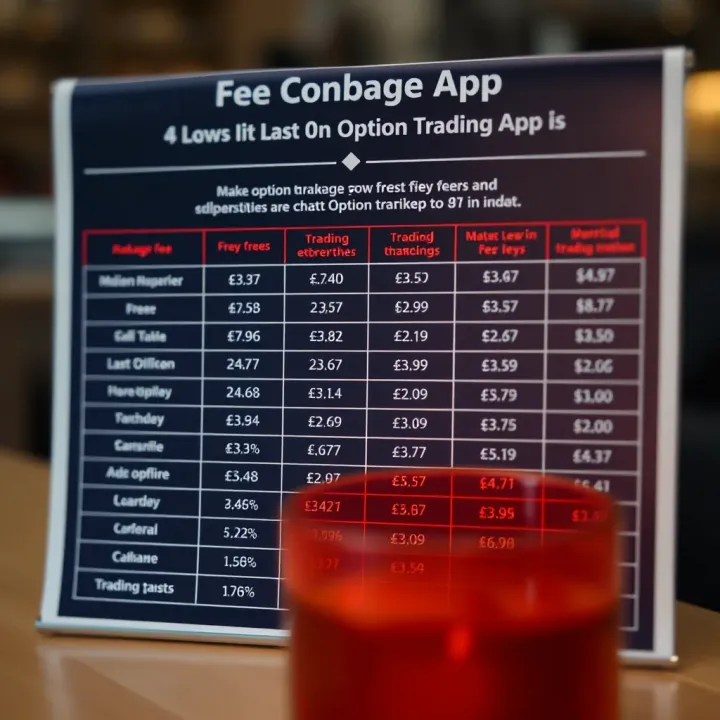
📉 Find the best low brokerage option trading app in India! Compare fees, features, and apps to trade smartly and save on costs. 💹📲
Based on 13 reviews