

Free Paper Trading Platforms for Indian Investors
📈 Discover top free paper trading platforms for Indian investors! Practice trading stocks risk-free, build skills, manage risk, and gain confidence before live markets.
Edited By
Edward Collins
Paper trading apps let you practise buying and selling stocks without using real money. This helps beginners learn the ropes and seasoned traders test new strategies without risking their capital. In India, where market volatility can be high, these apps provide a risk-free environment to build confidence and improve decision-making.
Unlike live trading, paper trading replicates real market conditions using virtual funds. You place orders, track performance, and analyse outcomes just like in real markets, except there’s no actual financial loss. This makes it an ideal way to experiment, understand trading tools, and fine-tune your approach.

Some key reasons to consider paper trading apps:
Safe learning space: Avoid losses while mastering concepts like limit orders, stop-loss, and portfolio diversification.
Test strategies: Try different investment ideas, technical indicators, or day trading tactics to see what works.
Familiarise with platforms: Many apps mirror features of popular Indian brokerage accounts, easing transition to live trading.
For example, if you plan to buy shares in Tata Motors or Reliance Industries, paper trading lets you simulate these trades first, understanding price movements and order executions. This helps especially if you’re new to the stock market or shifting from mutual funds to direct stocks.
Using a paper trading app removes the emotional pressure that often leads to poor choices with real money. It lets you make mistakes and learn without panicking.
When choosing a paper trading app, look for:
User-friendly interface that matches your skill level
Real-time data and realistic simulations
Access to Indian stock markets like NSE and BSE
No charges for practising trades
In the sections ahead, we’ll explore the best free paper trading apps available in India, their features, and tips to pick the right one. Whether you’re a student trying to grasp market basics or a trader honing skills, these tools can be a valuable part of your learning journey.
Paper trading creates a simulated stock market environment where users can practice trading without risking real money. This virtual setup mirrors actual market conditions including price movements, order types, and timing, allowing traders to experience the rhythm of the markets firsthand. For example, if you place a mock buy order for Reliance Industries shares, the app will execute it just like the real exchange would, reflecting how your order affects your portfolio and cash balance.
At the heart of paper trading are virtual funds – play money allocated to your account that you use to buy and sell stocks, derivatives, or commodities. These transactions mimic real trading but involve no real financial consequence. You can experiment freely, trying different trades and watching outcomes unfold without the stress of losing real capital.
The role of paper trading extends beyond simple practice; it acts as a training ground for learning market mechanics and testing trading strategies. Whether you want to try day trading or long-term investing, paper trading apps let you experiment with timing, position sizing, and asset selection. This practical experience helps you understand market nuances and teaches risk management techniques before putting your actual money at stake.
The platform replicates live exchanges through real-time or slightly delayed market data. It feeds you with authentic-looking charts, order book depth, and trade confirmations. This accuracy is important as it prepares you for the speed and complexities of real trading, where market conditions can shift in seconds.
You start with a set amount of virtual money, say ₹10 lakh, to execute trades. All gains or losses reflect only on this imaginary balance. This setup ensures 100% risk-free trading, so you can afford to make mistakes and learn from them.
By simulating different strategies – like swing trading or options buying – paper trading lets you observe outcomes without bearing losses. It also highlights the impact of emotions like fear and greed, helping you develop a rational, disciplined mindset necessary for actual investing.
Paper trading removes the fear of losing money, which often paralyse beginners. For example, you might try investing in the volatile stock of a startup without worrying about losing ₹50,000. This liberates you to focus fully on learning market behaviour and order execution.
Suppose you want to test a strategy where you buy stocks a day before quarterly results and sell after a 5% gain. Paper trading lets you verify if this method works over several quarters. It helps fine-tune entry and exit points without financial risk.
Repeated practise builds confidence in dealing with market volatility and order timings. Beginners often hesitate to start investing due to anxiety about losses. Using paper trading apps regularly can ease this fear, making the transition to real trading much smoother.
Paper trading is essentially a flight simulator for stock trading. It provides a safe space to make mistakes, learn rapidly, and gain confidence before you take off in the real market.
When choosing a paper trading app, certain features can make your practice more effective and closer to real market conditions. These features determine how quickly you pick up trading skills and how well you adapt your strategies before risking real money.
Simple navigation is vital because beginners and even experienced traders want to focus on trading, not hunting for buttons. A clean layout with easily accessible menus helps you place orders, check your portfolio, and analyse charts without confusion. For example, an app with intuitive tabs and clear icons saves time and reduces mistakes caused by wrong clicks.
Real-time market data simulation is another key feature. It ensures the stock prices and market movements you see reflect actual market conditions at that moment. This live simulation helps you experience market volatility and liquidity, just like in real trading. An app lagging in data updates can mislead you into making unrealistic decisions.
A good paper trading app should offer a variety of market instruments such as stocks, derivatives, and commodities. This variety means you can practice trading products that match your real investment interests, whether it’s equity shares, futures and options, or commodities like gold and crude oil. For instance, apps offering NSE derivatives allow traders to practise complex strategies that only exist in derivatives markets.
Indian market focus and NSE/BSE support plays an important role because many traders want to simulate trades on Indian exchanges. Apps seamlessly integrating with the National Stock Exchange (NSE) and Bombay Stock Exchange (BSE) data help you get familiar with local market nuances, trading hours, and volumes. Practising with Indian market conditions prepares you better for issues like circuit breakers or sector-specific movements.
The inclusion of charts and technical indicators is essential for traders using technical analysis. Features like candlestick charts, moving averages, RSI (Relative Strength Index), and MACD (Moving Average Convergence Divergence) let you test and refine strategies. For example, practising with Bollinger Bands can show you how price volatility affects trade decisions in real time.
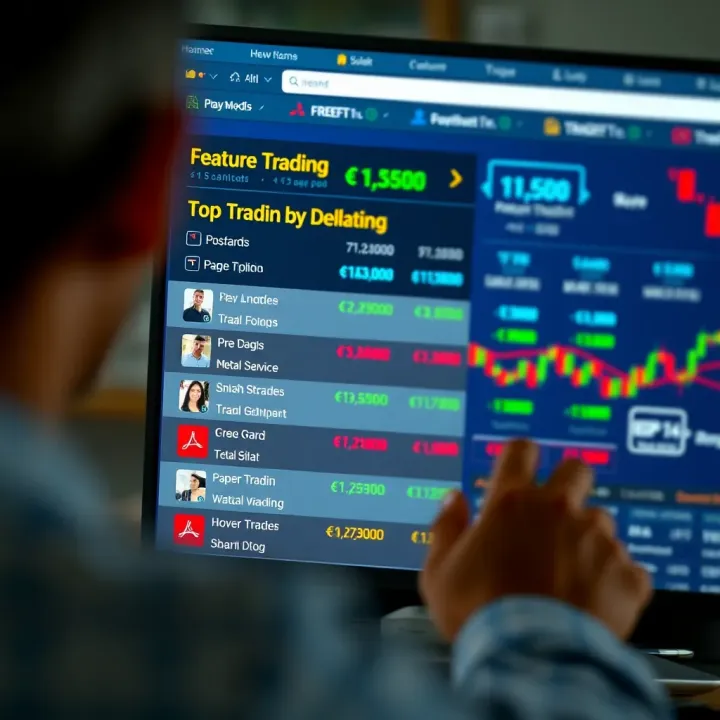
Many paper trading apps also provide educational content within the app. Tutorials, videos, and articles embedded in the platform support continuous learning without switching to external resources. This quick accessibility is especially useful for beginners or those experimenting with new concepts.
Look for apps with truly free usage. Some claim to be free but restrict features or limit usage unless you pay. A genuinely free app lets you trade unlimited mock orders and access all market instruments without fee barriers, making practice stress-free.
Equally, check for no hidden charges or subscriptions. Transparent pricing means you won’t encounter unexpected costs when upgrading features or using advanced tools. This clarity allows you to focus on building skills without unexpected billing issues.
Choosing the right combination of these features will make your paper trading experience realistic, effective, and enjoyable, setting a solid base before moving to live markets.
Paper trading apps let you practice trading without risking real money, which is especially valuable in India’s dynamic stock market environment. These apps offer simulated trading experiences that mimic real market conditions, allowing both beginners and experienced traders to test strategies and build confidence. Given the choices out there, knowing which apps truly cater to Indian users’ needs—like offering NSE and BSE data and covering popular instruments—is key.
App A provides a highly realistic market simulation, reflecting live Indian stock prices and allowing users to place orders using virtual funds. Its key feature is the intuitive interface tailored for both novices and seasoned traders. You’ll find charts updated in real time, quick order placement, and clear performance tracking that help create an immersive learning atmosphere.
The pros include a smooth user experience with minimal lag, making it appealing for those new to trading. Advanced charting tools and order types are also present, which seasoned traders appreciate. However, it may lack comprehensive educational content, which could make it less suitable for absolute beginners. Also, occasional delays during high market volatility might affect simulation accuracy.
It runs smoothly on Android and iOS platforms, supporting smartphones and tablets. The app requires minimal storage and works well even on average internet speeds commonly found in tier-2 cities, making it accessible to a broad user base across India.
This app stands out for its extensive coverage of market instruments, including stocks, derivatives, commodities, and mutual funds relevant to the Indian market. It allows traders to experiment with different asset classes, which is helpful for those wanting to diversify their virtual portfolios.
Users praise the app for its comprehensive educational tools embedded within the platform. Tutorials, market news updates, and strategy guides are available, making it a favourite among learners who want to deepen their market understanding alongside practice.
Its unique selling point lies in combining a robust trading simulator with an in-built learning hub. For example, you can read about option trading strategies and immediately test them using virtual money. Plus, it offers regular quizzes and webinars, encouraging continuous engagement and skill improvement.
Designed with simplicity in mind, App C makes onboarding a breeze. Registration requires minimal data, and the app guides you step-by-step through placing your first virtual trade. This reduces the intimidation often faced by newcomers to stock markets.
The app’s practice features cover basic buying and selling of equities with virtual funds, along with simple charts and portfolio summaries. It’s ideal for those focusing on stock trading without getting overwhelmed by derivatives or advanced tools.
That said, App C has limitations such as fewer analytical tools and no support for complex instruments like futures or options. It also lacks real-time market data integration, relying on delayed prices which might not suit users aiming for realistic experience. Still, for beginners wanting to get their feet wet, this app works quite well.
Choosing the right paper trading app depends on your trading goals. Whether you want deep market analysis, variety in instruments, or simply a hassle-free start, these apps offer a range of options suitable for Indian investors.
Starting with a paper trading app is simpler than many expect, but following the right steps ensures a smoother experience. Whether you're a beginner or an experienced trader, knowing how to set up your account, simulate trades, and analyse your results properly helps you build real skills before risking actual money.
Choosing the right app is the first crucial step. Not all paper trading apps offer the same features; some focus on beginner-friendly interfaces, while others provide advanced tools better suited for experienced traders. For example, if you want to practise trading with Indian stock market data, selecting an app that simulates NSE and BSE markets closely can be more beneficial. Look at apps that provide real-time market snapshots or delayed data that reflects current market conditions without risking real funds.
Registration requirements vary across platforms but typically involve basic information like your name, email, and mobile number. Some apps may ask for additional details such as PAN card or Aadhaar for identity verification—even though you’re not trading with real money. This step ensures authenticity and keeps the platform secure. Make sure you use actual contact details since some apps send verification codes or updates via SMS or email, which helps keep you informed about your mock trades and account status.
How to place mock orders usually mimics live stock trading platforms. After logging in, you pick a stock or instrument, specify order type (market or limit), quantity, and expected price—even though trades are virtual. This practice allows you to understand order types, timing, and price movements without financial consequences. For example, you might try placing a limit order for 100 shares of Reliance Industries at ₹2,500 and watch how the order executes if the market price reaches that level.
Using app dashboards to monitor results helps you track your portfolio's performance and learn from your trading behaviour. Dashboards typically display metrics like profit/loss, trade history, and current holdings with charts and summaries. A well-designed dashboard lets you see which trades worked out well and which didn’t. Watching these patterns over time develops your trading discipline and helps avoid rash decisions when you move to real markets.
Reviewing trade history is an important habit. Paper trading apps store all your past mock trades, letting you revisit your decisions, the prices you bought or sold at, and the outcomes. For instance, reviewing a series of trades on Infosys shares can reveal if your entry points were timely or if you exited too early. This ongoing review sharpens your understanding of market behaviour.
Identifying strengths and weaknesses based on your trading records helps you refine strategies. If you notice consistent losses in volatile stocks but gains in blue-chip shares, then perhaps your approach suits long-term investing better than day trading. Similarly, recognising mistakes—like chasing trends or neglecting stop-loss orders—gives you a chance to correct these habits early. The goal is to keep improving by learning from your own virtual market experience without facing real money losses.
Starting with the right app setup and tracking your performance carefully through simulations is the most practical way to build confidence before investing actual money in the Indian stock market.
Following these steps methodically allows you to treat paper trading seriously and prepares you well for live trading in India's dynamic markets.
Selecting the right paper trading app matters because your goals and preferred trading style will shape how effectively you learn and practice. Not every app suits all traders; a platform that fits your priorities helps avoid confusion and wasted time. For example, a beginner aiming to understand long-term investing might struggle with an app designed for rapid intraday trades.
Different trading approaches require different tools. Long-term investors focus on fundamentals and hold stocks for months or years, so they benefit from paper trading apps offering detailed fundamentals, financial ratios, and portfolio tracking over months. Apps simulating real-time delays and overnight holdings help mimic this well.
Meanwhile, day traders need fast, real-time data, advanced charting, and quick trade executions to practise intraday strategies. For instance, an app that allows rapid order placement and provides access to derivatives like futures or options will suit day traders more. Choosing the wrong type restricts practicing the actual skills needed.
If you prefer to trade specific sectors—say, pharma or IT—or want exposure to commodities or derivatives, pick an app catering to those markets. Many Indian apps focus on NSE and BSE stocks but differ in instruments offered. For example, if you plan to test strategies in commodities, the app must support MCX products. Without this, your practice won’t fully prepare you for real trades.
Besides, certain sectors behave differently during economic cycles; practising with the right instruments builds a realistic understanding. Ensure the app covers your preferred asset classes before committing hours to learning.
While advanced charts, indicators, and algorithmic trading features add value, too much complexity can confuse beginners. On the other hand, overly simple apps might restrict experienced users. It's best to pick a platform matching your comfort level. For example, a beginner might choose an app with guided tutorials and straightforward navigation, while a more experienced trader may look for customisable tools and scripting options.
The key is to balance power with accessibility. If you find yourself overwhelmed by too many menus or options, that app won't help learning — you’ll spend more time figuring out the interface than trading.
Good customer support ensures timely help when you face glitches or doubts. Some apps offer chat, email, or phone support, which can be a lifesaver during tricky times. For instance, if your trade didn’t reflect properly, fast assistance avoids frustration.
Plus, an active user community provides peer learning opportunities and shared insights. You might learn a new strategy or workaround from forums or social media groups tied to the app. This often speeds up your learning curve and motivates continued practice.
Choosing a paper trading app aligned with your trading style, goals, and support needs makes your practice meaningful and prepares you better for real market conditions.
Paper trading is a valuable tool to practise trading without risking actual money. However, certain mistakes can limit its benefits and give a false sense of preparedness. Understanding and avoiding these common pitfalls ensures that your practice translates better into real market success.
One major mistake beginners make is treating virtual trades as if they were real investments. Emotional detachment comes naturally in paper trading because no money is at stake. You might place riskier trades or ignore market signals, which would be unlikely if your own capital were involved. This detachment can lead to developing bad habits, like neglecting stop-losses or overtrading, which usually hurts real portfolio performance.
For example, you might hold onto a losing position in paper trading simply because “there’s no loss to worry about”. In real trading, this emotional behaviour can drain your capital quickly. Recognising this difference helps you cultivate disciplined emotions and rational decision-making essential for live markets.
The market impact is another aspect often overlooked. Paper trades don’t affect market prices, but real large trades can influence the market or trigger slippages. So, profits or losses in paper trading might appear sharper or smoother than in reality. This might create unrealistic expectations about execution speed, price slippage, or liquidity, especially for stocks with low volumes on NSE or BSE.
Being aware of this helps traders adjust their strategies and prepare better for real trading conditions, such as partial order fills or delayed executions.
Another common error is ignoring the post-trade review. Tracking your mistakes systematically in a trade journal or app dashboard is crucial for growth. Without reviewing, you miss patterns like overexposure to a sector or ignoring technical indicators, which hold lessons for improvement.
For instance, if you consistently lose money on intraday trades but do well on longer-term positions, reviewing your performance can highlight this. It guides you to focus on strategies that suit your strengths instead of blindly continuing what doesn’t work.
Adjusting strategies based on past trades makes your paper trading productive. It’s not just about trying random ideas but refining your approach by analysing what worked, what didn’t, and why. This feedback loop turns practice into valuable experience.
Regular review and adjustment ensure your paper trading moves beyond practice and starts resembling an actual trading discipline.
In short, treating paper trading seriously, recognising its limitations, and learning actively from every trade can prepare you better for the challenges of live markets. Avoiding these common mistakes will sharpen your skills and build confidence before investing real money.
Paper trading acts as a vital stepping stone for investors who want to enter the live market without immediately risking real money. It bridges the gap between theoretical knowledge and actual trading by helping you understand how markets behave and how your strategies perform in a risk-free environment. This practice is especially important in the Indian context, where market volatility and regulatory changes can quickly impact investment outcomes.
One of the common hurdles for new traders is fear of losing money, which often leads to hesitation or poor decision-making. Paper trading eliminates this anxiety by allowing you to place trades without financial consequences. For instance, someone practising with ₹1 lakh virtual funds can test different stocks or derivatives on NSE or BSE without worrying about actual losses. This familiarity with market ups and downs prepares you mentally, so when you do invest real money, you’re less prone to panic during market swings.
Real trading requires a methodical approach rather than impulsive reactions. Paper trading helps build discipline by encouraging you to maintain a trading journal, follow your strategies strictly, and review your positions regularly. For example, practising limit orders or stop-loss placement in simulation sharpens your ability to stick to exit plans when emotions run high in live markets. Over time, these habits form the backbone of consistent trading performance.
Moving from paper trading to real trading should be a phased process. Instead of jumping into large trades immediately, start with small amounts that you can afford to lose—say ₹5,000 or ₹10,000—in the live market. This gradual increase allows you to gauge how your risk tolerance matches real emotional responses. Traders who make this gradual shift tend to avoid rash decisions that come with sudden exposure to real losses.
Risk management strategies learnt during paper trading must carry over unchanged into live trading. Whether it’s diversifying your portfolio or placing stop-loss orders, these controls help cap losses and protect gains. For example, if you applied a trailing stop-loss in your paper trading sessions to lock profits, ensure you implement the same when trading live, no matter how confident you feel. Ignoring risk management in the hope of quick gains is a common trap returning traders fall into.
Remember, paper trading is not just a practice session but a rehearsal to build solid investing habits. Integrating these lessons carefully as you enter the real market improves your chances of becoming a successful, confident trader.
📈 Discover top free paper trading platforms for Indian investors! Practice trading stocks risk-free, build skills, manage risk, and gain confidence before live markets.

Explore top currency trading apps in India 🏦—compare features, costs, security, and usability to find the best fit for beginners and experienced traders alike 📱.
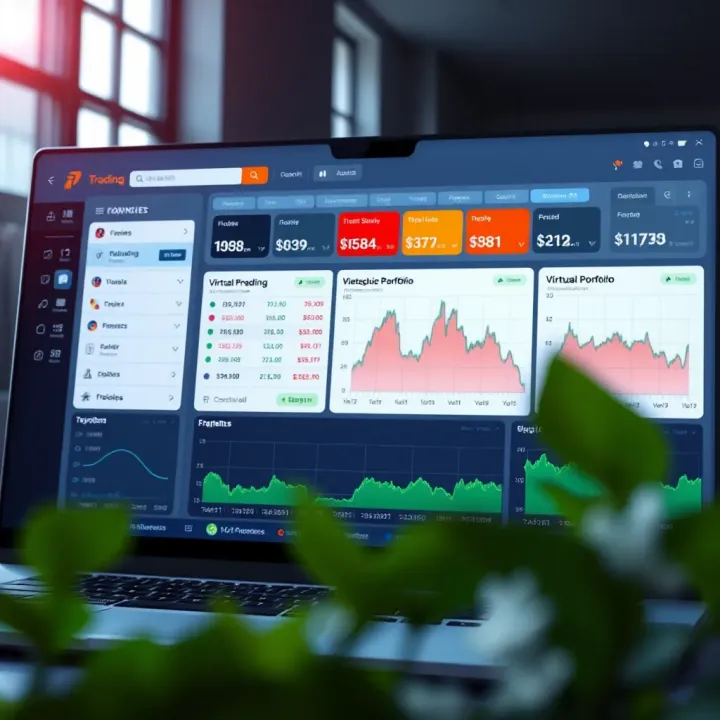
Discover top paper trading websites ideal for Indian investors 🧑💻. Compare platforms, learn choosing tips, and sharpen skills risk-free in stock markets 📈.

Explore the top paper trading platforms for Indian investors 📈. Practice stock market strategies risk-free, understand platform features, & boost your trading skills before investing ₹₹₹ in real markets.
Based on 15 reviews