
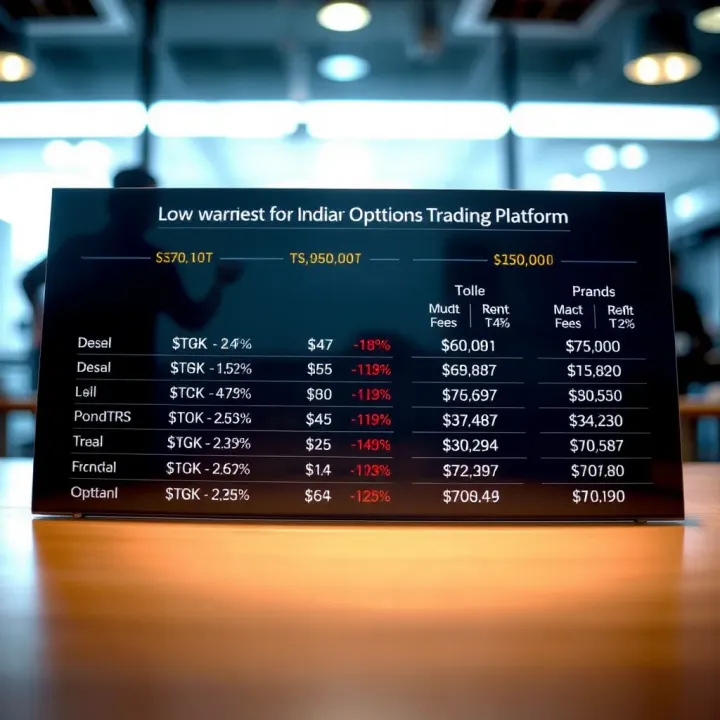
Lowest Brokerage for Options Trading in India
📉 Find the lowest brokerage for options trading in India! Compare top brokers, understand fees, and choose the best affordable platform for traders.
Edited By
Charlotte Davies
Choosing the right brokerage is a key step for anyone interested in options trading in India. Options trading involves higher risks and rapid decisions, so partnering with a broker who understands these demands can influence your success.
When you start looking for brokers, focus on a few crucial factors. Brokerage charges matter a lot; high fees can quickly eat into your profits, especially if you trade frequently. Some brokers charge fixed rates per trade, while others calculate fees as a percentage of the trade value. For example, Zerodha offers a flat ₹20 per trade, which can benefit high-volume traders, while ICICI Direct charges based on a percentage, which might suit occasional traders better.
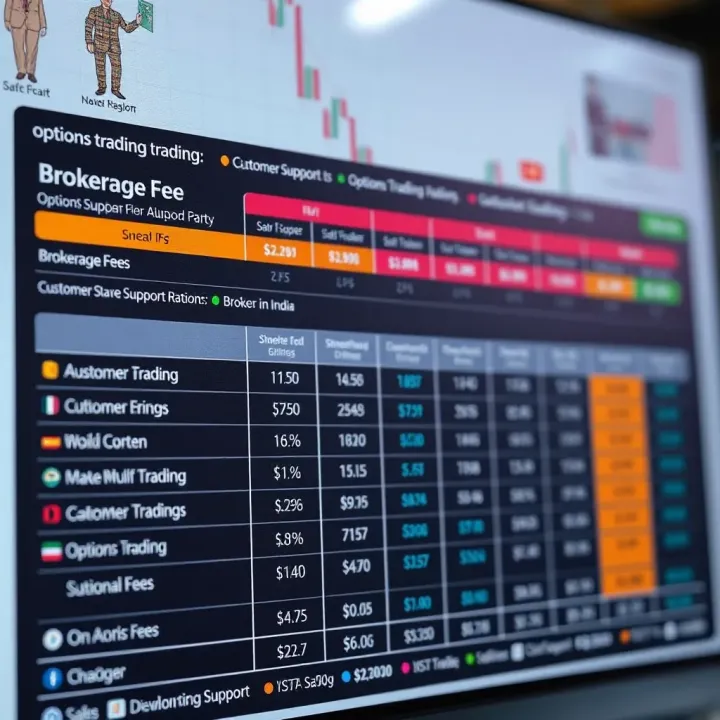
Trading platforms are your interface to the market, so ease of use and reliability are important. Check if the broker provides a mobile app with real-time options data, charts, and quick order execution. Good examples are Upstox Pro and Angel Broking's ARQ, both well-known for user-friendly platforms tailored to options strategies.
Customer service should not be overlooked. Options trading can lead to urgent queries in volatile markets. Brokers like HDFC Securities and Kotak Securities have helplines and chat support, which can be quite handy if you need quick resolution.
Educational resources and research tools matter for beginners and even experienced traders wanting to sharpen their skills. Some brokers provide webinars, tutorials, and in-depth analysis tailored to options trading, such as Sharekhan and 5paisa.
Remember: The best brokerage depends on your personal trading style and needs rather than just the lowest fees.
Brokerage and transaction charges
Platform usability for options trading
Quality and accessibility of customer support
Availability of research, educational content, and trading tools
By carefully weighing these factors and matching them with your trading goals, you can choose the brokerage that works best for your options trading journey in India.
Selecting the right brokerage significantly impacts your success in options trading. In India’s diverse market, choosing wisely means balancing costs, platform usability, and support. Careful consideration of these key factors helps you avoid unexpected charges and technical hiccups, enabling you to focus on your trading strategies.
Trading and brokerage commissions form the core cost when you buy or sell options contracts. Brokers may charge a flat fee per trade or a percentage of the trade value. For example, discount brokers like Zerodha offer flat fees often lower than full-service brokers like ICICI Direct, which may charge higher commissions but provide additional services. Considering how frequently you trade is vital. Frequent traders benefit more from flat-fee structures to keep their costs predictable.
Transaction fees and taxes include levies such as Securities Transaction Tax (STT), Goods and Services Tax (GST), and stamp duty. These apply on every trade and reduce net returns. For instance, STT on options trading is levied at 0.05% on the premium amount. While you cannot avoid taxes, comparing brokerage platforms with lower administrative charges around these can save you money in the long run.
Demat and account maintenance charges are recurring costs that investors often overlook. Most Indian brokers charge an annual fee for Demat accounts, usually between ₹300 and ₹600. Some brokers waive these charges for active traders or during promotional periods. Keeping an eye on these helps avoid surprises, especially if you have multiple accounts or trade infrequently.
User interface and ease of use make a crucial difference in options trading, where timing is everything. A cluttered or laggy platform can cause missed opportunities. Brokers like Upstox and Angel Broking prioritise intuitive designs helping beginners quickly understand and execute trades without confusion.
Options-specific tools and analytics elevate trading quality. Features such as options chain view, Greeks calculator, and strategy builder help traders assess risk and potential returns effectively. For instance, platforms offering live volatility index data aid in better decision-making, which is especially useful for strategies like straddles or spreads.

Mobile app versus desktop access matters depending on your lifestyle. Many traders prefer desktop platforms for detailed analysis, but mobile apps provide flexibility to trade on the go. Leading brokers ensure their mobile apps maintain functionality and speed comparable to desktop versions, ensuring you don't miss crucial price moves while commuting or away from your desk.
Availability and responsiveness of support can save you from costly mistakes during critical market movements. Brokers offering 24/7 chat or phone support like HDFC Securities provide reassurance that help is nearby whenever you face technical or account issues.
Learning materials on options trading build your confidence and skill. Comprehensive resources like articles, videos, and FAQs bridging beginner to advanced topics empower traders. For example, Kite by Zerodha supplements its platform with detailed modules on options strategies helping traders grow.
Webinars, tutorials, and community forums facilitate continuous learning and peer interaction. Participating in live sessions or discussion boards lets you clarify doubts and keeps you updated with market trends. This social learning aspect is often missing in platforms focusing purely on trading execution.
Choosing a brokerage involves weighing fees, platform comfort, and support quality carefully. Each factor can directly affect your trading experience and bottom line. Assess these elements based on your trading style and priorities before committing.
This section covers crucial factors to keep in mind so that you can make an informed choice when selecting a brokerage for options trading in India.
Choosing the right brokerage plays a significant role in options trading success. Different brokers cater to varying needs, from cost-effective trading for beginners to advanced tools for experienced traders. This section highlights popular brokerages in India that specialise in options trading, helping you find one suited to your style and budget.
Discount brokers have grown rapidly in India, attracting traders seeking to keep costs down. Firms like Zerodha, Upstox, and Angel Broking offer flat-rate brokerage models, usually ₹20 per trade or lower, regardless of trade size. This transparent fee structure appeals to frequent options traders who want to minimise expenses without sacrificing execution speed.
These brokers typically provide user-friendly platforms suited for quick trades, making them ideal for those testing the waters or using simple option strategies. While they may not offer all the bells and whistles, discount brokers often include basic analytics and charting tools sufficient for standard option trades. Their mobile apps and web interfaces are designed for easy navigation, which suits traders who prefer flexibility on-the-go.
Value-added services, though limited compared to full-service brokers, are evolving. For example, Zerodha’s Pi platform offers advanced charting tools and API access for algo traders. Similarly, Upstox provides decent educational content and decent customer support given its pricing. However, some features like in-depth options analytics or dedicated advisory remain less common. Still, discount brokers represent great entry points for cost-conscious traders focusing mainly on saving brokerage costs.
Full-service brokers like ICICI Direct, HDFC Securities, and Kotak Securities stand out by providing comprehensive services beyond merely executing trades. These firms bundle options trading with research, advanced technical analysis, expert recommendations, and portfolio management. Their platforms often come loaded with in-depth option chain analysis, Greeks calculators, and strategy-building modules essential for complex trades.
These brokers also offer personalised advisory services and educational webinars to help traders understand sophisticated options strategies such as spreads, straddles, or iron condors. Their customer support teams are generally more accessible and better trained to assist nuanced trading queries. For seasoned traders who rely on data-driven decisions, these extended offerings justify the comparatively higher fees.
Moreover, full-service brokers tend to provide seamless integration across asset classes — equities, derivatives, mutual funds, and more — enabling experienced traders to manage entire portfolios in one place. Though costlier, they suit traders who value comprehensive insights, customised support, and want to explore beyond basic options trading.
For most traders, the choice between discount and full-service brokers depends on balancing cost with the need for tools and support needed for their trading strategy. Assessing your priorities first can save money and improve your trading experience in the long run.
Grasping the details of charges and margin requirements is vital for anyone trading options in India. This knowledge helps traders build accurate cost expectations and better manage risks, which can otherwise catch you off guard amidst the complex fee structures and leverage norms.
Brokerages generally charge either flat fees or percentage-based brokerage on each options transaction. Flat fees mean you pay a fixed amount per trade—say, ₹20 per options contract—regardless of trade size. This suits frequent traders dealing in high volumes, as costs stay predictable and low per trade. On the other hand, percentage-based brokerage takes a cut based on your transaction value. For example, a broker might charge 0.05% of the premium or contract value. This can be costlier for larger trades but might work for occasional traders who want minimum upfront fees.
Taxes and levies form another crucial part of your overall trading cost. The Goods and Services Tax (GST) at 18% applies on brokerage charges themselves, increasing your expense slightly. Besides GST, Securities Transaction Tax (STT) applies specifically on options trading, calculated on the premiums paid for option contracts. While STT rates vary depending on whether it's an option buyer or seller, this tax impacts the net profitability and is unavoidable. Additional levies like stamp duty and exchange transaction charges also add up, so it's wise to factor in all these costs before choosing your broker.
Margins in options trading refer to the funds that brokers require you to keep as collateral to hold positions. Unlike buying stocks outright, options trading involves buying or selling contracts with potential obligations, so margin rules ensure you can meet these commitments. For instance, if you sell (write) an option, brokers block a margin amount based on the risk involved and your position size. Buying options usually needs only the premium upfront, which is comparatively lower.
Leverage extends your buying power by allowing you to control larger positions with less capital. While this can multiply returns, it also magnifies losses. For example, a margin of ₹1 lakh might let you write options worth ₹5 lakh. This five-times leverage increases trading potential but requires careful risk management, especially for beginners. Brokers set margin limits depending on the underlying asset, option type, and market volatility. Understanding these details helps traders plan their positions wisely and avoid margin calls or forced liquidation.
Always calculate the total cost, including brokerage, taxes, and margin requirements, before initiating an options trade to avoid surprises and optimise your trading strategy.
Comparing brokerages effectively means matching their offerings with what you actually need as an options trader. A good fit not only saves money but also enhances trading efficiency and results. For instance, someone trading daily has different demands than a casual trader who makes few transactions a month. Likewise, the need for advanced tools varies depending on whether you're just starting or using complex option strategies. Keeping your trading style and goals in mind helps narrow down choices quickly.
Frequent traders benefit from brokerages that offer low brokerage fees and fast, reliable order execution. Discount brokers like Zerodha or Upstox cater well to such clients by charging flat fees per trade regardless of volume, which can significantly reduce overall expenses for repeat traders. Additionally, these brokerages tend to provide robust platforms with features like quick toggling between options contracts and real-time data, essential for active participants.
On the other hand, occasional traders might prefer brokerages that offer comprehensive support and educational resources, even if fees are slightly higher. Full-service options like ICICI Direct or HDFC Securities provide research reports and personalised advisory, which helps less frequent users make informed choices. They also provide flexibility with transaction sizes and don’t penalise for low activity.
Advanced option strategies and technical analysis require brokerages with sophisticated tools. Traders using strategies such as straddles, strangles, or iron condors need platforms offering detailed options Greeks, volatility charts, and strategy builders. Brokerages like Angel One or Groww have started integrating these tools to help traders test and track complicated positions easily. Without these, executing layered trades can become error-prone and stressful.
Technical analysis is another area where the right brokerage makes a difference. Companies that provide inbuilt charting with indicators like RSI, MACD, and Bollinger Bands enable traders to time their entries and exits better. Also, alert features can notify of critical price moves or option expiry dates. Picking a brokerage lacking these features forces traders to rely on separate software, hindering seamless execution.
Testing trading platforms before committing money is highly recommended. Most reputable brokerages allow demo accounts or trial versions, enabling you to explore the user interface, place mock trades, and navigate option chains without risk. For example, the Zerodha Kite demo helps traders gauge ease of use and platform stability. This hands-on experience weeds out platforms that might look good on paper but frustrate during real trading.
Besides personal trials, feedback from other options traders offers insights that numbers and features cannot provide. User reviews on forums and trading communities often highlight real-world issues like delayed order execution during volatile sessions or unresponsive customer service. Active traders discussing their experiences with brokerages such as 5paisa or Kotak Securities can alert you to quirks or hidden costs not evident initially.
Choosing a brokerage based on your trading style, coupled with hands-on trials and community feedback, significantly improves your chances of success and satisfaction. Always look beyond fees to the practical usability and support before deciding.
By carefully aligning brokerage features to your trading pattern and leveraging trial accounts alongside peer reviews, you can make a well-rounded choice that supports your options trading ambitions effectively.
📉 Find the lowest brokerage for options trading in India! Compare top brokers, understand fees, and choose the best affordable platform for traders.
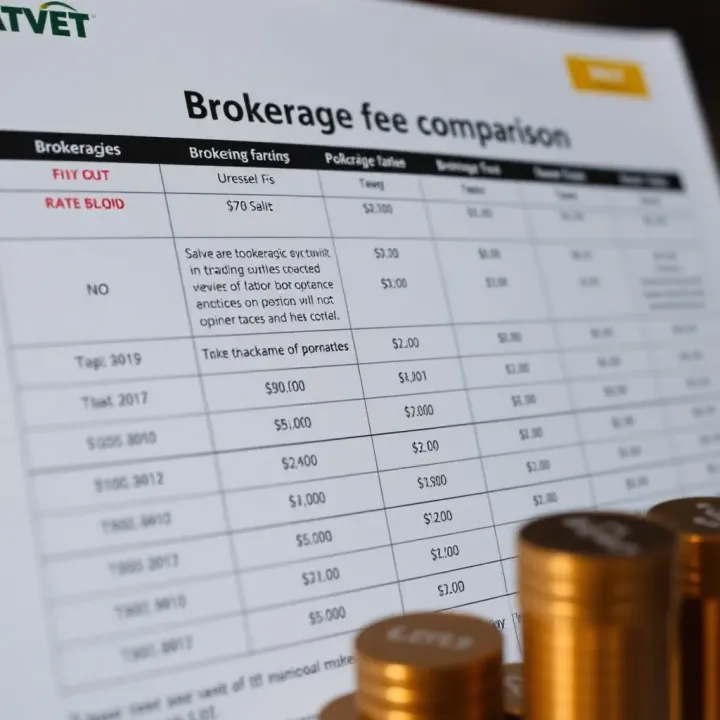
🔍 Explore how to find the lowest brokerage for options trading in India. Compare fees, understand costs’ impact, and get tips to pick the right broker.

Find the best options trading platform in India with insights on brokerage charges, regulatory approvals, tech features, and user reviews for secure and effective trading 📈💻

Discover the best brokers for options trading in India 📈. Compare charges, features, and expert tips to pick the right broker for your trading style and goals.
Based on 13 reviews