

Best Forex Trading Platforms in India: A Clear Guide
Explore top forex trading platforms in India 🇮🇳 with expert tips on regulations, features, costs, and currency pairs. Start trading confidently and safely today 📈
Edited By
George Mitchell
Starting forex trading can feel like stepping into a maze — especially for beginners in India. With so many trading platforms claiming to be the best, picking the right one becomes crucial to avoid confusion and losses. Unlike seasoned traders, beginners often need platforms that offer clarity, easy navigation, and solid customer support.
A good forex trading platform for beginners should balance simplicity with essential features. For example, user-friendly charts, real-time data, and educational resources can help new traders understand market movements without being overwhelmed. Popular platforms like MetaTrader 4, MetaTrader 5, and TradingView have gained trust among Indian traders due to their straightforward interfaces and strong community support.
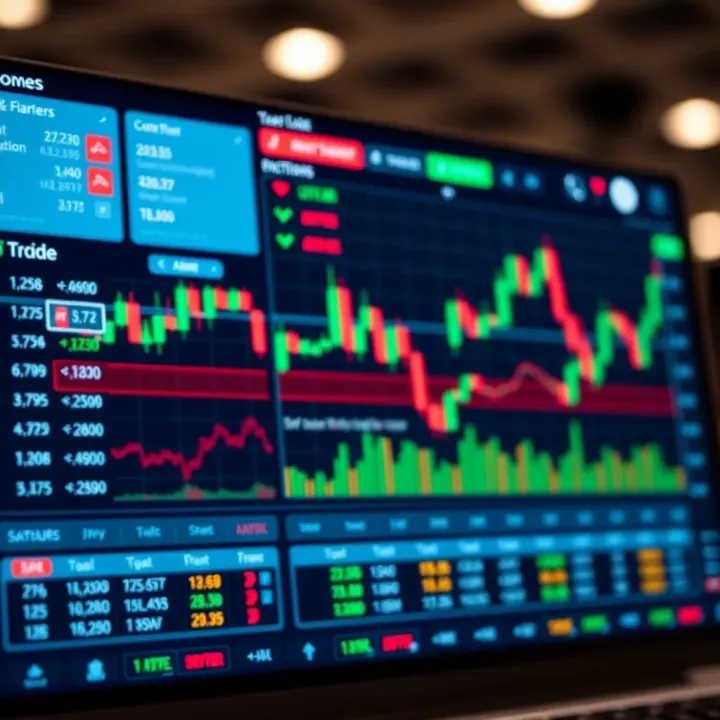
It’s wise to test platforms through demo accounts before committing real money. This allows beginners to learn the ropes without financial risk.
Besides ease of use, security matters a lot. Platforms regulated by authorities like the Securities and Exchange Board of India (SEBI) or internationally recognised regulators add a layer of trust. Protecting your funds from fraud or hacking is a non-negotiable aspect when choosing any trading platform.
Beginners should also consider the following features:
Low minimum deposit: Platforms allowing deposits under ₹5,000 help new traders start without heavy upfront costs.
Competitive spreads and low commissions: High fees eat into profits, especially for small trades.
Multiple payment options: Support for UPI, net banking, and wallets like Paytm or Google Pay makes fund transfers easier.
Mobile app availability: Since many Indian traders prefer mobiles, apps with full trading features are a big plus.
Trading platforms that bundle educational content with tools — like Zerodha’s Varsity or Upstox’s learning modules — can boost your confidence gradually. Remember, the best platform works as a teacher and a tool, guiding you step-by-step.
In the end, choosing a forex trading platform is about matching your comfort level, budget, and learning style. By focusing on usability, security, and cost-effectiveness, beginners in India can find a platform that suits them well and lays a strong foundation for their forex trading journey.
Grasping what forex trading platforms are and how they function is essential for anyone starting in the forex markets. A good platform acts like your trading cockpit, offering access to currency markets, tools to analyse trends, and means to execute trades swiftly. Without understanding this foundation, even the best strategies can fail if the right platform isn't chosen.
A forex trading platform is software that lets traders buy, sell, and manage currency pairs online. Think of it as a digital marketplace combined with a set of analytical tools. For example, MetaTrader 4 is a widely-used platform that provides real-time charts, technical indicators, and the ability to automate trades with Expert Advisors. Platforms can come as web-based, downloadable software, or mobile apps, which suit a trader’s convenience and style.
Beyond placing orders, these platforms offer features like real-time price feeds, risk management tools such as stop-loss orders, and historical data to study past currency movements. They bridge the gap between you and the complex forex market, making trading accessible even from your smartphone.
For new traders, forex platforms serve as both a learning ground and a trading environment. They provide demo accounts where beginners can practise with virtual money without any risk. For instance, using a demo account on platforms like Zerodha’s Kite or ICICI Direct allows understanding of trade executions and market fluctuations before using real funds.
User-friendly platforms also help beginners by simplifying navigation — with clear dashboards showing account summary, open positions, and market news in one place. Moreover, some platforms include education resources and alerts, helping new traders stay updated on market events that could affect currency prices.
Selecting a platform that matches your comfort level and trading goals can prevent costly mistakes in your early days as a forex trader.
Looking at real-life usage, a beginner using a complicated platform might struggle to place timely orders, potentially missing opportunities or triggering losses. On the other hand, a platform designed for ease of use ensures you focus on learning market dynamics, not struggling with the interface.
In short, understanding forex trading platforms equips beginners to choose tools that make trading approachable and manageable, laying the foundation for successful forex investing.
Choosing the right forex trading platform can shape a beginner’s trading experience. Several key features deserve your attention to ensure the platform matches your skill level and trading style. The aim is to pick tools that not only simplify trading but build your confidence while protecting your capital.
A straightforward user interface (UI) is essential, especially for first-time traders. Platforms that clutter the screen with too many charts, indicators, or technical jargon tend to overwhelm beginners. Instead, look for platforms offering a clean layout with easy navigation. For example, software like MetaTrader 4 provides simple charting tools and order types clearly accessible from the main dashboard.
Ease of use saves you from getting bogged down in technical complexities. Many platforms offer mobile apps, which should maintain the same level of simplicity as their desktop versions. This allows you to trade comfortably on the go. Remember, a complicated UI can lead to mistakes like placing wrong orders — something you want to avoid when starting out.
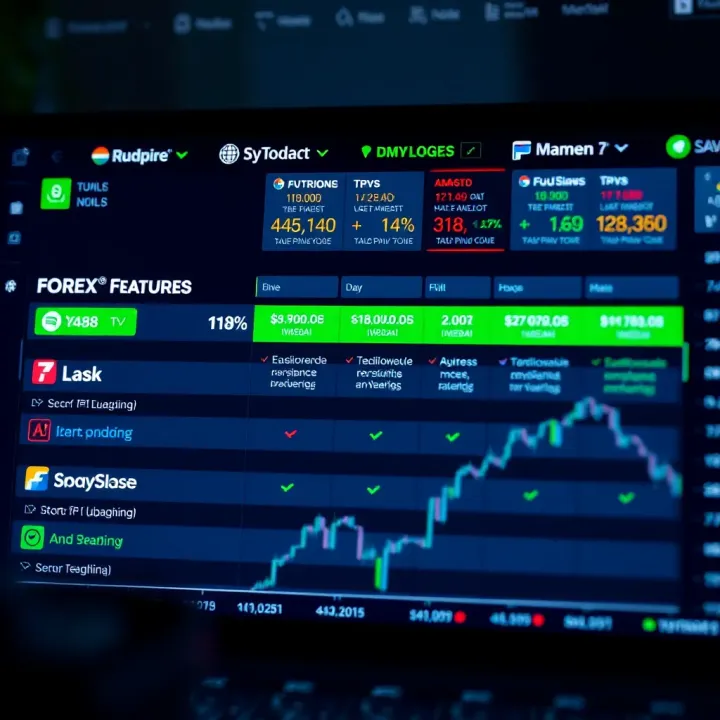
Platforms suitable for beginners usually come with built-in educational materials such as articles, videos, and webinars. These resources can help you grasp forex basics and trading strategies without searching elsewhere.
Demo accounts are equally important. They give you a risk-free environment to experiment with live market conditions using virtual money. For example, Zerodha’s Kite platform enables beginners to simulate trades with real-time data before committing actual funds. Using demos systematically helps sharpen your skills and develop discipline.
Since trading involves real money, security stands paramount. Opt for platforms regulated by credible authorities in India or abroad such as the Securities and Exchange Board of India (SEBI) or the Financial Conduct Authority (FCA) in the UK.
Strong security features include two-factor authentication and encryption of your personal and financial data. Avoid platforms that lack transparency about their regulatory status or those with a history of breaches. In trading, trust only verified and well-regulated providers.
Many beginners overlook cost implications but fees can eat into profits quickly. Review the fee structure carefully — including spreads, commissions, and withdrawal charges.
Some platforms like ICICI Direct or Upstox Pro offer competitive fees with transparent charges ideally suited for beginners. Also, watch out for hidden costs like inactivity fees or minimum deposit requirements. Lower fees allow you to keep more of your earnings while you’re still learning the ropes.
Starting on the right platform with user-friendly features, strong security, ample learning tools, and fair fees is critical. This groundwork sets you up for smoother forex trading and better decision-making as a beginner.
Choosing the right forex trading platform can make a huge difference for beginners in India. Not only does the right platform simplify trading, but it also lowers the risks and builds confidence. Popular platforms often come with user-friendly features, strong regulatory backing, and useful tools tailored for new traders. Let’s examine some widely used options that fit the bill for novice forex traders in the Indian market.
MetaTrader 4 (MT4) remains one of the most popular forex trading platforms globally, including in India. It offers a clean interface, customised charting tools, and a wide range of technical indicators. Beginners can easily download MT4 and test with a demo account, which helps to learn without risking real money. MetaTrader 5 (MT5), the newer version, builds on MT4 by adding more asset classes, improved execution speeds, and an economic calendar integrated within the platform.
Both versions let users automate trading strategies through Expert Advisors (EAs), although new traders should start by manually placing trades and only move to automation once they gain experience. Indian brokers often offer access to these platforms, catering to different segments of forex traders.
Though mostly known for equities and derivatives, Zerodha’s Kite platform has integrated features for forex trading, making it a practical choice for beginners already familiar with the interface. Zerodha’s focus on transparency, low brokerage, and seamless mobile trading suits novices who want to transition into forex without steep learning curves. The platform supports quick fund transfers via UPI or net banking, facilitating easy capital deployment.
Kite offers real-time data, advanced charting, and simple order execution. Its modular dashboard helps traders monitor currency pairs without clutter, which is ideal for new users seeking clarity.
ICICI Direct holds credibility among Indian investors, backed by a large banking network and solid customer support. Its trading platform allows forex trading alongside equities, bonds, and mutual funds, ideal for beginners wanting all-in-one access. The interface is relatively simple and supported on mobile and desktop.
Security is a strong point here, with two-factor authentication and regulatory compliance enforced strictly. Additionally, ICICI Direct provides educational resources and market updates, which help beginners stay informed about currency market trends.
Upstox Pro has grown popular for its intuitive interface and low brokerage fees. Forex trading is integrated into the platform, enabling beginners to explore currency pairs alongside Indian stocks and commodities. The platform offers interactive charts and technical indicators that beginners can use to develop and test strategies.
A key advantage for Indian traders is Upstox Pro’s mobile app, which supports convenient trading on the go. The fast execution speeds and reliable server uptime minimise delays, which is crucial for currency market timing.
Selecting a forex trading platform depends on balancing ease of use, security, costs, and support. MetaTrader offers robust trading tools, while Zerodha, ICICI Direct, and Upstox provide user-friendly environments tuned for Indian stock and forex markets.
In summary, beginners should test demo accounts on these platforms to find the one that suits their comfort and style. The right platform helps reduce mistakes and encourages disciplined trading habits from the outset.
Getting started with forex trading can feel like stepping into a bustling bazaar without a map. This section lays out practical tips that beginner traders in India can follow to build their confidence, set clear expectations, and stay updated with market movements. These foundational practices help turn trading from guesswork into a more disciplined, informed activity.
Demo accounts offer a risk-free way to try out forex trading platforms and test strategies without putting real money at stake. Most platforms like MetaTrader 4 or Zerodha’s Kite provide virtual money so beginners can familiarise themselves with live market conditions and practise executing trades. For example, a trader might spend a few weeks using a demo account to understand how currency pairs like USD/INR or EUR/USD fluctuate throughout the day. This hands-on experience sharpens skills without the anxiety of financial loss.
Using demo accounts repeatedly can help new traders identify their preferred trading style and platform features that suit them best. It acts like a rehearsal before the real performance.
Forex trading isn't a shortcut to overnight riches. New traders must set achievable targets and prepare for the inevitable ups and downs. For instance, aiming for a 5% monthly return rather than an unrealistic 50% helps maintain steadiness.
One practical way to manage risk is by using stop-loss orders, which limit potential losses by automatically closing trades at a predetermined level. Suppose you invest ₹10,000 in a trade; setting a stop-loss at 2% means you won’t lose more than ₹200 if the market moves against you. This helps protect your capital while keeping emotional decision-making in check.
Moreover, diversifying trades across different currency pairs instead of relying on a single pair can reduce risk exposure.
Staying informed about economic events and political developments is critical for forex trading. Currency values often react sharply to news like RBI rate announcements, inflation data, or geopolitical tensions.
Beginners should make it a habit to check trusted sources like financial newspapers, news apps, or official RBI statements regularly. Several trading platforms come with integrated news feeds and analysis that provide timely updates.
For example, if the Indian government releases a surprising economic policy, the rupee might respond quickly. Traders monitoring this news can adjust their positions to avoid losses or seize profit opportunities.
Regularly following market news is not just helpful—it can be the difference between a profitable trade and a costly mistake.
These practical tips serve as a solid starting point for beginners exploring the forex world. Building skills through demo accounts, setting clear goals, managing risks carefully, and keeping an eye on market news all contribute to a more measured and confident approach to trading.
Starting forex trading may seem exciting, but beginners often encounter hurdles that can discourage them early on. Recognising these common challenges helps you approach the market more realistically and avoid costly mistakes. Let’s see some of the frequent issues new traders face and practical ways to tackle them.
Many beginners fall into the trap of overtrading — making too many trades in a short time without a clear strategy. This usually arises from chasing quick profits or reacting impulsively to market movements. Emotional decision-making like fear or greed can push you to enter or exit trades too soon, leading to losses.
For example, a beginner trading the EUR/USD pair might keep placing orders after every small price change, hoping to catch every movement. This increases transaction costs and exposes them to higher risk. To avoid this, stick to a well-defined trading plan and resist the urge to react to every market twitch. Using stop-loss orders and setting daily trade limits can also help manage your trading discipline.
Forex trading involves complex factors like currency pairs, leverage, interest rate differences, and geopolitical events. Without proper knowledge, beginners may misunderstand market signals or rely heavily on tips rather than data.
For instance, not knowing how the Reserve Bank of India’s monetary policy changes affect the Indian rupee can lead to poor trading choices. To overcome this, invest time in learning through credible sources, attend webinars, and leverage the educational features of trading platforms. Demo accounts are invaluable here—they let you practice and understand how markets behave without risking real money.
A smooth, reliable trading platform is vital. Beginners might face technical problems like app crashes, slow order execution, or confusing interfaces, which can lead to missed opportunities or incorrect trades.
Take the experience of a trader using a platform that frequently freezes during volatile market hours, causing delays in exiting positions. Such issues underscore the need to choose reputed and user-friendly platforms with proper customer support. Testing platforms via demo versions and reading user reviews can help identify technical robustness before committing real funds.
Dealing with these challenges early on builds resilience and confidence, which are essential for long-term success in forex trading.
In summary, controlling emotional impulses, gaining solid market knowledge, and picking the right trading platform will set a strong foundation. By doing this, you can trade safely and progressively improve your skills while managing risks effectively.
Explore top forex trading platforms in India 🇮🇳 with expert tips on regulations, features, costs, and currency pairs. Start trading confidently and safely today 📈

Find the best options trading platform in India with insights on brokerage charges, regulatory approvals, tech features, and user reviews for secure and effective trading 📈💻

Explore the top paper trading platforms for Indian investors 📈. Practice stock market strategies risk-free, understand platform features, & boost your trading skills before investing ₹₹₹ in real markets.

Explore the best forex trading apps for Indian traders 📱, comparing features, security, user-friendliness, and costs to help you choose the perfect platform.
Based on 9 reviews