
Free Paper Trading Platforms for Indian Investors
📈 Discover top free paper trading platforms for Indian investors! Practice trading stocks risk-free, build skills, manage risk, and gain confidence before live markets.
Edited By
Ethan Mitchell
Paper trading platforms offer a practical way to learn stock market trading without putting real money at risk. In India, these platforms have gained popularity among beginners, students, and even experienced traders who want to test strategies before actual investing.
Such platforms simulate real market conditions, allowing you to buy and sell equities, derivatives, and other instruments just like in live markets. This experience helps you understand market movements, order execution, and portfolio management without the financial pressure.
Using paper trading before investing can save you from costly mistakes, as it sharpens your understanding of market rhythms and trading tools.
When choosing a free paper trading platform in India, focus on:
Realism: Does it reflect actual market prices and offer live or near-real-time data?
User interface: Is it simple enough for beginners, yet detailed for seasoned traders?
Variety of instruments: Can you trade stocks, futures, options, or commodities?
Features: Does it provide technical analysis tools, portfolio tracking, and order types?
Accessibility: Is it available as a mobile app or on the web, supporting your trading habits?
Platforms like Zerodha's Kite and Upstox Pro offer demo accounts with zero cost, letting Indian users practice with virtual funds. Others such as Moneycontrol and NSE Paathshaala provide tailored educational tools integrated with simulated trading.
This article will review the top free paper trading platforms available in India, highlighting their pros and cons. That way, you can pick the one that matches your style and learning goals for confident investing ahead.
Paper trading is a method where investors simulate buying and selling stocks without putting real money at risk. It provides a risk-free platform to test strategies and understand market dynamics before committing actual funds. Think of it as learning to ride a bike with training wheels; you get to balance and practise without the fear of falling hard.
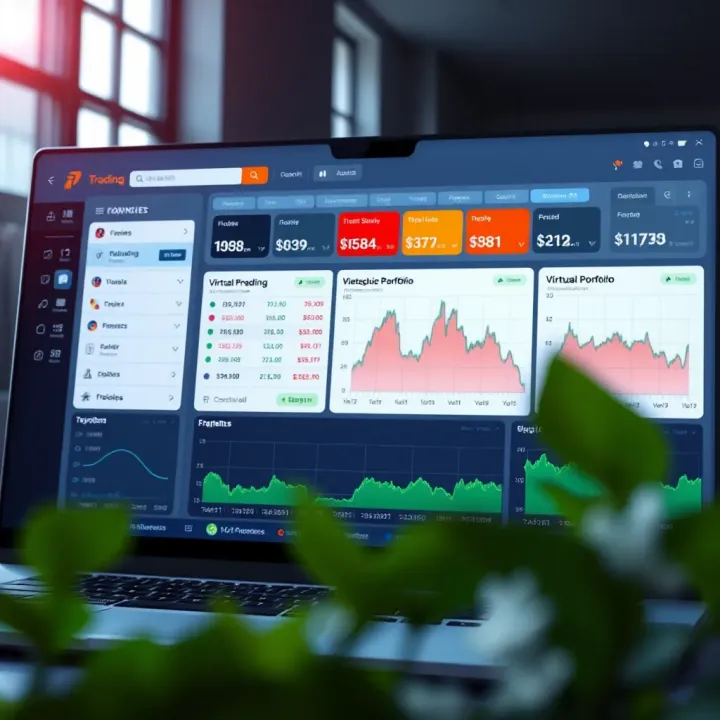
Simply put, paper trading mimics real trading by using virtual money. Platforms show live market prices, allowing traders to place orders, track portfolio performance, manage risk, and see the results of their decisions as if they were trading live. For example, a beginner in Delhi can try buying shares of Reliance Industries or Tata Motors on a paper trading app and observe how the prices fluctuate without losing a single rupee.
For novices, paper trading is a safe space to grasp market basics – such as order types, timing, and portfolio management – without monetary pressure. It reduces emotional mistakes, like panic selling during sudden market drops, which often cost real traders dearly. For experienced traders, paper trading helps in experimenting with new strategies or instruments like options or futures before applying them in the actual market.
Using paper trading, for instance, a seasoned trader in Mumbai might test derivatives strategies during volatile periods without risking capital, refining tactics before real deployment. It also acts as an ongoing training ground to stay updated with changing market conditions.
Despite the benefits, paper trading has clear limits. The absence of real money often means emotional stakes are missing; the adrenaline or fear that influences real trades doesn’t come into play. This can lead to overconfidence and risky moves in simulated trading.
Additionally, paper trading platforms may not always mimic real market liquidity or slippage. Sometimes, orders get executed instantly in simulations but, in the real market, delays or partial fills occur – especially in fast markets or less liquid stocks. For example, a trader using a paper platform might not experience actual execution challenges when trading mid-cap stocks on the NSE.
While paper trading offers an excellent learning environment, understanding its limits ensures traders don’t develop false confidence when stepping into real markets.
In the Indian context, paper trading helps familiarise with local exchanges like NSE and BSE, giving traders hands-on practice with Indian assets before risking their savings. It is essential, though, to treat paper trading as a stepping stone – not a full replacement – to real trading experience.
Paper trading platforms in India offer a no-risk way to practise stock market strategies using virtual money. For beginners and experienced traders alike, these platforms simulate real market conditions, helping users build confidence before investing actual funds. The big advantage of these platforms lies in realistic trading environments without the stress of losing real money. That said, different platforms have unique features, so choosing one that fits your trading style and learning goals matters.
Zerodha Varsity is popular for its educational content, but when paired with Zerodha Console, it offers a solid paper trading experience. Console provides a trading simulator that mirrors Zerodha’s live environment. Beginners benefit from Varsity’s plain-language modules on technical analysis and trading strategies, which they can directly practise on Console. Using familiar tools and interface makes it easier to transfer skills to real trades once ready.
Upstox Pro Web’s paper trading feature is integrated smoothly within its live trading platform, offering access to multiple asset classes like equities, derivatives, and commodities. Its real-time market data and sleek interface appeal to traders comfortable with multitasking. Users can test strategies in a risk-free zone, plus analyse performance through detailed charts and reports. Upstox’s mobile app also supports paper trading, allowing practice on the move.
Moneybhai stands out for beginners because it mimics an investment account with ₹1 crore of virtual money. Users can buy and sell shares listed on Indian exchanges within a controlled environment. It offers real-time market prices along with fundamental and technical data. Moneybhai’s leaderboard encourages friendly competition among users, adding a gamification edge to learning.
Known globally for advanced charting, TradingView also offers a paper trading feature with India-focused data. Its strong suite of technical indicators and drawing tools allow thorough analysis and strategy backtesting. Plus, it integrates social features where traders share insights and ideas. Those aiming to sharpen technical skills find TradingView particularly useful alongside their paper trading practice.
While primarily US-centric, Investopedia’s simulator includes modules adapted to Indian markets. It offers a wide range of asset classes and simulates international trading scenarios. The platform is educationally rich, with tutorials and quizzes that explain market mechanisms. Investors seeking a broader perspective on stock trading plus India-specific options will find this simulator helpful.
Choosing the right paper trading platform depends on your familiarity with markets, desired assets, and learning style. All these options provide free access with real-time market data, but differences in user-interface, educational content, and asset choices make one better suited for individual needs.
Selecting any of these platforms lets you gain hands-on market experience without real risk, setting a strong foundation for successful investing in India’s diverse stock markets.
When choosing the right paper trading platform, understanding the key features is essential. Each platform offers a distinct combination of tools, ease of use, and market coverage that can impact how effectively you practice trading. Comparing features like user interface, data accuracy, asset variety, and risk management tools helps you pick a platform that fits your strategy and learning goals.
A clean, intuitive user interface simplifies the trading experience, especially for beginners. Platforms like Zerodha Console offer a dashboard that’s easy to navigate with minimal clutter, making order placement and portfolio tracking straightforward. In contrast, some platforms may have a steep learning curve due to complex features or crowded layouts. For instance, TradingView’s advanced charting tools impress experienced traders but might overwhelm novices. The smoother the interface, the easier it is to focus on trading decisions without distractions.
Reliable market data is the backbone of realistic paper trading. Platforms that provide real-time updates, like Upstox Pro Web, allow you to react to live market movements, training you in decision-making under actual conditions. On the other hand, delays or outdated data can skew your understanding of price behaviour, leading to habits that fail in real trading. Always check if the platform syncs with NSE, BSE, or MCX rates promptly, as lag affects the quality of your practice.
Diverse asset classes broaden your trading horizons. While most Indian platforms support equities, few extend to commodities, currency derivatives, or mutual funds. Moneybhai by Moneycontrol covers stocks and mutual funds, making it useful for investors wanting practice across investment types. Beginners focusing only on equity might prefer simpler platforms, but those targeting multi-asset portfolios should pick platforms that mirror the Indian markets’ variety more closely.
Paper trading is not just about buying and selling; it’s about honing strategies and managing risk. Platforms with tools for setting stop-loss, take-profit levels, or simulating different market scenarios help in building disciplined trading habits. Zerodha Varsity’s integration with Console offers some risk management features, while TradingView supports custom technical indicators for advanced strategy testing. Such tools are critical for understanding how your plans perform before committing real money.
Choosing a platform without weighing these features can lead to incomplete practice, which may cost dearly in real trading. Match your learning goals with platform strengths to get valuable, risk-free experience.
In short, look beyond the “free” tag—focus on platforms that balance usability, accuracy, asset coverage, and risk tools to suit your trading style.
Using free paper trading platforms effectively can sharpen your trading skills without risking real money. For traders in India, honing these skills early is crucial, especially given the dynamic markets like the BSE and NSE. Applying some simple yet practical strategies will help you transition more smoothly into live trading.
Start by setting clear, achievable goals based on your current knowledge and time commitment. For example, rather than aiming for significant profits right away, focus on understanding how market orders work and practising entry and exit points. Setting small targets like completing 10 trades in a week or learning to use stop-loss orders accurately can build confidence steadily. Unrealistic expectations may lead to frustration and cause you to abandon the practice prematurely. Be aware of your risk appetite, even in a simulated environment, to prepare for real market conditions.
Consistency matters a lot in paper trading, just as it does in actual trading. Treat your practice like a real job with fixed hours and decision-making processes. Avoid the temptation to chase spontaneous trades or act on whims. For instance, if you decide to focus on day trading, keep records of each trade’s rationale and outcome. This type of discipline helps develop habits vital to manage emotions during live trading, such as resisting impulsive buys during sudden market swings.
Maintaining a trade journal for every simulated trade can be a game-changer. Write down the reasons for entering and exiting trades, the strategies you used, and the results. Over time, patterns will emerge highlighting which approaches work and which don’t. For example, if you notice repeated losses during earnings season, it might mean you need to adjust your strategies for high-volatility events. Regularly reviewing your performance turns paper trading into a powerful learning tool rather than just a game.
Paper trading is only as effective as the effort you put into making it realistic and reflective of actual market behaviour.
By setting achievable goals, sticking to a disciplined trading routine, and carefully analysing your trades, you can make the most of free paper trading platforms available in India. These practices build a solid foundation for real trading challenges ahead.
Selecting the right paper trading platform is key for improving your trading skills without risking real money. Different platforms cater to varied trading styles and goals, so understanding your own preferences helps you pick a tool that truly benefits you. For example, if you lean towards intraday trading, a platform offering real-time data and fast order execution simulation would suit you better than one designed mainly for longer-term investing.
Your trading style should guide the choice of platform features. Suppose you follow technical analysis heavily; then a platform with advanced charting tools, indicators, and pattern recognition would work well. On the other hand, if you prefer fundamental analysis or long-term equity investing, platforms offering access to company financials, quarterly results, and news updates will be more helpful. Some platforms even allow custom scripting for automated strategies, which traders focusing on algorithmic methods might find valuable.
A platform focused on Indian markets ensures access to relevant stock exchanges like NSE and BSE, along with commodities and derivatives popular locally. This local focus improves the accuracy of simulated trading experiences, reflecting Indian market timings, taxes, and regulations. Additionally, platforms offering customer support in regional languages or providing India-specific learning resources can smoothen the learning curve. For instance, a beginner might benefit from tutorials contextualised around Indian market holidays or corporate announcements.
While free paper trading plans suffice for beginners, more experienced traders may find them limiting over time. Features such as higher order limits, advanced market data, or backtesting capabilities might require paid subscriptions. If you find your current platform lacks realism or restricts your strategy testing, considering an upgrade could enhance your learning. For example, Zerodha’s Console offers basic free paper trading, but upgrading to their premium tools unlocks deeper analytics and more assets. Knowing when to move beyond free tiers prevents stagnation and keeps your skills sharp.
Choosing your paper trading platform wisely ensures that practice feels like the real deal, builds relevant skills, and prepares you well before risking actual funds.
Ultimately, evaluate platforms based on how closely they match your trading approach, Indian market relevance, and your evolving needs. This focus helps you make the most of paper trading and paves the way for confident live trading.
📈 Discover top free paper trading platforms for Indian investors! Practice trading stocks risk-free, build skills, manage risk, and gain confidence before live markets.
Explore the top paper trading platforms for Indian investors 📈. Practice stock market strategies risk-free, understand platform features, & boost your trading skills before investing ₹₹₹ in real markets.
Discover top paper trading websites ideal for Indian investors 🧑💻. Compare platforms, learn choosing tips, and sharpen skills risk-free in stock markets 📈.

Explore top forex trading platforms in India 🇮🇳 with expert tips on regulations, features, costs, and currency pairs. Start trading confidently and safely today 📈
Based on 15 reviews