
Understanding Multi Candlestick Patterns in Trading
📈 Learn to spot and use multi candlestick patterns for smarter trading decisions in India’s markets. Master trend prediction and reversals today! 🔍
Edited By
Isabella Clarke
Candlestick patterns are a fundamental tool in reading price movements in the stock market. These patterns help traders and investors predict short-term price directions by visually representing the open, high, low, and close prices of a stock over a given time frame. Understanding these basics is especially helpful for beginners navigating the Indian stock market.
A single candlestick consists of a ‘body’ and sometimes ‘wicks’ or shadows above and below. The body shows the difference between the opening and closing prices, while the wicks reflect the highest and lowest trade prices during that period. For example, if a stock opens at ₹1,000 and closes at ₹1,050, the body will display this price rise; the upper wick may extend if the price touched ₹1,060 during the day.
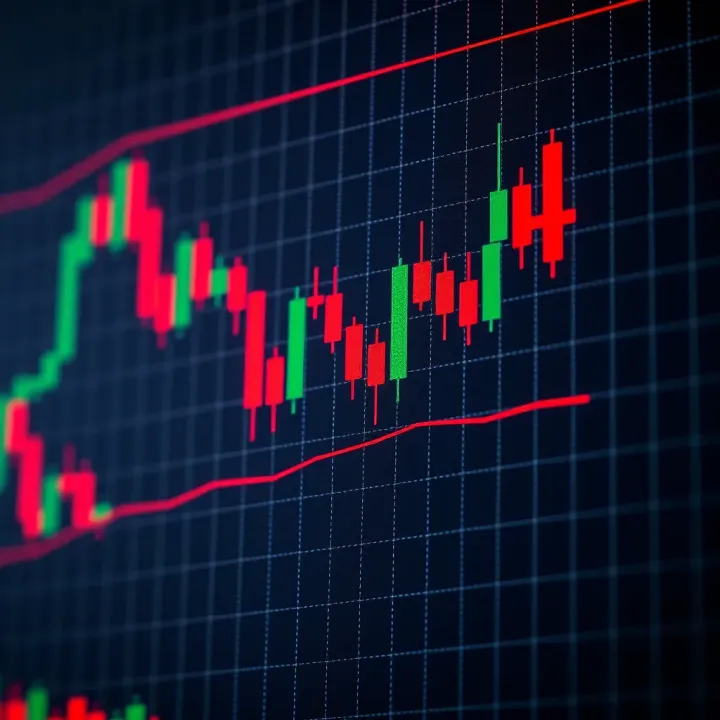
By analysing a series of candlesticks, you can spot common patterns that signal potential bullish or bearish trends. Popular beginner patterns include the Doji, Hammer, Engulfing pattern, and Shooting Star. Each pattern carries a different message. For instance, a Hammer pattern typically indicates a possible price reversal after a downtrend, while an Engulfing pattern shows strong buying or selling pressure.
Mastering candlestick patterns improves your ability to time entry and exit points in the market, reducing guesswork and emotional trading decisions.
When starting out, focus on these points:
Start with daily charts: These offer a clear view of price action without too much noise.
Learn a few key patterns: Instead of overwhelming yourself with dozens, begin with simple, reliable ones.
Combine with volume: High volume on a pattern day often confirms the signal.
Avoid overtrading: Use patterns as one part of your broader trading strategy.
Practical application is vital. For example, during the festive season in India, certain sectors like retail and FMCG show distinct activity on candlestick charts due to increased consumer spending. Using candlestick patterns, you can spot buying interest early and plan your trades effectively.
In the sections ahead, we will discuss these patterns in detail, how to interpret them in the Indian market context, and tips to avoid common mistakes beginners make. This structured approach will make candlestick chart reading an approachable skill rather than a complex jargon.
Candlestick charts play a vital role in understanding price movements in any financial market, including stocks, commodities, and currencies. Knowing how these charts work helps traders and investors read market behaviour more clearly, making informed decisions based on price actions rather than guesswork. For beginners, grasping the basic elements of a candlestick chart is the first step towards effective trading.
Each candlestick represents a specific time period—say one minute, one hour, or one day—and summarises four key prices: the open (where the price started), the close (where it ended), the high (the maximum price during the period), and the low (the minimum price). For example, if a stock opens at ₹1,200 in the morning and closes at ₹1,230 by market close, with a high of ₹1,240 and a low of ₹1,190, these values form the basis of the candlestick.
Understanding these price points shows how the market moved during that time slot. A close higher than the open indicates buyers were pushing the price up, while a close lower than the open suggests sellers dominated.
The candlestick's body represents the difference between the open and close price. A bullish (rising) candle typically has a hollow or green body, implying the close was above the open. Conversely, a bearish (falling) candle usually appears filled or red, meaning the close was below the open.
The thin lines extending above and below the body are called shadows or wicks. These show the highest and lowest prices during the period but outside the body range. For instance, a long upper wick means the price reached high levels but faced resistance, falling back before closing. Similarly, a long lower wick may indicate buyers stepped in after the price dipped significantly.
Candlestick patterns offer a snapshot of market psychology, revealing whether buyers or sellers hold the upper hand. For example, a hammer candle with a small body near the top and a long lower wick suggests sellers pushed the price down, but buyers recovered it strongly, signalling potential bullish reversal.
By observing these patterns, traders can gauge sentiment shifts earlier than conventional line charts. This insight helps in timing entries and exits more effectively rather than relying solely on numerical indicators.
Unlike simple line charts that connect closing prices, candlesticks provide richer information by incorporating open, high, low, and close values within each time frame. This makes them more useful for spotting trends, reversals, and market indecision.
Bar charts offer similar data but lack the intuitive colour coding and clear shape distinctions which candlesticks provide. For beginners, the visual appeal and straightforward signals from candlesticks often make learning and applying chart analysis easier.
Mastering candlestick basics builds a strong foundation to understand market dynamics, avoid common pitfalls, and spot trading opportunities early. It's not just about seeing prices but understanding the story they tell.
Understanding basic candlestick patterns is essential for anyone starting in trading. These patterns offer quick clues about market sentiment and potential price moves without diving deep into complex indicators. Knowing even a few simple patterns can help you spot shifts in momentum and make smarter trading decisions.
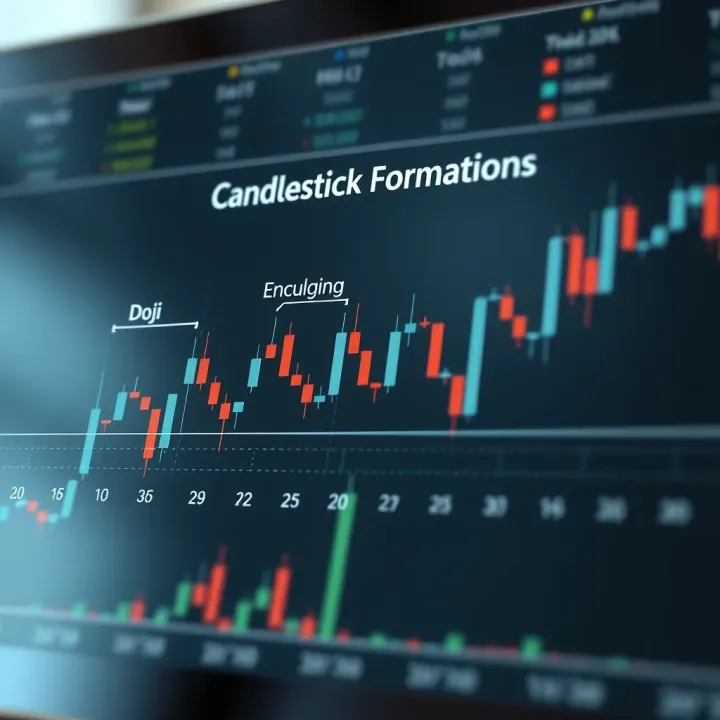
The Doji candlestick appears when the open and close prices are almost the same, resulting in a very small or no body. It indicates market indecision, where buyers and sellers are evenly matched. For example, if you spot a Doji after a strong uptrend on the Nifty 50 chart, it could signal that bullish momentum is fading and a reversal might be near. Though it doesn't guarantee a trend change, the Doji invites traders to watch closely for confirmation from following candles.
Both these candlesticks have small bodies and long lower shadows but differ in where they appear in a trend. The Hammer forms after a downtrend and suggests a potential bullish reversal, as sellers pushed price down but buyers drove it back up by close. Conversely, the Hanging Man appears after an uptrend and warns of a possible bearish reversal since despite the buying pressure, sellers showed strength during the session. For instance, in the Indian stock market, spotting a Hammer on a Reliance Industries chart after a prolonged fall can alert traders about a buying opportunity.
These shapes are like reversed Hammers with long upper shadows. A Shooting Star after an uptrend indicates resistance and potential selling pressure, hinting the bulls might be tiring. It’s a useful warning sign on stocks like Tata Motors when a rally looks stretched. In contrast, the Inverted Hammer appears after a downtrend, suggesting buyers are trying to gain control. Neither confirms reversal alone but urges traders to watch the next candles carefully.
In an Engulfing pattern, one candle fully covers the body of the previous candle, signaling strong buying or selling interest. A Bullish Engulfing after a downtrend shows buyers overpowering sellers, hinting at a rally. For example, ITC stock might display this pattern signaling a bounce. Bearish Engulfing after an uptrend suggests sellers are gaining control; a warning to consider booking profits or tightening stops.
These are three-candle patterns marking trend reversals. A Morning Star signals a bullish reversal after a downtrend: a small-bodied candle between a long bearish and a strong bullish candle. It's like a day of pause before bulls take charge. Conversely, an Evening Star after an uptrend shows hesitation followed by selling pressure, hinting at a downturn. Recognising these on charts like Infosys can help traders time entries and exits more effectively.
These patterns consist of three consecutive candles moving steadily in one direction. Three White Soldiers feature three long bullish candles after a downtrend, signalling solid recovery and bullish strength. Three Black Crows, with three methodical bearish candles, indicate sustained selling and a potential reversal after an uptrend. Watching these patterns on indices like Sensex helps confirm strong trend shifts rather than isolated moves.
Basic candlestick patterns don’t guarantee trades but act as early signals, helping you read the market’s mood. Using them with volume and other indicators improves reliability.
By getting familiar with these patterns, you can spot potential turning points and act with better timing, a valuable edge especially for beginners navigating the Indian stock market. Remember, practice and context always matter when using candlestick patterns in real trading.
Understanding how to interpret candlestick patterns strengthens your ability to make informed trading moves. These patterns don't just show price action; they tell stories about market psychology and the balance between buyers and sellers. Interpreting them correctly helps confirm ongoing trends and spot possible reversals, which is vital for timing your trades accurately.
Trend continuation signals indicate that the current market direction is likely to keep going. For instance, in a rising market, consecutive bullish candlesticks with higher closes can signal sustained buying pressure. Patterns like the "Three White Soldiers" – where three long green candles appear one after another – suggest strong bullish momentum that might continue. Traders can use these signs to hold their positions or add to their investments.
Conversely, during a downtrend, a series of bearish candles with lower lows and closes can confirm the downtrend. Recognising these signals early helps you avoid exiting too soon and gives you more confidence to stay on course. It's essential to watch for support and resistance levels alongside these patterns for stronger confirmation.
Reversal patterns mark a potential change in market direction. Examples include the "Hammer" or "Shooting Star" candlesticks, which show a rejection of a price level and hint at buyers or sellers stepping in strongly. For instance, in an uptrend, a Shooting Star – a candle with a small body and a long upper wick – suggests that buyers tried to push prices higher but sellers gained control, potentially reversing the trend.
Spotting reversals early can save you from losses or give you a chance to enter at favourable prices. That said, relying solely on the candlestick shape without considering volume or market context can mislead you. Hence, confirming reversals with other tools remains crucial.
Volume shows how many shares or contracts changed hands during a period, acting as a reality check for candlestick patterns. A sharp price move on low volume may not carry much weight, while the same move on high volume signals genuine conviction by market participants. For example, a bullish engulfing candle accompanied by above-average volume confirms strong buying interest, rather than just a short-lived spike.
Ignoring volume can lead you to false signals. For traders, volume indicates liquidity and the strength behind price action, helping distinguish between genuine moves and market noise.
When a reversal or continuation pattern appears, check volume to confirm its reliability. Rising volume alongside a trend continuation pattern signals that momentum is backed by real participation. Similarly, a reversal pattern paired with a volume spike improves the chances that the new trend will follow.
For instance, a Morning Star pattern – a bullish reversal – gains credibility when volume surges on the third candle. This means buyers have stepped in decisively, increasing the likelihood of an upward move. Traders should combine volume insights with candlestick analysis to avoid entering on shaky signals.
Always consider volume alongside candlestick patterns to filter out noise and improve trade timing.
By interpreting candlestick patterns along with volume and broader market context, you improve your chances of making smarter trading decisions. This combined approach is essential for beginners learning to read price charts effectively.
Many beginners jump into trading with candlestick patterns, hoping to find quick signals for buying or selling. However, an overreliance on these patterns without considering the wider market context often leads to costly mistakes. Understanding these common pitfalls can save you from unnecessary losses and sharpen your trading strategy.
The risk of ignoring overall market conditions
Candlestick patterns show price action over a period, but they don't tell the full story alone. Ignoring broader market trends or economic developments is risky. For instance, spotting a bullish hammer pattern in a choppy market does not guarantee a price rally. Without considering factors like nearby news, sector performance, or global cues, such a trade might fail. Markets can remain irrational longer than anticipated, and patterns may not play out as expected.
Importance of support and resistance levels
Support and resistance levels act like invisible walls where price tends to pause or reverse. Checking these levels alongside candlestick signals improves their reliability. For example, a bullish engulfing pattern near a strong support level often signals a genuine bounce. Conversely, the same pattern away from key levels might just be market noise. Ignoring these levels can mean entering trades without real backing, increasing chances of losses.
Setting stop-loss points
No matter how convincing a candlestick pattern looks, the market can move unpredictably. Setting a stop-loss order limits potential losses if the trade goes against you. A beginner might spot a morning star pattern and enter a position without a stop-loss, risking infinite downside. By placing a stop-loss just below the recent swing low, you protect your capital and avoid emotional decision-making during sudden dips.
Position sizing and discipline
Even good patterns fail sometimes, so managing how much to invest per trade is crucial. Risking too much in one position can wipe out gains or account balance quickly. For example, allocating 2-3% of your trading capital per trade gives room to absorb losses and stay in the game longer. Discipline in sticking to position sizing rules separates successful traders from hopeful amateurs who gamble recklessly.
Trading candlestick patterns without context or risk controls is like driving blindfolded. You might make it far occasionally but will likely crash sooner or later.
Always combine candlestick signals with market context and clear risk management to trade smarter and protect your money.
Candlestick patterns are more than just shapes on a chart; they help traders and investors get a quick feel of market sentiments. In India, where the stock market combines global influences with local economic factors, using candlestick patterns effectively can give you an edge while analysing price movements. Applying these patterns to Indian stocks and indices such as the Nifty 50 and Sensex enables strategic decision-making tailored to our market’s distinct dynamics.
The Nifty 50 and Sensex represent the heartbeat of India’s equity market. Traders watching these indices often spot patterns like Bullish Engulfing or Morning Star formations during earnings season or macroeconomic announcements. For example, a Hammer pattern appearing near a support level in the Nifty 50 may hint at a potential reversal, especially if accompanied by rising volume. Such signals help you time your entry or exit better in popular stocks like Reliance Industries, HDFC Bank, or TCS.
Sector performance also impacts how candlestick patterns unfold. While a Shooting Star in a technology stock like Infosys might suggest cautious selling, the same pattern in a cyclicals-heavy sector such as automobile stocks (Maruti Suzuki, Tata Motors) could point to different market emotions. So, understanding these nuances ensures you don’t just rely on the pattern alone but factor in the broader index and market mood.
Indian stock sectors behave differently depending on economic trends, regulatory moves, and global factors. For instance, pharmaceutical and FMCG sectors typically show steady patterns due to consistent demand, while IT and banking sectors might exhibit volatility reflecting global tech trends or monetary policy shifts.
When candlestick patterns line up with sector fundamentals, your analysis becomes sharper. Take an Evening Star pattern emerging in FMCG stocks like Hindustan Unilever; it could signal a short-term pullback during a festival season. Conversely, the same pattern in the banking sector might reflect RBI’s rate changes impacting lending activity. Prioritising sector context helps avoid costly mistakes caused by treating all stocks the same.
India’s trading ecosystem is rich with apps and platforms offering real-time data and advanced charting features, making candlestick analysis more accessible. Popular mobile apps like Zerodha Kite, Upstox, and Groww provide clean, interactive candlestick charts tailored for Indian stocks. Their user-friendly design suits beginners who want to identify patterns without getting overwhelmed by technical jargon.
On the desktop side, software like MetaTrader, TradingView, and domestic offerings from NSE and BSE come with a variety of indicators plus candlestick features. By combining volume data, moving averages, and candlestick patterns on these platforms, you get richer insights. For instance, spotting a bullish breakout on TradingView’s chart with volume surge can prompt faster, informed trades.
Remember: Candlestick patterns reveal potential moves but pairing them with sound tools and market knowledge ensures your trading decisions in India’s stock market are grounded and timely. Practising regularly on these platforms sharpens your ability to read charts confidently.
📈 Learn to spot and use multi candlestick patterns for smarter trading decisions in India’s markets. Master trend prediction and reversals today! 🔍
📈 Learn how breakout candlestick patterns signal key price moves beyond support or resistance, helping traders spot trend shifts, avoid false breakouts, and manage risk wisely.

📈 Understand basic candlestick patterns for smarter trading decisions. Learn how to read market trends, interpret signals, and get a handy PDF guide for quick reference.
📈 Learn to spot key bullish candlestick patterns to identify upward price moves confidently. Combine these insights with other tools for smarter trading decisions.
Based on 14 reviews