
Most Profitable Candlestick Patterns in Trading
📈 Explore top candlestick patterns and learn to spot profitable trades in varied market conditions. Master these tools to sharpen your trading skills today!
Edited By
Grace Simmons
Candlestick patterns have become indispensable in day trading. They give traders a quick snapshot of price movements and market sentiment within short timeframes. Understanding these patterns helps you spot trends, reversals, and potential breakouts before others do.
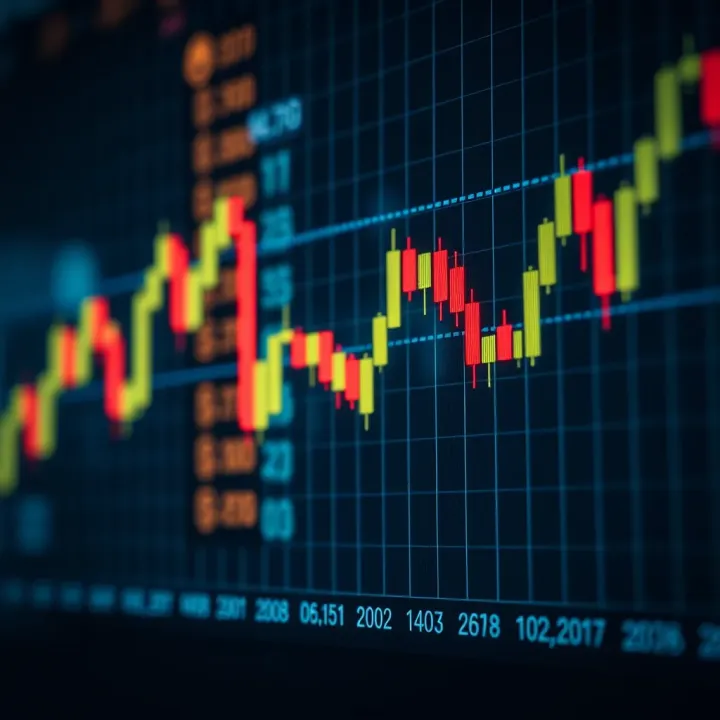
At the heart, a candlestick chart displays the opening, closing, high, and low prices for each time segment—like 5 minutes or 15 minutes in day trading. The candlestick’s body shows the open-to-close price range, with different colours (usually green for bullish and red for bearish) signalling the direction. Thin lines above and below, called wicks or shadows, represent price extremes.

Recognising specific candlestick formations lets you anticipate where the market could head next, which is invaluable when you have only minutes to make decisions.
Some key patterns to watch for include:
Bullish Engulfing: A small red candle followed by a bigger green candle that 'engulfs' the first. This suggests buyers are taking control.
Bearish Engulfing: The opposite, signalling a potential downward reversal.
Doji: When open and close prices are nearly the same, showing market indecision.
Hammer and Hanging Man: Both have small bodies with long lower wicks. The hammer at the bottom of a downtrend signals a possible reversal upwards; the hanging man at the top warns of a downturn.
When combined with volume or support and resistance levels, these patterns become stronger signals. For example, a bullish engulfing pattern near a previous support zone is more reliable.
In this guide, we’ll break down these patterns and show how to use them practically. We’ll also discuss managing risks so you don’t get caught out by false signals.
Before moving on, remember: candlestick analysis is most effective when used alongside other tools like moving averages or RSI (Relative Strength Index). Relying on patterns alone can be risky, especially in volatile markets.
With that foundation, you’re ready to explore how candlestick patterns can improve your trading decisions day by day.
Understanding candlestick charts is an essential step for any day trader aiming to make quick, informed decisions. These charts provide a visual picture of price action within a specific time frame, allowing traders to capture subtle cues about market behaviour that other chart types might miss. Unlike simple line charts, candlestick charts detail not just where the price ends up, but how it reached there, which is key for short-term trading.
Each candlestick is made up of three parts: the body, the wick, and shadows. The body shows the opening and closing prices for the period, while the wicks (also called shadows) extend above and below the body, marking the high and low prices. For example, a candlestick with a small body but long upper wick indicates buyers pushed prices higher intraday, but sellers eventually drove it back down before the close.
Understanding these components helps traders read market strength or weakness within that timeframe. In an intraday context, a long lower wick shows buyers stepping in after prices dipped, which might signal support. Meanwhile, a short wick and a large body suggest strong momentum either up or down.
Colours serve as a quick reference to whether prices rose or fell during the period. Typically, a green or white body means the close was higher than the open — bullish sentiment. Conversely, a red or black body indicates the close was lower than the open, signalling bearish pressure.
For day traders, spotting a sudden colour change after a series of green candles, for example, could mark a near-term reversal. But the colour alone isn't enough. It needs to be paired with body size and wick length to assess if the change reflects real buying or selling interest.
One reason traders prefer candlestick charts is their superior visual clarity over simple line charts. While line charts connect only closing prices, candlesticks display the full price action range, unveiling intraday volatility and patterns that line charts smooth over.
This clarity helps day traders understand market dynamics at a glance, allowing faster reaction to shifts. For instance, a quick sequence of small-bodied candles with long wicks might warn of indecision or consolidation — a cue to be cautious before a breakout.
Candlestick patterns communicate market sentiment efficiently. A cluster of consecutive green candles with higher highs shows bullish control. In contrast, frequent red candles with long lower wicks can indicate selling pressure but also potential buying support waiting to emerge.
By mastering candlestick reading, traders get a feel for the tug of war between buyers and sellers during the trading day. This insight assists in timing entries and exits better than relying on lagging indicators alone.
Candlestick charts reveal detailed price storylines in a way that’s easy to follow even in the fast-moving world of day trading. Knowing how to read each element puts you ahead in spotting opportunities and risks quickly.
In summary, grasping the components and colour cues of candlesticks, along with their superior visual detail, equips day traders with practical tools to interpret market movements in real time. That foundational knowledge makes spotting key patterns and reading sentiment simpler, helping you trade smarter and with more confidence.

In day trading, recognising key candlestick patterns helps you anticipate market moves efficiently. These patterns highlight potential shifts in market sentiment, allowing traders to make timely decisions about entering or exiting trades. Whether you spot a reversal or continuation pattern, understanding these signals improves your edge, especially when trading volatile stocks or indices like the Nifty 50.
A Doji forms when a candle’s opening and closing prices are nearly equal, creating a thin or no body with long wicks. This reflects indecision in the market, where buyers and sellers are roughly balanced. For example, after a steady uptrend, a Doji suggests uncertainty and a possible reversal or pause. However, it should be confirmed by subsequent candles or volume changes before acting.
Both these candles share a similar shape: small bodies with long lower wicks. A Hammer appears after a downtrend, signalling buyers stepping in and a possible reversal upward. Conversely, a Hanging Man shows up after an uptrend, warning of potential weakness despite a close near the high. In either case, confirmation from the next candle is vital to avoid false signals.
This candle has a small body with upper and lower wicks of nearly equal length, indicating market indecision. If you see a Spinning Top after a strong trend, it signals that momentum may slow or reverse soon. Traders can use this as a hint to tighten stops or prepare for a change, especially when volume supports this view.
Engulfing patterns, either bullish or bearish, feature one candle completely swallowing the previous candle’s body. A bullish engulfing after a downtrend suggests strong buying interest, while a bearish engulfing after an uptrend signals selling pressure. Such patterns tend to provide clearer reversal signals than single candles, making them popular among traders looking for reliable turnarounds.
These are three-candle patterns signaling potential trend reversals. A Morning Star appears at a downtrend’s bottom and consists of a long bearish candle, followed by a small indecisive candle, then a strong bullish candle. The opposite, an Evening Star, forms at an uptrend’s peak. Recognising these helps you catch trend changes early, offering good entry or exit points.
Harami means “pregnant” in Japanese. In this pattern, a small candle forms entirely within the previous large candle’s body. A bullish Harami occurs after a downtrend and hints at a slowing sell-off. A bearish Harami appears after an uptrend and warns of weakening buys. Since Haramis are subtle, traders often wait for confirmation such as volume spikes or follow-up candles.
These multi-candle patterns show a brief pause or consolidation within a strong trend. In the Rising Three Methods, small bearish candles consolidate within the range of two strong bullish candles, hinting the uptrend will continue. The Falling Three Methods is the bearish counterpart, signalling continuation of a downtrend despite short pullbacks.
Three White Soldiers consist of three consecutive long bullish candles with small wicks, marking strong buying momentum and trend continuation. The opposite is Three Black Crows - three long bearish candles signalling continued selling pressure. Spotting these patterns lets you ride the tide confidently rather than mistaking temporary corrections for reversals.
Recognising these candlestick patterns helps you see the market’s next likely move clearly, but always combine this knowledge with volume and other indicators to confirm signals before making trades.
Applying candlestick patterns during live trading sessions gives you an edge by offering immediate insights into price action and market sentiment. These patterns serve as signals to make quick decisions—entering or exiting trades with reduced guesswork. However, relying solely on candlestick visuals without confirmation from other indicators or volume data can lead to false signals. That’s why combining these patterns with additional tools sharpens your trading strategy.
Volume shows how many shares or contracts change hands and reflects trader interest. A candlestick pattern accompanied by high volume usually signals stronger conviction. For example, if a bullish engulfing pattern forms during a spike in volume, it suggests genuine buying interest, increasing the chance of a sustained upward move. On the other hand, the same pattern on low volume might be less reliable.
Volume acts as a second voice verifying candlestick signals. Ignoring it might mean mistaking noise for meaningful change. Many Indian traders use volume indicators available on platforms like Zerodha Kite or Upstox to cross-check pattern reliability in real time.
Moving averages smooth out price data and highlight overall trend direction. When a candlestick pattern forms near a key moving average—say the 20-day SMA (Simple Moving Average)—it adds context to the signal. A hammer candlestick near the 20-day SMA bounce can suggest a stronger support level.
The Relative Strength Index (RSI) measures overbought or oversold conditions. If a reversal pattern appears while RSI reads below 30 (oversold), it provides more confidence that the market may turn up soon. Conversely, if the RSI is above 70 (overbought) during a bearish pattern, it could confirm upcoming weakness.
Stop-loss is vital for limiting losses in day trading. Candlestick patterns help here by setting logical points for stops. For instance, after spotting a bullish engulfing candle, many traders place their stop just below the lowest wick of that pattern. The reasoning is if price falls below this level, the pattern’s bullish signal is invalidated, so exiting promptly controls risk.
This method prevents arbitrary stop levels and uses recent price action as a natural reference. It suits dynamic markets like the NSE or BSE where prices can swing rapidly during the day.
Profit targets depend on the pattern’s typical price movement and surrounding market conditions. Take the three white soldiers pattern, a strong bullish signal; traders often measure the average length of these candles and project a target equal to that size above the entry point.
Alternatively, combining the candlestick pattern with resistance levels or pivot points helps fix realistic exit points. For example, after a morning star reversal near a support zone, setting profit target near the next known resistance can prevent premature exits or greed-driven losses.
In live trading, the secret lies in integrating candlestick signals with volume, moving averages, RSI, and price action to make smart choices. Relying on a single tool rarely works in India's volatile markets.
Using these techniques regularly improves decision-making speed and quality, giving you a better chance to profit consistently.
Managing risk is an essential part of day trading, especially when using candlestick patterns as entry or exit signals. Candlestick analysis can offer valuable clues about market sentiment, but relying solely on patterns without a solid risk framework can lead to avoidable losses. Understanding how to control risk helps traders protect capital, stay disciplined, and make well-informed decisions under pressure.
Overreliance on patterns without confirmation
Candlestick patterns should not be taken at face value without additional confirmation. For example, spotting a Hammer pattern might suggest a possible bullish reversal, but if volume stays low or the broader trend is weak, the pattern alone may mislead. Many traders jump into trades just because the chart shows a pattern, ignoring other technical indicators or market fundamentals. This can result in premature entries and losses.
Confirming patterns with volume spikes, trend lines, or oscillators like the Relative Strength Index (RSI) strengthens the reliability of signals. For instance, an Engulfing pattern paired with a surge in volume and confirmation from a moving average crossover offers greater confidence to enter a trade.
Ignoring market context
Candlestick patterns gain meaning only when viewed within the bigger market picture. Trading a Morning Star pattern in the middle of a strong downtrend without recognising the overall bearish momentum can lead to wrong calls. The context includes factors like market trend, economic news, and global events. For example, intraday candlestick signals on the Nifty 50 during volatile earnings seasons or RBI announcements need extra caution.
Context also relates to timeframes. A pattern valid on a 15-minute chart might conflict with the trend seen on hourly or daily charts. Ignoring this can cause confusion and wrong timing.
Using stop-loss and position sizing
Effective risk management starts with placing stop-loss orders at logical points based on candlestick formations. For example, in case of a bullish Hammer reversal, setting a stop-loss just below the candle's low limits downside risk if the market goes against the trade. Proper position sizing ensures that even if the stop-loss is hit, the loss remains within a small percentage of your trading capital.
Using a fixed percentage risk per trade, such as 1-2% of your total capital, prevents large drawdowns. Day traders should combine this with quick exits when signals fail, rather than holding on hoping for a reversal.
Maintaining discipline and avoiding emotional trades
Emotions often derail even well-planned trades. Impatience might push you to enter a trade before a candlestick pattern completes, or fear can make you exit early. Sticking to a predefined trading plan that includes criteria for entering and exiting based on candlestick patterns helps maintain discipline.
For example, waiting for the full formation of an Evening Star pattern before selling avoids premature decisions. Journalling trades and reviewing errors also builds awareness about emotional biases, enabling better control over reactions.
Managing risk with candlestick patterns isn’t just about avoiding losses—it’s about sustaining long-term profitability and confidence in your trading strategy. Stay sceptical about lone signals, factor in the larger context, and always protect your capital with sensible stop-losses and position sizes.
📈 Explore top candlestick patterns and learn to spot profitable trades in varied market conditions. Master these tools to sharpen your trading skills today!

📊 Explore common candlestick patterns in trading with this comprehensive guide. Learn how to read, interpret, and apply them for smarter market decisions.

📈 Discover how to read market candlestick patterns for smarter trading decisions. Learn key patterns, meanings, and practical tips to boost your financial market skills.

Learn how to read candlestick patterns in stock & forex trading 📈, with clear tips and HD PDF guides for sharper decisions and smarter investments 📚.
Based on 12 reviews