

Guide to Key Bullish Candlestick Patterns
📈 Learn to spot key bullish candlestick patterns in Indian and global markets to time your stock purchases better and enhance your trading strategy effectively.
Edited By
Emily Foster
Candlestick patterns have become an essential tool for traders and investors looking to understand market trends and potential reversals. Originating from Japanese rice merchants centuries ago, these patterns visually represent price action for a specific period, combining opening, closing, high, and low prices into a single bar. Recognising these patterns helps you make better trade decisions across stocks, forex, and commodities markets.
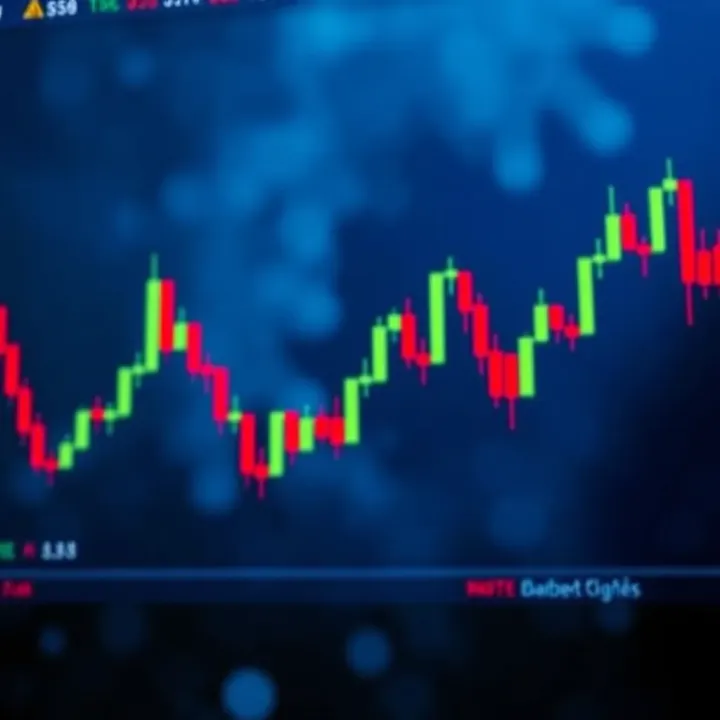
Unlike simple line charts, candlesticks give much richer information on market sentiment. For example, a long-bodied green (or white) candlestick indicates strong buying pressure, while a long red (or black) one shows strong selling. In the Indian context, where markets can be volatile during earnings season or geopolitical events, spotting these signals early can be quite valuable.

Candlesticks come in various formations — single, double, and triple patterns — each with different implications. A single candlestick like the "Doji" signals indecision, meaning buyers and sellers are almost evenly matched. On the other hand, double candlestick patterns such as "Engulfing" or "Harami" provide clues about potential trend reversals or continuations.
Meanwhile, triple candlestick formations like "Morning Star" or "Evening Star" tend to have stronger predictive power. For instance, the Morning Star pattern flagged certain recoveries in Indian stocks during the volatile periods in 2020, aiding traders to time entry points effectively.
Understanding these patterns is more than memorising shapes. It involves seeing how market psychology shifts at each stage, especially in Indian markets where factors like monsoons, RBI policy changes, or global cues have big impact.
To navigate candlestick analysis efficiently:
Start by identifying the pattern type (single, double, triple).
Observe the candlestick size and shadow lengths for strength indications.
Combine patterns with volume analysis to confirm moves.
Use them alongside other technical tools like moving averages or RSI.
This approach can improve your ability to forecast price moves more reliably, helping you stay ahead in the competitive Indian trading environment.
Candlestick patterns form the backbone of many traders' technical analysis toolkit. These chart shapes help capture market sentiment and forecast possible price moves. Understanding them gives you an edge, especially in volatile markets like Indian equity, commodity, or forex trading.
Candlestick patterns are specific formations created by one or multiple candlesticks on price charts. Each 'candlestick' represents price action over a set period—could be a minute, an hour, or a day. Patterns arise based on the open, high, low, and close prices and how these candles relate to each other. For instance, a well-known single candlestick pattern is the "Hammer", which often signals a potential reversal after a downtrend.
These patterns aren't just visual fluff; traders use them alongside indicators like RSI or moving averages to make buy or sell decisions. For example, spotting a Bullish Engulfing pattern on a Nifty 50 stock chart near support levels can indicate a possible upward move. Essentially, they help simplify complex market psychology into readable signals that anyone can interpret with practice.
A candlestick has a body and shadows (wicks). The body shows the difference between opening and closing prices, while the shadows indicate the extremes—high and low—during the timeframe. A green or white body means closing price was higher than opening (bullish), while a red or black body means the opposite (bearish). Grasping these basics lets you understand more complex patterns since all of them are combinations or variations of these simple elements.
Remember, no single candle can guarantee a market move. Instead, patterns work better when confirmed by volume or other technical signs.
Knowing these basics equips you to decode charts more confidently. This understanding lays the groundwork before learning about specific single, double, and triple candlestick formations covered later. With this, you can navigate Indian markets more confidently, from Sensex stocks to commodities like gold or crude oil.
Single candlestick patterns are the simplest yet powerful tools that traders use to gauge immediate market sentiment. They provide quick snapshots of how buyers and sellers battle out within a trading session. Recognising these patterns helps you make timely decisions, especially when trading on intraday charts or when confirming trends in stock, commodity, or forex markets.
A Doji represents indecision between bulls and bears, where the opening and closing prices are almost identical. Though it looks simple, spotting a Doji on your chart can signal that the current trend is losing steam and a reversal might be around the corner. For example, if the market has been bullish and a Doji forms, traders often become alert for a potential pullback.
The standard Doji has a small or non-existent body with upper and lower shadows that are roughly equal. This shows that neither buyers nor sellers gained control during the trading period. For instance, if Nifty has been climbing steadily and a Doji appears, it hints that the upward momentum could pause or change direction. However, Dojis alone don’t confirm a trend shift; you need to see subsequent candles or other indicators to decide.
The Dragonfly Doji has a long lower shadow but little to no upper shadow and almost no real body, indicating that sellers pushed prices down substantially but buyers managed to bring the price back near the open by close. This pattern often appears after a downtrend and suggests that bulls might be stepping in. On a volatile day in the forex market, spotting a Dragonfly Doji may warn you that the downward pressure is fading and prices could soon rise.
Conversely, the Gravestone Doji features a long upper shadow with little or no lower shadow and minimal body, implying buyers tried pushing prices up but sellers brought them down near the open. Often forming after an uptrend, this candle warns that buying strength is dwindling and a bearish reversal might follow. For example, in commodity markets like gold, seeing this pattern could prompt traders to book profits or place stop losses cautiously.
(This section is yet to be written.)
(This section is yet to be written.)
Doji candles serve as early warnings—they don't tell the full story but encourage you to watch the price action carefully.
By keeping an eye on these common single candlestick patterns, you get handy clues about market psychology without waiting for complex formations. They allow faster judgement calls, which is often needed in the fast-moving Indian equity or currency markets. Combine these signals with volume analysis or RSI for more reliable trades.
Double candlestick patterns offer a clearer view of market sentiment compared to single candlesticks. Traders often rely on these because they capture changes in momentum and potential reversals with more reliability. Understanding these patterns helps you make better decisions on entries and exits.
The Bullish Engulfing pattern signals a possible rise, especially when it appears after a downtrend. It consists of two candles: the first is small and bearish (shaded), followed by a larger bullish candle that completely covers the first’s body. This indicates strong buying interest pushing prices higher.
For example, imagine Reliance Industries shares dipping steadily. When the Bullish Engulfing appears, it might suggest buyers are stepping in, hinting at a potential rally ahead.
On the flip side, the Bearish Engulfing occurs at the top of an uptrend and suggests a fall. Here, a small bullish candle is overtaken by a larger bearish candle, exposing sellers' strength. In practice, spotting this pattern in a stock like TCS during an upwards move might warn of upcoming downward pressure.
The Piercing Line pattern suggests a bullish reversal during a downtrend. The first candle is bearish, followed by a bullish candle that opens below the previous low but closes above its midpoint. This partly recovers losses, indicating buyers gaining control.
Conversely, the Dark Cloud Cover signals bearish reversal after an uptrend. The first candle is bullish, and the second opens higher but closes below the first candle’s midpoint. This drop shows sellers overtaking buyers, possibly pushing prices lower.
For an Indian trader, recognising Piercing Line in a commodity like gold could mean planning to buy on a dip, while seeing Dark Cloud Cover in FMCG stocks might mean preparing for a price correction.
Tweezer Tops hint at a bearish reversal and occur when two candles have similar highs, showing resistance around the same price level. This pattern suggests that bulls attempted to push prices higher twice but failed, implying sellers are winning.
Tweezer Bottoms are their bullish counterparts, marked by similar lows across two candles after a downtrend. This signals strong support and potential bounce-back.
For instance, if Infosys shares form a Tweezer Tops pattern around a resistance zone, traders might consider booking profits or tightening stop-losses. Meanwhile, a Tweezer Bottom pattern on an index like Nifty 50 can guide investors to buy with better confidence.
Double candlestick patterns like these often give clearer signals than single candles, helping traders spot momentum changes early. However, combining them with volume or RSI adds more assurance before making trades.
To make the most of these patterns, study their formation context carefully and verify with other technical indicators. This approach reduces false signals, improving trading accuracy in volatile markets like NSE or BSE.
Triple candlestick patterns offer a nuanced view of market sentiment compared to single or double formations. They take into account price action over three sessions, giving traders a clearer indication of trend reversals or continuations. Given their complexity, these patterns tend to hold more weight in technical analysis, especially for those trading equities on the NSE or commodities on MCX. Understanding these patterns is useful for spotting significant market moves early, reducing exposure to false signals.
The Morning Star is a bullish reversal pattern found at the end of a downtrend. It starts with a long bearish candle, followed by a smaller candle that gaps down, signalling indecision. The third candle is a strong bullish one, closing well into the first candle's body. For example, in the stock of Reliance Industries, spotting a Morning Star after a prolonged dip can hint at a fresh buying opportunity.
Conversely, the Evening Star signals a bearish reversal at the conclusion of an uptrend. This pattern also begins with a long bullish candle, followed by a small-bodied candle that gaps above, showing market hesitation. The third candle is a strong bearish candle closing deep into the first candle’s area. Traders using this pattern may consider booking profits or setting stop-losses on long positions.
Morning and Evening Stars are invaluable for timing entry and exit in volatile Indian markets, notably during earnings seasons or policy announcements from RBI.
Three White Soldiers is a bullish pattern forming after a downtrend, consisting of three consecutive long green candles, each closing higher than the last. It reflects steady buying pressure, often triggering confidence in a sustained uptrend. For instance, ITC Ltd’s stock showing this pattern after a correction could attract buyers anticipating further price rise.
In contrast, Three Black Crows represent a bearish reversal after an uptrend. It involves three consecutive long red candles, closing progressively lower, reflecting mounting selling pressure. This pattern might warn traders in the Nifty 50 index to consider caution or initiate hedging strategies.
The Three Inside Up is a subtler bullish reversal pattern seen when a small bearish candle is followed by a larger bullish candle that engulfs it, and then a third bullish candle confirming the upward move. It signals a shift from selling to buying momentum. For Indian stock traders, this pattern provides early signals before a strong rally.
Three Inside Down is the bearish counterpart, featuring a small bullish candle trapped inside the previous bearish candle’s body, followed by a third bearish candle confirming downward momentum. This helps traders spot early sell signals, which is crucial during uncertain market conditions like global trade tensions affecting Indian exports.
By recognising these triple candlestick patterns, Indian traders can better anticipate market turns and plan trades with greater confidence, especially when combined with volume analysis or RSI.
Understanding these triple candlestick formations enriches your toolkit for technical analysis, especially for medium-term positions where single or double patterns might lack conviction. Always consider these patterns alongside other indicators and market context to avoid misinterpretation.
Candlestick patterns offer useful clues about market sentiment, but they work best when combined with broader analysis. Just spotting a pattern doesn’t guarantee success; understanding context and applying complementary tools can improve your trade decisions.
Candlestick signals become more reliable when paired with other technical indicators. For example, using Relative Strength Index (RSI) or Moving Averages can confirm whether a bullish engulfing pattern aligns with an oversold market or an upward trend. If a Morning Star appears at a strong support level confirmed by Fibonacci retracement, it strengthens the chance of a bounce. Relying on one indicator alone can lead to false signals, so combining volume analysis or Bollinger Bands alongside candlestick patterns can help filter out noise.
Many traders jump on candlestick signals without checking the larger trend or ignoring pattern confirmation. A common pitfall is mistaking short-term wicks or shadows for reversal signals without seeing if they follow through. Also, using patterns without considering market conditions—like choppy or sideways markets—often leads to losses. Be wary of patterns forming on low-volume days, especially in less liquid stocks or commodities, as they may not reflect true market sentiment. Always wait for the next candle to confirm the pattern before making a trade.
Remember, candlestick patterns are not magic spells; they only show possibilities, not certainties.
Indian traders face unique challenges, such as intraday volatility in markets like NSE or BSE and the impact of global cues on domestic stocks. Seasonal factors like monsoons or quarterly results can also sway trends abruptly. Keeping an eye on these alongside candlestick patterns is vital. Use trading platforms like Zerodha or Upstox, which provide integrated charts with indicators, helping you combine patterns easily. Also, consider the time frame relevant to your goals; day traders might rely on 5-minute charts, while long-term investors focus on daily or weekly candlesticks. Finally, India-specific events like RBI announcements or budget updates often trigger strong market moves that override technical signals—staying updated helps you avoid unpleasant surprises.
Using candlestick patterns effectively involves more than memorising shapes. Thinking critically, blending tools, and adapting to your trading environment increase your chances of interpreting the markets accurately and making sound decisions.
📈 Learn to spot key bullish candlestick patterns in Indian and global markets to time your stock purchases better and enhance your trading strategy effectively.

Learn how to read candlestick patterns in stock & forex trading 📈, with clear tips and HD PDF guides for sharper decisions and smarter investments 📚.

Discover powerful candlestick patterns 📈 key for stock & forex trading. Learn to spot market sentiment, avoid errors & access a handy PDF guide 📄.

📉📈 Explore key candlestick patterns traders trust worldwide to gauge market mood and predict moves. Learn bullish, bearish signals, and smart tips for timing trades!
Based on 9 reviews