

Best Time for Intraday Trading in Indian Stock Markets
📈 Discover the best time frames for intraday trading in Indian stock markets to boost profits and manage risks effectively. Learn key sessions and tips for success.
Edited By
Henry Collins
Demo trading apps provide a practical way to learn investing and trading in the Indian stock market without risking real money. These platforms simulate market conditions using virtual funds so beginners can understand how stock prices move, place trades, and test strategies safely.
Users get a realistic experience of trading on popular exchanges such as the NSE or BSE, but instead of putting ₹10,000 or ₹1 lakh at risk, they use virtual money that can be replenished anytime. This means you can experiment freely to see what works without worrying about losses.

Many successful traders recommend demo trading first as it sharpens decision-making skills while familiarising you with app features and order types like limit, market, or stop loss.
Here are some key benefits of demo trading apps:
Risk-free practice: Learn buying and selling without losing capital
Understand market mechanics, timing, and volatility
Get used to trading platforms like Zerodha Kite, Upstox, or Angel Broking app
Test your trading strategy in real market-like conditions
When choosing a demo app, look for:
Real-time market data reflecting NSE/BSE prices
Easy-to-use interface with fast order execution
Availability of various asset classes like stocks, commodities, and indices
Tools for charting, technical analysis, and portfolio tracking
On top of the features, check if the app updates regularly to mirror actual market movements, including events like dividend payouts or corporate announcements.
In India, demo apps suit freshers, students preparing for finance exams, or anyone gearing up for live trading, especially during festive sales or market volatility periods.
Overall, these apps act as a bridge between theoretical knowledge and real-world trading. By practising on demo platforms, you build confidence and reduce emotional mistakes when you trade with real money later on.
Understanding demo trading apps is essential for anyone interested in Indian equity markets, especially beginners and budding investors. These apps provide a platform where you can practice trading shares with virtual money, mimicking real market conditions without risking actual funds. This opportunity allows users to grasp market mechanics early on, which can be confusing given the complexity of terms like derivatives, futures, and margin trading common in the Indian stock market.
A demo trading app is essentially a simulator that replicates the trading environment of real stock exchanges such as NSE and BSE. It operates with fictional money credited to your account, letting you buy and sell stocks, commodities, or derivatives. The key is that the prices shown are either real-time market data or realistic simulations based on actual market movement patterns.
For example, Zerodha’s Kite platform offers a demo mode where users can try out their strategies using ₹1,00,000 virtual cash. When you place an order through the app, the system processes it like a live order but without actual financial risk. This way, you learn the practical aspects of trading such as order types, stop-loss, and risk management.
Demo trading forms the backbone of learning for new investors in India’s stock market. It helps in understanding how share prices fluctuate during the day, how market orders work, and how brokerage fees and taxes like Securities Transaction Tax (STT) affect profitability. For instance, a student preparing for competitive exams like CA or CFA can also use demo apps to reinforce theoretical knowledge through practical exposure.
Moreover, it builds confidence by allowing you to experiment with different investment instruments such as equity shares, ETFs, or derivatives without pressure. Over time, by tracking your trades and analysing outcomes in the demo account, you can refine your strategies and recognise market trends better. This experience is invaluable before moving on to live trading where real money and emotions come into play.
Using demo trading apps helps bridge the gap between textbook knowledge and actual market behaviour. It equips you to face real trading challenges with better judgement and less panic.
Overall, understanding the role and functioning of demo trading apps is the first step for anyone keen on exploring India’s equity markets efficiently and safely.

Demo trading apps offer Indian investors a safe space to learn the ropes without risking real money. They are particularly helpful for beginners and even experienced traders wanting to test new approaches before committing funds. Here we explore the most important advantages these apps provide.
A demo trading app replicates real market conditions but uses virtual money. This risk-free environment means you can watch how the Sensex or Nifty 50 fluctuate, how different sectors respond to news, or how stock prices react to events like RBI monetary policy announcements. For example, if you choose to buy shares of Tata Motors on such an app, you observe price changes without worrying about losing your savings. This hands-on exposure builds confidence and sharpens analytical skills essential for navigating the volatile Indian stock market.
By removing financial risk, demo platforms help you internalise market dynamics before putting your capital on the line.
Indian investors often develop strategies based on trends, technical indicators, or fundamental analysis. A demo app lets you try these strategies realistically. Suppose you want to test a momentum-based approach using Moving Average Convergence Divergence (MACD) on Reliance Industries shares. On a demo app, you can execute buy or sell orders following your strategy and see the results. You can adjust or discard methods without suffering actual losses. This trial-and-error process is particularly useful during uncertain market phases like elections or policy changes where cautious experimentation is prudent.
Modern Indian trading platforms come packed with features: real-time quotes, option chains, stop loss orders, charting tools, and news feeds from financial portals. Demo trading apps let you get your hands dirty with all these tools without pressure. For newcomers, navigating apps like Zerodha Kite or Upstox Pro might initially seem daunting. Getting used to placing orders, setting limits, or reading candlestick charts through a demo account eases this challenge. You avoid rookie mistakes like wrongly entering quantities or misreading order types when you move to live trading.
In short, these advantages of demo trading apps create a solid foundation. They prepare you to face the real Indian stock market conditions more confidently and informed, cutting down costly beginner mistakes while building essential skills.
Choosing the right demo trading app is vital for making the most out of your virtual trading experience. Key features greatly influence how effectively you can learn, practice, and prepare for the live Indian stock market. Understanding what to look for helps you avoid wasting time on clunky or limited platforms.
A clean, simple interface lets you focus on trading strategies instead of figuring out how the app works. Ideally, the dashboard should present your portfolio, watchlist, market news, and order placement in an organised manner. For instance, Zerodha Kite’s app offers a user-friendly layout with clear options, making navigation straightforward even for beginners. Slow or confusing menus can discourage users and slow down learning — which is why ease of navigation is the first thing to check.
Accurate market data is the backbone of useful demo trading. Access to real-time prices or very close simulated data allows you to test strategies under market conditions similar to live trading. Some apps rely on delayed data, which can lead to a false understanding of price movements. TradingView, though global, provides near real-time data that helps users track Indian equities closely. On the other hand, if only simulated data is available, ensure it mimics real market volatility well.
A good demo app should let you experiment across various investment options typical to India’s stock markets: equities, commodities, derivatives like futures and options, and mutual funds if possible. Having multiple instruments to practice helps broaden your knowledge and allows testing strategies in different market segments. For example, Upstox Pro Demo offers trading in equity, F&O, and currency derivatives, giving a well-rounded experience.
Platforms that provide built-in learning materials, tutorials, and prompt customer support add great value. Having instant access to articles, videos, or even interactive courses related to Indian markets can enhance your trading skills alongside practice. Zerodha Varsity is a prime example offering extensive educational content directly linked to their demo trading features. Support channels also matter when you face technical issues or need guidance.
Choosing demo apps with these features ensures you get close to real trading experiences while building your confidence and knowledge. Look beyond flashy designs—practical functionality and learning support make the difference.
In summary, prioritise smooth navigation, authentic market data, a diverse set of trading instruments, and rich educational content. This will help you sharpen your skills effectively before stepping into live trading on the Indian stock market.
Demo trading apps tailored to the Indian stock market offer practical experience aligned with local trading conditions, regulations, and market dynamics. Using these platforms helps investors and traders familiarise themselves with the Indian equity ecosystem, including key indices like the Sensex and Nifty, as well as trading hours and settlement procedures. These apps provide simulated access to Indian stocks, derivatives, and mutual funds, enabling a hands-on approach while keeping financial risks at zero.
Zerodha, one of India’s top brokerage firms, offers Kite—a trading platform with an integrated demo mode alongside Varsity, an educational resource. The Kite demo feature allows users to practice order placement, explore different order types (such as limit, market, and stop-loss), and test strategies under current market conditions. Varsity complements this by breaking down complex stock market concepts into easy lessons, ideal for beginners.
Notably, Kite’s interface mirrors the live trading environment closely, including real-time price feeds and charting tools, which builds familiarity and confidence before investing actual money. This combination makes Zerodha’s ecosystem a solid starting point for those new to Indian markets.
Upstox’s Pro demo account offers another user-friendly platform that supports virtual trading with a realistic feel. It covers equities, commodities, and futures prevalent on Indian exchanges. Traders can evaluate different technical indicators available on Upstox Pro to develop chart reading skills without financial exposure.
What sets it apart is the straightforward account setup that requires minimal documentation, letting users start practising quickly. This is particularly helpful for students and freshers aiming to test investment ideas without complicating paperwork. Plus, the mobile and web versions maintain sync, so you can practise trading seamlessly across devices.
TradingView is a global player famous for its advanced charting features and social trading community. While it is not India-exclusive, it supports Indian markets with live data from NSE and BSE. The platform’s paper trading option allows users to place virtual trades to track performance.
Besides TradingView, other simulators like Investopedia Simulator and MarketPulse also offer demo trading experiences, though their Indian market data can lag or be limited. For Indian traders looking for something beyond broker-specific apps, TradingView remains a popular choice thanks to extensive charting customisations, indicators, and ease of sharing strategies within community forums.
Choosing the right demo app depends on your goals—whether it’s mastering platform navigation, testing strategies, or understanding Indian market instruments. Zerodha and Upstox excel in local market integration, while TradingView shines in technical analysis and global exposure.
By picking apps suited to your learning style and investment interests, you can turn demo trading into a stepping stone for confident, informed live trading in India.
Demo trading apps are not just practice tools; they can shape your investing habits and prepare you for the real game if used thoughtfully. Using these apps effectively means more than just clicking around; it’s about setting goals, analysing your moves, and knowing when to step into live trading.
Start with clear, achievable goals tailored to your current knowledge and risk appetite. For example, if you’re a beginner, aim to master basic order types or understand how stop losses work rather than trying to predict market tops. Set trading limits within the app to mimic real capital constraints — say, limit yourself to ₹1 lakh virtual capital to avoid unrealistic trading sizes. This approach helps create discipline and prevents overtrading, which is a common mistake among new traders.
Keeping track of your trades in a journal or spreadsheet helps identify patterns in your decision-making. Write down why you entered or exited each position, what strategy you applied, and how it worked out. For instance, if you notice repeated losses due to poor timing on momentum trades, you can focus on improving that specific skill. Good demo apps often offer built-in analytics to review your win-loss ratio or average hold time, which are valuable for self-assessment.
Learning actively from errors prevents repeating costly mistakes when you trade live.
Moving to live trading requires mental and practical preparation. Demo returns are often better because there’s no real money stress. To bridge this gap, start with smaller exposure in the live market—investing just a fraction of what you used virtually. Also, maintain the trading rules you set during the demo phase. Avoid chasing quick wins by reminding yourself of the lessons learned in the virtual environment. Platforms like Zerodha and Upstox allow you to open live accounts easily once you are ready.
Using demo apps with clear intent transforms your practice into solid skills. You get familiar with market behaviour without burning your capital, so when you make the leap, your chances of success improve notably.
📈 Discover the best time frames for intraday trading in Indian stock markets to boost profits and manage risks effectively. Learn key sessions and tips for success.
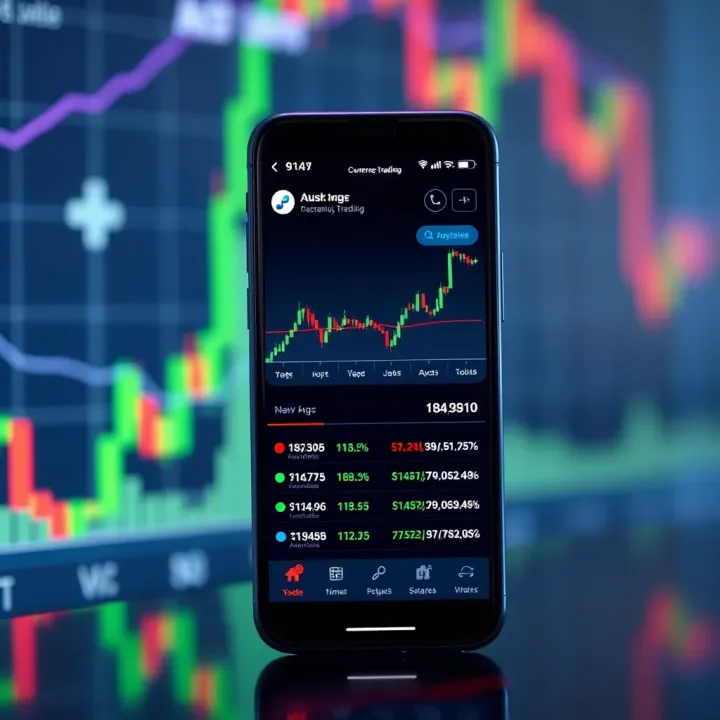
Find the best currency trading app for Indian traders 🇮🇳. Compare features, costs, and security to trade confidently in forex markets from your mobile📱.

Discover the best stock market trading app for Indian investors 📈. Compare features, security, and regulatory aspects, plus tips to choose smartly and trade wisely 💡.

🧑💻 Explore the best paper trading apps for Indian investors to practise stock investing risk-free, test strategies with virtual funds, and boost your confidence before investing. 📈
Based on 7 reviews