

Guide to Candlestick Chart Patterns with PDF Reference
📊 Understand key candlestick chart patterns with detailed analysis and practical tips. Get a handy PDF guide to master technical trading effectively. 📈
Edited By
Charlotte Green
Understanding candlestick patterns is a key skill for anyone interested in stock trading or investment analysis, especially in markets like India’s where technical analysis plays a big role. These patterns provide visual clues about market sentiment and price action, helping traders make informed decisions.
Candlesticks originated in Japan centuries ago and remain relevant thanks to their straightforward representation of price movements. Each candlestick captures four critical data points: the opening price, closing price, highest price, and lowest price during a given period. This compact information displays buyer and seller strength clearly.

Some of the most popular candlestick patterns include:
Doji: Signals indecision in the market when opening and closing prices are almost equal.
Hammer and Hanging Man: Indicate potential reversals when found at the bottom or top of trends.
Engulfing Patterns: Show strong momentum shifts, where one candle completely covers the previous one.
When analysing candlestick patterns, it’s vital to consider the broader context such as trend direction and volume. For example, a bullish engulfing pattern gains credibility if it occurs in an established downtrend with rising volume.
Mastering the interpretation of multiple candlestick patterns is essential to enhance timing in buying or selling decisions, reducing guesswork, and managing risk effectively.
Practical tips for traders include:
Always use candlestick patterns alongside other indicators like moving averages or RSI for confirmation.
Practice reading charts regularly on platforms such as NSE or BSE to familiarise yourself with live market scenarios.
Download free PDFs and resources that summarise patterns with illustrations to reinforce learning.
Whether you are a beginner starting with NCERT basics or an experienced trader refining strategies, candlestick patterns offer valuable insights when read correctly. The upcoming sections will cover a wide range of patterns, their formation rules, and actionable examples tailored to Indian markets.
This guide aims to equip you with practical knowledge and handy downloadable material to improve your technical chart reading skills systematically.
Candlestick patterns offer a window into market sentiment, helping traders read price action in a simple, visual way. For anyone serious about stock trading, especially in volatile markets like India's NSE and BSE, understanding these patterns can improve timing and decision-making.
Candlestick charts trace back to 18th century Japan, where a rice trader, Munehisa Homma, developed them to gauge price movements. Their visual appeal and ease of use made them popular beyond Japan, especially once introduced to Western traders. Today, they’re a core tool for technical analysts globally.
Each candlestick represents price data over a specific period—could be minutes, hours, or days. The ‘open’ is the starting price, ‘close’ is the ending price during that period. The ‘high’ and ‘low’ mark the peak and bottom prices. The body shows the open-close range, while thin lines called wicks or shadows depict highs and lows. This design instantly shows whether bulls or bears dominated.
Candlesticks tell stories beyond numbers. A long green candle suggests strong buying, reflecting optimism, while a long red candle points to selling pressure. Patterns of several candles show shifts in emotion—fear, greed, hesitation—that drive prices. For instance, a hammer pattern after a downtrend hints buyers stepping in, signalling a potential reversal.
Recognising specific patterns helps spot market turns or continuations. For example, a series of three white soldiers (consecutive bullish candles) often indicates sustained buying momentum. Indian traders find such patterns useful for timing entries during volatile sessions, like pre-budget periods or earnings season.
Many rush to act on a single candlestick without confirming the broader context. Ignoring volume or over-trusting patterns on illiquid stocks can lead to false signals. Some traders mistake random price moves for reliable patterns, missing the bigger trend or support and resistance levels.
Candlesticks gain strength when used alongside tools like the Relative Strength Index (RSI), moving averages, or volume data. For instance, a bullish engulfing pattern confirmed with rising volume and RSI exiting oversold territory offers higher confidence. This blend helps Indian traders avoid traps in markets prone to sudden volatility.
Understanding candlestick patterns is not just about memorising shapes; it’s about interpreting market psychology and combining insights with other signals to make informed trading choices.
By grasping these basics and appreciating the role of candlestick patterns, you prepare yourself to read charts smarter and trade more confidently.
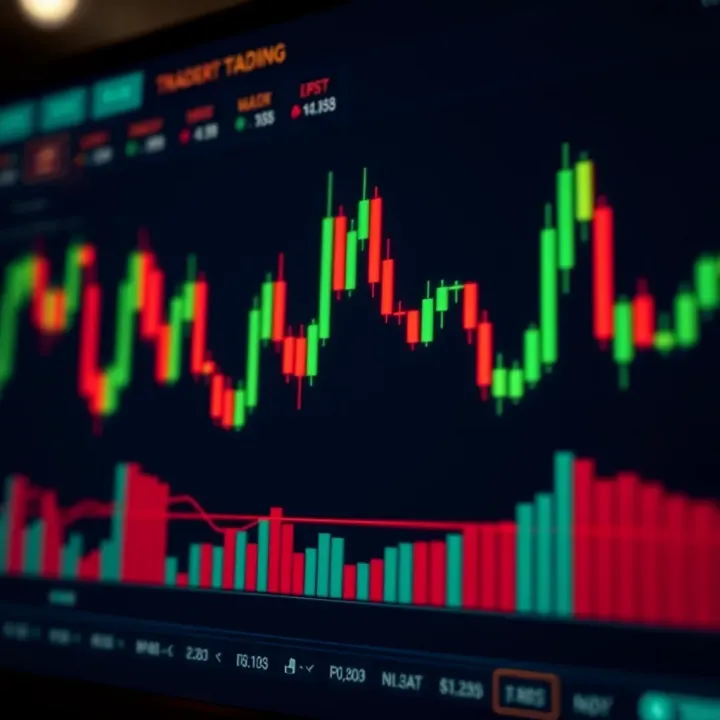
Candlestick patterns give traders visual cues about possible price movements in the stock market. Knowing key patterns helps investors identify trend reversals or continuations more confidently, especially in the fast-paced Indian markets like NSE and BSE. These patterns often offer early insight into market sentiment, providing practical signals for entry or exit.
Hammer and Inverted Hammer: The hammer is a single candle with a small body and long lower shadow, signalling a potential bullish reversal after a downtrend. Imagine a stock like Tata Motors falling sharply and then forming a hammer; this suggests sellers tried to push prices down but buyers regained control. The inverted hammer, with a long upper shadow instead, also signals buyers testing prices upward but losing momentum initially. Both point to a shift from selling pressure to buying interest.
Bullish Engulfing: This pattern appears when a small bearish candle is followed by a larger bullish candle that fully covers the previous candle's body. For example, if Infosys shares show a small red candle followed by a big green candle, it suggests buyers have overwhelmed sellers, often marking the start of an upward move. This pattern is strongest at support zones.
Morning Star: It consists of three candles—a strong bearish candle, a small-bodied candle (indecision), and then a strong bullish candle. This combination shows a clear transition from selling to buying pressure. If Reliance Industries forms a morning star after a downtrend, traders see it as a good buy signal.
Shooting Star: The shooting star has a small body with a long upper shadow and appears after uptrends. It indicates that although prices moved higher, sellers pushed them back down, signalling potential bearish reversal. For instance, if HDFC Bank shows a shooting star near its recent high, it warns traders that upward momentum might fade.
Bearish Engulfing: The reverse of bullish engulfing, this pattern shows a small bullish candle followed by a larger bearish candle that swallows the previous body. It suggests that sellers have taken charge, likely leading to price falls. This is useful for traders looking to short stocks like Maruti Suzuki.
Evening Star: Similar to the morning star but bearish. It involves a strong bullish candle, followed by an indecisive candle, then a strong bearish candle. This signals buyers losing grip and sellers taking over, offering a good exit point to avoid losses.
Doji: A doji forms when the opening and closing prices are almost equal, showing market indecision. When it appears during an ongoing trend, it warns traders to watch for possible pauses or slight reversals. For example, if a doji forms in Tata Steel’s uptrend, it suggests cautious trading ahead.
Spinning Top: This candle has small bodies and shadows on both ends, indicating a tug-of-war between buyers and sellers. While it doesn’t signal a clear reversal, it suggests the existing trend might continue but with reduced strength.
Three White Soldiers and Three Black Crows: Three white soldiers are three consecutive long bullish candles signaling a strong and steady uptrend continuation. Conversely, three black crows are three red candles indicating a strong downtrend. Spotting these patterns in stocks like Asian Paints helps confirm momentum continuation.
Recognising these key candlestick patterns enhances your ability to make timely trading decisions. Always combine these patterns with volume and other technical indicators to reduce risk and improve accuracy.
Reading candlestick patterns alone is only part of the story. Their true value emerges when combined with other market information, improving the reliability of your trade decisions. For instance, a bullish reversal pattern gains more weight if supported by high trading volume, suggesting genuine market interest. Understanding such nuances can save you from costly mistakes and better align your trades with market momentum.
Volume acts like a crowd's voice in the market. When a candlestick pattern appears, high volume confirms many traders agree about the next move, making the pattern stronger. For example, if a bullish engulfing pattern forms on a stock, but the volume is low, it might just be a random uptick. However, if volume spikes, it indicates stronger buying interest, increasing the chance of an upward trend.
Candlestick patterns are more reliable when cross-checked with moving averages or the Relative Strength Index (RSI). For example, if a hammer pattern emerges near the 50-day moving average and the RSI shows oversold conditions (below 30), it signals a stronger potential reversal. Conversely, spotting a bearish engulfing candle while the RSI indicates overbought status (above 70) near resistance strengthens the sell signal.
Not every pattern leads to a predicted move. Sometimes, false signals appear due to market noise or temporary whims. For instance, a doji at the end of a downtrend may look like a reversal, but if the price moves sideways for days after, it's a sign to stay cautious. To avoid traps, always check other factors like volume, trend strength, and upcoming market news before acting.
Indian stock exchanges like NSE and BSE have heavy retail participation and frequent volatility spikes during announcements like RBI policy or quarterly earnings. Candlestick patterns here may be more sudden and sharp compared to some international markets. Therefore, understanding the specific market context and time frames is essential. For example, intraday reversal patterns around market opening or closing sessions often carry more weight.
Candlestick patterns suit both short-term intraday trades and longer swing trades. Intraday traders may look for quick reversal patterns such as shooting stars or hammers on 5-minute or 15-minute charts, capturing small price moves. Swing traders use daily charts to identify longer trends confirmed by patterns like morning stars or three white soldiers. Aligning your strategy with your trading timeframe is key for effective use.
No pattern guarantees success; losses are part of trading. Using candlestick patterns must be paired with strict risk controls like setting stop-loss orders to limit losses if a pattern fails. For example, placing a stop just below the low of a bullish reversal candle prevents high damage if price falls further. Defining position sizes in line with your risk tolerance — say, risking only 1-2% of your capital per trade — helps protect your portfolio against large setbacks.
Candlestick patterns offer powerful insights, but real skill lies in blending them smartly with volume, indicators, and market context. Indian traders should sharpen this mix to better spot opportunities and manage risks effectively.
Access to free PDF resources can significantly aid traders and investors in learning candlestick patterns thoroughly. PDFs often condense vast information into accessible formats, allowing you to study at your own pace without juggling multiple tabs or paying for expensive courses. Especially for beginners, having a downloadable guide to refer to repeatedly—from identifying basics to advanced nuances—can enhance retention and practical application.
Official trading platforms and educational sites provide a trustworthy starting point. For example, the National Stock Exchange (NSE) and Bombay Stock Exchange (BSE) often release educational materials catering specifically to Indian traders. Their PDFs include region-specific insights, such as trading hours, typical market behaviour, and regulatory updates, which help you contextualise candlestick analysis. Using these ensures the information is up to date and legally sound.
Websites offering free downloadable guides widen your options with freely accessible content created by market veterans or enthusiast communities. Platforms like Zerodha Varsity or educational sites run by independent analysts provide practical guides that break down patterns with real market examples. When downloading, check the author’s credentials and look for user reviews to avoid outdated or inaccurate material, which can mislead your trading decisions.
Books and tutorials available as PDFs often capture comprehensive knowledge in a structured way. Popular titles by authors like Steve Nison, who popularised candlestick charts worldwide, are sometimes circulated in PDF form legally through educational promotions. Titles focusing on Indian market examples deepen your understanding by linking global candlestick principles with local market trends. These books guide you from fundamental concepts to pattern recognition and strategy development, making them valuable additions to your learning resources.
Best practices for study and practice include actively reading and marking key sections rather than passively scrolling through. Using a highlighter tool or printing important pages helps reinforce memory. Practising pattern identification alongside the guide boosts confidence—try pausing after chapters to test yourself on spot-the-pattern exercises using historical charts from NSE or BSE.
Creating personalised notes complements your learning by distilling complex ideas into simple points suited to your style. Writing down your interpretations or specific market examples you observe during live trading sessions makes the knowledge stick better. Over time, these notes become your quick reference manual, especially valuable when you trade during hectic market moments.
Cross-referencing with real-time charts bridges theory with actual market action. After studying a pattern in a PDF, immediately scan live NSE/BSE charts to spot its formation and subsequent price movement. This practice helps avoid recognising patterns only in hindsight and builds the skill to apply them in real-time trading decisions. Combining PDFs with charting tools strengthens your practical grasp and confidence in executing trades.
Having organised, reliable PDF resources coupled with disciplined learning approaches lays a strong foundation for mastering candlestick patterns. It turns abstract patterns into practical trade opportunities.
By integrating free PDF guides from trusted sources into your study routine and linking lessons with live chart analysis, you can improve your technical analysis skills suited to the Indian stock market landscape.
Mastering candlestick analysis is not just about recognising patterns but understanding their practical application in real market conditions. This section sums up key insights from the various candlestick formations discussed and suggests concrete steps to improve your trading skills over time. For traders, especially beginners, having a clear summary helps reinforce learning, while the proposed next steps encourage ongoing improvement.
Candlestick patterns such as the Hammer, Shooting Star, Bullish and Bearish Engulfing, Morning Star, and Evening Star each signal specific market sentiments. For instance, the Hammer signals a potential bullish reversal after a downtrend, indicating buyers might be gaining strength. Conversely, the Shooting Star suggests weak buying momentum and possible price drop ahead. Recognising these patterns quickly can help you enter or exit trades at better prices.
Patterns like the Doji and Spinning Top show indecision in the market, often warning traders to wait for clearer signals. Meanwhile, continuation patterns such as Three White Soldiers imply strong ongoing trends. Combining candlestick analysis with volume data and other indicators like the Relative Strength Index (RSI) enhances decision-making accuracy, reducing false alarms.
Being part of trading communities, especially Indian market-focused ones, lets you share experiences and learn from others' successes and mistakes. Groups on platforms like Telegram or WhatsApp are common among Indian traders and offer quick discussions on live market movements. This peer interaction provides fresh perspectives and reduces the isolation many beginners face.
Such communities also share timely updates related to NSE and BSE, important corporate actions, and government policy changes with impact on stocks. For example, a community might highlight how RBI's monetary policy influenced banking stock patterns overnight, helping you adjust your strategies effectively.
Tracking well-known Indian analysts and market commentators on social media or financial news channels keeps you informed about current trends and trading techniques. Experts such as Rakesh Jhunjhunwala’s insights or research reports from firms like Motilal Oswal offer valuable viewpoints that complement candlestick analysis.
Following these voices helps you understand how professionals interpret chart patterns in the context of India’s unique market drivers, including quarterly results, GST changes, or monsoon data. Over time, this deepens your market reading ability beyond mere pattern recognition.
Consistent practice using demo trading accounts offered by brokers like Zerodha or Upstox is key to mastering candlestick patterns without risking real money. Demo platforms simulate live market conditions and let you test strategies based on candlestick signals.
Regular hands-on experience builds confidence in spotting genuine setups versus false signals. For example, practising entries on Bullish Engulfing patterns during demo trades will reinforce when to act and when to hold back. Such disciplined practice instils good trading habits that protect capital in real markets.
Continuous learning combined with practical application is the best way to turn candlestick theory into profitable trading skills, especially in dynamic Indian stock markets.
📊 Understand key candlestick chart patterns with detailed analysis and practical tips. Get a handy PDF guide to master technical trading effectively. 📈

📊 Master key candlestick patterns for stock & forex trading in Hindi. Includes bullish & bearish types, plus a handy PDF download for easy learning & reference.

📈 Learn to spot key bullish candlestick patterns in Indian and global markets to time your stock purchases better and enhance your trading strategy effectively.

Learn how to read candlestick patterns in stock & forex trading 📈, with clear tips and HD PDF guides for sharper decisions and smarter investments 📚.
Based on 11 reviews