

Best Options Trading Platforms in India: A Guide
Find the best options trading platform in India with insights on brokerage charges, regulatory approvals, tech features, and user reviews for secure and effective trading 📈💻
Edited By
Charlotte Bennett
Options trading offers savvy investors a way to gain exposure to market movements with limited capital, but choosing the right platform is key to success. India’s options market has grown rapidly, thanks to platforms that provide robust tools, education resources, and cost-effective trading. With many brokers offering options trading, it can be tricky to pick one that matches your style and experience.
A good options trading platform in India should provide:

Competitive brokerage fees: Lower costs increase profitability, especially for frequent traders.
Advanced charting and analysis tools: This helps in identifying trends, setting strike prices, and putting stop losses.
User-friendly interface: Whether you are a beginner or experienced trader, ease of navigation matters.
Reliable order execution: Speed and accuracy in placing buy and sell orders can make a big difference in outcomes.
Compliance and safety: The platform must be regulated by SEBI (Securities and Exchange Board of India) and have strong data protection.
Popular choices among Indian traders include Zerodha, Upstox, Angel One, and 5paisa, each catering to different needs. For instance, Zerodha's Kite platform combines straightforward usability with advanced features like option strategy builders and Greeks calculators. Upstox offers low brokerage and along with solid charting features, great for those looking to trade actively.
Selecting a platform isn't just about features; it's about how well it fits your trading goals and comfort with options complexity.
Before finalising, assess your own preferences:
Experience level: Beginners might want platforms with educational content and demo accounts.
Trade frequency: Frequent traders should prioritise lower brokerage and fast execution.
Strategy complexity: Complex strategies need platforms that support multi-leg orders and risk calculators.
By focusing on these factors, traders can find platforms that don't just offer access but become tools that help refine strategy and improve outcomes.
This article will take you through a detailed comparison of India’s top options trading platforms, helping you pick what fits best whether you’re just starting or looking to sharpen your trading tactics.
Choosing the right options trading platform in India hinges on understanding the key features that directly impact your trading efficiency and profitability. Traders need platforms equipped with precise tools, user-friendly interfaces, and clear pricing. Such features ensure smooth execution of your strategies without hidden surprises.
Charting capabilities help traders spot price trends and patterns visually. For example, a platform offering interactive, real-time charts with zooming and multiple time frames allows better decision-making during volatile market hours. Without reliable charts, traders may miss entry or exit signals crucial for options trading.
Indicators and overlays add depth to chart analysis. Common tools like Moving Averages, Relative Strength Index (RSI), and Bollinger Bands help identify momentum, support, and resistance levels. A platform that supports custom indicators or lets you overlay multiple indicators can suit traders employing complex strategies.
Backtesting options refer to testing trading strategies against historical data. This feature allows traders to validate their ideas without risking real money. For instance, a trader can check how a particular options strategy performed during previous market swings, which is invaluable for improving confidence and refining tactics.
Desktop platform usability must be smooth and intuitive. Traders often rely on quick order placements and real-time updates; clunky interfaces can slow execution and cause missed opportunities. A well-designed desktop platform like Zerodha Kite or Upstox Pro ensures traders can focus on markets, not navigation hassles.
Mobile app features are equally important as many traders check markets on the go. Essential functionalities include placing orders, monitoring positions, and receiving live market alerts. Apps with offline mode or data-saving features work well for traders in tier-2 cities with patchy internet.
Customisability and alerts mean a trader can tailor the platform to suit their style. Setting price triggers, customised watchlists, or alerts on specific options premiums helps keep track efficiently. This reduces emotional decision-making caused by surprise market moves.
Brokerage structure for options varies across platforms. Some charge a fixed rate per trade, while others use a percentage of trade value. For example, Zerodha offers a flat ₹20 per executed order regardless of the number of options contracts, making it popular among active traders.
Other transaction costs such as Securities Transaction Tax (STT), GST, exchange transaction fees, and stamp duty impact your net profits. Traders need to factor them in when comparing cost-effectiveness between platforms.
Hidden fees to watch out for include charges for live market data, call and trade services, or inactivity fees. Many platforms advertise low brokerage but add separate costs for optional services, so reviewing the fine print matters.
SEBI registration and compliance ensure a platform meets India's official rules for investor protection. Only SEBI-registered brokers are authorised to provide trading services, reducing the risk of fraud.
Data protection measures like two-factor authentication (2FA), data encryption, and secure servers safeguard your personal and financial information. Given the rise in cyber threats, platforms investing in these safeguards offer peace of mind.
Customer service availability makes a big difference, especially if you face urgent technical or account issues. Platforms with 24/7 support or dedicated helplines help resolve problems quickly, minimizing trading disruptions.
Picking a trading platform is not just about low fees or flashy tools. Focus on features that make trading easier, more secure, and tailored to your unique needs to maximise your success in options trading.
Choosing the right options trading platform can make a significant difference in trading success, especially in India’s growing financial markets. A good platform offers tools that match your trading style, reasonable fees, and reliable customer service. Traders must evaluate platforms on features like ease of use, available trading instruments, security standards, and charges. This section reviews four popular options trading platforms—Zerodha Kite, Upstox Pro, Angel One, and 5Paisa—to help you find what fits your needs.
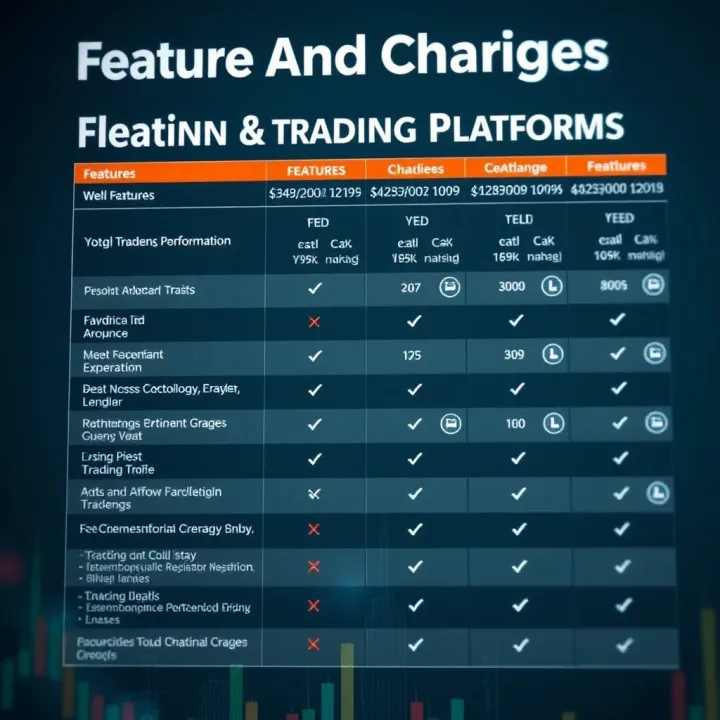
Brokerage details: Zerodha is renowned for its transparent pricing—charging ₹20 per executed order or 0.03% (whichever is lower) for options trading. This flat fee approach benefits high-volume trades, as costs stay predictable. There are no hidden fees for options, making it easier for traders to manage expenses.
Trading tools offered: The Kite platform provides advanced charting with over 100 indicators and drawing tools. Traders can backtest strategies and place various order types including bracket orders and cover orders. Such features empower traders to analyse market trends and manage risk efficiently.
User feedback: Indian traders frequently praise Zerodha Kite for its fast execution and reliability during volatile sessions. The intuitive interface appeals to both beginners and experienced traders. However, occasional server slowdowns during peak market hours have been mentioned.
Platform features: Upstox Pro supports multi-asset trading with a clean, user-friendly interface. It offers 100+ indicators, real-time market data, and advanced order types. The platform supports integrations with trading bots, enabling semi-automated strategies.
Mobile trading experience: The mobile app comes with full desktop parity, including charting and watchlist customisation. Its smooth navigation helps traders act quickly on market movements.
Pricing and transparency: Upstox charges ₹20 per executed options order or 0.05%, whichever lower, similar to Zerodha but with occasional zero brokerage offers on specific plans. All charges are clearly displayed, avoiding unexpected deductions.
Ease of use: Angel One offers a simple, clean interface suitable for new traders. The web and mobile platforms maintain consistency, making it easy to switch between devices without confusion.
Options trading support: The platform supports a wide range of option contracts and offers useful features like option chains and payoff calculators. Users can place advanced orders, including bracket orders, to manage risk.
Research and advisory services: Angel One stands out with its in-house research, tips, and advisory reports. Traders benefit from fundamental analysis alongside technical charts, aiding informed decisions.
Cost-effective brokerage: 5Paisa is among the most affordable, offering a ₹10 flat fee per executed order regardless of trade size. This can cut costs significantly for frequent traders or small-volume options trades.
Trading platform features: It provides real-time quotes, option chain displays, and easy-to-use order placements. However, its charting capabilities may not be as advanced as Zerodha or Upstox.
Suitability for beginners: 5Paisa's simple design, coupled with educational resources, makes it a decent starting point for new traders getting familiar with options.
Selecting the right platform depends on your strategy, budget, and need for tools. Each of these platforms brings something unique, helping diverse traders make the most of options trading in India.
Selecting the right options trading platform depends heavily on your trading strategy and experience. Different platforms cater to varied needs — the tools and features a beginner requires differ from those a professional day trader relies on. Understanding this helps you avoid paying for features you don't need or missing out on critical tools that could affect your trading success.
Take, for example, a newbie who is still learning how options work; they need guidance and a simple interface to build confidence. On the other hand, an active trader may prioritise speed and advanced analytics to spot quick opportunities. This section breaks down what to look for based on your trading experience and style.
For beginners, platforms offering strong educational support can make a huge difference. Such resources might include webinars, tutorials, and easy-to-understand articles that explain the basics of options trading and risk management. Zerodha Varsity, for instance, provides an excellent library of topics that help freshers grasp market concepts clearly.
These learning materials are practical because they reduce the steepness of the learning curve and allow new traders to experiment with more confidence, decreasing the chances of costly mistakes.
A cluttered or complicated interface can overwhelm new traders, causing them to miss important information or misplace orders. Platforms like Upstox offer clean layouts with clearly labelled options and straightforward navigation, which helps beginners focus on learning rather than figuring out how to use the app.
A simplified interface also means faster decisions when placing trades, which is crucial for new traders still building speed and confidence.
Demo accounts allow beginners to practise options trading without risking real money. This feature is invaluable because it provides a risk-free environment to understand market movements and test strategies.
For example, Angel One offers a paper trading feature where users can simulate trades and observe outcomes. This hands-on practice helps beginners build their skills before venturing into live markets.
Active and professional traders need robust tools to analyse market trends and options chains in detail. Features such as real-time streaming data, complex charting tools, and options Greeks calculators help them devise precise strategies.
Platforms like Zerodha Kite and Upstox Pro provide these advanced analytics, enabling traders to monitor volatility, open interest, and Greeks like delta and gamma to refine their trades effectively.
Time is money for active traders. Delays in order execution can result in missed opportunities or slippage, affecting profitability. Therefore, low-latency platforms with reliable server infrastructure are essential.
For example, Upstox Pro is known for its fast execution speeds and minimal downtime, making it suitable for traders who depend on rapid trade entries and exits.
Professional traders often require customised platforms tailored to their strategies. Features like automated order placement, custom alerts, and API integrations allow traders to streamline their workflow and reduce manual errors.
Some brokers offer advanced scripting and algorithmic trading options. For instance, Zerodha’s Kite Connect API lets traders automate strategies and create custom trading bots, improving efficiency and consistency in executing trades.
Choosing the right platform according to your experience level and trading style can significantly impact your trading outcomes and comfort. Make sure to consider these factors before committing to a platform.
Understanding the regulatory and tax framework is essential for anyone interested in options trading in India. These aspects not only safeguard your investments but also help ensure compliance, avoiding any legal or financial pitfalls. Whether you're a beginner or a seasoned trader, being aware of these details can make a tangible difference in your trading experience.
The Securities and Exchange Board of India (SEBI) plays a vital role in protecting investors' interests. It enforces rules that prevent unfair practices such as insider trading, market manipulation, and fraud. This means that when you trade options on SEBI-registered platforms, you get a layer of security that your trades are conducted fairly and transparently.
Beyond just protecting investors, SEBI constantly updates regulations to reflect changes in market behaviour. For instance, it mandates clear disclosure of risks associated with options trading. This helps you understand the potential downsides before you start trading, reducing surprises and making your investment decisions more informed.
On the compliance front, all options trading platforms must be registered with SEBI and adhere to its guidelines. This includes regular audits, maintaining sufficient capital buffers, and proper grievance redressal mechanisms. These rules ensure that platforms operate responsibly and maintain the integrity of the trading environment. Choosing a SEBI-compliant broker therefore helps you trade with confidence.
In India, profits from options trading are treated as short-term capital gains (STCG) if the holding period is less than 12 months. The STCG tax is charged at 15% plus applicable surcharge and cess. For example, if you make a profit of ₹1 lakh from options trading during the financial year, you will pay around ₹15,000 as tax.
It is important to remember that these gains must be reported while filing your Income Tax Return (ITR). Accurate reporting of income from options trading helps you avoid legal troubles and penalties. You should maintain detailed records of all trades, including dates, amounts, and associated expenses, which can be handy during tax assessment.
The Income Tax Act includes specific provisions that cover derivatives and trading income, such as Section 43(5) defining the nature of income from derivatives and Section 44AD for presumptive taxation. While these may not apply to all traders, understanding these sections can help you plan your tax strategy better, especially if you're actively trading or managing a portfolio.
Careful attention to SEBI regulations and tax laws ensures you stay on the right side of compliance, allowing you to focus on your trading strategies without worry.
In short, keeping these regulatory and tax factors in mind will protect your capital, help you choose the right platform, and keep your trading activities smooth and legal. Always consult a tax advisor for personalised guidance based on your trading volume and income.
Selecting the right options trading platform is not a one-size-fits-all decision. Your choice should align with your trading goals, style, and preferences. A platform that works brilliantly for an active trader may feel overwhelming or expensive for someone just starting out. Understanding your needs helps you avoid paying for features you don't require while ensuring you get the tools necessary to succeed.
Risk appetite plays a huge role in choosing a platform. If you’re comfortable with higher risks and frequent trades, look for platforms offering advanced risk management tools and quick execution. For example, platforms like Zerodha Kite provide robust customisable stop-loss orders helping high-risk traders manage positions effectively. On the other hand, conservative traders might prefer platforms that emphasise educational resources and basic options strategies, like Angel One, which supports learning while offering moderate leverage.
The investment timeframe matters too. Those looking for quick, intraday options trading benefit from platforms with low latency and fast order placement. Upstox Pro, for instance, appeals to traders who want to capitalise on short-term market movements with real-time data. Conversely, if you plan for medium to long-term strategies, it’s critical to select platforms offering detailed contract expiry dates, historical data, and reliable market news—features available with 5Paisa.
Your desired markets and instruments can narrow down platform choices. While some platforms focus heavily on equity options on the National Stock Exchange (NSE), others also provide options on commodities or currency derivatives. If you want to trade in currency options or indices like Nifty or Bank Nifty, ensure the platform supports these instruments. For example, Zerodha and Upstox cover a broad range of markets, whereas others may have limited offerings.
Trying out platforms through demo accounts helps you experience a platform’s interface, tools, and features without risking real money. Demo accounts let you test order placement speed, charting tools, and custom alerts firsthand. Most top Indian platforms, including Zerodha and Angel One, offer mock trading accounts, making it easier to find your comfort zone before committing.
Reading peer reviews and expert opinions provides valuable insights about daily usability, hidden fees, and customer support quality. Traders often share practical experiences in forums or review sites, highlighting glitches, downtime issues, or advantages not marketing materials mention. For instance, some users appreciate Upstox's transparent pricing but warn about occasional mobile app bugs.
Finally, customer service responsiveness is critical, especially when quick help can save money or prevent mistakes. Platforms with 24/7 helpline or quick live chat support can make a difference during volatile trading sessions. Delays in assistance can turn small problems into big losses, so opting for brokers known for prompt responses, like Angel One, provides peace of mind.
Selecting the right platform is about matching your trading habits with features that support them, so take your time testing and researching before deciding.
By focusing on these practical aspects, you can pick a trading platform that fits your requirements and helps you trade options efficiently and confidently in India’s markets.
Find the best options trading platform in India with insights on brokerage charges, regulatory approvals, tech features, and user reviews for secure and effective trading 📈💻

Explore the top paper trading platforms for Indian investors 📈. Practice stock market strategies risk-free, understand platform features, & boost your trading skills before investing ₹₹₹ in real markets.

Explore top forex trading platforms in India 🇮🇳 with expert tips on regulations, features, costs, and currency pairs. Start trading confidently and safely today 📈

Discover the best brokers for options trading in India 📈. Compare charges, features, and expert tips to pick the right broker for your trading style and goals.
Based on 9 reviews