

Best Paper Trading Apps for Indian Investors
🧑💻 Explore the best paper trading apps for Indian investors to practise stock investing risk-free, test strategies with virtual funds, and boost your confidence before investing. 📈
Edited By
Emily Bennett
Paper trading lets you practise buying and selling stocks without putting real money on the line. For anyone starting out in the Indian stock market, it offers an invaluable way to get a feel for market movements and test strategies before entering with actual funds.
Unlike real trading, paper trading platforms use virtual money. This means you can experiment with different stocks, sectors, or indices like Nifty 50 and Sensex, and observe how your decisions play out. Practising risk-free trades helps you build confidence and avoid costly beginner mistakes once you move to live trading.
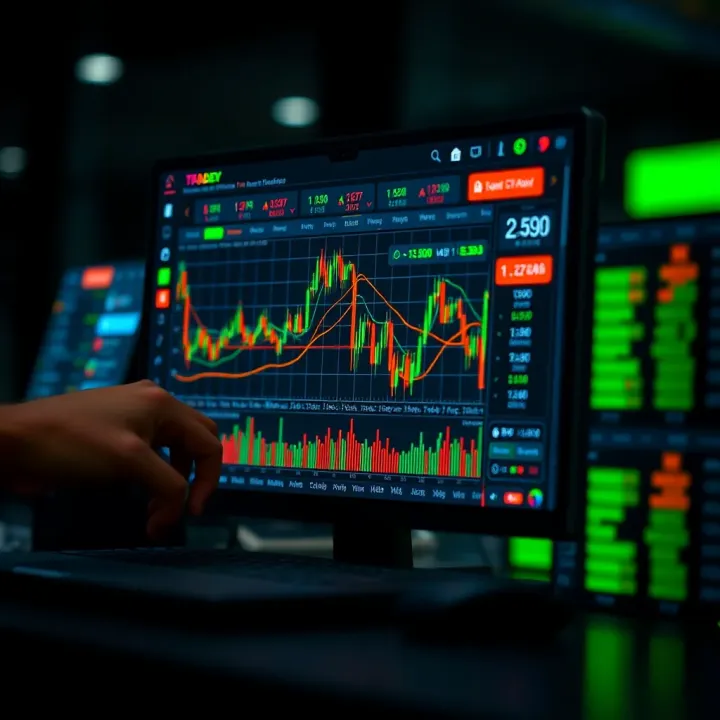
For Indian investors, selecting the right paper trading site depends on factors such as user interface, access to Indian market data, availability of features like real-time quotes, and whether the platform supports derivatives or only equities. Some platforms even allow you to simulate futures and options trading, reflecting the complexities of NSE or BSE markets.
Here are a few reasons why paper trading makes sense:
Safe learning ground: You can test entry and exit points, stop-loss limits, and position sizing without fear of losing money.
Strategy refinement: Try out technical analysis tools and chart patterns using platforms integrated with live Indian market data.
Performance tracking: Monitor virtual portfolios and learn to evaluate investment choices objectively over time.
For beginners, the gap between theory and real market experience often causes hesitation. Paper trading bridges that gap effectively.
In the following sections, we'll go through some of the best platforms for paper trading, specifically catering to Indian investors. This guidance will help you pick a site that suits your trading style and goals, ensuring you get the most out of practise before stepping into actual trading.
Paper trading means buying and selling stocks or other securities without involving real money. Instead, investors use virtual money to simulate actual trading, which helps them understand market behaviour without financial risk. For example, a beginner in Mumbai can try trading shares of Reliance Industries on a paper trading platform and see how their hypothetical investments perform.
The idea of paper trading isn’t new. Traders have long used mock portfolios on paper to track their choices before committing real funds. Earlier, this was literally writing down trades and tracking prices manually. Nowadays, digital platforms simulate real-market conditions almost perfectly, making paper trading more accessible and realistic for Indian investors.
Definition and Concept: Paper trading involves practising trading strategies in a risk-free environment by using virtual cash. It replicates actual market orders and prices, allowing users to experience buy or sell actions without facing real financial loss. It’s especially helpful for novices looking to understand how the stock market works.
Historical Context and Modern Usage: Earlier, stock market aspirants would jot down their intended trades on paper and monitor the results over time. With the rise of technology, online platforms now offer sophisticated simulations closely matching live markets, enabling traders to refine their skills with zero monetary risk. In India, apps like Moneycontrol’s Moneybhai bring this concept to the mobile era.
Learning Without Risk: Paper trading lets you grasp market dynamics sans financial pressure. For instance, if you are curious about trading in NSE equities, you can experiment freely without worrying about losing ₹10,000 or ₹1 lakh. It acts as a sandbox for learning order types, price fluctuations, and market timing.
Testing Investment Strategies: You can try out various methods, such as value investing, momentum trading, or arbitrage, and evaluate results over weeks or months. Say, you plan to invest in pharmaceutical stocks ahead of a budget announcement; paper trading helps you see potential returns without risking your savings.
Building Confidence Before Real Trading: Many beginners hesitate due to fear of losses. Paper trading builds your confidence by familiarising you with placing orders, managing a portfolio, and dealing with market ups and downs. When you finally invest real money, you’re less likely to panic and more prepared to make sound decisions.
Emotional Differences Compared to Real Trading: The biggest drawback is the lack of real emotional pressure. When money is actually at stake, fear and greed influence decisions sharply. Paper trading can’t fully replicate this psychological aspect, so transitioning to live trading might feel different.
Market Conditions and Slippage: In real markets, especially in India where liquidity varies, the execution price may differ from the quoted price due to slippage or volatile conditions. Paper trading often assumes perfect order fills, which doesn’t always happen when real money is involved.
Execution Speed and Order Types Constraints: Some paper trading platforms limit the types of orders or do not reflect the time delays typical in live markets. For example, complex orders like bracket or after-market orders might not behave as expected in simulation, which can misprepare traders.
While paper trading is an excellent training ground, remember it’s only a step in your trading journey. It’s essential to transition carefully into live markets, understanding and managing the emotional and operational differences.
Understanding these basics sets a strong foundation for making the most of paper trading platforms tailored to Indian investors.
Selecting the right paper trading platform can make a substantial difference for Indian investors practising trading strategies without financial risk. The platform you choose should closely mimic real market conditions and provide tools that support your learning and analysis. This section discusses the key features you must consider so your simulated trading feels practical and useful.
An intuitive user interface (UI) ensures you spend more time analysing trades than struggling with the platform itself. For example, Zerodha’s Kite mock trading offers a clean layout with straightforward menus and clear charts, helping newcomers avoid technical confusion. Easy navigation, quick access to orders and portfolios, and obviously visible performance stats are critical so you can focus on strategy.

A good paper trading platform must allow access to Indian stock exchanges like the NSE (National Stock Exchange) and BSE (Bombay Stock Exchange). You want the option to trade securities actually listed here, including stocks, indices, and ETFs. Platforms limited to foreign markets won’t train you well for Indian-specific market rules or instruments. For instance, Moneycontrol's Moneybhai covers Indian stocks and mutual funds, which is ideal for local investors.
The closer the simulation to real trading, the more reliable the practice. This means live market data feeds, actual order book mimicry, and incorporating transaction costs such as brokerage and taxes. Platforms like Upstox Virtual Trading approximate real execution speeds and slippage, helping you experience the real-time pressure of market moves.
Remember, unrealistic simulations can give a false sense of security, so always check what market conditions the platform replicates.
Paper trading works best with support tools that help evaluate strategies. Good platforms offer charting features, technical indicators, and financial news integration. Having built-in analysis tools saves you from toggling multiple apps. TradingView, for instance, combines paper trading with extensive indicators and an active community with strategy ideas, great for self-guided learning.
Today’s investors need flexibility. A mobile-friendly platform or dedicated app lets you practice trading during commutes or breaks. Apps should match desktop capabilities on a smaller screen and work smoothly on popular mobiles like those from Samsung or Xiaomi. For busy investors, this ensures uninterrupted learning and faster reaction to market events.
Choosing a platform based on these criteria helps Indian investors build skills that translate to live markets more effectively. Evaluate each feature against your own trading style and goals before committing your time and attention.
Choosing the right paper trading platform helps Indian investors practice market strategies without risking real money. These platforms offer simulated trading environments that closely mirror live markets, enabling beginners and experienced traders alike to sharpen their skills. Moreover, platforms tied to Indian exchanges provide familiarity with local market conditions, helping users get accustomed to trading amidst NSE and BSE securities.
Zerodha combines its educational portal, Varsity, with the Kite trading platform's mock feature, which makes it easy for new traders to get hands-on experience. Varsity offers detailed modules on market concepts, while Kite Mock Trading lets users place virtual orders using real-time NSE and BSE data. This setup helps Indian investors understand the market's rhythm and order execution mechanics without any financial risk.
The practical advantage lies in the platform's simplicity and real-market data access, which closely replicates actual trading environments. Plus, since many Indian traders already use Zerodha for live investments, transitioning from paper to real trading becomes smoother.
Upstox offers an intuitive virtual trading platform where users can practise with a fictional balance and trade across stocks, futures, and options. Its interface is familiar to those already using the Upstox app, helping users learn order types and risk management within Indian market contexts.
Besides real-time market feeds, Upstox's virtual platform tracks performance metrics clearly, helping traders pinpoint strengths and weaknesses. This makes it a practical choice for those who want to bridge the gap between theory and actual market movements in Indian equities.
TradingView provides a robust paper trading tool accessible to Indian users, featuring comprehensive charts and technical indicators used worldwide. Even though it is global, it supports Indian securities with live NSE, BSE data feeds for subscribed users, allowing traders to experiment with a wide range of instruments.
The key benefit is its advanced analytical tools, drawing attention from active traders and analysts who want to test complex strategies. However, TradingView’s free tier has limitations on data access, so subscribing may be necessary for serious Indian users.
Thinkorswim is a powerful US-based trading platform offering advanced paper trading features. Indian investors can access it through VPNs, although certain regulatory and transactional restrictions apply for Indians.
Despite this, it provides sophisticated trading tools including option strategies and futures, which are not as easily available on domestic platforms. For Indian traders keen on international markets or complex derivatives, Thinkorswim serves as a valuable simulation ground, but it requires some technical workaround to access.
Moneybhai is a popular paper trading game within the Moneycontrol app, designed explicitly for Indian users. It offers a virtual portfolio to practise equity, mutual funds, and commodity trading without risking real capital.
The app’s strength lies in its user-friendly interface and integration with Moneycontrol’s rich market data and news, making it easy to stay updated while practising. It mimics Indian stock market conditions sufficiently for learners to get a real feel before moving on to live accounts.
Investopedia’s stock simulator is a global platform providing a simple, educational paper trading experience. While it focuses mostly on US markets, Indian investors can still benefit by practising fundamental investment strategies and understanding market mechanics.
Its educational value and community trading contests add motivation, though the lack of Indian market instruments limits its usefulness for direct local application. Nevertheless, beginners can use it for broader concepts before applying what they learn on Indian exchanges.
Selecting a paper trading platform that fits your trading goals and market focus is essential for mastering stock market investing without risking money.
By exploring options from NSE brokers to global platforms and dedicated apps, Indian investors can find the right simulation to build confidence and skills effectively.
Paper trading offers a safe environment to build skills without risking actual money. However, to benefit fully, you need an organised approach. Making the most of paper trading means treating it as more than just a game and using it to understand real market behaviour, assess strategies, and prepare for live investing.
Start by setting clear, achievable targets that reflect your trading style and learning needs. For example, if you're a beginner, focus on mastering basic order types and understanding market patterns rather than chasing quick profits. A realistic goal could be "gain familiarity with placing limit and stop-loss orders over a month." This approach keeps you grounded and avoids frustration, which often comes from expecting instant gains. Without realistic targets, paper trading can become aimless and less effective.
Consistency in tracking trades helps you spot patterns and recurring mistakes. Maintain a trading journal recording entry and exit points, reasons for trades, and emotional states during decisions. For instance, note if impulsive decisions occur after a series of wins or losses. Analysing this helps build discipline, mirroring challenges you’ll face in real markets. Reviewing your journal weekly lets you refine strategies or adjust goals based on performance. Ignoring this step means missing lessons and repeating the same errors.
Shifting from simulated trading to real money is a big step and requires caution. Start small by allocating a limited amount of capital while continuing to follow your tested strategies. Expect emotional differences; real money brings pressure that paper trading cannot fully replicate. It's common to deviate from plans amid anxiety or excitement. To ease this, treat your initial live trades as extensions of your paper trades, sticking rigidly to rules set before.
Getting out of the "practice mode" requires patience and realism. Prepare for unexpected emotional challenges and ensure your transition plan involves measured risk.
In short, treating paper trading seriously, setting precise goals, reviewing your actions, and gradually moving to live markets will build both skill and confidence. This measured approach helps Indian investors avoid costly mistakes and maximise the learning that paper trading platforms offer.
Paper trading provides a risk-free environment to practice trading skills, but it comes with its own challenges. Many investors fall into traps that can give a misleading sense of confidence. Understanding these pitfalls helps you make better use of paper trading and prepares you for real markets.
One common mistake is overlooking how emotions impact real trading decisions. On paper, it's easy to stay calm after losses or stick to a plan without stress. However, when actual money is involved, fear and greed play strong roles. For example, a strategy that works well on paper may fail when fear causes you to exit trades prematurely or greed tempts overtrading. To avoid this, try to simulate emotional pressure by limiting your virtual capital or setting strict rules as if real money is at stake. Keeping a trading journal to record thoughts and emotions can help bridge the gap between paper and live trading psychology.
Another pitfall lies in overfitting—developing strategies tuned too closely to past data, which then perform poorly in real markets. Many platforms offer detailed historical charts and backtesting tools. However, blindly optimising parameters to fit historical trends risks creating a plan that lacks adaptability. For example, a momentum strategy optimised for last year's market might fail when conditions shift. Avoid this by using diverse data sets and testing your approach in different market phases. Incorporate flexibility and focus on long-term consistency rather than perfect past results.
Paper trading systems often simplify order execution. They may not account for slippage, delayed fills, or partial orders common in live trading. This can mislead users into expecting trades to execute exactly as planned, which rarely happens. For instance, placing a market order on paper typically assumes immediate execution at the last price, but real markets may cause slippage, affecting profit or loss. To mitigate this, choose platforms that simulate realistic order types and delays as closely as possible. If unavailable, practise with conservative assumptions about execution costs and delays to better estimate real-world results.
Avoiding these common pitfalls sharpens your trading skills and lessens the shock when moving from simulation to live markets. Use paper trading as a learning tool, not a guaranteed preview.
By recognising and addressing these issues, Indian investors can make smarter decisions and build confidence, stepping into real trading more prepared and aware of what truly matters beyond just numbers on the screen.
🧑💻 Explore the best paper trading apps for Indian investors to practise stock investing risk-free, test strategies with virtual funds, and boost your confidence before investing. 📈
📈 Discover how Indian investors can master live paper trading using real market data without risks. Explore top platforms, best tips, and key limits today!
📈 Learn the essentials of intraday trading for Indian investors, including strategies, risk management, regulations by SEBI, and practical tips for daily share trading success.

Explore practical options trading in India 🇮🇳—learn key terms, proven strategies, risks, and steps to trade confidently in Indian markets with clarity and control.
Based on 6 reviews