
Breakout Candlestick Patterns in Trading Explained
📈 Learn how breakout candlestick patterns signal key price moves beyond support or resistance, helping traders spot trend shifts, avoid false breakouts, and manage risk wisely.
Edited By
George Mitchell
Candlestick patterns offer traders a visual way to interpret market sentiment within a trading day. Unlike daily or weekly charts, intraday trading demands quicker decision-making, so recognising candlestick signals efficiently can boost your chances of success.
These patterns stem from Japanese trading techniques and map open, close, high, and low prices during a set time frame, often minutes or hours in intraday charts. For example, a 5-minute candlestick shows price movement over five minutes.
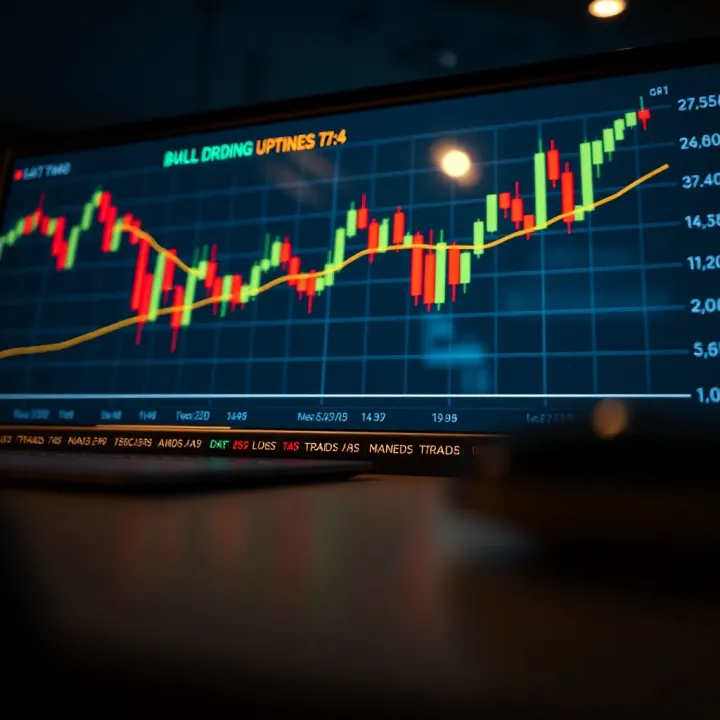
Understanding these patterns helps traders spot reversals or continuations early. For instance, a "Hammer" candlestick suggests buyers pushed prices up after a dip, signalling a potential upward move. On the other hand, a "Shooting Star" might warn of a price pullback.
Here are some commonly used intraday candlestick patterns:
Doji: Indicates indecision; often a signal for trend change when it appears after a strong move.
Engulfing Pattern: A larger candle completely covers the previous one, hinting at reversal.
Morning Star & Evening Star: Three-candle patterns signalling bullish and bearish reversals respectively.
Use candlestick patterns alongside volume data and support-resistance levels for better accuracy. For instance, a bullish engulfing with high volume near a support level can strengthen the buy signal.
It’s vital to adapt these patterns to intraday time frames as some signals that work on daily charts might not hold for minutes chart due to faster market fluctuations. Also, combining candlestick analysis with other tools like moving averages or RSI (Relative Strength Index) can help filter false signals.
Intraday trading involves high volatility and quick moves, so managing risk using stop-loss orders just beyond pattern breakout points is advisable. This protects capital if the market suddenly reverses.
In summary, mastering basic candlestick patterns equips you with a quick-reading tool that fits the fast pace of intraday markets. Regular practice and pairing these patterns with other technical indicators improve decision-making in your trading day.
Candlestick charts provide a visual snapshot of price movements in intraday trading, essential for making quick decisions. Unlike simple line charts, candlesticks display open, high, low, and close prices within specific periods, offering greater detail on how price fluctuates during the session. This helps traders interpret market sentiment and identify potential entry and exit points.
Components of a candlestick: A single candlestick consists mainly of the body and wicks (also called shadows). The body represents the price range between the opening and closing levels within the chosen timeframe. The wicks extend above and below the body, marking the highest and lowest prices reached. For example, a 15-minute candlestick on the NSE might open at ₹1,050, reach ₹1,060 at its high, dip to ₹1,045 at low, and close at ₹1,055.
Reading body, wick, and shadows: The body size indicates the strength of price movement; larger bodies mean strong buying or selling pressure, while smaller bodies suggest indecision. Wicks reveal price rejection zones—long upper wicks show sellers pushed prices down from highs, while long lower wicks signal buyers defending lows. Intraday traders watch these to grasp shifts in momentum promptly.
Interpreting colour and size: Colours typically identify direction — green (or white) for bullish closes and red (or black) for bearish closes. The body’s length combined with colour conveys buying or selling intensity during that minute or hour. For instance, a large green candle with a long body and short wicks usually indicates strong upward momentum, useful when timing quick trades on platforms like Zerodha Kite or Upstox.
Short-term price action clarity: Candlestick patterns distil complex price action into recognisable shapes, making it easier to judge short-term trends. For traders watching volatile stocks during the afternoon slump, spotting a hammer or doji candle can signal a pause or reversal, helping avoid entering positions at the wrong time.
Identifying momentum and reversals: Certain candlestick setups signal momentum shifts or reversals within the trading day. For example, an engulfing pattern after a sharp dip hints that buyers may regain control. Intraday traders leverage these signals to align their position with the market’s immediate direction.
Comparing with other chart types: While line and bar charts give a broad view, candlestick charts combine price range and sentiment in one glance. This makes them particularly suited to intraday trading where decisions must be concrete and timely. Unlike plain bars, candlesticks display the opening and closing balance, crucial for understanding whether sellers or buyers dominated a particular period.
Mastering candlestick charts sharpens your intraday trading edge by clarifying market psychology and helping pinpoint moments when price is likely to move swiftly.
With this knowledge, you are prepared to spot key patterns and interpret price action, which builds the foundation for more advanced intraday strategies.
Candlestick patterns offer quick glimpses into the market's mood, making them essential for intraday trading. They help traders spot momentum shifts, potential reversals, and consolidations within a single trading day. Unlike long-term charts, these patterns provide actionable signals suited for fast-paced decision-making.

A Doji candle forms when the opening and closing prices are virtually the same, creating a thin cross or plus sign shape. This shows indecision among traders — buyers and sellers balance each other out. For intraday traders, seeing a Doji near support or resistance levels may signal a pause before a reversal or a breakout. For example, a Doji after a strong rally might hint that bulls are losing strength.
Both these candles have small bodies and long lower shadows, but their meanings depend on the trend. A Hammer appearing after a downtrend suggests buyers are stepping in, so it could mark a bottom. Conversely, a Hanging Man after an uptrend signals selling pressure and possible reversal. Intraday traders use these patterns to time entries or exits. For instance, spotting a Hammer on a 15-minute chart of the Nifty index close to a support level can hint at a bounce.
Spinning Tops have small real bodies with longer upper and lower shadows. They reflect a struggle between bulls and bears, resulting in price stalling. During intraday sessions, a Spinning Top may indicate consolidation before the next move. Traders often wait for confirmation — like a surge in volume or a breakout — before taking a position. On a volatile day in the Sensex, several consecutive Spinning Tops might warn of sideways action ahead.
An Engulfing pattern happens when a candle completely covers the previous one’s body, signalling a strong shift in sentiment. A Bullish Engulfing forms when a small bearish candle is followed by a larger bullish candle, suggesting buying momentum. A Bearish Engulfing is the opposite. These patterns indicate reversals and are widely used for intraday entries. For example, if a Bullish Engulfing appears on an hourly chart of a stock like Reliance Industries near its day’s low, it might lead to a quick upside move.
These patterns span three candles and point to trend changes. A Morning Star is a bullish reversal after a downtrend and consists of a large bearish candle, a small-bodied candle or Doji, then a large bullish candle. Evening Star is its bearish mirror. Intraday traders look out for these because they identify shifts clearly. Spotting a Morning Star on a 30-minute chart near a key support level helps traders plan long trades with confidence.
Three White Soldiers appear as three consecutive long bullish candles, showing sustained buying pressure. Conversely, Three Black Crows are three consecutive bearish candles signalling strong selling. These patterns tell traders the current trend is likely to continue, which is helpful in intraday momentum trades. For example, three White Soldiers forming on the Nifty might encourage traders to hold long positions longer rather than exit early.
Knowing these key patterns allows intraday traders to react swiftly to market shifts, improving timing and risk control on fast-moving charts.
Understanding these candlestick formations equips you to make sharper calls during the trading day. Remember, always confirm patterns with volume or other indicators before jumping in.
Candlestick patterns alone cannot guarantee success in intraday trading. Applying these patterns effectively requires confirmation from additional tools and clear rules for entry and exit points. This approach helps traders reduce false signals and manage risk better, essential in the fast-moving intraday environment.
Volume confirms the strength behind a candlestick pattern. For example, a bullish engulfing pattern accompanied by heavy buying volume suggests genuine buying interest, making the signal more reliable. In contrast, a similar pattern with low volume might indicate weak conviction and can be a false indicator. Indian traders often check volume on platforms like NSE or Zerodha Kite to affirm their signal before taking a position.
RSI helps identify overbought or oversold conditions that candlestick patterns alone might miss. A reversal pattern near an RSI reading above 70 (overbought) strengthens the case for a short trade. Conversely, patterns forming near the 30 level (oversold) may suggest a good long entry point. Using RSI with candlestick signals refines timing and filters out misleading moves caused by brief spikes.
SMAs smooth out price fluctuations, showing the broader trend. When a bullish candlestick pattern appears above a rising 20-period SMA, it confirms an uptrend supporting the trade. Conversely, bearish patterns below a declining SMA point to stronger sell moves. SMA levels also help set realistic stop-loss and target points. For instance, a morning star pattern above the 50-SMA signals a strong trend resumption, improving trade confidence.
Enter trades when the price moves beyond a key part of the pattern. For example, after a hammer pattern at intraday support, entering once the next candlestick closes above the hammer’s high reduces risk. Precision avoids jumping in too early or late, which often erodes potential profit in short intraday windows.
Stop-loss should go just beyond the opposite end of the pattern to limit losses if the trade fails. For instance, in a bullish engulfing pattern, place a stop slightly below the lowest wick of the engulfing candle. This spot reflects the pattern's invalidation point and prevents premature exit due to normal market noise.
Set targets based on recent intraday resistance or support levels, or use measured moves based on pattern size. A common approach is to target a 1.5 to 2 times risk-to-reward ratio—for example, if stop-loss is ₹50, aim for at least ₹75 to ₹100 profit. This disciplined target setting helps lock profits before reversal or afternoon session volatility.
Combining candlestick patterns with volume, RSI, SMAs, and strict entry-exit rules builds a practical edge for intraday traders facing rapid price swings and noise.
This methodical use maximises your chances to spot genuine moves early and protects your capital through clear risk limits. Indian traders can also integrate platform-specific features like alerts and order types to automate applying these strategies smoothly during the trading day.
Candlestick patterns serve as helpful tools for intraday traders, but relying on them blindly can lead to costly mistakes. Understanding common challenges in interpreting these patterns helps traders make smarter decisions and avoid false signals that often occur in fast-moving markets. Taking a step back to consider broader factors alongside candlestick patterns prevents missteps and improves overall trading outcomes.
Volatility can greatly reduce the reliability of candlestick patterns. In highly volatile markets, price swings are erratic and sharp, causing patterns that usually signal reversals or continuations to break down quite often. For example, a hammer candlestick signalling potential bullish reversal might be quickly invalidated if the price immediately falls back due to sudden market fluctuations. Such false signals can trigger premature entries or exits, draining traders’ capital.
To handle this noise, traders should use techniques to filter out unreliable signals. One effective approach is to combine candlestick patterns with volume analysis. If a bullish engulfing pattern forms but the volume is unusually low, it might not indicate genuine buying interest and hence, is less trustworthy. Another method involves adjusting the time frame of analysis—observing patterns in slightly higher time frames like 15-minutes instead of 5-minutes may reduce random price spikes and give clearer signals. Additionally, applying technical indicators like the Relative Strength Index (RSI) helps confirm if a pattern aligns with oversold or overbought levels, improving confidence.
Candlestick patterns alone do not tell the whole story. Placing them in the context of broader market trends is critical for accuracy. Suppose a bearish engulfing pattern emerges when the overall market is in a strong uptrend; in that case, the bearish signal might be short-lived or merely a consolidation phase rather than a full reversal. Following market sentiment, trendlines, and sector performance gives meaning to the patterns, helping avoid false interpretation.
Furthermore, combining candlestick analysis with fundamental factors adds depth. News events, economic data releases, or corporate earnings influence intraday price movements often beyond what technical signals predict. For instance, a Doji pattern signalling indecision may quickly turn into strong buying if a positive corporate announcement hits the market. Ignoring such fundamentals while trading only on candlestick patterns can lead to missed opportunities or unexpected losses.
Successful intraday trading depends not just on spotting candlestick patterns but also on interpreting them within market dynamics and using other tools to filter false signals.
By recognising these challenges and adapting accordingly, traders can significantly improve their strategy’s effectiveness and reduce costly errors in intraday trading.
Using the right tools and resources can significantly improve your ability to read and apply candlestick patterns effectively for intraday trading. These help reduce guesswork, increase speed, and allow you to act on movements as they happen during the trading day. From selecting the best charting platforms to access real-time data, to practising your skills through simulations, having the right support system makes all the difference.
Features to look for include real-time price updates, multiple time-frame charts, customisable indicators, and easy pattern recognition tools. Low latency and a clean user interface also matter since quick decisions are vital in intraday trading. Additionally, integration with order execution helps streamline your trading process without having to switch apps.
Popular platforms like NSE, Zerodha Kite, and Upstox offer these features tailored for Indian traders. NSE’s official site provides direct access to live market data from the National Stock Exchange, which many traders use as a starting point. Zerodha Kite is popular for its speed, intuitive charting tools including candlestick pattern recognition, and seamless integration with the Zerodha brokerage for instant order placement. Upstox offers a similar package with customizable layouts and technical indicators that suit beginners and advanced traders alike. These platforms together cover most practical demands intraday traders face in India.
Paper trading and simulation let you test candlestick pattern strategies without risking real money. Many platforms provide demo accounts where you can practise placing trades based on pattern signals during actual market hours. This builds confidence and helps you understand how patterns behave in different market conditions before going live.
Websites and reference books for learning are essential to deepen your theoretical and practical knowledge. For instance, websites like Investopedia and NSE India offer detailed explanations on candlestick patterns and their relevance. Books such as "Japanese Candlestick Charting Techniques" by Steve Nison remain invaluable for a comprehensive understanding. Combining these learning sources with hands-on practice ensures you develop well-rounded expertise in recognising and acting on candlestick signals.
Having reliable tools and continuous learning will make your intraday trading not only more effective but also less stressful. Choose platforms and resources that match your style and evolve with your experience.
Using these resources wisely can help you interpret candlestick patterns more accurately and execute trades faster, which matters most when the markets move quickly. With time and practice, you will sharpen your instincts and improve your chances of intraday success.
📈 Learn how breakout candlestick patterns signal key price moves beyond support or resistance, helping traders spot trend shifts, avoid false breakouts, and manage risk wisely.

📈 Understand basic candlestick patterns for smarter trading decisions. Learn how to read market trends, interpret signals, and get a handy PDF guide for quick reference.

📈 Learn to spot key bullish candlestick patterns to identify upward price moves confidently. Combine these insights with other tools for smarter trading decisions.
📉 Learn key bearish candlestick patterns to spot market downturns confidently. Understand their meaning, common errors, and confirmation for smarter trades.
Based on 7 reviews