

Six Key Candlestick Patterns Every Trader Should Know
📈 Learn six crucial candlestick patterns that Indian traders use to spot market moves accurately. Understand their setup, meaning, and blend with other tools for smarter trades.
Edited By
Sophia Edwards
Candlestick patterns form an essential part of technical analysis, helping traders and investors spot market trends quickly. These visual signals, made up of price movements over a specific time, reveal whether buyers or sellers are in control. For Indian traders, understanding these patterns in Hindi can bridge the gap between theory and practical decision-making.
A candlestick consists of three main elements: the body, the upper shadow (wick), and the lower shadow. The body represents the difference between opening and closing prices, while the shadows show the extremes of price movement within the timeframe. A bullish candlestick closes higher than it opens, signalling buyer strength, and a bearish candlestick closes lower, indicating selling pressure.

Recognising key candlestick patterns helps you anticipate price direction, remain ahead in volatile markets, and plan entry or exit points effectively.
There are three categories to note:
Single candlestick patterns: These include simple shapes like the Hammer, Shooting Star, and Doji that provide immediate clues about potential reversals or continuation.
Double candlestick patterns: Formed over two sessions, patterns such as Bullish/Bearish Engulfing and Tweezer Tops/Bottoms show strong shifts in market sentiment.
Triple candlestick patterns: More complex formations like Morning Star and Evening Star signal major trend reversals and are highly valued by traders.
In the Indian markets, where stock and commodity prices can fluctuate sharply based on geopolitical events, economic data releases, and even monsoon performance, these patterns offer a practical tool to decode price actions. Combining candlestick analysis with volume and other indicators provides a stronger edge.
This article lays out every important candlestick pattern in Hindi, helping you identify bullish and bearish signals with confidence. The aim is to make these technical tools accessible, so you can spot trends early and fine-tune your trading strategy. Whether you are new to stocks or an experienced trader looking to refresh your chart reading skills, this guide clarifies key patterns with real examples relevant to Indian equities and commodities.
Let's start with the basics and gradually move towards patterns that can transform your understanding of market movements.
Candlestick patterns form an essential part of technical analysis used by traders worldwide, including in India. Learning these patterns in Hindi helps Indian investors grasp complex trading concepts in their own language, making it easier to apply technical tools confidently. Indian traders often find that decoding charts and price movements becomes clearer when explanations use familiar terminology.
A single candlestick represents price action for a specific time period—could be a minute, hour, or day. Its key parts include the body and shadows (also called wicks). The body shows the opening and closing prices, while upper and lower shadows indicate the highest and lowest price within the period. If the close is higher than open, the body is typically green or white, signalling buying strength. A red or black body means the opposite—selling pressure.
This simple visual structure helps traders quickly assess market sentiment. For example, a long green body with short shadows usually means strong bullish dominance, useful in predicting upward trends.
Candlestick patterns help traders identify market reversals and continuation signals without relying solely on numbers or indicators. By interpreting patterns like the Doji or Hammer, traders gain a snapshot of sentiment shifts, enabling timely decisions. In Indian markets, where volatility can spike during events like budget announcements, recognising these patterns helps protect investments.
These patterns often combine with volume and support/resistance levels to confirm trades. Thus, mastering candlestick analysis forms a foundation for successful trading strategies in NSE or BSE stocks.
Explaining candlestick patterns in Hindi breaks the language barrier for many Indian investors who may struggle with English technical jargon. This accessibility means traders can understand patterns faster and apply them in real trading scenarios across Indian equities, commodities, and currencies.
For instance, during the festive season when trading volumes surge, knowing precise terms in Hindi helps interpret price charts without confusion. This reduces mistakes caused by misinterpretations or language gaps.
Certain words form the backbone of candlestick discussions in Hindi, such as "शरीर" (body), "छाया" (shadow/wick), and "उदयीमान" (bullish). Familiarity with these terms eases learning and online research, especially as many Indian trading forums and tutorials use Hindi to explain complex ideas.
Knowing the right vocabulary in Hindi not only boosts confidence but also builds a stronger connection with global market trends while trading Indian stocks like Reliance, TCS, or HDFC Bank.
By starting with these basics, Indian traders gain a robust understanding of market behaviour and prepare to use candlestick patterns effectively in their investing journey.
Single candlestick patterns play an important role in understanding immediate market sentiment. They offer quick insights about price movements within a specific trading session and can be valuable for traders who want to make swift decisions. In the Indian stock market, recognising these patterns helps you anticipate short-term reversals or continuations without waiting for longer formations.
A Doji candlestick signals indecision in the market where the opening and closing prices are almost the same. Its variations include the Standard Doji, with small or no body; the Dragonfly Doji, which has a long lower shadow and little to no upper shadow; and the Gravestone Doji, characterised by a long upper shadow and little to no lower shadow. For instance, a Dragonfly Doji in a downtrend hints that sellers tried to push prices lower but buyers regained control.
Doji candles often suggest a pause or potential reversal but must be confirmed with the surrounding context and volume.
Interpreting the market sentiment behind a Doji demands examining the prior trend. In an uptrend, a Doji may warn about weakening momentum as buyers hesitate. Conversely, in a downtrend, it may signal sellers losing strength. That said, a Doji alone doesn’t confirm a reversal; it simply highlights uncertainty. For Indian traders, checking the next candle’s movement after a Doji can clarify the next move.
Identifying a Hammer or Hanging Man involves spotting a candlestick with a small body near the top and a long lower shadow. Both patterns look similar but differ based on their preceding trends. The Hammer shows up after a downtrend and indicates potential bullish reversal, suggesting buyers are stepping in. The Hanging Man appears after an uptrend and may warn about a bearish reversal if confirmed by the next candle.
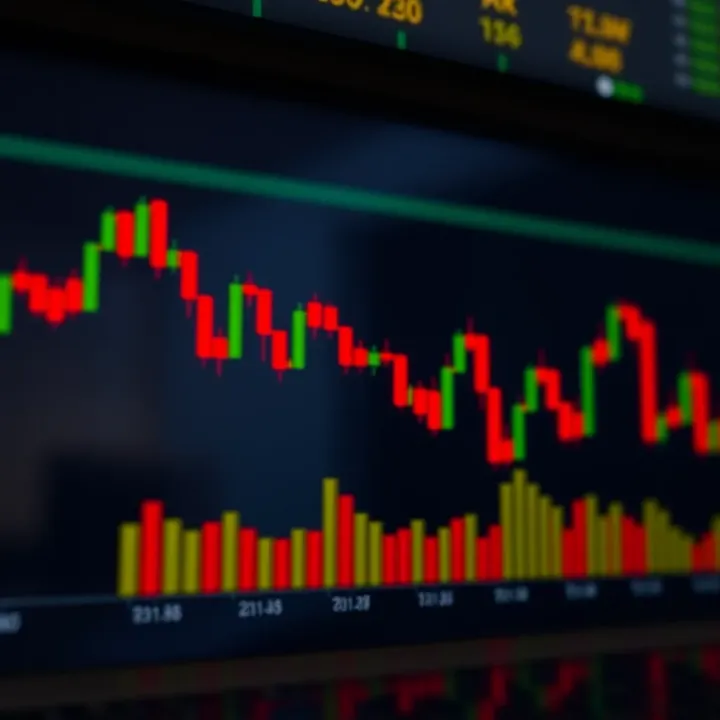
One practical example is in commodity markets like gold, where a hammer develops after a price drop, signalling a likely bounce back. Traders should carefully confirm reversals rather than relying on these patterns alone.
The key difference lies in their implications. A Hammer hints at bullishness, whereas the Hanging Man suggests caution among bulls and warns of potential price weakness. Indian stock markets, where volatility can spike suddenly, make distinguishing these patterns vital for short-term traders.
The Shooting Star and Inverted Hammer are price action indicators with similar shapes—a small real body near the bottom and a long upper shadow—but differ by trend direction. The Shooting Star forms after an uptrend, signalling a possible bearish reversal as sellers push prices down from intraday highs. The Inverted Hammer appears after a downtrend, hinting at a bullish reversal as buyers confront selling pressure.
In practical terms, spotting a Shooting Star on Nifty 50 during a strong rally may alert traders to book profits or tighten stop-loss levels. Conversely, an Inverted Hammer after a decline could encourage traders to consider long positions but only after confirming volume support.
Market reversals aren’t guaranteed by these formations alone. Context, volume, and confirmation candles lend reliability. In an Indian context, combining these patterns with support zones on charts enhances their effectiveness.
Understanding these single candlestick patterns helps you react faster in live markets, especially for intraday or short-term trades in NSE and BSE stocks. Always remember, these patterns are tools—best used along with other analysis techniques for better accuracy.
Double candlestick patterns play a significant role in technical analysis for traders. These patterns signal potential reversals or continuations by observing the interaction between two consecutive candlesticks. Understanding these helps Indian traders spot probable market turns or confirmation of trends with better accuracy.
A bullish engulfing pattern appears when a small bearish candle is followed by a larger bullish candle that fully covers or "engulfs" the body of the previous one. The candle bodies are most important, not just wicks. This suggests buying strength entering the market. Conversely, a bearish engulfing pattern forms when a small bullish candle is succeeded by a larger bearish candle engulfing the previous body, indicating selling pressure.
For example, in an NSE stock chart, if after a downtrend, you spot a small red candle immediately followed by a bigger green candle swallowing it, this signals a bullish reversal. In contrast, after an uptrend, a smaller green candle followed by a larger red candle engulfing it warns of bearish reversal.
These engulfing patterns often mark key market turning points. The bullish engulfing pattern suggests buyers overtook sellers and may push prices higher in the short term. Traders might consider entering long positions here, especially when supported by volume spikes and near support zones.
On the other hand, a bearish engulfing implies sellers have gained control, prompting a likely price fall. Traders often use it as a cue to sell or short the asset, particularly near resistance levels. However, confirmation from next candles or additional indicators reduces false signals.
Tweezer patterns occur when two consecutive candles have matching highs or lows, creating a double top or bottom appearance. A tweezer top forms when two candles peak at almost the same level, indicating strong resistance, while a tweezer bottom has two candles with equal lows, suggesting firm support.
For instance, if you notice two back-to-back candles in BSE stocks hitting the same high before falling, this warns traders about a potential reversal downwards. Likewise, identical lows in two candles may hint at a bullish bounce.
Traders use tweezer tops to exit long positions or enter short trades near resistance, expecting a price drop. Conversely, tweezer bottoms encourage buying or holding long positions anticipating an upward reversal.
Because these patterns appear near key price levels, combining them with volume analysis or RSI (Relative Strength Index) enhances reliability. For example, if a tweezer top is confirmed with reduced volume and overbought RSI in NSE stocks, the chance of a downturn increases.
Always remember, combining double candlestick patterns with other tools reduces risk and improves trade success.
Understanding these double candlestick patterns not only aids in recognising market sentiment shifts but also helps in planning trade entries and exits with practical confidence, especially within the Indian trading context.
Triple candlestick patterns offer more reliable signals than single or double patterns because they reflect extended market behaviour over three sessions. Understanding these patterns helps traders confirm trend directions or spot potential reversals with higher confidence. For example, the "Morning Star" and "Evening Star" formations show slow shifts in market sentiment, giving traders early hints about a new trend emerging.
The Morning Star consists of three candles: first, a large bearish candle signalling a strong downtrend; second, a small-bodied candle (which can be bullish or bearish) that indicates market indecision; and third, a large bullish candle closing well into the body of the first. This sequence shows the momentum shifting from sellers to buyers. On the other hand, the Evening Star is the opposite: it starts with a strong bullish candle, followed by a small indecisive one, and finishes with a large bearish candle signalling sellers taking control.
Traders identify these patterns by watching for a gap or clear pause between the first two candles and confirming that the third candle closes decisively. Watching volume alongside these patterns provides extra assurance—the rising volume on the third candle adds strength to the indicated reversal.
The Morning Star often marks the end of a downtrend and suggests a potential bullish reversal. For instance, in Indian markets, spotting a Morning Star during a dip in a popular NSE stock can hint at a good buying opportunity. Conversely, the Evening Star flags the likely top of an uptrend and warns traders about a bearish reversal, encouraging them to consider booking profits or hedging positions.
Both patterns are particularly useful because they reflect a gradual change in sentiment rather than an abrupt shift. This makes them more dependable for traders in markets like BSE and NSE, where volatility can mislead simpler patterns.
The Three White Soldiers pattern comprises three consecutive long bullish candles, each opening within the previous candle's body and closing near its high. This shows sustained buying pressure over three sessions. Visually, the candles are uniform in size and colour, creating a clear upward staircase.
In contrast, the Three Black Crows pattern shows three straight bearish candles, each opening within the previous candle’s body but closing near its low, signalling continuous selling pressure. This pattern often appears after a strong uptrend and suggests a shift towards bearish sentiment.
For traders, Three White Soldiers signal a strong bullish trend and can be a cue to enter or add to a long position. However, it’s wise to check other indicators like volume or support levels, as excessive optimism sometimes leads to pullbacks.
The Three Black Crows serve as an early warning to exit long positions or prepare for short-selling if trading in derivatives or intraday. In Indian contexts, especially around earnings announcements or policy changes, these patterns can be quite telling for rapid trend changes.
Recognising these triple candlestick patterns offers traders a clearer picture of market sentiment shifts. Used alongside other technical tools, they become powerful guides for timed entries and exits.
In summary, Morning and Evening Stars indicate gradual trend reversals, whereas Three White Soldiers and Three Black Crows signal strong sustained moves. Indian traders focusing on NSE and BSE stocks will find these patterns beneficial for improving trade accuracy and managing risks effectively.
Candlestick patterns alone cannot guarantee success in trading; their effectiveness improves significantly when combined with other tools and local market knowledge. In Indian markets like NSE and BSE, understanding volume, support, and resistance levels alongside candlestick patterns helps traders make better decisions. These combined indicators act as puzzles pieces, fitting together to reveal clearer market trends.
Volume shows the number of shares or contracts traded during a given period and is a strong confirmation tool for candlestick patterns. For example, a bullish engulfing pattern forming on heavy volume in a stock like Reliance Industries often signals a stronger buy opportunity than when the volume is low. Volume spikes reflect trader enthusiasm or panic, giving weight to the candlestick pattern’s signal.
Without checking volume, traders risk falling for false signals. A hammer candlestick at the end of a downtrend supported by increased volume often indicates a potential reversal, but when volume remains low, the signal lacks conviction.
Support and resistance levels act as price barriers where buy or sell interest concentrates. Combining candlestick patterns with these levels sharpens entry and exit points. For instance, spotting a morning star pattern near a historical support level in a stock like TCS provides a stronger bullish signal.
Similarly, a shooting star pattern appearing close to a known resistance level adds to the case for an impending price drop. Ignoring these levels can lead traders to enter positions too early or exit too late, eroding profits.
Candlestick patterns always play out within a broader market environment. Traders often neglect macro factors such as economic news, RBI announcements, or sector-specific events like monsoon impact on agricultural stocks. Such elements can override technical signals, leading to unexpected market moves.
For example, even a clear bullish pattern can fail during a heavy sell-off caused by adverse government policy changes. It’s essential to consider these external factors alongside candlestick analysis for realistic trade planning.
New traders sometimes mistake any candlestick with a long wick for a reversal or interpret small patterns as strong signals regardless of context. Over-relying on single candlesticks without considering previous price action or volume leads to many losses.
Furthermore, some confuse bearish and bullish signals—like treating a hanging man as bullish rather than bearish—resulting in wrong trading decisions. Learning to interpret each pattern correctly within market context is key.
Indian stock exchanges have diverse sectors with varying volatility and liquidity levels. Candlestick patterns work best when used with stocks showing consistent trading activity and clear price trends, like Infosys or HDFC Bank.
Avoid relying on these patterns for illiquid penny stocks or during festive seasons when volumes can be unusually high or low. Make sure to cross-check with NSE and BSE data on volume, price movements, and trend history.
Indian markets have phases of sharp volatility, for instance, during budget announcements or geopolitical tensions. Candlestick patterns can produce mixed signals in such times. Traders should adjust their strategies, possibly using wider stop-losses and smaller position sizes.
Also, remember that sudden market swings can invalidate some classic patterns. Keeping an eye on India-specific events and maintaining flexibility improves your ability to use candlestick analysis effectively.
Combining candlestick patterns with volume, support and resistance, and prevailing market conditions is essential. This blend increases the odds of making informed and profitable trading decisions in the Indian stock market.
Using such a multi-layered approach will refine your trading skills and help you adapt to India’s unique market behaviour.
📈 Learn six crucial candlestick patterns that Indian traders use to spot market moves accurately. Understand their setup, meaning, and blend with other tools for smarter trades.

📈 Learn key bullish candlestick patterns to spot upward trends in stock trading. Understand formations, significance & tips to improve entry timing effectively.
📈 Learn how breakout candlestick patterns signal key price moves beyond support or resistance, helping traders spot trend shifts, avoid false breakouts, and manage risk wisely.

📈 Understand basic candlestick patterns for smarter trading decisions. Learn how to read market trends, interpret signals, and get a handy PDF guide for quick reference.
Based on 15 reviews